
1. Youngstown, Ohio
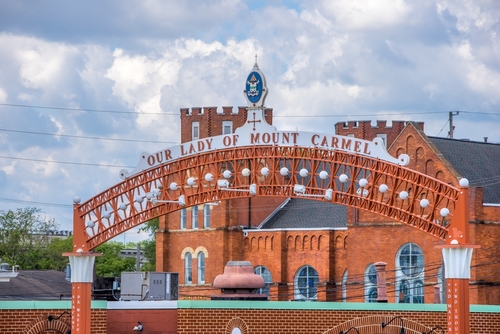
If you talk to longtime residents of Youngstown, they’ll tell you it once felt like a bustling steel powerhouse where everyone seemed connected to the mills. When the steel industry collapsed in the late 1970s and early 1980s, tens of thousands of local jobs disappeared. The population has fallen dramatically from its 1930 peak, leaving quieter streets and entire blocks with fewer homes. Some neighborhoods even have visible gaps where houses were demolished after years of vacancy.
That loss of density changes the rhythm of everyday life. Schools consolidated, churches merged, and long retail strips shrank as the customer base thinned out. Even downtown, despite revitalization efforts, feels calmer than archival photos from its industrial height. The city carries the footprint of a much larger place than the one you experience today.
2. Gary, Indiana
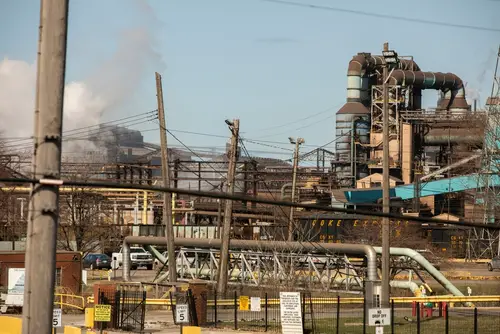
Gary was once one of America’s fastest-growing cities, built around the enormous U.S. Steel operations along Lake Michigan. In the 1960s, the population topped 175,000 and neighborhoods were tightly packed with working families. As steel employment declined and residents moved away, the city lost well over half its population. Large stretches of residential land now sit empty or dotted with far fewer houses than before.
That physical openness makes everyday spaces feel oversized for the number of people using them. Schools and businesses closed or consolidated as demand shrank. Wide boulevards that once carried heavy commuter traffic are often surprisingly quiet. The scale still says “major city,” but the activity level feels much smaller.
3. Flint, Michigan
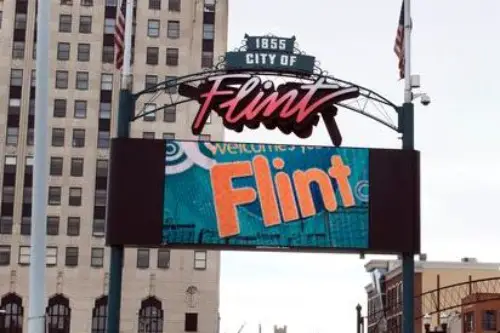
Flint grew rapidly during the automotive boom, powered by major General Motors manufacturing plants. Mid-century Flint had thriving neighborhoods, busy commercial corridors, and a population near 200,000. Decades of factory closures and restructuring led to steep job losses and sustained out-migration. The population today is a fraction of its peak, leaving behind more space than the remaining residents need.
That shift shows up in everyday life across the city. Formerly lively shopping areas have fewer open storefronts and lighter foot traffic. Public institutions serve smaller communities than they were built for. The result is a city that feels quieter and more compact than its infrastructure suggests.
4. Scranton, Pennsylvania
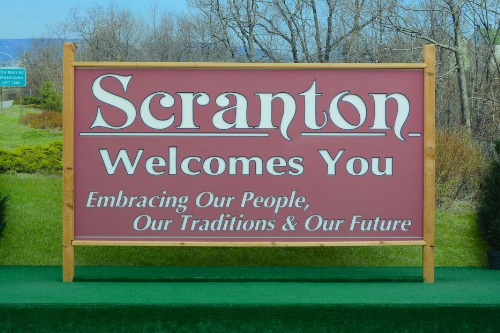
Scranton once thrived as a coal and rail hub, drawing waves of workers and their families. Early 20th-century growth filled dense rowhouse neighborhoods and busy downtown blocks. As anthracite coal declined and industry shifted, jobs disappeared and population steadily dropped. The city has never returned to its 1930 population high.
You can sense that contraction just by walking around. Large historic buildings now serve fewer tenants than they were designed for. Some residential streets feel calmer and less crowded than older photos would suggest. The bones of a bigger industrial city are still there, just serving a smaller community.
5. Cairo, Illinois
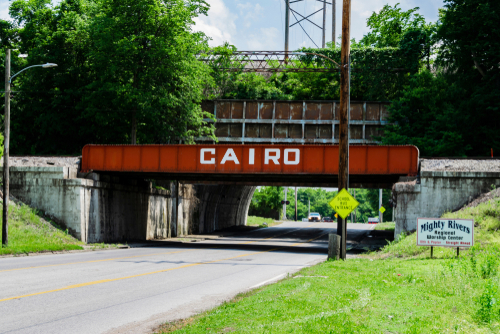
Cairo sits at the confluence of the Mississippi and Ohio Rivers and was once a significant river trade center. In the late 1800s and early 1900s, it bustled with steamboat traffic, rail connections, and a growing population. Economic decline, flooding challenges, and disinvestment led to a long population slide. Today, only a small fraction of its former residents remain.
That population loss is visible almost everywhere you look. Historic blocks include numerous vacant buildings and empty lots. Public services operate at a scale far smaller than the city’s original design. It feels more like a small town than the regional hub it once aimed to be.
6. Butte, Montana
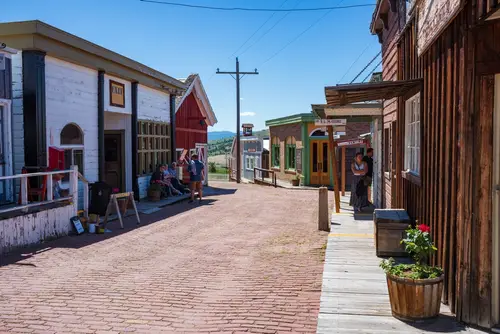
Butte boomed in the late 19th and early 20th centuries as one of the world’s leading copper mining centers. At its height, it was one of the largest cities in the American West. As mining employment declined and operations modernized, the population steadily decreased. The city never regained the density it had during its industrial peak.
Much of Butte’s historic architecture still stands, hinting at its larger past. Expansive neighborhoods now house fewer residents than they once did. Commercial districts serve a smaller customer base than their footprint suggests. The atmosphere feels more intimate than its grand streetscapes imply.
7. Wheeling, West Virginia
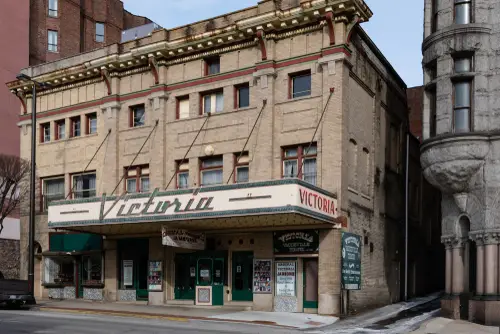
Wheeling was once a major manufacturing and transportation hub along the Ohio River. Steel production and related industries supported a dense, active population through the early and mid-20th century. As heavy industry declined, so did local employment and resident numbers. The population is now far below its historical high.
That decline reshaped daily life in subtle ways. Some formerly busy commercial corridors are quieter and less crowded. Schools and parishes consolidated as neighborhoods shrank. The city feels smaller and slower-paced than its industrial-era reputation.
8. Niagara Falls, New York
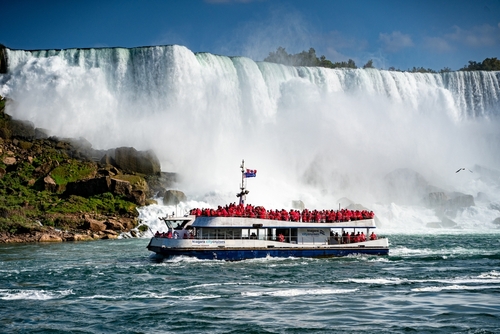
Niagara Falls grew rapidly thanks to tourism and hydropower-driven industry. Mid-century factories and related jobs supported a strong local economy and dense neighborhoods. Industrial decline and suburban migration led to decades of population loss. Visitor numbers remain strong, but fewer residents call the city home.
That contrast creates an unusual feeling. Tourist zones can be lively while residential areas feel much quieter. Housing density is lower than it once was, and some blocks show long-term vacancies. It’s a place where the crowds come and go, leaving a smaller everyday community behind.
9. St. Joseph, Missouri
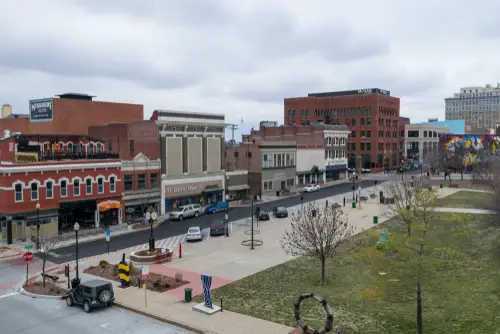
St. Joseph was a key 19th-century transportation and supply center, especially during westward expansion. Railroads and industry helped it grow into a significant regional city. As transportation patterns changed and industry declined, growth slowed and population dipped from earlier highs. It remains important locally but on a reduced scale.
Downtown architecture still reflects its more prominent past. Large commercial buildings now serve fewer businesses and visitors. Residential areas feel less dense than they once were. The city’s footprint hints at a busier era.
10. Pueblo, Colorado
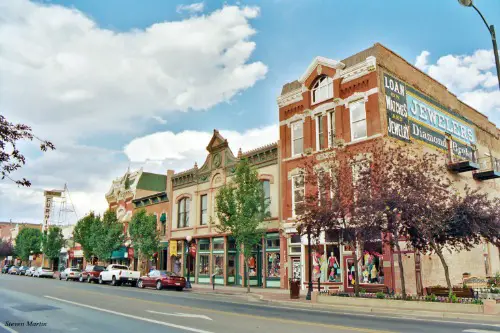
Pueblo became a major steel production center in the late 1800s and early 1900s. The industry supported rapid growth and busy working-class neighborhoods. As steel employment declined and the economy diversified, population growth slowed significantly. Some areas never regained their earlier density.
You can feel that shift across the city. Historic industrial zones are quieter than they were during peak production. Certain commercial corridors see lighter traffic than older residents remember. Pueblo feels more laid-back than its industrial infrastructure suggests.
11. Bridgeport, Connecticut
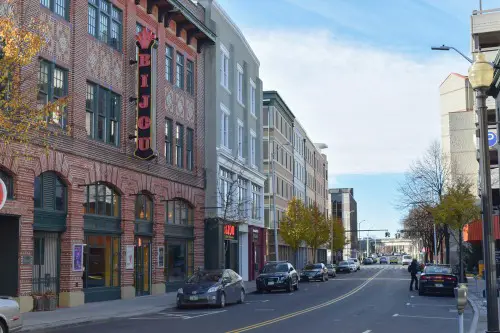
Bridgeport was once a thriving manufacturing center with shipbuilding, machinery, and munitions plants. Its population peaked in the mid-20th century when factories anchored the local economy. Industrial decline and suburbanization led to sustained population loss. The city remains significant but smaller than its peak-era scale.
Large civic buildings and dense street grids reflect its former size. Some neighborhoods have fewer residents than the housing stock was built to support. Commercial areas operate at a quieter pace than historic photos show. It feels like a city that grew big and then exhaled.
12. Duluth, Minnesota
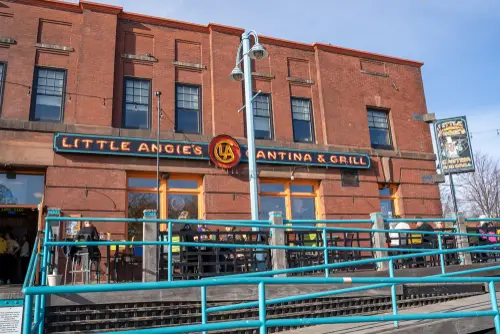
Duluth flourished as a Great Lakes shipping and industrial hub, especially in the early 20th century. Its port, railroads, and manufacturing base supported strong population growth. As shipping patterns and heavy industry changed, population declined from its historic high. The city stabilized but never returned to its earlier density.
That evolution is easy to notice. Hillside neighborhoods and wide avenues feel roomier than they once did. Some industrial waterfront spaces have been repurposed or quieted. Duluth still feels vibrant, just on a more compact and less crowded scale.
This post Towns Across the U.S. That Feel Smaller Than They Used To was first published on American Charm.

