
1. Miami, Florida
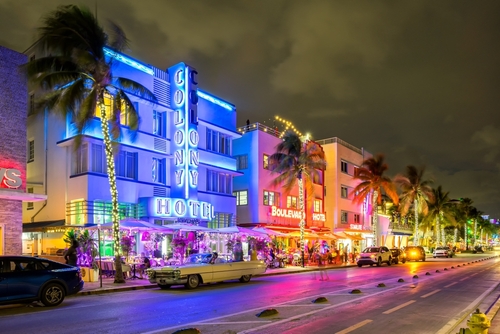
Miami’s evolution goes beyond beaches and nightlife clichés. Coastal neighborhoods densified gradually as condo towers replaced low-rise buildings over decades. International investment flowed in consistently rather than in one dramatic rush. The skyline stretched upward in a slow, steady climb.
Art and culture districts formed through adaptive reuse of warehouses. Annual events like major art fairs built reputation year after year. Transit and highway expansions nudged development corridors outward. The city’s global identity solidified through accumulation, not instant reinvention.
2. Brooklyn, New York
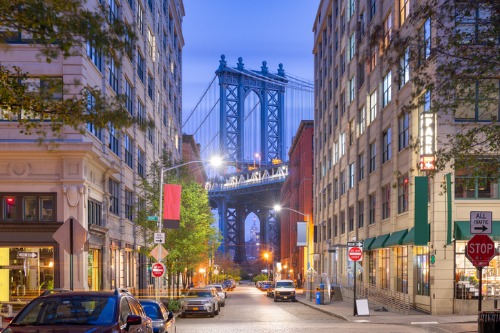
Brooklyn didn’t flip overnight from industrial borough to lifestyle brand. Former warehouses turned into lofts, then galleries, then cafés, each step feeling practical at the time. Rents crept upward gradually, nudging out long-time residents in a slow economic tide. By the time people started calling it trendy, the shift had already been years in the making.
Neighborhoods like Williamsburg and DUMBO evolved parcel by parcel rather than through sweeping redevelopment. Artists moved in for cheap space, startups followed the creative energy, and luxury housing trailed the new demand. Waterfront parks replaced old shipping infrastructure in phases. The borough’s identity drifted from working-class backbone to cultural capital without a single defining moment.
3. Pittsburgh, Pennsylvania
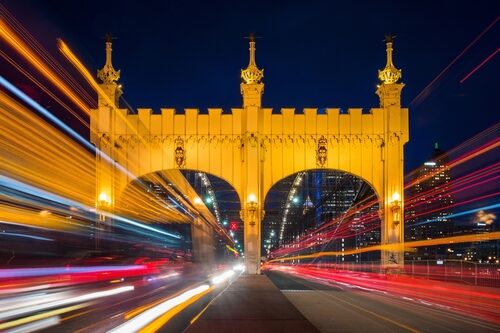
Pittsburgh’s reinvention is one of those changes you appreciate more on a second visit. Steel mills closed gradually in the late 20th century, leaving space for universities and tech firms to expand. The skyline stayed familiar while the economy quietly pivoted underneath it. What felt like decline at first slowly became diversification.
Robotics labs and medical research centers moved into former industrial zones. Riverfronts that once served barges became trails and green space in steady phases. Air and water quality improved through incremental environmental policy rather than flashy projects. The city kept its blue-collar soul while becoming a hub for education and innovation.
4. Detroit, Michigan
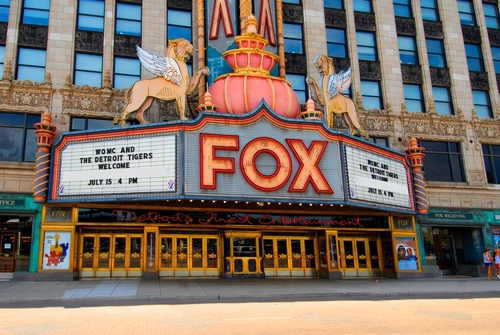
Detroit’s story isn’t just boom and bust; it’s also steady recalibration. After decades of population loss, small-scale redevelopment began filling gaps block by block. Downtown storefronts reopened gradually, not in a single wave. Visitors started noticing lively pockets long before headlines caught up.
Historic buildings found new uses as apartments, offices, and boutique hotels over many years. Local entrepreneurs opened cafés and shops that slowly rebuilt neighborhood foot traffic. Public art and park projects rolled out in phases instead of splashy launches. The city’s revival felt organic because it grew from consistent effort rather than one grand plan.
5. Portland, Oregon
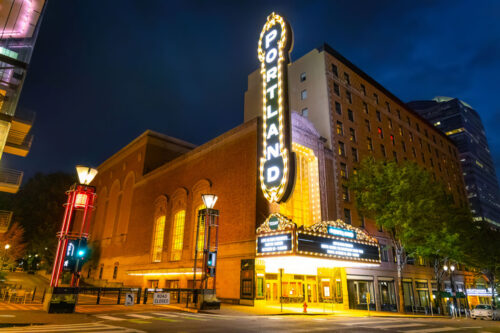
Portland’s reputation as a quirky, eco-conscious haven didn’t appear out of nowhere. Decades of urban growth boundaries quietly limited sprawl and pushed density inward. Bike lanes multiplied a few miles at a time until cycling felt built into daily life. Independent shops and food carts accumulated gradually, shaping the city’s personality.
Neighborhood main streets filled in slowly as mixed-use zoning encouraged walkable blocks. Craft breweries and farm-to-table restaurants expanded year by year, not in a sudden boom. Public transit improvements arrived in extensions rather than sweeping overhauls. The result is a city that feels intentionally designed, even though the evolution was incremental.
6. Nashville, Tennessee
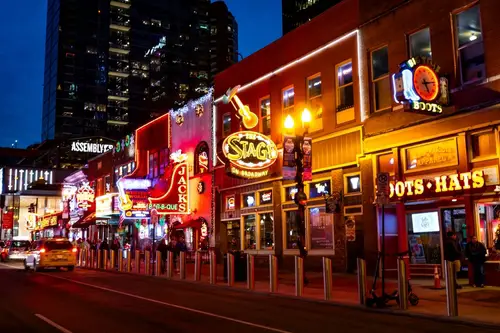
Nashville’s growth feels explosive now, but it simmered for years before boiling over. The healthcare and education sectors expanded steadily alongside the long-standing music industry. Downtown added hotels, venues, and apartments one project at a time. Tourism numbers climbed gradually until the city felt perpetually busy.
Former industrial areas transitioned into mixed-use neighborhoods in careful stages. New residents arrived in a steady stream rather than a sudden surge. Infrastructure projects trailed population growth, subtly reshaping traffic and transit patterns. The city’s identity stretched from country-music hub to broader cultural hotspot without a single pivot point.
7. Seattle, Washington
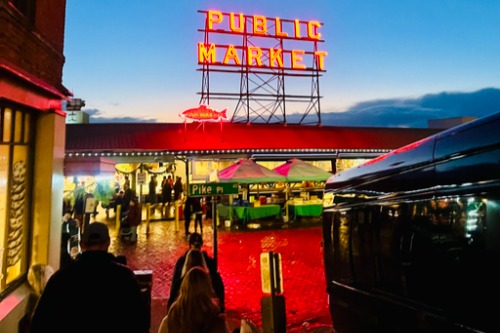
Seattle’s tech transformation wasn’t a light-switch moment. Corporate campuses expanded outward slowly as major employers added buildings over decades. Neighborhoods absorbed waves of new apartments that blended into existing streetscapes. Population growth felt continuous rather than dramatic.
Warehouse districts converted into offices and condos in phases. Light rail lines opened segment by segment, quietly changing commuting habits. Coffee shops and indie retailers gave way to national brands through gradual rent increases. The city kept its rainy-day charm while its economy tilted heavily toward technology.
8. Denver, Colorado
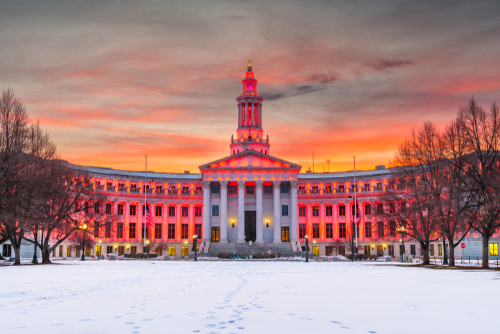
Denver’s rise happened in layers you only notice when you look back. Former rail yards and industrial land redeveloped into housing and public space over many years. Downtown density increased building by building, not skyline by skyline. Transplants arrived steadily for outdoor access and job growth.
Craft breweries, music venues, and food halls accumulated across neighborhoods. Transit expansions connected suburbs in phases that subtly shifted commuting patterns. Older blocks gained modern infill without losing their street grid. The city’s blend of frontier heritage and urban polish emerged through patience rather than spectacle.
9. Times Square, New York City
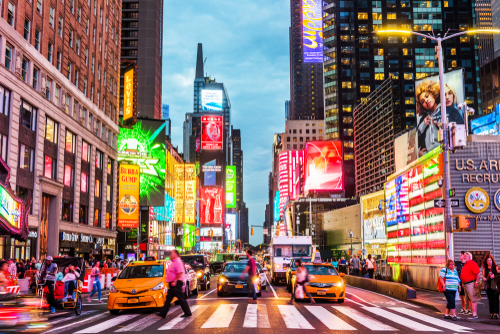
If you’ve ever seen old photos of Times Square, the change feels almost sneaky. What used to be a gritty district of peep shows and pawn shops slowly became a glossy canyon of LED screens and chain stores. The transformation wasn’t a single dramatic overhaul but a steady layering of corporate redevelopment through the 1990s and 2000s. Year by year, the rough edges softened until the old character felt like a distant rumor.
City policy played a big role, especially zoning changes and commercial incentives aimed at “cleaning up” Midtown. Family-friendly businesses replaced adult theaters one lease at a time. Massive digital billboards grew brighter and bigger as advertising tech evolved. Locals who passed through daily barely noticed the cultural swap happening in plain sight.
10. Austin, Texas
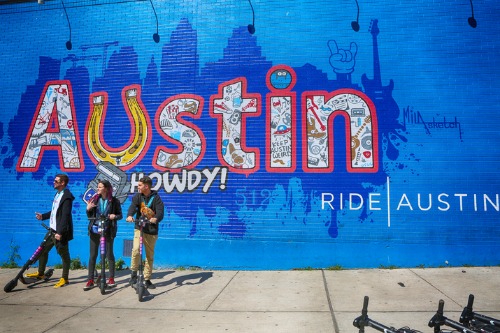
Austin’s transformation from college town to tech magnet felt almost accidental. Startups and major employers opened offices gradually, drawn by talent and lifestyle. Mid-rise apartments filled in central neighborhoods year by year. Traffic worsened slowly enough that each change felt temporary.
Live music venues persisted even as luxury developments rose nearby. Food truck parks multiplied before anyone labeled them a scene. Infrastructure upgrades lagged just behind population growth. The city’s laid-back spirit stretched to accommodate rapid change without a clear breaking point.
11. Washington, D.C.
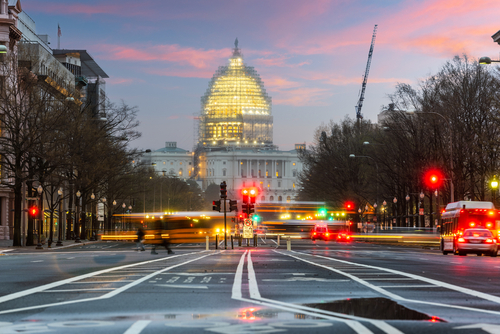
Washington, D.C. has been quietly reshaping itself beyond politics. Former industrial waterfronts redeveloped into parks and mixed-use districts over long timelines. Residential populations grew steadily as new apartment buildings filled vacant lots. Neighborhood retail returned block by block.
Metro expansions and station-area development unfolded in careful phases. Historic preservation rules kept architectural character consistent through change. Tourism infrastructure improved incrementally with museum upgrades and public space projects. The capital’s lived-in feel strengthened gradually while its monumental core stayed familiar.
This post Places in America That Changed So Gradually No One Noticed was first published on American Charm.

