
1. Times Square
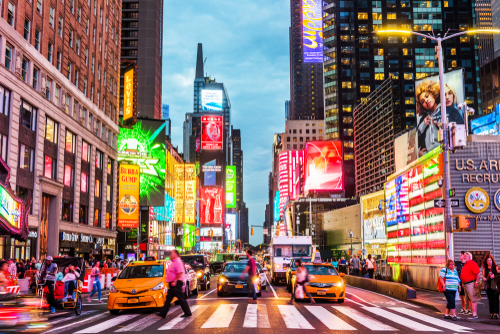
Visitors see Times Square as a neon-drenched spectacle that feels like the center of the universe. The giant screens, costumed characters, and Broadway marquees create an electric, once-in-a-lifetime vibe. It’s where people take their classic NYC photos and soak in the city-that-never-sleeps energy. For a first trip, it absolutely delivers sensory overload in the best way.
Locals, though, mostly treat it like a place to pass through quickly, if they can’t avoid it. The dense foot traffic, aggressive ticket sellers, and inflated chain-restaurant prices can be exhausting. New Yorkers know quieter, more interesting neighborhoods for food, shows, and hanging out. Many only return if they work nearby or have out-of-town guests.
2. Hollywood
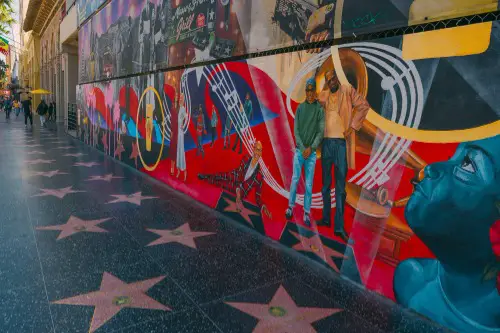
Visitors imagine Hollywood as a glamorous movie capital filled with celebrities and red carpets. The Walk of Fame and TCL Chinese Theatre make it feel iconic and cinematic. Souvenir shops and studio tour buses add to the sense that you’re standing in entertainment history. For film fans, it feels like stepping onto a giant outdoor set.
Locals tend to see Hollywood as crowded, gritty, and not especially representative of Los Angeles life. Traffic is heavy, parking is expensive, and the sidewalks can feel chaotic. Most residents go elsewhere for better food, nightlife, and everyday errands. Hollywood is more of a work zone and tourist corridor than a neighborhood hangout.
3. Las Vegas Strip
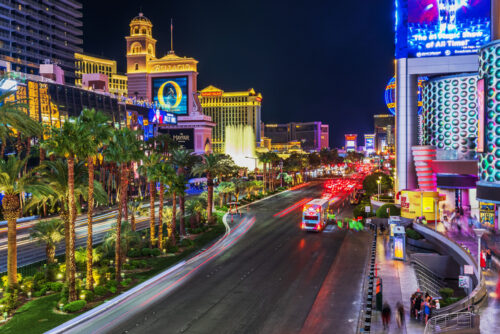
Visitors experience the Strip as a nonstop playground of mega-resorts, bright lights, and theatrical excess. Walking between themed casinos feels like traveling the world in a single night. The shows, celebrity-chef restaurants, and over-the-top pools make everything feel larger than life. It’s designed to be immersive, indulgent, and unforgettable.
Locals often avoid the Strip unless they work there or have guests in town. They know the real city spreads far beyond the resort corridor. Everyday life happens in residential neighborhoods with local eateries and community parks. The Strip can feel like a bubble built mainly for tourism and conventions.
4. Fisherman’s Wharf
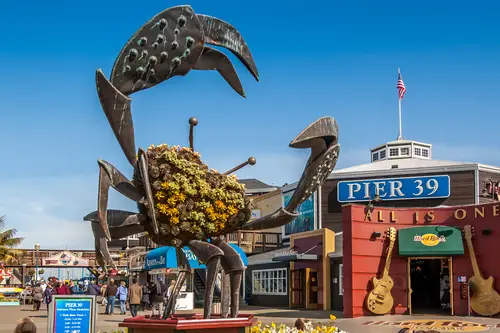
Visitors love Fisherman’s Wharf for its waterfront views and lively atmosphere. Sea lions lounging near the piers add a fun, unexpected wildlife moment. The seafood stands and sourdough bread bowls feel quintessentially San Francisco. It’s an easy, photogenic place to spend an afternoon.
Locals often find it overly commercial and priced for tourists. Many residents prefer neighborhood spots for fresher seafood and fewer crowds. The souvenir-heavy streets don’t reflect the city’s everyday character. It’s more of a visitor zone than a local gathering place.
5. Waikiki Beach
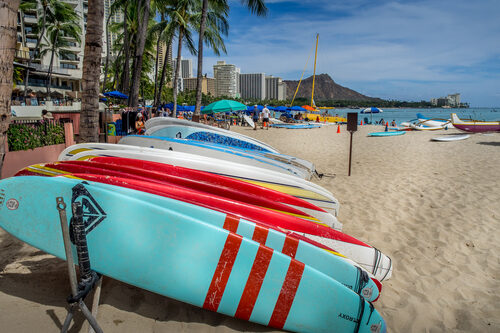
Visitors see Waikiki Beach as a tropical dream with gentle waves and iconic skyline views. The stretch of sand is lined with resorts, surf schools, and postcard scenery. Diamond Head rising in the distance makes every photo look cinematic. It’s convenient, beautiful, and packed with activities.
Locals often head to other beaches for a quieter, more natural experience. Waikiki can feel crowded and heavily commercialized. Parking is limited, and the area caters strongly to resort tourism. Residents know plenty of less hectic shorelines across Oahu.
6. National Mall
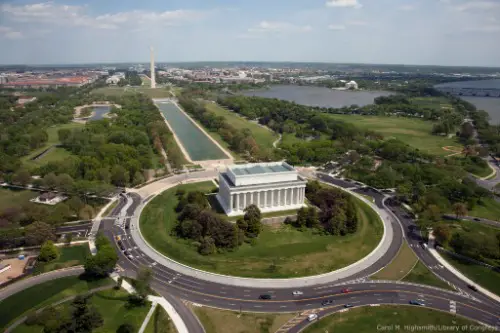
Visitors experience the National Mall as a powerful walk through American history. Monuments and memorials sit within easy walking distance of one another. Smithsonian museums offer free access to world-class exhibits. The setting feels monumental, symbolic, and deeply memorable.
Locals see it as both a landmark and a busy civic space. It’s often filled with school groups, protests, and major public events. Residents visit museums selectively rather than touring them all at once. The Mall is part of daily city life, not just a sightseeing checklist.
7. Bourbon Street
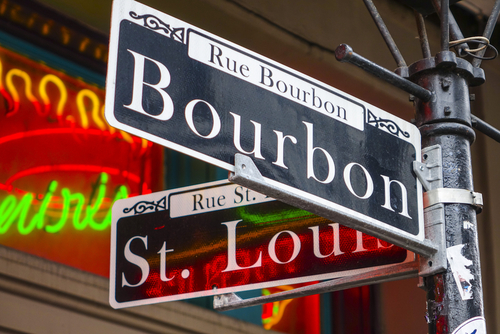
Visitors picture Bourbon Street as the heart of New Orleans nightlife. Neon signs, live music, and open-air bars create a constant party atmosphere. The street feels loud, celebratory, and unapologetically festive. It’s a bucket-list stop during Mardi Gras and weekend trips alike.
Locals often prefer other neighborhoods for music and socializing. They know Frenchmen Street and local venues offer more authentic live performances. Bourbon Street can feel geared toward short-term visitors and bachelor parties. Many residents only go when entertaining guests.
8. Navy Pier
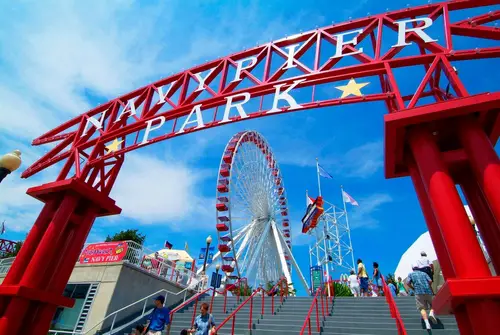
Visitors enjoy Navy Pier for lakefront views and family-friendly attractions. The Ferris wheel and boat tours make it feel like a waterfront festival. Fireworks shows in summer add extra excitement. It’s an easy place to spend a relaxed day by the water.
Locals sometimes see it as more tourist-focused than neighborhood-centered. Restaurants and shops can be pricier than spots elsewhere in the city. Residents often prefer lakefront trails and local beaches nearby. Navy Pier is pleasant, but not usually their first choice.
9. Pike Place Market
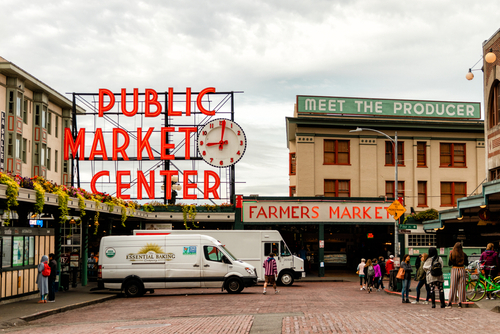
Visitors love Pike Place Market for its lively stalls and flying fish tradition. The historic arcade feels charming and distinctly Pacific Northwest. Local vendors sell produce, flowers, and handmade goods in a bustling setting. It’s colorful, energetic, and full of photo opportunities.
Locals appreciate it but shop strategically to avoid peak crowds. Many residents visit during off-hours for specialty ingredients and favorite vendors. They know it’s both a working market and a major attraction. It’s part daily errand space, part global landmark.
10. South Beach
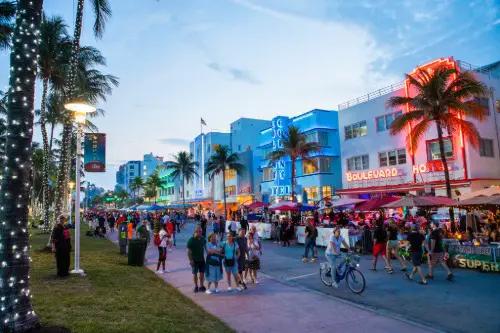
Visitors see South Beach as a stylish blend of sand, nightlife, and Art Deco flair. Ocean Drive’s pastel buildings feel straight out of a movie scene. The beach culture mixes sunbathing, people-watching, and high-energy parties. It’s glamorous and visually distinctive.
Locals experience it as a small slice of a much larger metro area. Traffic congestion and parking challenges can outweigh the novelty. Residents often choose quieter beaches and neighborhood dining spots. South Beach is fun, but not their everyday Miami.
11. The Alamo
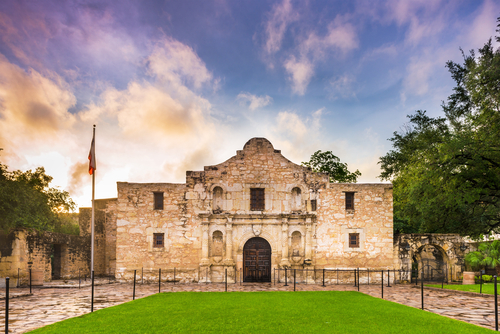
Visitors approach the Alamo expecting a massive frontier fortress. Its role in Texas history gives it an almost mythic presence. The preserved mission buildings make the past feel tangible. It’s a meaningful and educational stop.
Locals know it’s historically significant but physically modest in size. Many grew up visiting on school field trips. The surrounding downtown bustle contrasts with its solemn legacy. Residents see it as a respected landmark woven into daily city life.
12. Beale Street
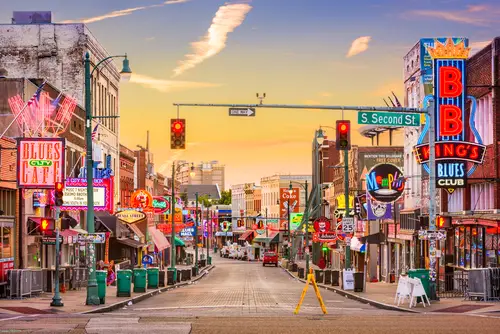
Visitors come to Beale Street chasing blues history and live music energy. Neon lights and historic clubs create a nostalgic nightlife vibe. The street feels like a living tribute to Memphis’s musical roots. It’s lively, walkable, and packed with venues.
Locals enjoy it but don’t treat it as their only music option. Neighborhood bars and smaller venues host strong local talent. Beale Street can feel concentrated and visitor-heavy on weekends. Residents dip in and out rather than spending entire evenings there.
13. Mall of America
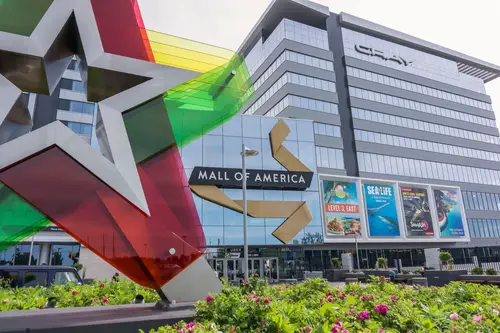
Visitors see the Mall of America as a supersized retail and entertainment destination. An indoor theme park and aquarium set it apart from typical malls. The sheer scale makes it feel like an attraction, not just a shopping center. Families can easily spend a full day inside.
Locals often treat it like a practical shopping hub with extras. Many stop by for specific stores, errands, or weather-proof walks. The novelty fades when it’s part of your regular routine. It becomes convenient rather than astonishing.
This post Places Across the U.S. That Locals See Very Differently Than Visitors was first published on American Charm.

