1. Waxahachie
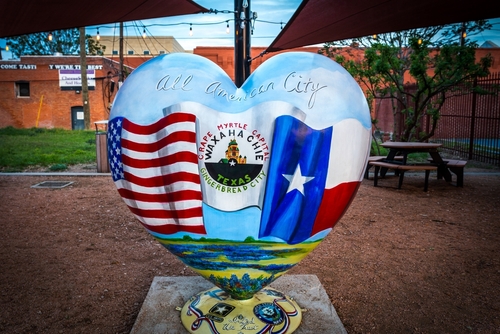
Waxahachie is known for its elaborate Victorian and Richardsonian Romanesque architecture. The Ellis County Courthouse stands out as one of the most ornate in Texas. Surrounding streets feature preserved homes with intricate woodwork and period details. Walking here feels like entering the early 1900s.
Downtown storefronts maintain historic brickwork and tall display windows. Festivals and community events often center around the original town square. Preservation efforts keep modern structures from disrupting the historic core. It’s a showcase of architectural history that still functions as a living town.
2. Fredericksburg
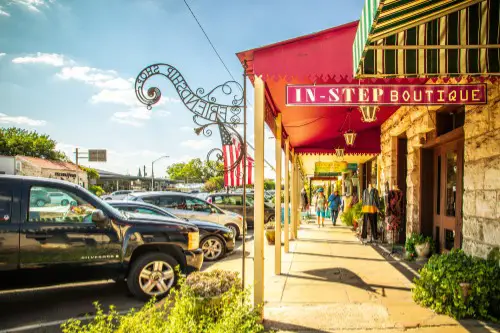
Fredericksburg blends German heritage and Texas Hill Country scenery in a way that still feels deeply authentic. Many original Sunday houses and limestone buildings remain intact along Main Street. The town’s street layout and architecture reflect its 1846 founding by German immigrants. Even newer businesses operate behind carefully preserved historic fronts.
It’s easy to picture horse-drawn wagons passing through the heart of town. Traditional bakeries, beer gardens, and family-run shops continue long-standing cultural traditions. Strong historic district protections keep modern construction from clashing with the old-world look. The result is a place that feels genuinely preserved rather than newly themed.
3. Granbury
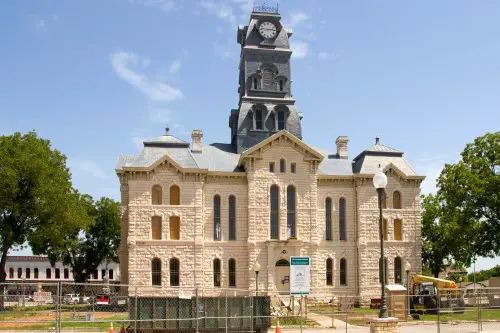
Granbury’s courthouse square is one of the best-preserved town centers in Texas. The 1891 Hood County Courthouse anchors a ring of historic commercial buildings. Many storefronts still feature original details like arched windows and decorative brickwork. Walking the square feels surprisingly close to how it might have looked a century ago.
Local theaters, cafés, and shops operate inside these carefully restored spaces. Even the lakefront areas avoid high-rise development that would disrupt the skyline. The historic opera house still hosts performances, keeping a 19th-century tradition alive. It’s the kind of town where preservation clearly shaped every planning decision.
4. Goliad
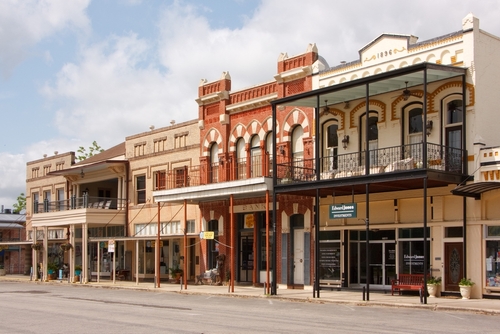
Goliad is one of the oldest communities in Texas, and it absolutely shows in the best way. Spanish colonial history is still visible in the town’s architecture and layout. The Presidio La Bahía and nearby mission grounds remain remarkably intact. You don’t have to imagine history here because you’re standing in it.
The downtown area stays quiet and low-key, without modern visual clutter. Historic homes and simple storefronts line streets that feel frozen in time. There’s very little large-scale development to interrupt the setting. If early Texas history fascinates you, Goliad feels like an open-air archive.
5. Lockhart
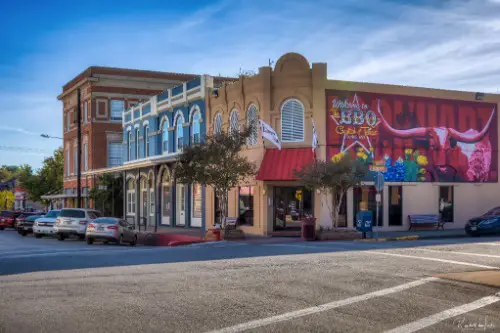
Lockhart is famous for barbecue, but its historic square deserves just as much attention. The Caldwell County Courthouse dominates the skyline with grand Second Empire architecture. Surrounding buildings date back to the late 1800s and early 1900s. Many still house family-owned businesses that have operated for decades.
The streetscape feels cohesive and carefully preserved. Neon signs and restored brick façades maintain a mid-century Texas vibe. Even the classic barbecue joints operate in historic buildings rather than new construction. It’s easy to picture cattle drives and railroad days while walking around.
6. Marfa
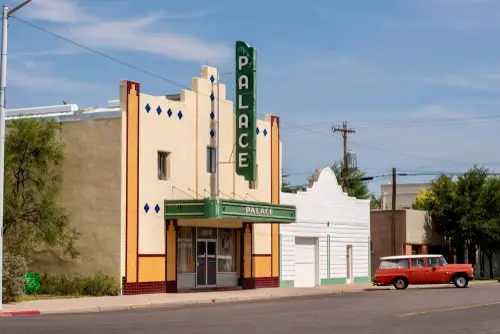
Marfa’s quiet desert setting helps preserve its early 20th-century character. Originally a railroad water stop, many of its historic buildings remain in daily use. Old storefronts, hotels, and homes keep their simple West Texas look. The wide streets and low skyline still match archival photos.
While it’s known today for contemporary art, the town itself never lost its original bones. Minimal commercial sprawl keeps views open and uncluttered. Historic adobe and brick structures dominate the landscape. Marfa feels like a railroad town that time politely stepped around.
7. Nacogdoches
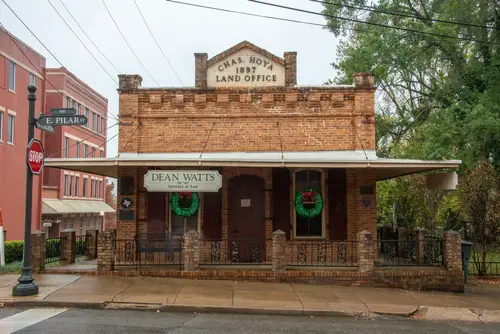
As the oldest town in Texas, Nacogdoches carries its age with pride. Red-brick streets and historic buildings define its downtown district. Many structures date back to the 19th century and remain carefully maintained. The town’s layout still reflects its early Spanish and frontier roots.
Locally owned shops and cafés fill spaces that once served early settlers. Preservation efforts keep modern architecture from overpowering historic blocks. Even street lighting and public spaces complement the vintage aesthetic. It feels lived-in rather than redesigned.
8. Port Isabel
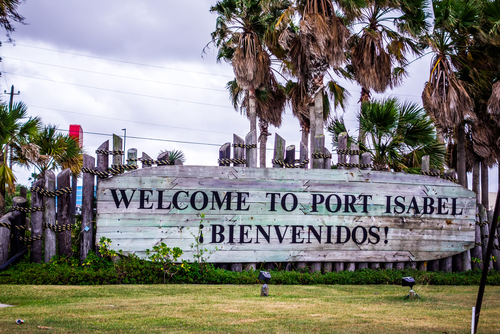
Port Isabel retains the feel of a classic Gulf Coast fishing village. Weathered cottages, shrimp boats, and coastal cottages shape the scenery. The historic lighthouse still stands as the town’s defining landmark. You get strong Old Texas seaside energy the moment you arrive.
Tourism exists, but it hasn’t erased the working-waterfront atmosphere. Many buildings maintain their simple wood-frame construction and pastel exteriors. The compact downtown remains walkable and visually consistent. It’s a refreshing contrast to heavily developed beach destinations nearby.
9. Alpine
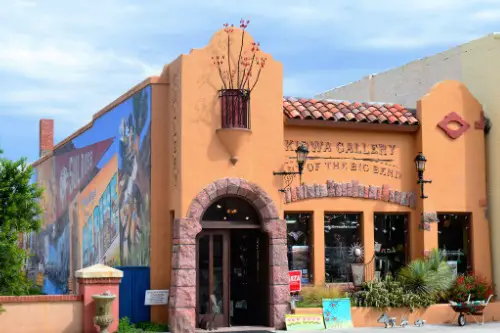
Alpine’s historic railroad roots are still visible throughout town. Early 1900s commercial buildings line the main streets with preserved façades. The skyline remains low, keeping mountain views unobstructed. Murals and vintage signage add to the timeless feel.
The pace here is unhurried and community-focused. Local businesses operate in long-standing locations rather than modern complexes. Classic hotels and storefronts maintain their original architectural character. Alpine feels steady, grounded, and comfortably unchanged.
10. Brenham
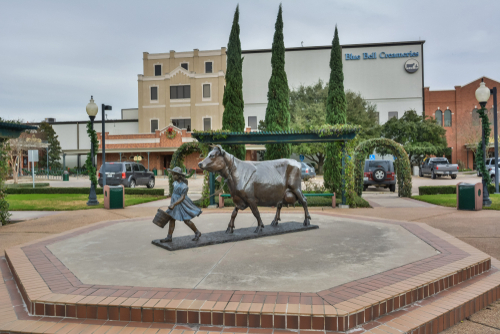
Brenham’s downtown square is filled with late 19th-century architecture. Restored brick buildings and decorative cornices give the area visual continuity. Antique streetlights and preserved façades reinforce the historic mood. It’s the kind of place where modernization stayed subtle.
Shops and restaurants occupy buildings that have served the community for generations. Painted signage and display windows keep an old-fashioned charm alive. Even new businesses tend to preserve historic design elements. The overall look feels cohesive rather than redeveloped.
11. Jefferson
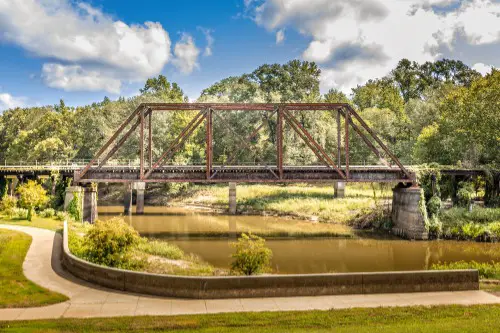
Walking into Jefferson feels like stepping onto the set of a period film, except it’s all wonderfully real. The brick streets, ornate iron balconies, and preserved 19th-century storefronts give the downtown a distinctly pre-automobile charm. Riverboat history still lingers here because the town boomed as a major inland port on Big Cypress Bayou. You can tour historic homes and small museums that still look much like they did generations ago.
Nothing about Jefferson feels rushed or over-modernized. Antique shops fill buildings that once housed general stores, pharmacies, and saloons. Vintage signage and classic façades keep the visual atmosphere rooted in another era. If you want East Texas history that hasn’t been smoothed into something glossy, this town delivers.
This post These Small Towns in Texas Still Look Exactly Like They Did Decades Ago was first published on American Charm.