
1. Fixing Household Appliances
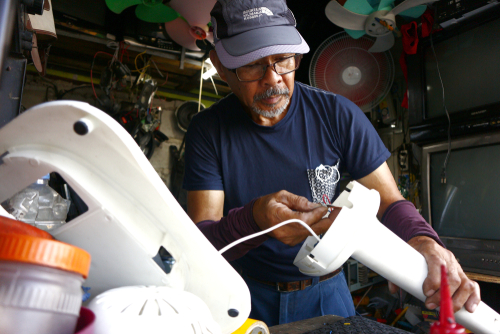
If a washing machine stopped spinning or a toaster quit heating, people tried to repair it first. Appliance repair shops were common, and home service calls were normal. Replacing a small part could bring a machine back to life. It felt wasteful to discard something built to last.
Appliances were often made with metal components and mechanical controls. These designs made diagnosing and repairing problems more straightforward. Replacement parts were widely available through catalogs and local dealers. Many households kept appliances running for decades with occasional fixes.
2. Resoling Leather Shoes
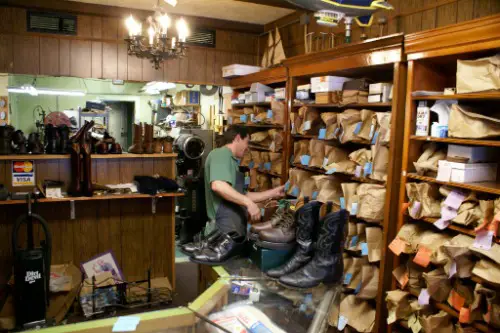
Quality leather shoes were considered long-term investments, not disposable fashion. When the soles wore thin, people visited a local cobbler instead of buying a new pair. A fresh sole made the shoes feel nearly new again. It was far cheaper than replacing well-made footwear.
Older shoes were often built with stitched construction that allowed easy repairs. Brands emphasized durability, and people expected to wear the same pair for years. Repair shops were common in downtown business districts and neighborhood strips. Maintaining shoes was simply part of normal upkeep, like oil changes for cars.
3. Mending Torn Clothing
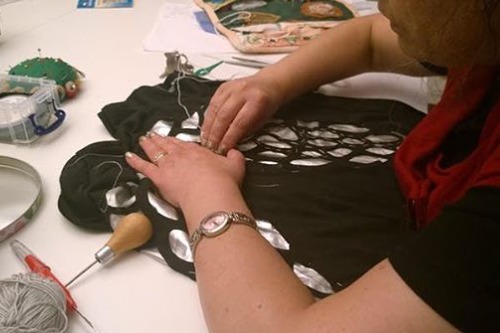
A ripped seam or torn knee didn’t automatically retire a garment. Families kept sewing kits handy for quick repairs after school or work. Basic stitching was considered an everyday life skill. Fixing clothes helped households stretch limited budgets.
Fabric used to be sturdier, so repairs actually held and looked decent. Parents patched children’s jeans repeatedly as they grew. Visible mending wasn’t embarrassing; it was practical. Clothes lasted longer because people maintained them instead of cycling through fast fashion.
4. Rebuilding Car Engines
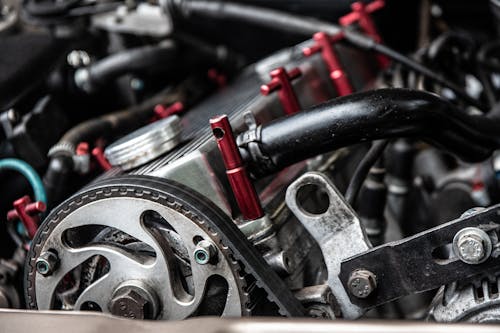
When an engine started knocking or burning oil, many owners chose rebuilding over replacement. Mechanics could disassemble the engine, replace worn components, and reassemble it to working order. This was especially common when new cars were expensive or hard to get. A rebuild often restored performance at a fraction of the cost of a new vehicle.
Earlier cars were designed with serviceability in mind, making major repairs more practical. Engine bays had more space, and parts were more standardized. Skilled local mechanics routinely handled complex overhauls. Drivers expected cars to last well past 100,000 miles with proper maintenance.
5. Darning Socks Instead of Tossing Them
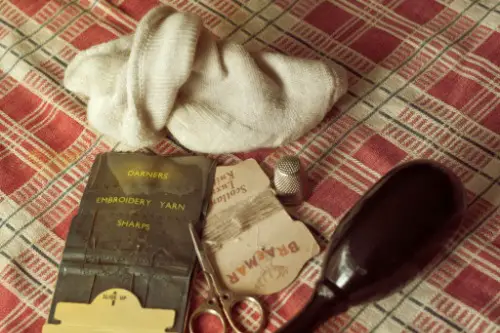
There was a time when a hole in a sock didn’t mean a trip to the trash can. People pulled out a needle, some thread, and maybe a darning egg and got to work. It was a simple skill many learned from parents or grandparents. Fixing socks saved money when clothing budgets were tight.
Wool and cotton socks used to be thicker and more expensive than today’s bulk multipacks. Repairing them could extend their life by months or even years. During the Great Depression and World War II, conserving textiles was also seen as patriotic. Even kids were taught that a few careful stitches beat wasting good fabric.
6. Rewiring Lamps and Small Electronics

A flickering lamp usually meant a frayed cord or worn socket, not the end of its life. Hardware stores sold affordable rewiring kits with plugs, cords, and fittings. People learned to replace the wiring safely at the kitchen table. It was a quick project that saved a perfectly good fixture.
Small electronics were also more repair-friendly than many are today. Screws and modular parts made them easier to open and service. Repair manuals and diagrams were commonly available. Fixing simple electrical issues felt manageable, not intimidating.
7. Patching Bicycle Tires

A flat tire didn’t sideline a bike for long. Riders carried patch kits with rubber cement and patches for the inner tube. Finding the leak and sealing it became a routine skill. It was cheaper and faster than buying a new tube every time.
Bicycles were essential transportation for many kids and adults. Frequent riding meant punctures were inevitable. Repairing tubes extended their usefulness through many flats. Learning the process was almost a rite of passage for young riders.
8. Refinishing Wood Furniture
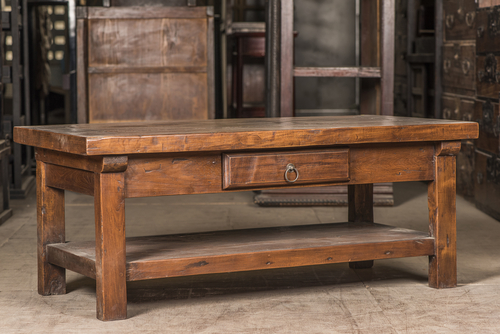
Scratches and worn finishes didn’t doom a table or dresser. People sanded surfaces and applied fresh stain or varnish. Solid wood furniture responded well to careful refinishing. The piece often looked refreshed rather than replaced.
Furniture used to be built from hardwoods instead of particleboard. That made restoration worthwhile and structurally sound. Families passed pieces down through generations. Refinishing preserved both function and sentimental value.
9. Reglazing Windows

Drafty windows didn’t always mean full replacement. Homeowners removed old glazing putty and applied fresh compound around the glass panes. This sealed gaps and improved insulation. It was a practical seasonal maintenance task.
Older homes commonly had single-pane wooden sash windows. Reglazing extended the life of the original materials. The process required patience but minimal specialized tools. Maintaining windows was part of routine home care.
10. Sharpening Knives and Tools
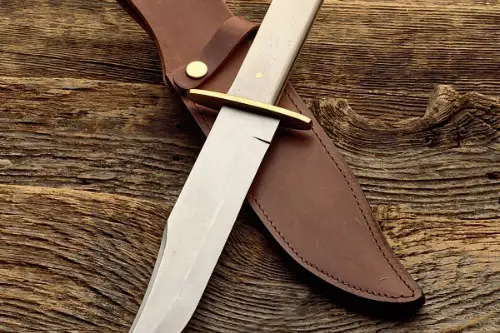
Dull blades weren’t thrown away without a second thought. People used whetstones, honing steels, or files to restore sharp edges. A well-maintained blade worked better and lasted longer. Regular sharpening became part of kitchen and workshop habits.
Quality tools were expected to serve for years. Replacing them frequently was unnecessary and costly. Sharpening also improved safety by reducing slippage. Many households kept sharpening tools alongside the tools themselves.
11. Repairing Watches and Clocks
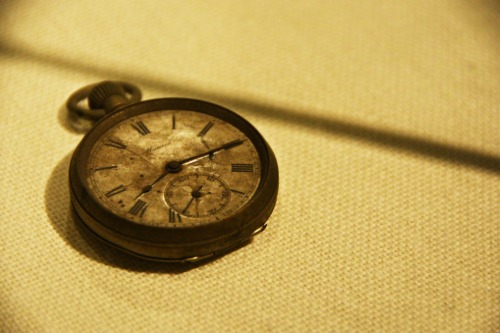
When a watch stopped ticking, owners took it to a repair shop. Watchmakers cleaned gears, replaced springs, and restored precise movement. Mechanical timepieces were designed to be serviced. Repairing them preserved both function and craftsmanship.
Watches and clocks were meaningful purchases and often gifts. Keeping them running carried sentimental importance. Skilled repair professionals were found in many towns. Regular maintenance kept these timepieces accurate for decades.
12. Reupholstering Furniture
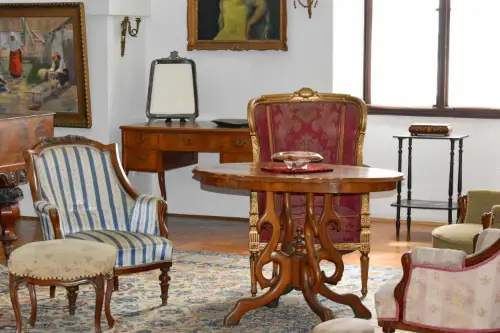
A sagging couch didn’t automatically head to the curb. Upholsterers replaced worn fabric, padding, and springs. The furniture frame stayed intact while the exterior was refreshed. This approach cost less than buying a new high-quality piece.
Older sofas and chairs were built with sturdy wooden frames. That durability made refurbishment worthwhile. People could update styles without sacrificing structure. Reupholstering extended comfort and preserved well-made furniture.
This post Things Americans Used to Fix Instead of Replacing was first published on American Charm.

