
1. Fax Machine
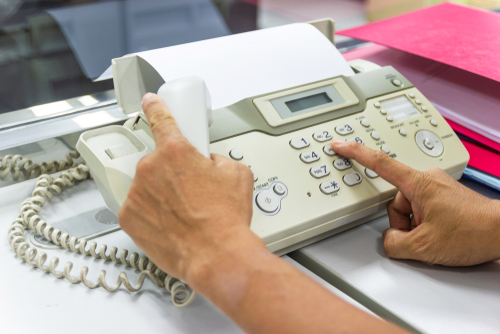
There was a time when sending a signed document across town meant feeding paper into a noisy machine and praying the line didn’t drop. Offices relied on faxing for contracts, forms, and anything that needed a signature fast. It solved the “how do I send this right now” problem decades before email attachments were common. Companies like Xerox helped make fax machines a workplace staple.
Today, scanners and PDFs travel instantly by email, and digital signatures are legally accepted in many places. The urgency that once justified a dedicated phone line has mostly disappeared. Fax still exists in some industries, but for most people it’s background noise from another era. The problem it solved—rapid document delivery—is now handled faster and cheaper online.
2. Rolodex
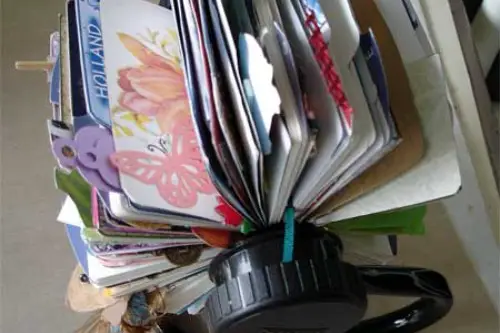
If you worked an office job before smartphones, you probably had a spinning card file on your desk. A Rolodex kept business contacts organized alphabetically so you could flip to a name in seconds. It was simple, tactile, and surprisingly efficient for networking-heavy work. The brand became so iconic that Rolodex turned into a generic term.
Now every phone automatically builds a searchable contact list that syncs across devices. You don’t rewrite cards when someone changes jobs or numbers anymore. Cloud backups also mean you don’t lose everything if your desk gets messy. The modern contact app quietly erased the need for physical card systems.
3. Paper Road Atlas
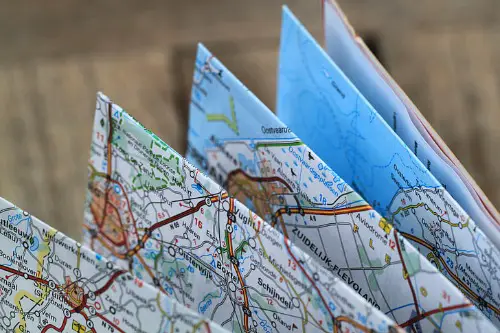
Long drives once started with a folded map sprawled across the passenger seat. Drivers highlighted routes, estimated mileage, and hoped they didn’t miss an exit. These atlases solved the “how do we get there” problem before satellites guided us turn by turn. Publishers like Rand McNally were road trip essentials.
Smartphone navigation now recalculates instantly if you take a wrong turn. Live traffic data helps you avoid jams that paper could never predict. Spoken directions also let drivers keep their eyes on the road. Physical atlases still feel nostalgic, but they’re no longer necessary for navigation.
4. Portable GPS Unit
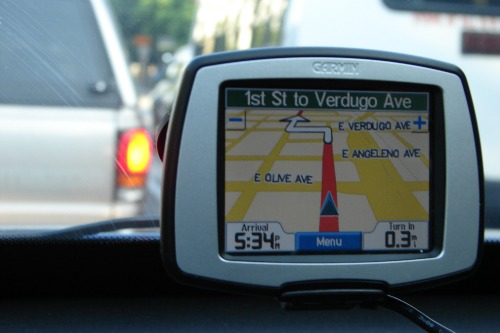
Before phones did everything, many dashboards had a suction-cupped navigation device. Portable GPS units gave real-time directions without needing cell service. They were lifesavers for travelers, delivery drivers, and anyone directionally challenged. Brands like Garmin dominated this space.
Then smartphones bundled GPS, maps, and internet into one pocket device. Free apps updated maps constantly and added traffic awareness. Carrying a separate navigator started to feel redundant. The single-purpose gadget lost to the all-in-one phone.
5. Pagers
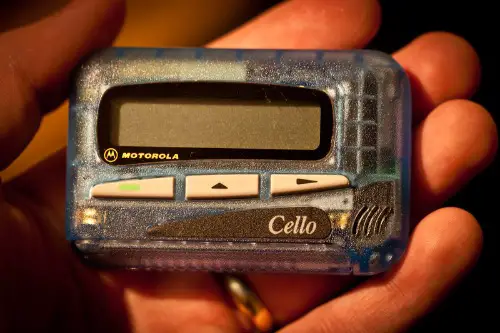
If you wanted someone urgently in the 90s, you beeped them. A pager displayed a phone number so the person could find a landline and call back. It solved immediate contact when mobile phones were rare and expensive. Tech companies like Motorola made them ubiquitous.
Mobile phones eventually removed the middle step of “page then call.” Text messaging made quick notes possible without voice calls. Smartphones then layered apps, media, and internet on top. Outside of a few specialized fields, pagers became obsolete.
6. Phone Books

Finding a business once meant flipping through a thick printed directory. These books organized local listings alphabetically with phone numbers and addresses. They solved discovery in a pre-search-engine world. Directories like Yellow Pages were household fixtures.
Search engines now return results instantly with reviews and maps included. You can filter by hours, ratings, and distance in seconds. Printed listings also couldn’t update quickly when businesses changed. The internet replaced bulky directories with dynamic search.
7. Standalone Alarm Clock

Bedside tables used to glow with red LED numbers all night. Dedicated alarm clocks made sure you woke up on time without fail. They were reliable, loud, and didn’t depend on battery-hungry gadgets. Electronics brands like Sony sold millions.
Smartphones absorbed this job along with calendars and reminders. You can now set multiple alarms, custom tones, and smart wake windows. Travel got easier because one device handled everything. The single-purpose clock became optional.
8. Address Book
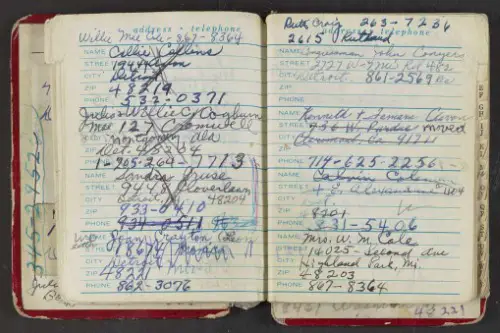
People once kept personal contact details in small notebooks. Names, addresses, birthdays, and phone numbers lived in careful handwriting. It solved the memory problem before digital storage was everywhere. Many office versions were popularized by Filofax.
Digital contacts now sync automatically across phones and computers. Updates don’t require erasing ink or squeezing margins. Search bars also beat flipping pages letter by letter. Paper address books faded as digital convenience grew.
9. Film Camera
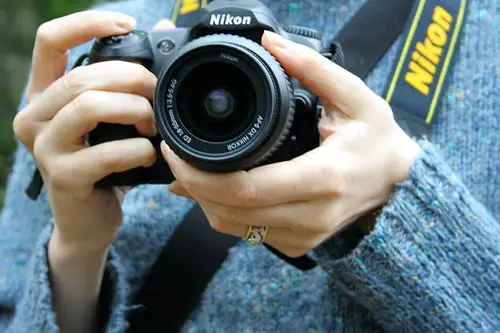
Capturing memories used to require rolls of light-sensitive film. You had limited shots, no previews, and a wait for development. Film cameras solved portable photography long before sensors went digital. Brands like Kodak defined the experience.
Digital cameras and phones now show photos instantly. Storage limits are huge compared to 24-exposure rolls. Editing also happens in seconds instead of darkrooms. The everyday need for film largely vanished.
10. USB Flash Drive
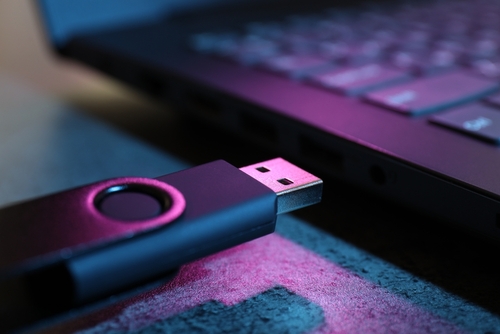
Passing files around once meant carrying a tiny stick on your keychain. Flash drives were faster and more durable than CDs for moving documents. They solved offline file transfer between computers. Storage leaders like SanDisk made them mainstream.
Cloud storage now syncs files automatically across devices. Sharing a link replaces physically handing something over. Version history also prevents “final_final_v3” chaos. The pocket drive is handy, but no longer essential.
11. Paper Dictionary

Looking up a word once required flipping through onion-skin pages. Dictionaries organized language in a reliable, authoritative format. They solved spelling disputes and meaning questions offline. Publishers like Merriam-Webster sat on countless shelves.
Online dictionaries now deliver instant definitions and pronunciations. Search bars beat scanning tiny guide words at the page top. Updates also happen continuously as language evolves. The heavy reference book became mostly digital.
This post Everyday Tools That Solved Problems People Don’t Have Anymore was first published on American Charm.

