
1. Drive-In Movie Nights
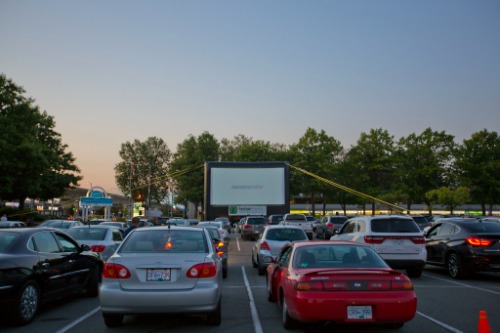
Before streaming queues and megaplex recliners, piling into the family car for a drive-in was a full evening ritual. Families packed blankets, kids in pajamas dozed in the back seat, and tinny window speakers crackled to life as the sun went down. At their peak in the 1950s, thousands of drive-ins dotted the country, especially outside small towns and suburbs. Today only a few hundred survive, squeezed out by real estate costs, weather dependency, and at-home entertainment.
There was something uniquely communal about watching a film under open skies with rows of glowing windshields. Teenagers treated it like a semi-private hangout, while parents appreciated an affordable night out. As indoor theaters modernized and suburban land values soared, many drive-ins were sold off and redeveloped. What remains feels more like a novelty experience than a normal Friday night plan.
2. Roller Skating Rink Evenings

Roller rinks once served as social hubs where music, motion, and teen freedom blended perfectly. Weekend “skate nights” were staples in the 1970s through the 1990s, complete with disco balls and themed playlists. Birthday parties, school fundraisers, and first dates often happened under neon lights on polished wood floors. Many rinks have since closed due to rising property costs and competition from digital entertainment.
The appeal was simple because skating didn’t require elite skill to enjoy. You could circle slowly with friends or show off tricks during open-floor moments. As youth culture shifted toward online spaces and organized sports leagues, casual drop-in activities lost ground. Surviving rinks now operate in fewer communities and rely heavily on nostalgia events.
3. Saturday Morning Cartoon Blocks on Broadcast TV

For decades, kids woke up early on Saturdays to watch hours of cartoons on major networks. It was one of the few times children’s programming dominated broadcast schedules, creating a shared weekly ritual. Networks like ABC, CBS, and NBC competed for young viewers with colorful lineups and toy commercials. That tradition largely ended in the 2010s as networks exited the format.
Cable channels and streaming platforms changed how kids watch shows by making them available anytime. Federal educational programming requirements also reshaped weekend schedules toward informational content. Without appointment viewing, the collective excitement of “don’t miss it” mornings disappeared. What used to be a cultural touchstone became an on-demand afterthought.
4. Collecting Stamps as a Hobby
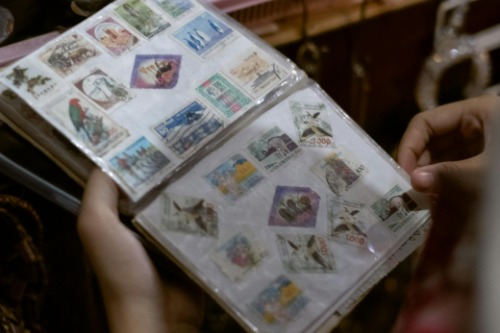
Stamp collecting once ranked among the most popular hobbies in the United States. Kids and adults carefully soaked stamps off envelopes and organized them in detailed albums. The pastime combined history, geography, and design appreciation in a quiet, focused activity. Interest declined as personal mail volume dropped and digital communication replaced letters.
The thrill used to come from finding rare issues or international stamps from distant places. Stamp clubs and trade shows were common community gatherings for enthusiasts. As email and online billing reduced physical mail, new collectors became harder to find. The hobby still exists, but its mainstream presence has faded dramatically.
5. Calling Radio Stations to Request Songs

Listeners once phoned local stations hoping to hear their favorite track on air. DJs took live requests, read dedications, and created a sense of personal connection. Waiting by the radio to record a song onto cassette tapes was a familiar ritual. Streaming services now deliver instant access without the uncertainty.
This shift removed the social layer that made radio feel interactive and local. Algorithms replaced human hosts as the primary music curators for many listeners. Music discovery became more efficient but less communal. Call-in culture survives mostly in talk radio rather than music programming.
6. Mall Cruising Without Shopping
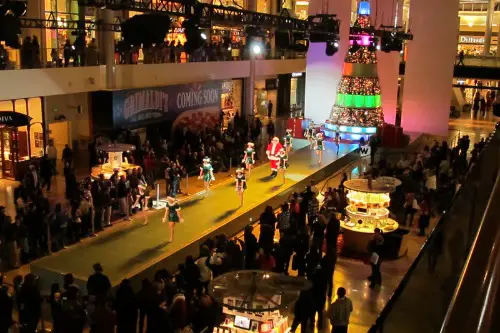
Teenagers used to roam shopping malls simply to socialize, not necessarily to buy anything. Food courts, arcades, and storefront window displays created climate-controlled hangout spaces. Parents saw malls as relatively safe environments for independent teen outings. Declining mall traffic and store closures reshaped that culture.
Online shopping reduced the need for casual in-person browsing. Many malls downsized or shut down as anchor department stores closed. Social media and gaming platforms replaced physical meetups for many friend groups. What was once a rite of passage became far less common.
7. Door-to-Door Sales Visits
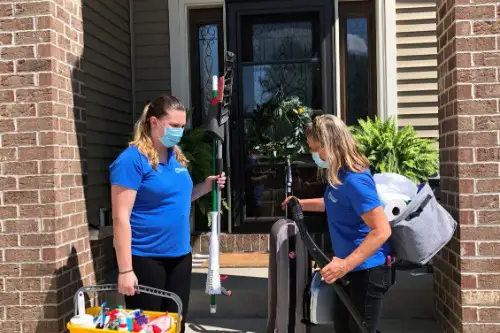
Salespeople once regularly knocked on doors selling encyclopedias, vacuum cleaners, and household goods. Companies relied on face-to-face persuasion and in-home product demonstrations. It was common enough that families expected unsolicited pitches during dinner hours. The model declined with telemarketing, e-commerce, and shifting privacy norms.
Consumers grew less comfortable letting strangers into their homes. Online reviews and comparison shopping reduced reliance on in-person persuasion. High travel and labor costs also made the approach less practical for companies. Today it survives mostly in limited niches like home improvement estimates.
8. Backyard Clothesline Drying
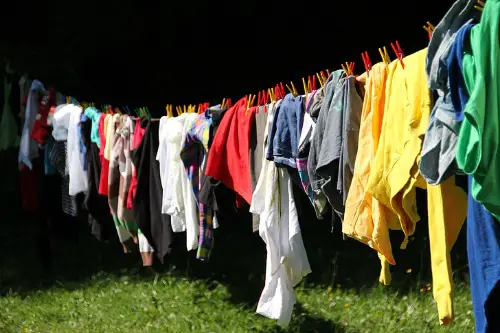
Hanging laundry outdoors used to be routine in American neighborhoods. Clotheslines saved electricity and left fabrics smelling sun-dried and fresh. Many households considered it a normal chore rather than an environmental statement. Electric dryers and housing rules gradually reduced the practice.
Homeowners associations and apartment regulations sometimes restrict outdoor lines for aesthetic reasons. Convenience also plays a role because dryers are faster and weather-independent. Energy efficiency improvements made machine drying more accessible year-round. Air-drying remains common in some regions but is far less universal.
9. Amateur Ham Radio Operating

Ham radio once connected hobbyists across states and continents through voice transmission. Operators built equipment, learned radio theory, and earned licenses to use designated frequencies. It played important roles in community building and emergency communication networks. Interest declined as internet communication became easier and more versatile.
Younger generations gravitated toward digital platforms offering instant global contact. The technical barrier to entry also discouraged casual newcomers. While still active, the community is smaller and older than in its peak decades. Modern emergency systems reduced reliance on volunteer radio networks.
10. Home Movie Nights with VHS Rentals
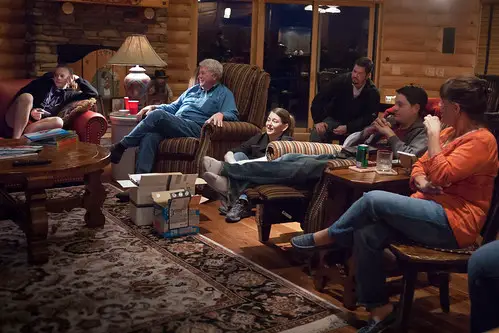
A trip to the video rental store used to be the gateway to weekend entertainment. Families browsed shelves, debated picks, and rushed to return tapes before late fees. Chains like Blockbuster became cultural landmarks in towns nationwide. Streaming eliminated the need for physical rentals almost entirely.
The ritual mattered as much as the movie itself. Limited stock meant popular titles sometimes required waiting lists. Physical media also demanded rewinding and careful handling. Digital libraries replaced inconvenience with instant access.
11. Community Bingo Halls as Social Anchors
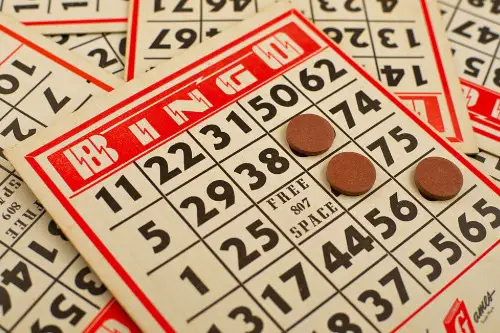
Local bingo halls once served as regular gathering places, especially for seniors and church groups. Weekly games combined light competition with dependable social time. Fundraisers and charity events often centered around packed bingo nights. Attendance fell as alternative entertainment options expanded.
State lotteries and casino gaming changed how people engaged with chance-based games. Transportation challenges and aging facilities also reduced participation. Younger audiences rarely adopted the habit in the same numbers. Many halls closed or shifted to occasional events rather than weekly staples.
This post Once-Popular American Pastimes That Have Almost Completely Faded was first published on American Charm.

