
1. The rise of television turned evenings into “stay-at-home” entertainment
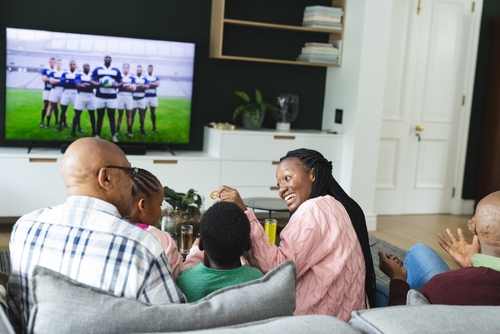
Before the 1950s, a lot of American leisure happened outside the house. Families went to movie theaters, community dances, bowling alleys, and neighborhood events because there weren’t many entertainment options at home. Then television ownership exploded after World War II, going from a novelty to a near-universal household appliance by the end of the decade. Suddenly, people could be entertained without leaving their living rooms.
This didn’t just add another activity—it reorganized how Americans spent their evenings. Prime-time programming encouraged families to plan their nights around shows, from sitcoms to variety programs. Social habits gradually shifted as staying home became a normal way to relax. Over time, television also influenced everything from sports viewing to holiday traditions.
2. The interstate highway system made road trips a national pastime

When the federal government began building the Interstate Highway System in 1956, it dramatically reshaped how Americans traveled for fun. Long drives that once took days on winding roads became faster, safer, and more predictable. Families could pile into the car and explore destinations hundreds of miles away. The idea of the “road trip vacation” started to feel practical rather than adventurous.
As highways connected cities, they also created a new landscape of roadside attractions. Motels, diners, national parks, and theme parks became part of the travel culture. Weekend getaways became easier for middle-class families with cars. The result was a shift toward mobility as a core part of American leisure.
3. Suburbanization changed where people socialized
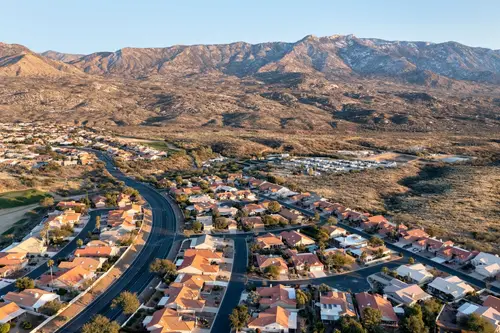
After World War II, millions of Americans moved from dense urban neighborhoods into growing suburbs. These communities often had larger homes, private yards, and quieter streets. Leisure activities naturally shifted toward home-centered gatherings like backyard barbecues and neighborhood block parties. Instead of meeting in city clubs or public venues, people increasingly entertained at home.
Suburbs also created new types of recreational spaces. Shopping malls, Little League fields, and community pools became hubs for weekend fun. Teenagers hung out in parking lots or food courts instead of downtown streets. Over time, the geography of fun moved closer to where people lived.
4. The rise of youth culture reshaped entertainment

In the 1950s and 1960s, teenagers began to emerge as a distinct cultural group with their own tastes. Music, movies, and fashion started targeting younger audiences rather than families as a whole. Rock and roll concerts, drive-in theaters, and record collecting became defining leisure activities. For the first time, youth entertainment was big business.
This shift changed how Americans defined fun across generations. Teenagers spent more time with peers rather than family members during their free time. Activities like cruising in cars or attending concerts became social rituals. Over the decades, youth culture continued shaping trends from video games to social media.
5. Cable television expanded the number of things to watch

For decades, most Americans only had a handful of broadcast channels. That meant people tended to watch the same shows at the same time, creating shared cultural moments. When cable television spread widely in the 1980s and 1990s, the number of channels exploded. Suddenly there were networks dedicated to sports, cooking, music videos, and niche hobbies.
This variety fragmented how people spent their leisure time. Instead of everyone watching the same programs, viewers could follow their personal interests. Cable also encouraged longer stretches of at-home entertainment, from movie marathons to all-day sports coverage. It quietly shifted leisure from communal viewing to individualized habits.
6. Home video made movie night a living-room tradition
The arrival of VHS players in the late 1970s and early 1980s changed the relationship between Americans and movies. Instead of waiting for films to return to theaters or appear on TV, people could rent them at local video stores. Friday night trips to pick out tapes became a ritual in many communities. It turned movie watching into an at-home social event.
This technology also gave people control over when they watched things. Pausing, rewinding, and rewatching favorite scenes became normal behaviors. Families and friends could gather around the television for informal movie nights. Over time, that habit paved the way for today’s streaming culture.
7. Video games created a new kind of interactive entertainment
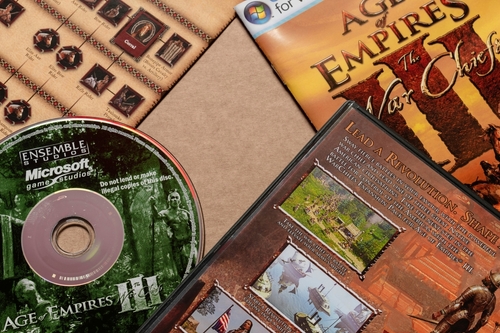
Arcade games started gaining popularity in the late 1970s, but home consoles in the 1980s made gaming a regular pastime. Systems like the Atari 2600 and later Nintendo consoles brought interactive entertainment into living rooms. Instead of passively watching TV, players could participate in the action. For many kids and teenagers, gaming quickly became a central hobby.
Video games also reshaped social play. Friends gathered around consoles to compete or take turns beating levels. Later innovations like online multiplayer turned gaming into a networked social activity. What began as a niche pastime eventually became one of the largest entertainment industries in the country.
8. The fitness boom turned exercise into leisure

In earlier decades, exercise was often tied to sports teams or physical labor rather than personal recreation. That changed during the late 1970s and 1980s when jogging, aerobics classes, and health clubs surged in popularity. Fitness icons and workout videos made exercise feel fashionable. Many Americans started seeing working out as something you did for fun, not just health.
Gyms became social environments as well as workout spaces. Group classes, running clubs, and spin sessions created communities around physical activity. People scheduled their free time around workouts the way they once scheduled other hobbies. Today, fitness culture remains a major part of leisure for millions of Americans.
9. The internet transformed how people spend free time

When home internet access expanded in the 1990s, it introduced entirely new ways to relax and socialize. People began browsing websites, joining online forums, and chatting in early messaging programs. For the first time, entertainment could happen in a digital space rather than a physical one. Free time increasingly involved sitting at a computer.
This shift grew even more dramatic with broadband connections in the 2000s. Streaming video, online gaming, and endless content made the internet a central leisure platform. People could watch shows, learn hobbies, or socialize without leaving home. The line between entertainment and everyday digital life started to blur.
10. Smartphones turned idle moments into entertainment time
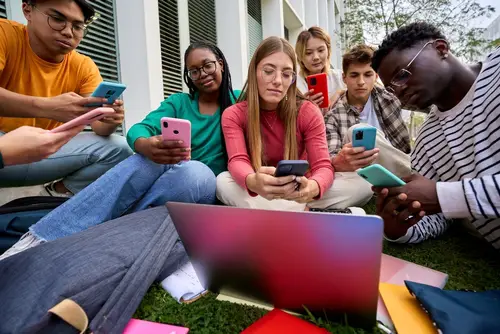
When smartphones became common after the late 2000s, they changed how Americans used small pockets of time. Waiting in line, riding the bus, or sitting in a waiting room suddenly came with built-in entertainment. Games, social media apps, and streaming video were always within reach. Leisure stopped being limited to specific locations or times.
This portability reshaped habits in subtle ways. People began checking their phones during commercials, conversations, and breaks at work. Short bursts of entertainment replaced longer, uninterrupted sessions. Over time, fun became something people could access almost anywhere.
11. Social media turned everyday life into shared entertainment
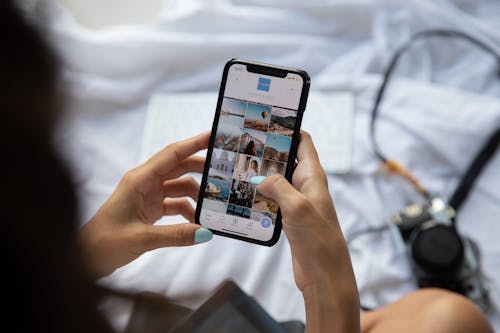
Social media platforms transformed leisure by blending entertainment with social interaction. Instead of just consuming content, users started creating it themselves. Posting photos, making short videos, and commenting on friends’ updates became routine parts of free time. The audience and the performer were often the same people.
This shift also changed what people considered fun activities. Events like concerts, vacations, or meals out often came with the expectation of sharing them online. Viral challenges, memes, and trends became forms of participatory entertainment. In many ways, social media turned everyday moments into a kind of ongoing public pastime.
This post The Cultural Shifts That Slowly Changed What Americans Do for Fun was first published on American Charm.

