
1. Boise, Idaho

Not long ago, Boise had a reputation as one of the last truly affordable cities in the American West. People from pricier places like California discovered it during the pandemic, and the population boom quickly pushed housing prices higher. Home values and rents surged so fast that many longtime residents suddenly found themselves competing with out-of-state buyers paying cash. What used to be a modest housing market now regularly shocks newcomers who expected bargain prices.
The shift happened in just a few years, which is part of why it still feels jarring to locals. Neighborhoods that once offered starter homes for middle-class families saw bidding wars and double-digit price growth. Even though new apartment construction has slowed rent growth recently, the baseline cost of housing remains far above what it was before 2020. In other words, “affordable” in Boise today means something very different than it did a decade ago.
2. Austin, Texas
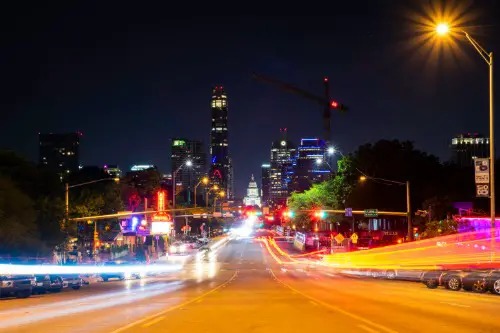
Austin built its reputation as a creative, laid-back city where you could still buy a house without Silicon Valley money. Then the tech boom arrived, bringing companies, high-income workers, and a flood of new residents. Home prices skyrocketed during the pandemic housing surge, turning once-affordable neighborhoods into some of the most competitive markets in Texas. For many locals, the city they grew up in suddenly felt financially out of reach.
Recently, rents have cooled slightly thanks to a wave of new apartment construction, but that doesn’t erase the earlier price explosion. Many homes that once sold for modest sums now command prices that would have seemed unimaginable in the early 2010s. Longtime Austinites often say affordability didn’t disappear overnight—it just got chipped away year by year. By the time people realized what had happened, the market had already changed.
3. Nashville, Tennessee
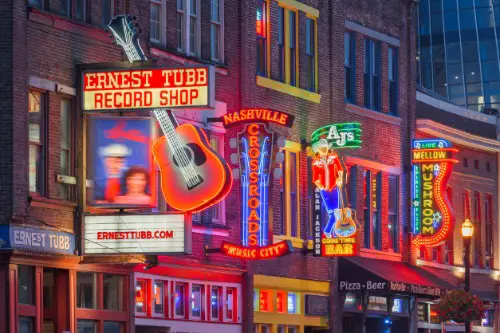
For years, Nashville was considered a relatively affordable alternative to larger cultural hubs. The city’s music scene, booming tourism industry, and strong job market started attracting newcomers from across the country. As population growth accelerated, housing demand quickly outpaced supply. Prices climbed dramatically, transforming a once-reasonable market into a much tougher one for first-time buyers.
Investors and short-term rental conversions also played a role in tightening the housing supply. Neighborhoods close to downtown saw older homes replaced with new builds that carried much higher price tags. Rents followed the same upward trend, putting pressure on service workers and musicians who helped shape the city’s culture. The result is a housing market where “affordable” often means looking much farther from the city center.
4. Phoenix, Arizona
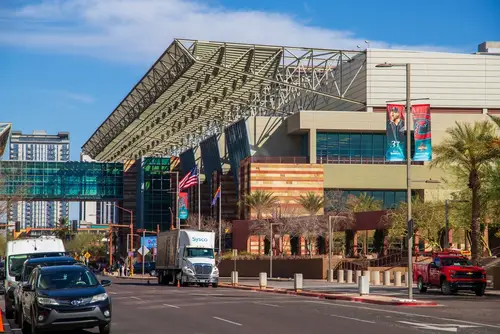
Phoenix used to be one of the places Americans moved when they were priced out of California. For decades, relatively inexpensive land helped keep housing costs lower than many coastal cities. During the pandemic housing boom, however, Phoenix became one of the fastest-appreciating housing markets in the country. Prices surged as remote workers and investors rushed into the metro area.
That rapid appreciation made entry into the housing market much harder for local buyers. Renters felt the squeeze too, with rents jumping sharply during the early 2020s. Even as the market has cooled somewhat, home prices remain far above their pre-pandemic levels. For many residents, the city’s long-standing reputation for affordability no longer matches reality.
5. Tampa, Florida
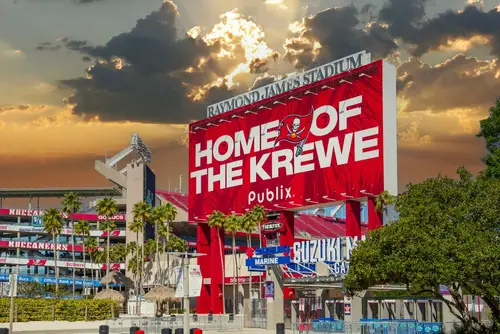
Tampa spent years flying under the radar compared with Florida’s bigger real estate hotspots. Its growing job market and warm climate started drawing more attention, especially from remote workers relocating from higher-cost states. Housing demand surged, and home prices climbed rapidly through the early 2020s. Suddenly, a city once known for reasonable housing costs started looking much more expensive.
Insurance and property tax increases have added another layer to the affordability challenge. Even buyers who can manage the purchase price sometimes struggle with the ongoing cost of owning a home. Renters have seen similar pressures as landlords pass along rising expenses. As a result, the definition of an “affordable” home in Tampa has shifted upward in just a few years.
6. Salt Lake City, Utah
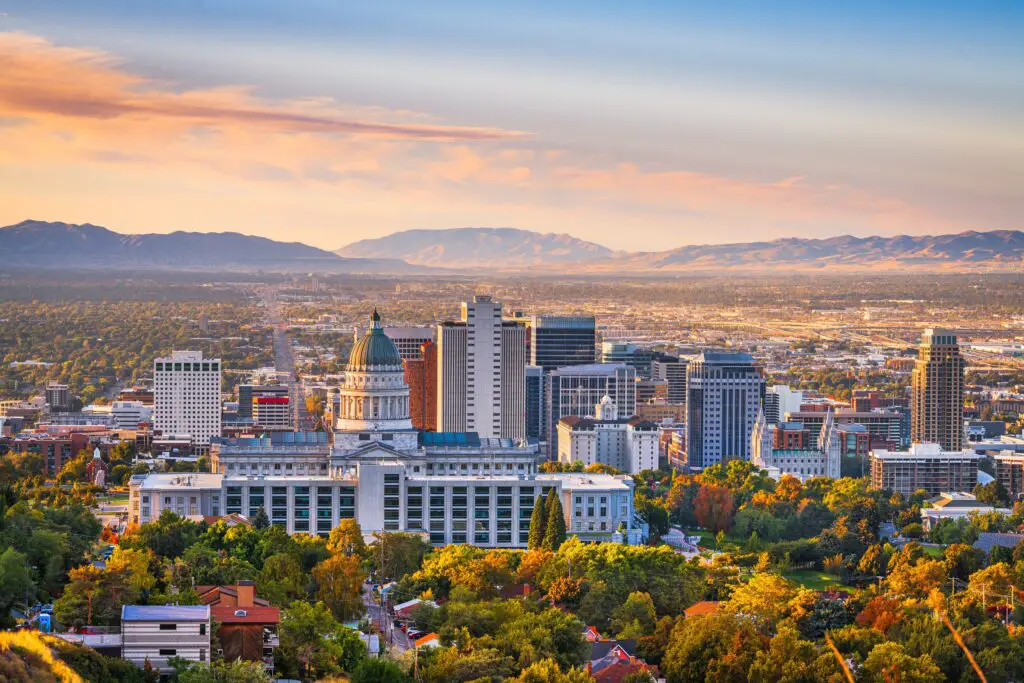
Salt Lake City was once known for relatively attainable housing compared with other Western cities. Strong population growth, a thriving tech sector known as the “Silicon Slopes,” and limited land for development changed that equation. Demand increased faster than new housing could be built. Home prices rose sharply throughout the 2010s and accelerated even more during the pandemic.
Geography plays a big role in the city’s affordability challenges. The mountains and the Great Salt Lake limit where new development can easily expand. That constrained supply has helped keep prices elevated even as the market cools in other parts of the country. Many locals now say that what counts as affordable housing has shifted well beyond what typical wages once supported.
7. Charlotte, North Carolina
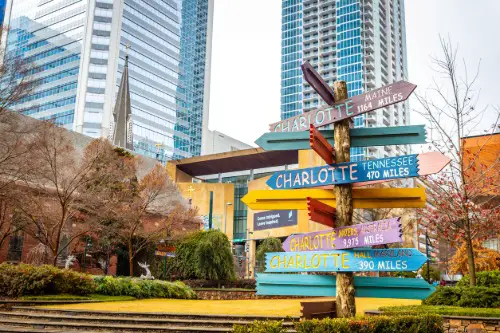
Charlotte’s rapid growth has been one of the defining trends of the past two decades. The city’s banking industry and expanding job market attracted newcomers looking for opportunity and relatively low housing costs. As the population climbed, housing demand followed close behind. Prices rose steadily, especially in neighborhoods close to the city’s urban core.
New construction has helped add housing, but it hasn’t fully kept pace with demand. In many areas, older homes have been replaced by larger, more expensive builds. Renters and first-time buyers often find themselves pushed farther into the suburbs. The city is still cheaper than some major metros, but the gap has narrowed considerably.
8. Denver, Colorado
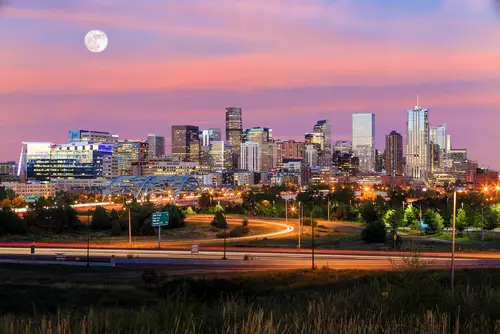
Denver’s housing transformation began well before the pandemic, fueled by a strong economy and steady population growth. Over time, the city’s reputation as a relatively affordable gateway to the Rocky Mountains faded. Home prices rose dramatically throughout the 2010s as more people moved in. By the early 2020s, affordability had become one of the region’s biggest challenges.
Limited housing supply and strong demand continue to shape the market. Even when price growth slows, the overall cost of buying remains high compared with past decades. Many longtime residents say they never expected Denver to resemble coastal housing markets in terms of price pressure. Yet the shift has made “affordable” housing feel like a moving target.
9. Raleigh, North Carolina
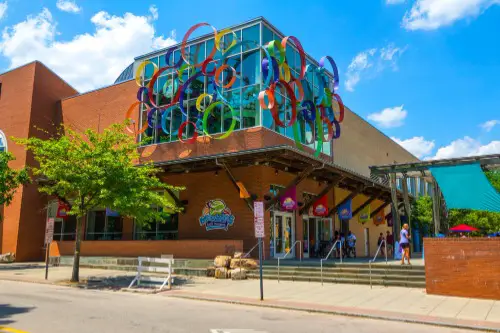
Raleigh has long been part of the fast-growing Research Triangle region. Strong universities, expanding tech companies, and a high quality of life have drawn thousands of new residents each year. That growth has steadily pushed housing prices upward. Homes that once appealed to first-time buyers are now much harder to find at lower price points.
The pandemic migration wave accelerated these trends even further. Buyers relocating from higher-cost states were often willing to pay more than local buyers. That dynamic pushed prices higher across much of the metro area. Today, many residents say the city still offers opportunity, but not the bargain housing it once did.
10. Boise Suburbs, Idaho
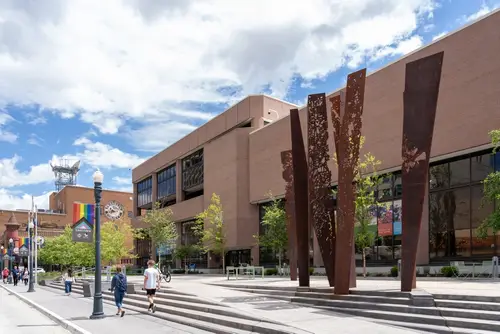
As Boise itself became more expensive, nearby suburbs started absorbing much of the region’s growth. Communities like Meridian, Nampa, and Kuna saw waves of new development and population increases. Homebuyers looking for lower prices moved outward from the city center. That shift quickly pushed prices higher across the broader metro area.
What were once clearly cheaper alternatives began experiencing the same affordability pressures. Infrastructure and housing construction struggled to keep up with the pace of growth. In some neighborhoods, prices nearly doubled within a few years during the pandemic boom. The suburbs that once served as budget-friendly options now look very different.
11. Las Vegas, Nevada
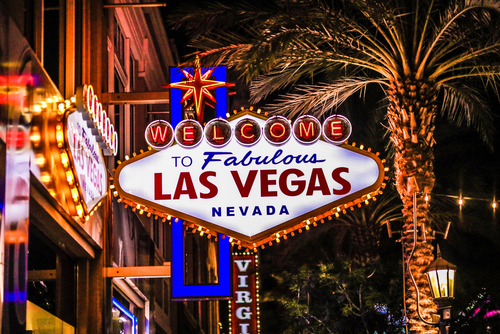
Las Vegas has long been known for relatively affordable housing compared with other large Western cities. The market rebounded strongly after the housing crash of the late 2000s. As the city grew and attracted more residents, prices gradually climbed. The pandemic housing surge accelerated that trend dramatically.
Investors and out-of-state buyers played a noticeable role in the market’s rapid rise. Many homes received multiple offers, pushing prices beyond what local wages could easily support. Rent increases followed the same pattern during the early 2020s. Even with some cooling since then, affordability remains a major concern.
12. Atlanta, Georgia
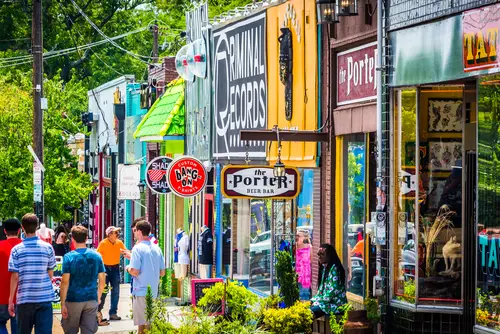
Atlanta historically offered one of the more affordable big-city housing markets in the United States. Its large metro area allowed development to spread outward, which helped keep home prices relatively moderate for many years. But strong population growth and corporate relocations have steadily increased demand. Housing prices rose quickly in many neighborhoods during the past decade.
In-town areas saw some of the most dramatic shifts. Older homes were renovated or replaced with new builds that carried much higher price tags. Renters have also felt the impact as apartment costs climbed across much of the metro area. While Atlanta is still cheaper than some coastal cities, the idea of easy affordability has largely faded.
This post 12 Places Where “Affordable Housing” Means Something Very Different Now was first published on American Charm.

