
1. Dearborn, Michigan
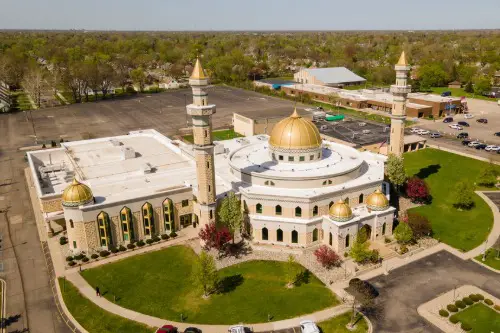
Located just outside Detroit, Dearborn has become one of the most prominent Arab American communities in the country. Immigration from Lebanon began decades ago, and later waves came from Iraq, Yemen, and other parts of the Middle East. Over time, those communities reshaped the city’s cultural life and business landscape. What started as a cluster of immigrant neighborhoods grew into a defining part of the city’s identity.
Dearborn’s commercial corridors now feature Middle Eastern bakeries, halal butchers, and restaurants serving dishes like shawarma and kanafeh. Arabic signage and cultural institutions are common throughout the city. The presence of the Arab American National Museum reflects how deeply Arab American culture is woven into local life. Migration didn’t just change Dearborn’s demographics—it helped redefine what the city represents nationally.
2. Miami, Florida
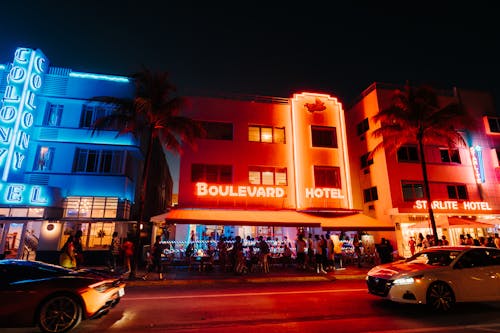
Few American cities have been reshaped by migration as dramatically as Miami. Beginning in the 1960s after the Cuban Revolution, waves of Cuban immigrants arrived and gradually transformed the cultural, political, and economic life of the city. Over time, migrants from Venezuela, Nicaragua, Colombia, and many other Latin American countries added to that shift. What was once a largely Southern city became one of the most Latin American–influenced urban centers in the United States.
Today Spanish is heard almost everywhere in Miami, from government offices to radio stations and billboards. Neighborhoods like Little Havana are filled with Cuban bakeries, cigar shops, and domino parks that reflect decades of cultural influence. The city’s cuisine, politics, and business community are deeply tied to its immigrant population. Miami’s modern identity simply can’t be separated from the migration that shaped it.
3. Irvine, California
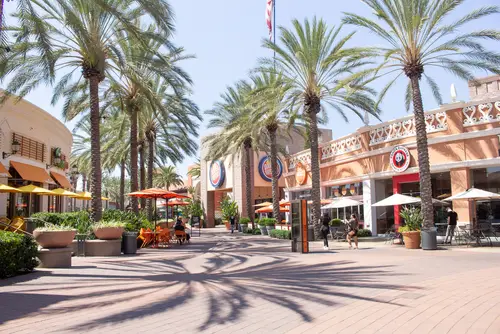
Over the past few decades, Irvine has evolved into one of the most internationally influenced suburbs in the country. Large numbers of immigrants from China, South Korea, Taiwan, and Iran have settled there, drawn by schools, universities, and technology jobs. As those communities grew, they reshaped the city’s commercial and cultural landscape. What began as a carefully planned suburban development gradually became a global crossroads.
Shopping centers now feature Korean barbecue restaurants, Taiwanese bakeries, and Chinese supermarkets. International students and tech workers connected to nearby universities and companies add to the city’s global feel. Cultural festivals celebrating Lunar New Year and other traditions are common community events. Irvine’s identity today reflects the broader migration patterns shaping Southern California.
4. Queens, New York
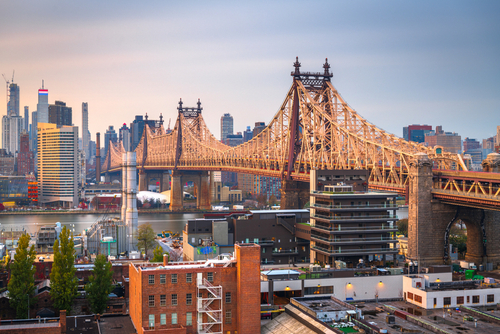
The borough of Queens is widely considered one of the most diverse urban areas on the planet. Over the past half century, migrants from Latin America, South Asia, East Asia, the Caribbean, and Eastern Europe have settled there in huge numbers. Neighborhoods like Jackson Heights and Flushing became cultural hubs for specific immigrant communities. The borough’s population now represents well over 100 nationalities.
Walking through Queens means passing Colombian bakeries, Tibetan momo shops, Filipino groceries, and Indian sari stores within a few blocks. Dozens of languages are spoken in public schools and local businesses. Food culture alone tells the story of how migration reshaped the area. Queens has essentially become a global city within a single borough.
5. Houston, Texas
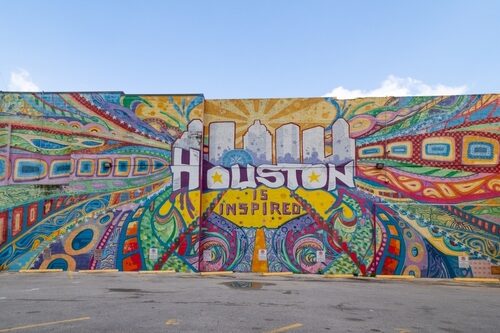
Migration has helped transform Houston into one of the most ethnically diverse metropolitan areas in the United States. Large immigrant communities from Mexico, Vietnam, India, Nigeria, and El Salvador have grown steadily over the past several decades. The city’s booming energy, medical, and shipping industries drew workers and entrepreneurs from around the world. As a result, Houston’s cultural identity shifted far beyond its traditional Texas roots.
Entire districts now reflect the influence of specific immigrant groups. Areas like Little Saigon and Mahatma Gandhi District highlight the presence of Vietnamese and Indian communities. International restaurants, grocery stores, and religious centers are woven throughout the city. Houston’s identity today is less about a single culture and more about a constantly evolving global mix.
6. San Jose, California
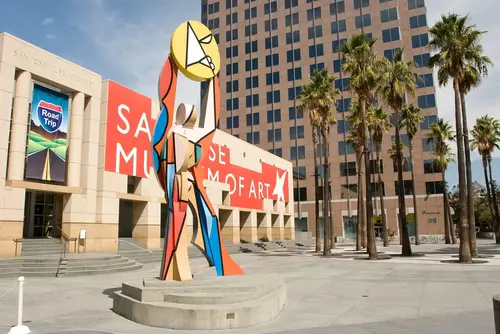
At the heart of Silicon Valley, San Jose has been deeply shaped by waves of migration tied to the tech industry. Engineers and entrepreneurs from India, China, Taiwan, and other parts of Asia moved there in large numbers during the late 20th century. The Vietnamese refugee community also grew significantly after the Vietnam War. Over time those populations transformed both the workforce and the cultural landscape.
San Jose is now home to one of the largest Vietnamese communities outside Vietnam. Vietnamese shopping districts, temples, and restaurants have become major features of the city. Meanwhile, tech companies and startups attract highly skilled migrants from across the globe. The result is a city where innovation and immigration are tightly linked.
7. Las Vegas, Nevada
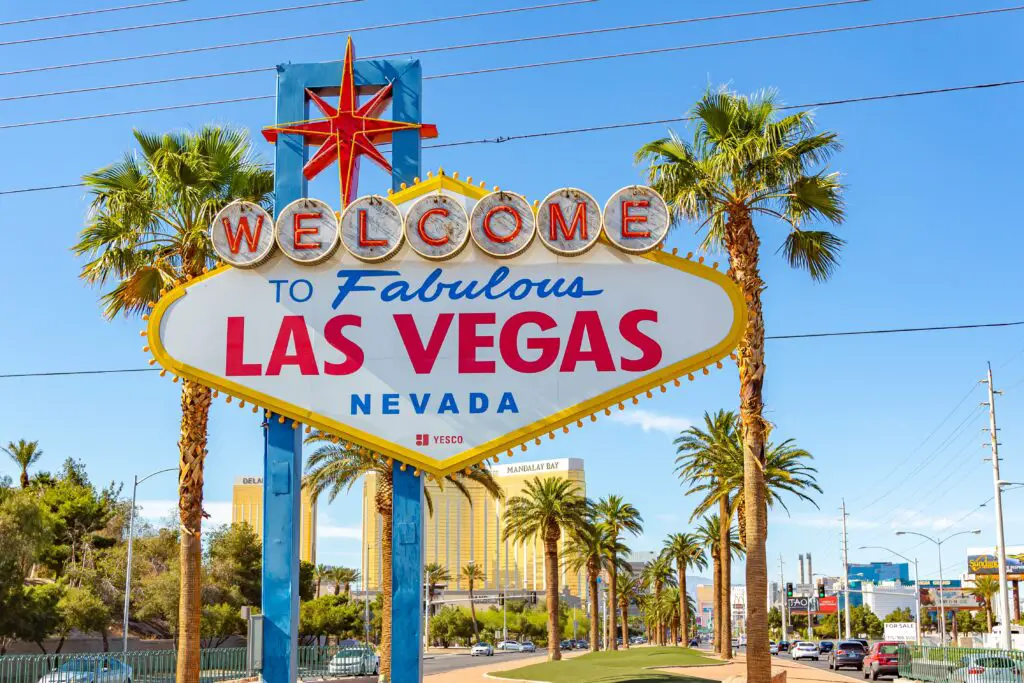
Over the past few decades, Las Vegas has become one of the fastest-growing major cities in the country. Migrants from California, Latin America, and Asia have poured into the region looking for hospitality, construction, and service jobs. That rapid growth dramatically reshaped the local population. A city once defined mostly by tourism now reflects a much broader mix of cultures.
Latino communities in particular grew quickly as workers supported the booming casino and hotel industries. Neighborhoods across the valley now feature Mexican, Salvadoran, and Filipino restaurants and markets. Schools and community organizations have adapted to serve a diverse population. Las Vegas continues to evolve as migration fuels its expansion.
8. Nashville, Tennessee
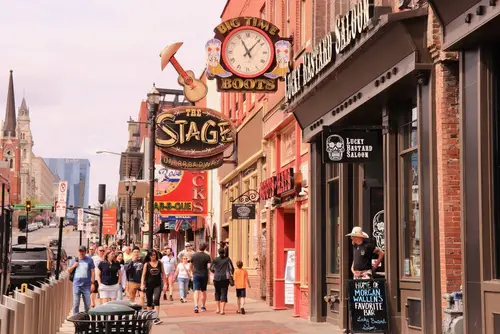
Known worldwide for country music, Nashville has quietly become one of the South’s fastest-growing immigrant destinations. Kurdish refugees began settling there in large numbers in the 1990s, eventually creating one of the largest Kurdish communities in the United States. Migrants from Mexico, Somalia, and other countries followed as the city’s economy expanded. The demographic shift changed the character of several neighborhoods.
South Nashville now features Kurdish restaurants, international markets, and cultural centers. Local schools serve students from dozens of linguistic backgrounds. Festivals and food scenes increasingly reflect Middle Eastern, African, and Latin American influences. Nashville still celebrates its musical heritage, but migration has added entirely new layers to the city’s identity.
9. Minneapolis, Minnesota
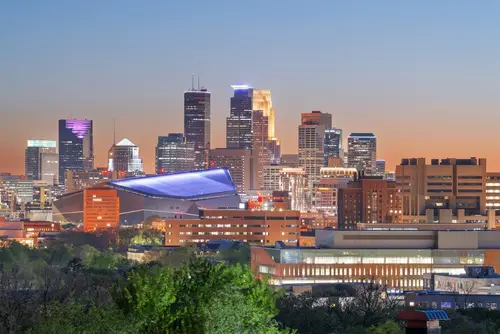
Over the last few decades, Minneapolis has become the center of the largest Somali community in the United States. Refugees fleeing civil war in Somalia began arriving in the 1990s and continued settling in the region through resettlement programs. Many built businesses, mosques, and community organizations that anchored new neighborhoods. Their presence significantly reshaped parts of the city.
Areas around Cedar-Riverside feature Somali malls, cafes, and cultural institutions. Somali-owned transportation companies, markets, and restaurants play a visible role in the local economy. The community has also gained political representation in city and state government. Minneapolis now reflects how refugee migration can reshape an American city’s identity.
10. Fremont, California
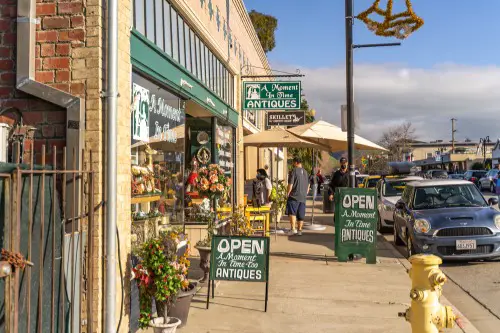
Located in the East Bay, Fremont has become a major hub for South Asian migration. Large numbers of immigrants from India, Pakistan, and Afghanistan settled there over the past several decades. The area’s proximity to Silicon Valley jobs and strong schools made it particularly attractive to immigrant professionals. As the population grew, it reshaped the city’s cultural character.
Indian grocery stores, temples, and restaurants now line major commercial corridors. Cultural events celebrating Diwali and other South Asian traditions draw large crowds. The city also hosts a significant Afghan American population with its own businesses and community centers. Fremont’s identity today reflects the global workforce powering the Bay Area.
11. Orlando, Florida
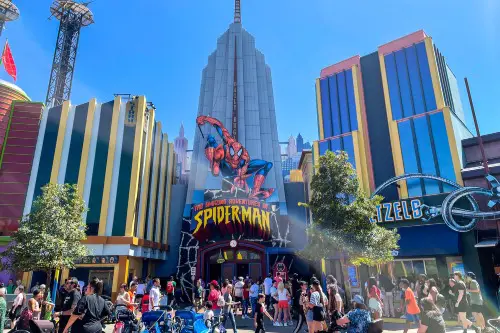
Tourism helped draw migrants from around the world to Orlando, but Puerto Rican migration in particular has reshaped the region. After economic downturns and natural disasters in Puerto Rico, many families relocated to central Florida. The population surge accelerated following Hurricane Maria. As a result, the Puerto Rican community became one of the most visible cultural forces in the area.
Puerto Rican restaurants, bakeries, and cultural organizations are now prominent throughout the metro area. Spanish-language media and political outreach have expanded alongside the growing community. Festivals celebrating Puerto Rican music and cuisine are increasingly common. Orlando’s evolving identity reflects how migration within the United States can reshape a city.
12. Seattle, Washington
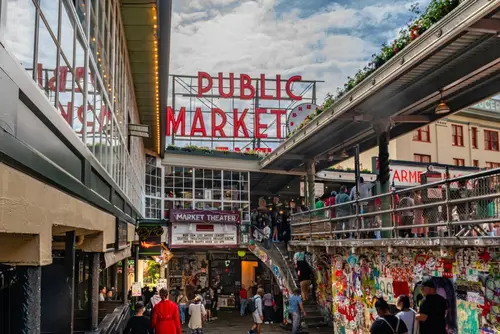
Technology growth helped turn Seattle into a magnet for migrants from around the world. Workers from India, China, and other countries arrived in large numbers to work in the tech sector. Companies like Amazon and Microsoft attracted highly skilled employees who helped diversify the city’s population. That migration wave reshaped neighborhoods and the local economy.
International restaurants, language schools, and cultural centers now dot the city. The tech workforce has also drawn younger migrants from across the United States. Housing patterns, school demographics, and cultural events all reflect the city’s increasingly global population. Seattle’s identity today blends Pacific Northwest culture with international influence.
13. San Antonio, Texas
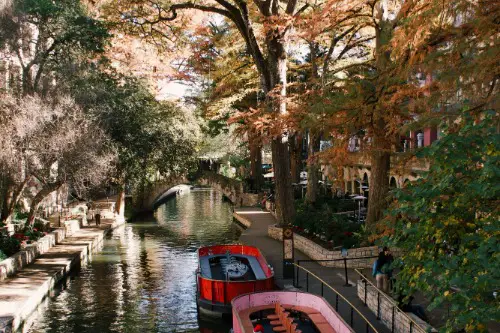
Few cities illustrate the long history of migration better than San Antonio. The city has deep Mexican and Tejano roots that date back centuries, but modern migration continues to reshape the community. New arrivals from Mexico and other parts of Latin America have strengthened those cultural ties. At the same time, domestic migration from across the United States has brought additional diversity.
Spanish and English coexist naturally in everyday life across San Antonio. Mexican food traditions, festivals, and music are woven into the city’s cultural fabric. Historic sites and modern neighborhoods both reflect that heritage. Migration hasn’t replaced San Antonio’s identity—it has continuously reinforced and expanded it.
This post Where Migration Trends Are Completely Rewriting Local Identity was first published on American Charm.

