1. Boise, Idaho
Boise has gained national attention as people relocate from more expensive western cities. The influx has been steady but not enormous by big-city standards, yet the shift feels dramatic for longtime residents. Housing developments and new apartment buildings have popped up across the Treasure Valley. For a city that spent decades growing slowly, even moderate change can make daily life feel noticeably busier.
Much of the “crowded” feeling shows up in traffic and recreation areas. Popular hiking spots in the Boise Foothills and floating the Boise River can draw large weekend crowds. Downtown restaurants and breweries also fill up quickly during events or warm evenings. Still, large stretches of the city remain quiet residential neighborhoods with plenty of space.
2. Austin, Texas
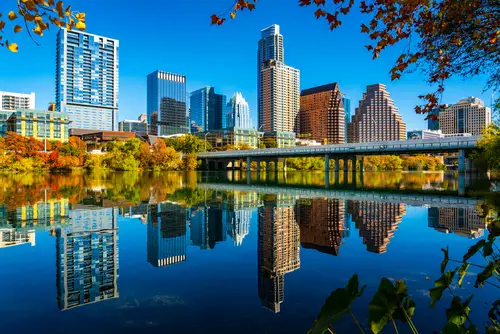
Austin often feels more crowded than it actually is, largely because of how quickly it has grown over the last decade. The metro area has been one of the fastest-growing in the United States, drawing tech workers, musicians, and entrepreneurs. Roads and infrastructure built for a smaller city now handle far more daily traffic. As a result, everyday experiences like commuting or finding parking can feel more chaotic than the population numbers alone suggest.
The city’s social hotspots also concentrate people into a few well-known areas. Places like South Congress, Rainey Street, and Zilker Park regularly draw locals and visitors into the same small pockets of the city. That clustering creates the illusion that the whole city is packed. Step just a few neighborhoods away, though, and things can feel surprisingly calm.
3. Nashville, Tennessee
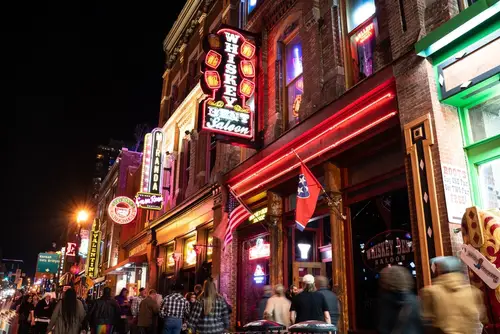
Nashville’s reputation as a booming cultural hub has made it feel constantly packed. Tourism plays a major role, especially around Broadway where honky-tonk bars attract millions of visitors every year. That entertainment district compresses huge numbers of people into just a few downtown blocks. Even locals who avoid the area still feel the ripple effects in traffic and rising housing demand.
The city’s population growth has also been steady, but infrastructure hasn’t always kept pace. Interstates like I-24 and I-65 regularly experience congestion that makes the city feel bigger than it is. Major events, concerts, and conventions can suddenly swell downtown crowds. Outside those hotspots, many neighborhoods still feel suburban and spread out.
4. Denver, Colorado
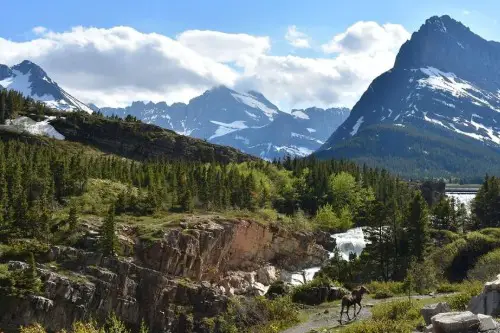
Denver often gives the impression of being more crowded than the numbers suggest. A big reason is how many people gather in the same central neighborhoods like LoDo, RiNo, and Capitol Hill. These areas concentrate restaurants, breweries, and entertainment into compact districts. On weekends especially, sidewalks and streets can feel packed.
Outdoor recreation adds another layer to the perception. Residents and visitors frequently head to the same mountain highways for skiing, hiking, or camping. Traffic heading west on I-70 has become famous for its backups during peak seasons. Even though the metro area is large, those shared routes make the region feel unusually congested.
5. Tampa, Florida
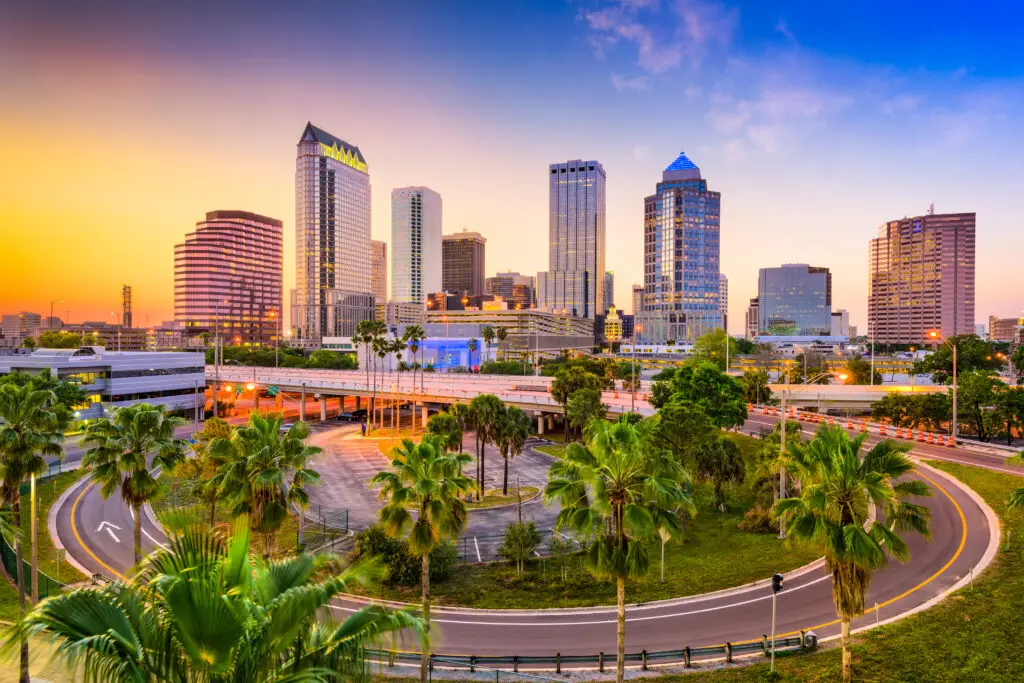
Tampa’s population growth has been noticeable, but tourism and seasonal residents amplify the crowded feeling. During winter months, “snowbirds” arrive in large numbers, increasing traffic and demand for restaurants and beaches. Events around the waterfront and downtown draw dense crowds into a few walkable districts. For locals, that concentration can make the city seem far busier than usual.
Infrastructure also contributes to the perception. Many major roads and bridges funnel commuters through the same limited routes around Tampa Bay. Rush hour backups on I-275 or the Howard Frankland Bridge are common. Even if the metro area spreads widely across suburbs, those bottlenecks create the sense that everyone is on the road at once.
6. Charleston, South Carolina
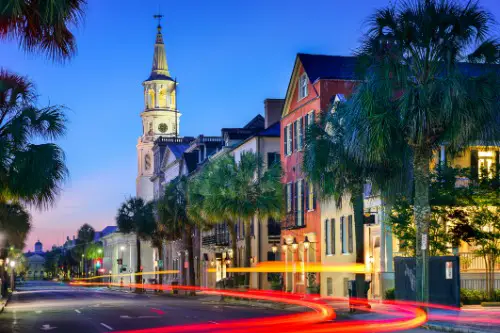
Charleston’s historic peninsula is one of the most visited areas in the Southeast. Cruise ships, festivals, and steady tourism bring waves of people into a relatively small historic district. Narrow colonial-era streets were never designed for modern traffic levels. The result is a city center that frequently feels packed with pedestrians and cars.
Outside the historic core, the metro area spreads across islands and suburban communities. Residents in places like Mount Pleasant or West Ashley may still experience daily congestion when crossing bridges into downtown. Popular beaches like Folly Beach and Sullivan’s Island can also fill up quickly. That combination of tourism and limited routes can make Charleston seem more crowded than its size suggests.
7. Salt Lake City, Utah
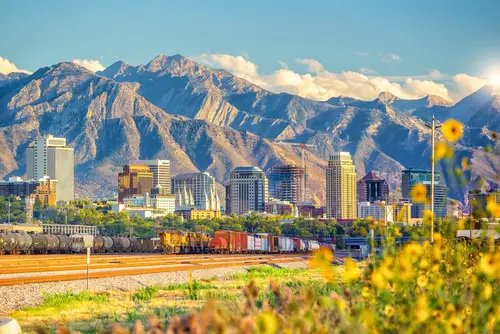
Salt Lake City’s geography plays a big role in how crowded it feels. The Wasatch Mountains on one side and the Great Salt Lake on the other funnel development into a narrow corridor. Most of the metro area’s population lives along this stretch known as the Wasatch Front. That concentration can make highways and neighborhoods feel busier than expected.
Outdoor recreation also sends large numbers of people to the same places at the same times. Ski resorts, hiking trails, and national parks nearby attract locals and visitors alike. Weekend traffic heading into the mountains can be surprisingly heavy. Despite that, many residential areas remain relatively quiet and spacious.
8. Raleigh, North Carolina
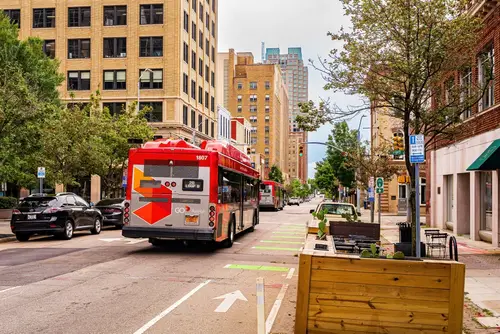
Raleigh is part of the rapidly growing Research Triangle region. Job growth tied to technology, research, and universities has drawn thousands of new residents in recent years. Even so, the metro area remains spread out with many suburban-style neighborhoods. The feeling of crowding often comes from how quickly the area has changed.
Certain districts gather most of the activity into small spaces. Downtown Raleigh, North Hills, and nearby Durham hotspots attract large crowds for dining and nightlife. Commuters also funnel onto highways like I-40 during peak hours. Those concentrated areas can make the whole region seem busier than it really is.
9. Phoenix, Arizona
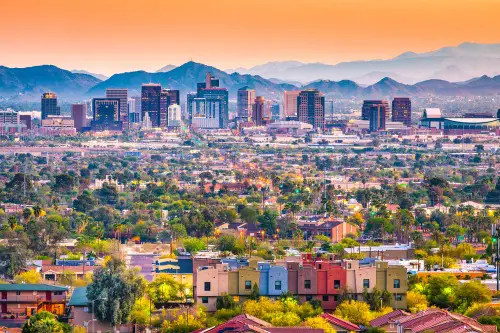
Phoenix is geographically huge, but that doesn’t stop it from feeling crowded in specific places. The metro area stretches across dozens of miles of desert suburbs and highways. Still, many people travel to the same entertainment districts like Old Town Scottsdale or downtown Phoenix. When events or festivals happen, those areas fill up quickly.
Seasonal population swings add to the perception. Winter brings an influx of tourists and part-time residents escaping colder climates. Major sporting events and spring training baseball games draw additional crowds. Even with all that activity, vast parts of the metro area remain low-density and spread out.
10. San Diego, California
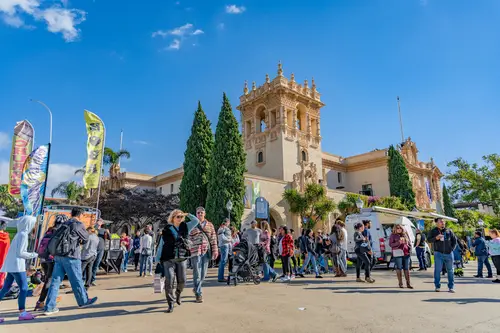
San Diego’s popularity as a destination contributes heavily to its crowded reputation. Beaches like La Jolla Shores and Pacific Beach attract both locals and tourists year-round. On sunny weekends, parking lots and coastal roads fill up fast. That kind of localized crowding can make the city feel packed.
The city’s layout also channels traffic into limited coastal corridors. Freeways like I-5 and I-805 carry a huge share of commuters across the region. Popular attractions such as Balboa Park and the Gaslamp Quarter bring dense clusters of visitors. Yet many inland neighborhoods still maintain a relaxed, suburban feel.
11. Minneapolis, Minnesota
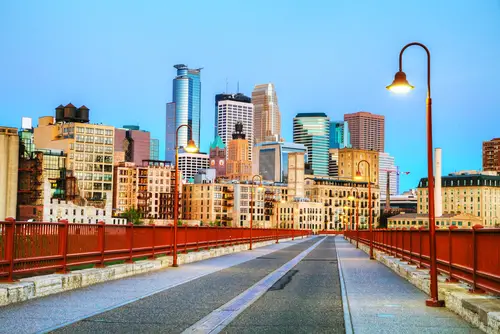
Minneapolis can feel surprisingly busy because of how much activity centers around a few districts. Areas like the North Loop, Uptown, and downtown gather restaurants, nightlife, and events into compact spaces. When sports games or concerts take place, those neighborhoods fill quickly. The sudden surge of people can create the impression of a much larger crowd.
Seasonal factors also shape the experience. During the warmer months, residents flock to lakes, parks, and outdoor festivals. Popular places like Lake Bde Maka Ska or the Chain of Lakes can feel packed on sunny days. In reality, the broader metro area still offers plenty of space and quieter neighborhoods.
12. Portland, Maine
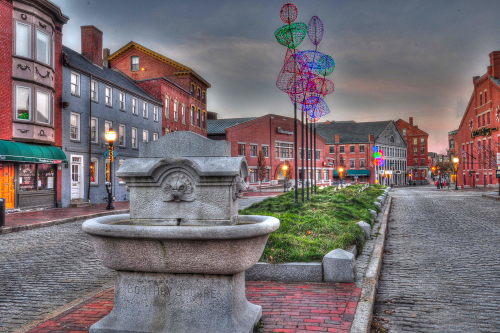
Portland, Maine, is a relatively small city that often feels bustling. Its Old Port district draws cruise passengers, tourists, and locals into a tight waterfront area. Cobblestone streets and historic buildings create charm but limit space for crowds. During peak summer months, sidewalks and restaurants can feel especially full.
The city’s food scene and coastal scenery attract visitors from across New England. Festivals, harbor tours, and seafood restaurants keep the waterfront lively. Because the downtown core is compact, activity quickly concentrates there. Venture just a short distance outside the center, though, and the pace slows down dramatically.
This post Cities That Suddenly Feel Overcrowded Even Though They Aren’t was first published on American Charm.