
1. Hudson, New York
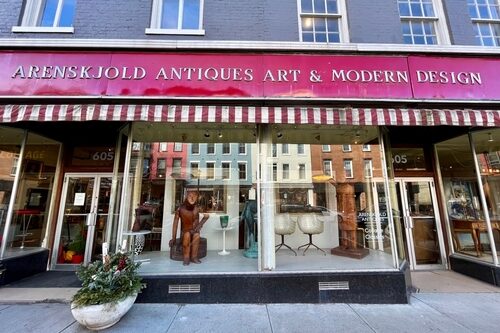
Hudson spent decades as a struggling former whaling port on the Hudson River after its maritime economy faded. In the late 1990s and early 2000s, antique dealers from New York City began moving into the town’s historic storefronts along Warren Street. What started as a small antiques scene quickly turned into a magnet for designers, chefs, and artists. Before long, Hudson had reinvented itself as a stylish weekend destination for city dwellers.
The town’s compact downtown filled up with farm-to-table restaurants, boutique hotels, and curated home design shops. Easy rail access through Amtrak helped accelerate the change, bringing steady waves of visitors every weekend. Property values rose dramatically as second-home buyers discovered the area. Longtime residents often remark how quickly the town went from overlooked to one of the Hudson Valley’s trendiest spots.
2. Marfa, Texas
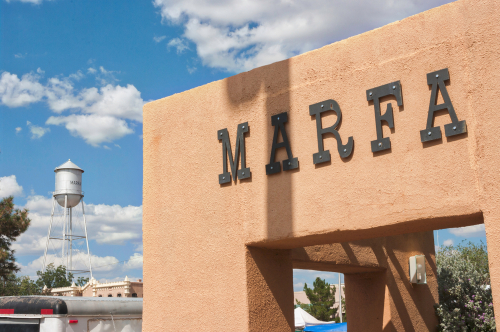
Marfa was once the kind of West Texas town you might pass through without even slowing down. That started to change in the 2000s as the minimalist art installations of Donald Judd turned the desert into an unlikely international art destination. Suddenly, travelers from New York, Los Angeles, and Europe were flying into nearby airports just to see massive concrete sculptures in the middle of nowhere. Boutique hotels, design-forward shops, and stylish restaurants followed quickly, leaving longtime locals amazed at the sudden global attention.
The Instagram era poured gasoline on that momentum. The famous Prada Marfa installation, technically located about 30 minutes away, became a viral roadside photo stop that brought waves of curious visitors. What had been a quiet ranching town developed a reputation as one of the coolest art enclaves in America almost overnight. For residents who remembered when the town felt nearly empty, the transformation felt both surreal and a little bewildering.
3. Joshua Tree, California
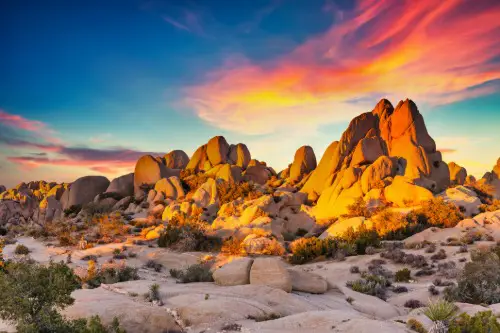
Joshua Tree was long known mostly to rock climbers, desert lovers, and people passing through to Joshua Tree National Park. In the 2010s, however, the town exploded in popularity as Airbnb hosts began marketing stylish desert cabins. Minimalist architecture, hot tubs under star-filled skies, and bohemian interiors became social-media gold. Suddenly the once-sleepy desert community became one of Southern California’s most recognizable getaway spots.
The surge was fueled by artists, musicians, and remote workers looking for space and inspiration outside Los Angeles. Photogenic rentals spread quickly across Instagram and travel blogs, creating a feedback loop of curiosity and bookings. Property investors snapped up homes to turn into vacation rentals almost as fast as they hit the market. For locals who remembered when the area felt quiet even on weekends, the influx of visitors came shockingly fast.
4. Asheville, North Carolina
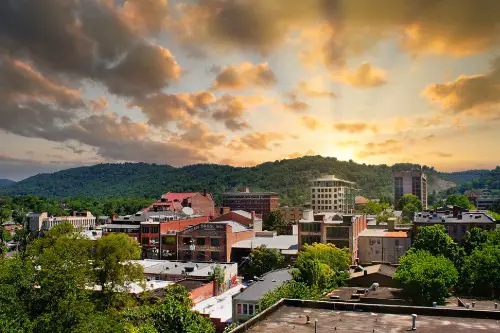
For much of the late 20th century, Asheville was a quiet mountain town with beautiful historic buildings but limited tourism buzz. That started changing in the early 2000s as craft breweries and independent restaurants began popping up around downtown. Travelers quickly noticed the town’s creative energy, which mixed Appalachian traditions with a thriving arts scene. Within a decade, Asheville had become one of the most talked-about small cities in the Southeast.
A big draw is the nearby Blue Ridge Parkway along with the grand Biltmore Estate. But it’s the city’s breweries and music venues that helped spark the modern tourism boom. Asheville now has one of the highest breweries-per-capita counts in the United States. Many locals say the transformation from sleepy mountain town to foodie and craft-beer destination happened almost overnight.
5. Bozeman, Montana
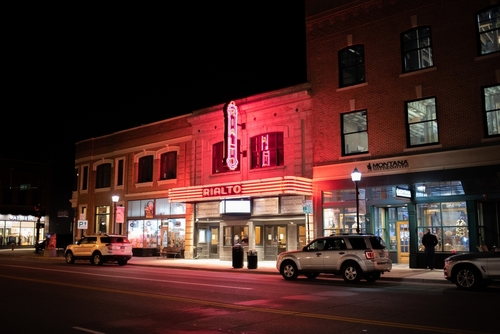
Bozeman used to feel like a quiet college town anchored by Montana State University. Surrounded by mountain ranges and wide-open land, it attracted outdoor enthusiasts but didn’t see huge national attention for years. That changed dramatically in the 2010s as remote workers and wealthy homebuyers began discovering southwest Montana. The town’s population and housing prices surged at a pace that caught many longtime residents off guard.
Part of the appeal is proximity to Yellowstone National Park along with world-class skiing and fishing. Tech workers fleeing larger cities began relocating for the scenery and lifestyle. Trendy restaurants, boutique hotels, and upscale housing developments followed quickly. Residents who remember when downtown felt sleepy say the speed of the town’s rise was staggering.
6. Bend, Oregon
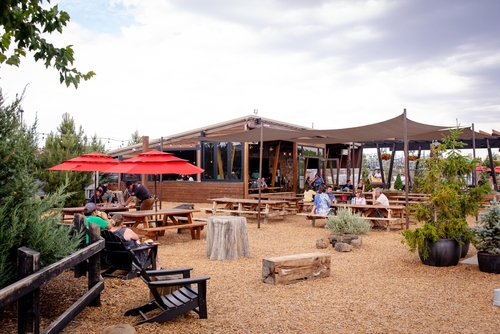
Bend was once primarily known as a logging town in central Oregon. When the timber industry declined in the late 20th century, the city reinvented itself around outdoor recreation. Surrounded by mountains, rivers, and trails, it became a magnet for hikers, mountain bikers, and skiers. By the 2010s, the word had spread far beyond the Pacific Northwest.
The town also built a reputation as a craft beer powerhouse with dozens of breweries clustered around downtown. Visitors flock to nearby Mount Bachelor for winter sports and hiking in the warmer months. Remote workers and retirees began moving in, pushing housing demand sharply upward. For longtime residents, the speed at which Bend turned into a national lifestyle hotspot felt almost dizzying.
7. Franklin, Tennessee
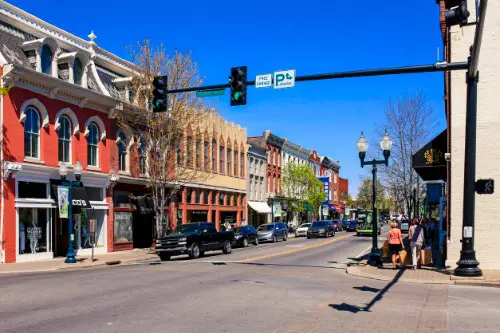
Just south of Nashville, Franklin spent many years as a charming but relatively quiet historic town. Its beautifully preserved 19th-century downtown attracted visitors, but it wasn’t a national trendsetter. In the 2010s, however, the town saw a surge of interest as Nashville’s booming economy spilled outward. Suddenly Franklin became one of the most desirable places to live in Middle Tennessee.
Music industry professionals and remote workers began buying homes in the area for its slower pace and historic charm. The revitalized Main Street filled with upscale boutiques, restaurants, and coffee shops. Historic sites tied to the American Civil War also draw history buffs. Residents often say the town’s jump from quaint suburb to trendy destination happened surprisingly fast.
8. Fredericksburg, Texas
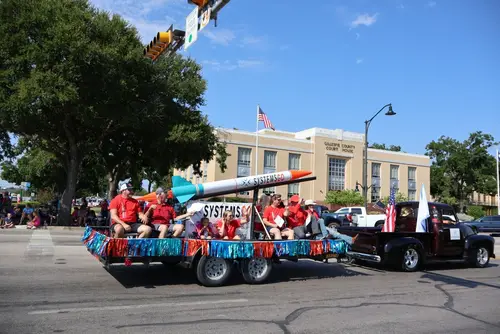
Fredericksburg was long known primarily for its German heritage and small-town wineries. But in the past decade, it has transformed into one of the most fashionable weekend getaways in Texas. Visitors from Austin, San Antonio, and Houston now flock to the area for wine tastings and charming guesthouses. The region’s wine industry expanded rapidly, with dozens of new vineyards opening nearby.
The surrounding Texas Hill Country plays a big role in the town’s appeal. Rolling hills, lavender farms, and scenic backroads make it ideal for road trips and bachelorette weekends. Boutique hotels and stylish cabins have appeared across the countryside to meet demand. Many locals say the sudden flood of tourism in the 2010s dramatically changed the town’s pace.
9. Greenville, South Carolina
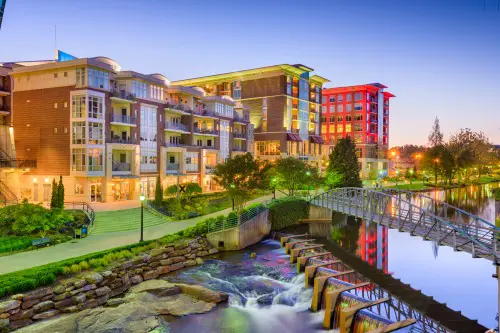
Greenville spent years trying to reinvent itself after the decline of its textile industry. City leaders invested heavily in revitalizing the downtown area during the early 2000s. A key moment came with the creation of Falls Park on the Reedy, which transformed an overlooked stretch of river into a scenic centerpiece. The park’s pedestrian bridge and green spaces quickly became a major draw.
Restaurants, breweries, and art galleries soon followed the renewed energy downtown. Travelers began noticing Greenville as a lively stop between Atlanta and Charlotte. Over time it developed a reputation as one of the South’s most successful small-city revivals. For longtime residents who remembered the quieter days, the shift felt surprisingly quick.
10. Healdsburg, California
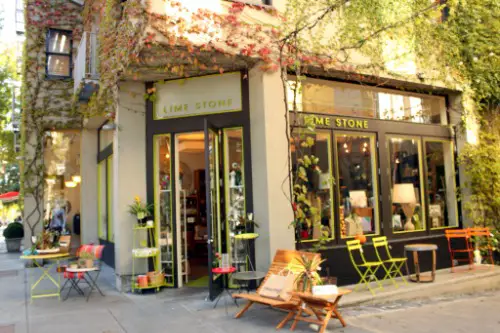
Healdsburg sat quietly in Sonoma County for years, overshadowed by more famous wine destinations like Napa. That changed as food lovers and wine travelers started seeking out less crowded alternatives. Healdsburg’s charming plaza, tasting rooms, and farm-focused restaurants quickly earned national attention. The town soon became a favorite weekend escape from San Francisco.
Luxury hotels and high-end restaurants elevated its reputation even further. One of the most influential arrivals was SingleThread, which earned multiple Michelin stars. Wine tourism surged as visitors realized how many acclaimed vineyards were within a short drive. Locals often remark that the town’s leap from quiet wine village to culinary hotspot happened in just a few years.
11. Leavenworth, Washington
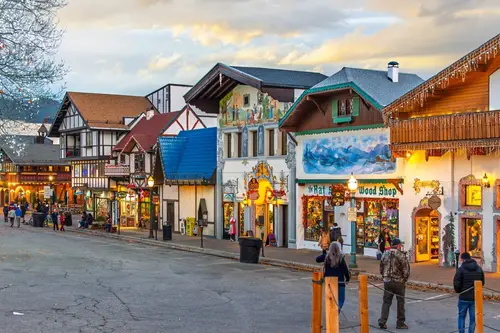
Leavenworth was struggling economically in the 1960s after local timber industries declined. In a bold move, community leaders decided to reinvent the town with a Bavarian alpine theme. Buildings were redesigned to resemble a German village, and festivals celebrating European traditions were introduced. The transformation slowly built momentum and eventually turned the town into a tourism powerhouse.
Events like the famous Leavenworth Oktoberfest helped put the town on the map. Winter visitors also flock to its Christmas lighting displays and snowy mountain scenery. Over time, the quirky theme turned into a full-blown travel phenomenon. Residents who remember the town before the makeover say the popularity eventually grew far beyond what anyone expected.
12. Waco, Texas

For years, Waco was mostly known for Baylor University and its location halfway between Dallas and Austin. That changed dramatically after the success of Fixer Upper hosted by Chip Gaines and Joanna Gaines. The couple’s renovation projects and design style attracted fans from across the country. Suddenly Waco became a pilgrimage site for home décor lovers.
Their retail complex, Magnolia Market at the Silos, draws hundreds of thousands of visitors every year. New shops, bakeries, and boutique hotels quickly followed the tourism surge. The city saw a wave of downtown revitalization tied directly to that attention. Many longtime residents say the explosion of visitors felt almost overnight.
13. Whitefish, Montana
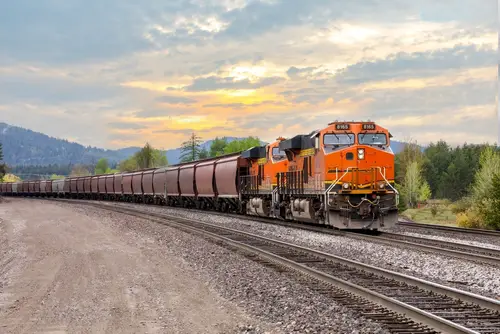
Whitefish was long a relaxed mountain town known mainly to skiers and locals from nearby communities. That began to change as travelers discovered Whitefish Mountain Resort and the surrounding scenery. The town also sits just a short drive from Glacier National Park, which helped attract outdoor lovers. By the late 2010s, tourism had surged dramatically.
Luxury vacation homes and stylish downtown businesses began appearing as the town’s reputation spread. Social media photos of alpine lakes and snowy peaks added to the momentum. Remote workers and retirees increasingly chose Whitefish as a place to relocate. Locals often say the transformation from hidden gem to nationally known destination happened incredibly fast.
14. St. George, Utah
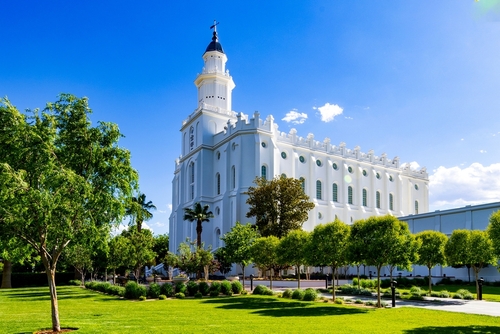
St. George was once a quiet desert city best known as a retirement destination. Its warm climate and proximity to spectacular landscapes gradually started drawing more attention. Then population growth accelerated in the 2010s as people moved in from larger Western cities. The combination of outdoor recreation and relatively affordable housing proved irresistible.
Nearby natural wonders like Zion National Park helped fuel the surge in visitors and new residents. Golf courses, hiking trails, and dramatic red rock scenery make the region a year-round playground. Developers raced to build new neighborhoods to keep up with demand. Longtime locals often say the town’s sudden popularity caught them completely by surprise.
This post 14 Towns That Became Trendy So Fast Even Locals Were Shocked was first published on American Charm.

