
1. Ann Arbor, Michigan
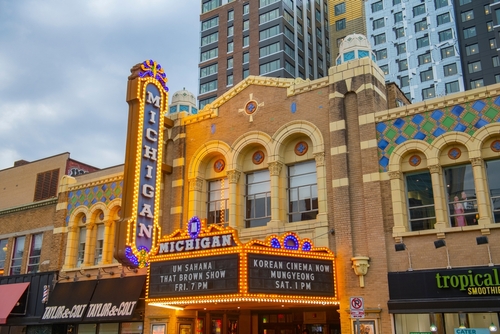
Ann Arbor has about 120,000 residents, but the presence of the University of Michigan makes it feel much larger. When the university is in session, tens of thousands of students fill the streets, cafés, and bookstores. Game days in the fall bring enormous crowds as fans descend on Michigan Stadium. The stadium itself holds more than 100,000 people, nearly matching the city’s population.
The student presence also creates constant activity downtown. Restaurants, music venues, and shops cater to the college crowd late into the evening. Conferences, research events, and visiting families add more movement throughout the year. Because of that academic hub, Ann Arbor often feels like a much bigger city than it technically is.
2. Washington, D.C.
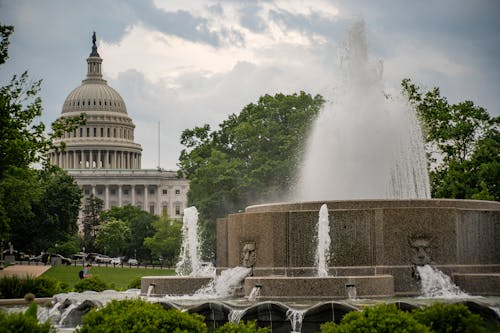
Washington, D.C. has fewer than 700,000 residents, but it regularly feels like a city several times that size. The federal government alone brings in a huge daytime workforce, with tens of thousands of employees commuting from Virginia and Maryland every morning. Government agencies, lobbying firms, and think tanks keep the downtown core busy throughout the workday. On top of that, international visitors and school groups are almost always circulating around the National Mall.
Tourism and major events amplify the energy even further. During peak travel seasons, museums like the Smithsonian institutions draw huge crowds that spill into surrounding streets and Metro stations. Political rallies, demonstrations, and major national celebrations can fill entire avenues with people. Even outside those big moments, the combination of commuters, visitors, and residents gives the city an outsized sense of activity.
3. Nashville, Tennessee
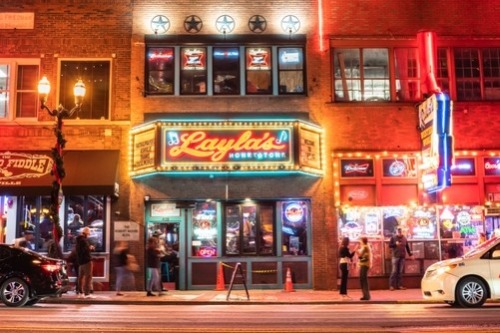
Nashville has grown rapidly in recent years, but its population of around 700,000 still feels small compared with the energy downtown. The city’s reputation as “Music City” brings millions of visitors every year, especially to the honky-tonk bars along Broadway. Live music pours out of venues from morning until late at night, and sidewalks often fill with bachelor and bachelorette parties. That constant flow of tourists makes downtown feel like a permanent festival.
The entertainment industry also adds to the movement. Recording studios, music labels, and media companies bring musicians, producers, and industry professionals into the city daily. Large conventions and sporting events at venues like Bridgestone Arena bring sudden surges of crowds. Even on an ordinary weeknight, the mix of locals and visitors makes Nashville feel far busier than its population suggests.
4. New Orleans, Louisiana
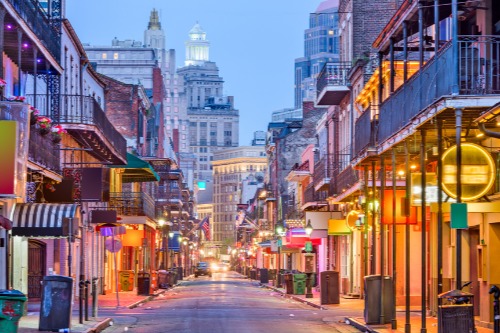
New Orleans has a population of under 400,000, yet parts of the city can feel incredibly crowded. Tourism is a major reason, especially in the French Quarter where visitors gather around Bourbon Street, Jackson Square, and nearby restaurants. Festivals happen year-round, drawing waves of people far beyond the city’s resident count. During major celebrations like Mardi Gras, the crowds can swell into the hundreds of thousands.
The city’s compact historic districts make that activity feel even more concentrated. Narrow streets and small public squares channel people into tight spaces that quickly fill up. Music clubs, bars, and late-night eateries keep the area lively long after midnight. The result is a place where a relatively small population produces a surprisingly intense street-level buzz.
5. Orlando, Florida
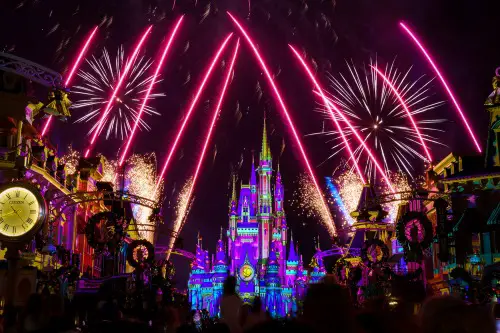
Orlando’s population is only a few hundred thousand, but it sits at the center of one of the busiest tourist regions in the country. Theme parks such as Walt Disney World and Universal Orlando attract tens of millions of visitors each year. Those travelers fill highways, restaurants, hotels, and shopping districts across the metro area. Even routine errands can feel hectic because the city is constantly hosting vacationers.
The tourism economy also brings a huge workforce into the area daily. Hospitality workers, entertainers, transportation staff, and service employees commute from surrounding suburbs in large numbers. Convention traffic at the Orange County Convention Center adds another steady stream of visitors. With tourists and workers constantly moving through the city, Orlando often feels much bigger than its resident population.
6. Las Vegas, Nevada
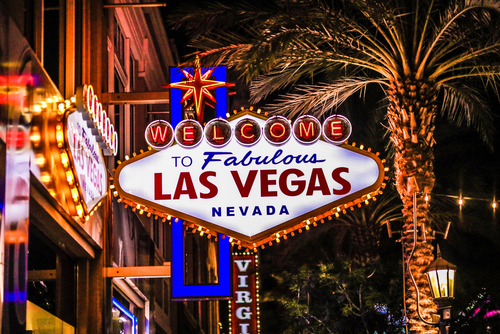
Las Vegas itself has a population of around 640,000, but the famous Strip creates a nonstop sense of motion. Casinos, hotels, shows, and restaurants operate around the clock, drawing visitors from across the world. Tens of millions of tourists arrive every year, many spending most of their time walking between massive resorts. Sidewalks along Las Vegas Boulevard are rarely quiet, even in the middle of the night.
Major conventions amplify the crowds even more. Events at the Las Vegas Convention Center can bring in tens of thousands of attendees at once. Ride-share traffic, taxis, and tour buses add to the constant movement across the Strip. For many visitors, the packed sidewalks and bright lights make the city feel like it never slows down.
7. Miami, Florida
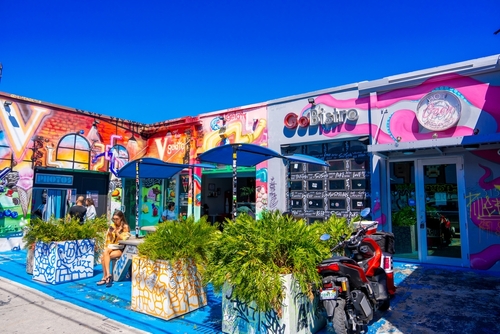
Miami has a population of under 450,000, but it functions as an international gateway that feels far larger. Cruise passengers, beachgoers, and nightlife crowds flow through neighborhoods like South Beach and Downtown throughout the year. Miami International Airport and the Port of Miami funnel travelers into the city daily. That constant influx of visitors creates busy streets and packed restaurants almost all the time.
The city also serves as a major hub for finance, media, and trade with Latin America. Business travelers and international entrepreneurs regularly move through office districts in Brickell and nearby areas. Festivals like Art Basel Miami Beach add huge temporary crowds each year. The blend of tourism, business, and nightlife keeps Miami feeling lively far beyond what its population number suggests.
8. Seattle, Washington
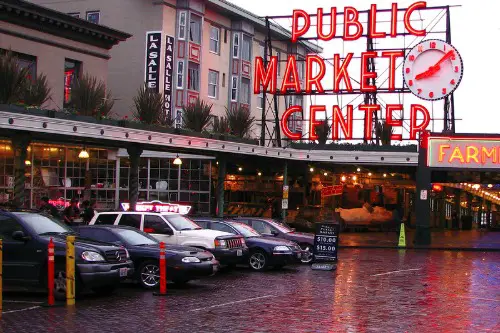
Seattle’s population sits around 750,000, but the city often feels far busier thanks to its economic pull. Major employers like Amazon, Microsoft, and other tech companies bring in a large commuter population every weekday. Neighborhoods like South Lake Union and Downtown fill with workers heading between offices, cafés, and transit stations. Cruise tourism and waterfront attractions add another layer of foot traffic.
The city’s geography also concentrates people into specific corridors. Water, hills, and limited highway routes funnel traffic through a few busy bridges and streets. Popular areas such as Pike Place Market attract tourists throughout the day. Combined with dense apartment living and active nightlife, the overall effect is a city that feels constantly in motion.
9. San Francisco, California
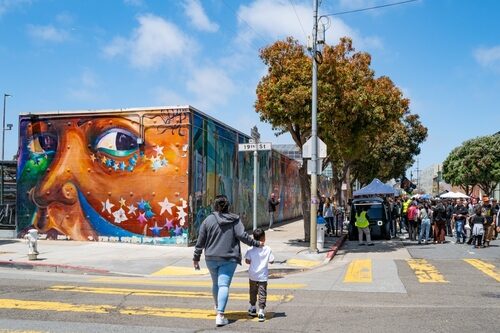
San Francisco has fewer than 900,000 residents, yet it often feels packed well beyond that number. The city’s compact geography and limited land area compress activity into a relatively small footprint. Major employment centers like the Financial District and SoMa draw commuters from across the Bay Area. At the same time, landmarks like the Golden Gate Bridge and Fisherman’s Wharf bring steady streams of visitors.
Public transit and walkability further intensify the sense of busyness. Cable cars, streetcars, and packed sidewalks keep neighborhoods lively throughout the day. Conferences and tech events regularly bring in large crowds as well. With so much happening in a tight urban grid, San Francisco frequently feels like a much larger city.
10. Charleston, South Carolina
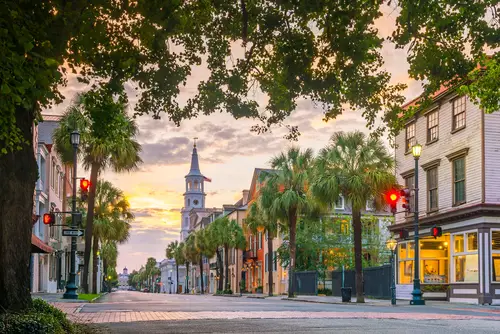
Charleston’s population is just over 150,000, yet the historic downtown can feel extremely busy. The city is one of the South’s most popular tourist destinations, known for its preserved architecture and waterfront views. Visitors flock to places like the historic market district and nearby restaurants. Cruise ships and weekend travelers can quickly fill the narrow streets.
The city’s layout adds to the sense of crowding. Many attractions sit within a small peninsula bordered by rivers and the harbor. That means visitors, residents, and workers all share the same compact streets and sidewalks. On busy weekends, Charleston can feel like a city several times its size.
11. Savannah, Georgia
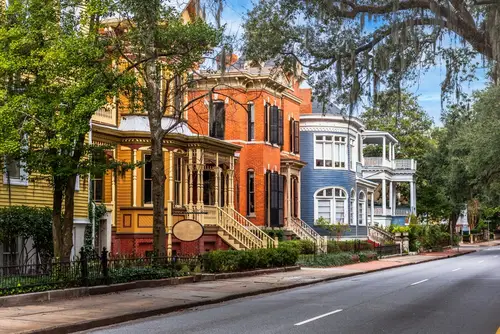
Savannah has around 150,000 residents, but its charming historic squares draw far larger crowds. The city’s walkable downtown is a magnet for tourists exploring its oak-lined parks and historic homes. Guided walking tours, ghost tours, and trolley rides run constantly through the area. Those tours create steady waves of people moving between squares.
The city also has a vibrant events calendar. Festivals such as the Savannah Music Festival and St. Patrick’s Day celebrations bring in huge numbers of visitors. College students from the Savannah College of Art and Design add daily foot traffic as well. All together, the mix of tourism and student life keeps the historic district feeling lively.
12. Honolulu, Hawaii
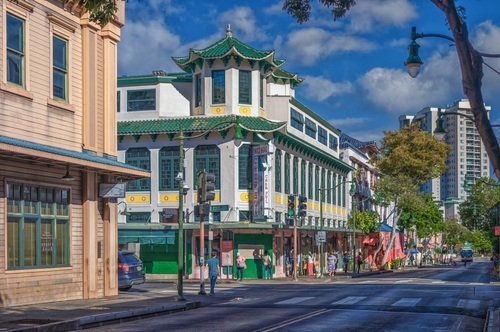
Honolulu has a population of roughly 350,000, but tourism dramatically boosts the daily crowd levels. Waikiki alone hosts thousands of visitors in hotels along a narrow stretch of beachside streets. Travelers fill sidewalks, surf shops, and restaurants throughout the day. The constant arrival of flights from the mainland and Asia keeps the flow going year-round.
The city also serves as the economic center of Hawaii. Government offices, military personnel, and business travelers add to the daytime population. Major attractions like Pearl Harbor draw visitors in large numbers. With tourists, locals, and service workers sharing a relatively small urban area, Honolulu often feels busier than its population suggests.
13. Aspen, Colorado
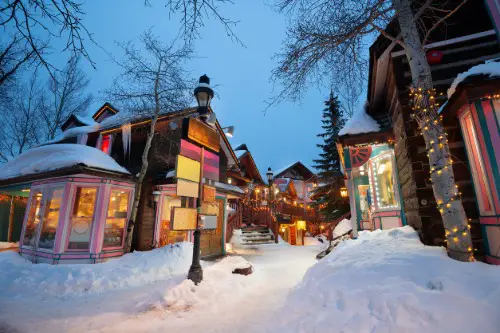
Aspen’s permanent population is only around 7,000 people, yet it can feel incredibly crowded during peak seasons. Ski season draws wealthy visitors, celebrities, and winter sports enthusiasts from around the world. The small downtown fills quickly with people heading to lifts, restaurants, and après-ski spots. For such a tiny town, the energy can feel surprisingly intense.
Summer brings another wave of activity. Festivals, hiking tourism, and cultural events like the Aspen Music Festival attract large crowds. Many visitors stay in nearby areas but spend their days in the compact downtown. Because everything is concentrated in a few blocks, the town often feels far busier than its small population would suggest.
14. Key West, Florida
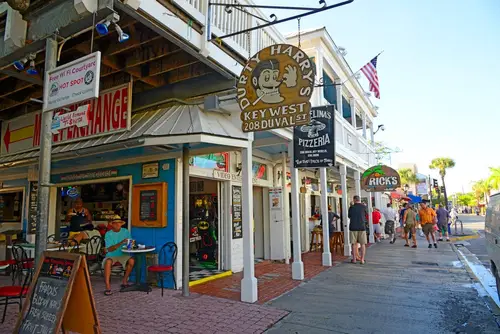
Key West has fewer than 30,000 residents, yet the island frequently feels packed with people. Cruise ships regularly dock nearby, bringing thousands of passengers into town for the day. Visitors gather along Duval Street for bars, restaurants, and live music. Those short-term crowds can quickly overwhelm the small island’s streets.
The town’s limited size amplifies the activity. With only a few main roads and a compact historic district, foot traffic tends to cluster in the same areas. Sunset celebrations at Mallory Square attract big nightly gatherings. Even though the local population is small, tourism keeps the atmosphere buzzing.
15. Boston, Massachusetts
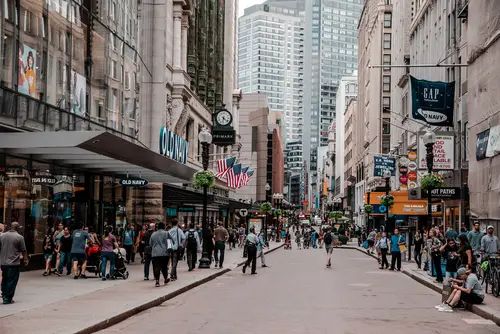
Boston’s population is relatively modest for a major American city—just under 700,000 people—but it often feels far busier than that number suggests. The city packs a massive daytime population thanks to its universities, hospitals, and office districts, which draw hundreds of thousands of commuters every day. Students from schools like Harvard, MIT, and Boston University constantly move between neighborhoods, cafés, and transit stops. Add tourists walking the Freedom Trail and the narrow colonial-era streets can feel packed at almost any hour.
The compact layout also intensifies the feeling of activity. Boston’s walkable neighborhoods funnel pedestrians through the same corridors in places like Back Bay, Downtown Crossing, and the North End. Public transit lines such as the Green and Red lines move huge numbers of riders through relatively small stations. As a result, the city feels dense and bustling even though its population is smaller than many other U.S. metros.
This post 15 Cities That Feel Busier Than Their Population Suggests was first published on American Charm.

