
1. A Personal Computer in the Early 1980s
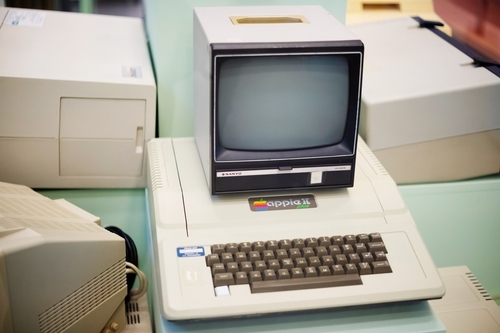
In the early 1980s, owning a home computer was far from common in the United States. Systems like early IBM-compatible machines or hobbyist computers were expensive and often complicated to use. Families who had one usually had a strong interest in technology or extra disposable income. For visitors, seeing a computer at home felt futuristic.
The cost was the biggest reason it signaled luxury. Early personal computers could cost thousands of dollars when adjusted for inflation, especially once you added monitors and software. Many households simply couldn’t justify the expense. Over time computers became essential tools, but early adopters often belonged to more affluent households.
2. Wood Paneling in the Family Room
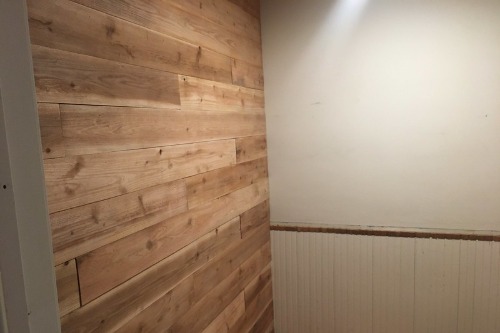
In the 1960s and 1970s, wood-paneled walls were widely associated with stylish, upscale homes. Real wood paneling was expensive and gave rooms a warm, lodge-like feel that many homeowners aspired to. Builders often advertised it as a premium upgrade in new suburban houses. Walking into a paneled den once felt like stepping into a sophisticated living space.
The association with luxury came from the cost and the materials themselves. Authentic hardwood paneling required skilled installation and quality lumber. Even when cheaper veneer versions appeared, the aesthetic was already linked to wealthier homes. Over time the look became dated, but in its heyday it signaled comfort and status.
3. Wall-to-Wall Carpet
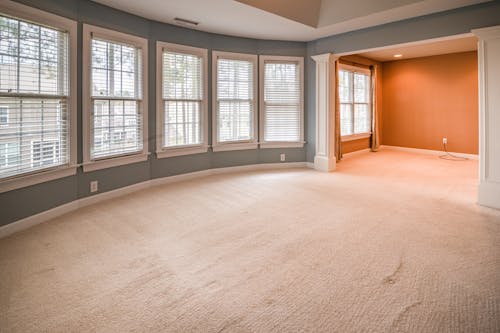
Wall-to-wall carpeting was once considered a major upgrade over hardwood floors in American homes. Starting in the 1950s and peaking in the 1970s and 1980s, thick carpeting suggested softness, warmth, and modern convenience. Homeowners proudly chose plush textures and neutral tones for living rooms and bedrooms. It made a house feel cozy and finished.
The luxury element came from the installation and material costs. Carpeting an entire house required professional fitting and regular replacement to keep it looking fresh. In mid-century advertising, plush carpeting was linked with suburban success and comfort. Today many buyers prefer hardwood again, but decades ago carpet was the height of domestic luxury.
4. A Built-In Home Intercom System
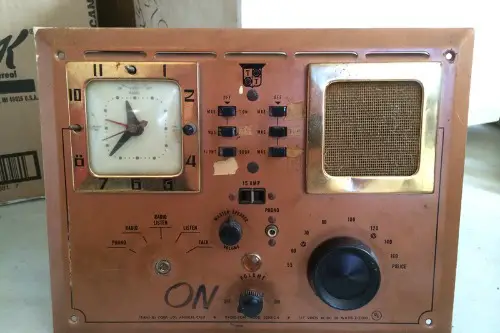
Home intercom systems were a futuristic upgrade in many American houses built between the 1960s and 1980s. These systems connected different rooms through wall-mounted speakers so family members could talk to each other without shouting across the house. Some models even played music through the same speakers. For visitors, it immediately made the house feel high-tech.
The systems were expensive to install because they required wiring throughout the house. Builders typically offered them only in higher-end homes or as premium upgrades. They also suggested the house was large enough to make room-to-room communication useful. Today smartphones replaced the need, but intercoms once signaled cutting-edge comfort.
5. A Color Television
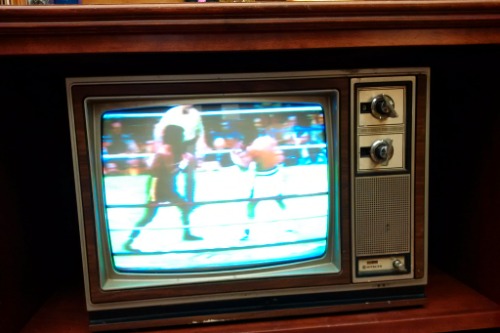
In the early days of television, having a set at all was a big deal. But when color TVs became available in the 1950s and 1960s, they were dramatically more expensive than black-and-white models. Families who owned one often invited neighbors over to watch big events like sports or holiday specials. The vivid picture instantly stood out.
The luxury signal came from the price gap. Color sets could cost hundreds of dollars more than standard TVs, a major expense at the time. Adoption grew slowly through the 1960s because of those costs. Owning one early showed a household had extra money for the newest technology.
6. An In-Ground Swimming Pool

For much of the 20th century, an in-ground backyard pool was one of the clearest signs of an affluent American household. These pools required significant space, professional construction, and ongoing maintenance. Suburban neighborhoods often had only a few homes with them. Kids in the area usually knew exactly which friend had the “pool house.”
The reason it signaled luxury is that installation costs were extremely high compared to other backyard features. Pools also required filtration systems, chemicals, and regular upkeep. Homeowners needed both money and property size to support one. Even today they can be expensive, but in earlier decades they stood out even more.
7. Central Air Conditioning

Before central air conditioning became common, many Americans relied on fans or a single window unit to cool the house. Central AC systems started spreading widely after the 1960s, but they were initially expensive and often limited to newer or higher-end homes. Walking into a fully cooled house during a summer heatwave felt like a revelation. It was a comfort many families didn’t have.
Installing central air required ductwork, compressors, and professional installation. Older homes often needed costly retrofits to make it work. That meant the feature showed a homeowner had invested serious money in comfort. Over time it became standard in much of the country, but it once clearly signaled luxury.
8. A Dishwasher
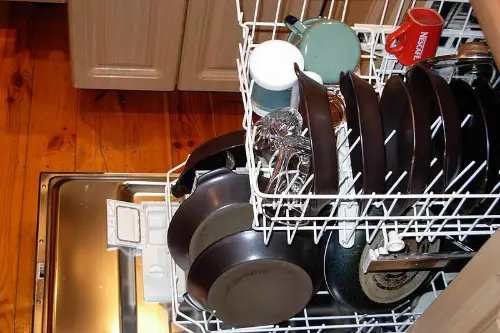
Dishwashers started appearing in American homes in the mid-20th century but were far from universal for decades. Early models were bulky and expensive appliances typically found in wealthier households. They were often built into custom kitchen cabinetry. Owning one meant less time spent washing dishes by hand.
The luxury connection came from both price and convenience. Not only did the appliance cost money, but it required plumbing modifications in some kitchens. It also suggested a household that valued time-saving technology. Today dishwashers are common, but they once felt like a modern indulgence.
9. Granite Countertops
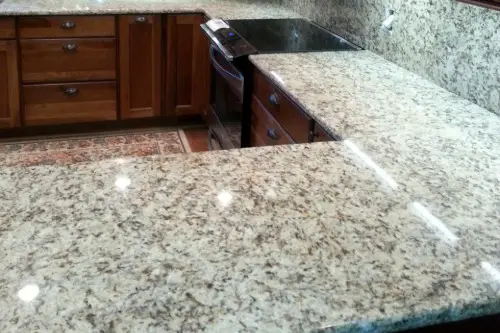
Granite countertops became a status symbol in American kitchens during the 1990s and early 2000s. Natural stone counters were marketed as durable, elegant, and upscale. Home renovation shows frequently highlighted granite as the premium option. Buyers started seeing it as a hallmark of a “dream kitchen.”
The reason it signaled luxury was the price of quarrying, cutting, and installing the stone. Each slab had to be custom fitted and professionally sealed. The material itself was imported in many cases, adding to the cost. In recent years the market expanded and alternatives appeared, making it less exclusive.
10. A Three-Car Garage

In suburban developments during the late 20th century, a three-car garage often meant a household had reached a certain financial level. Most homes were built with one- or two-car garages, so adding space for a third vehicle suggested extra room and resources. It also hinted that the family might own multiple cars. That was a sign of both mobility and prosperity.
The luxury factor came from the extra square footage and construction cost. Larger garages required bigger lots and wider driveways. Builders typically included them only in higher-end models of homes. Even today they still carry a subtle status signal in many neighborhoods.
11. A Dedicated Home Office
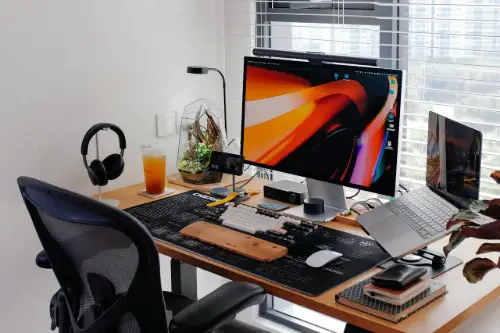
Before remote work became common, a dedicated home office was often seen as a luxury space. Many homes simply used a corner of the living room or a desk in the bedroom for paperwork. Having an entire room set aside for work suggested the house was large enough to spare the space. It also implied a professional career that required it.
The status element came from both square footage and lifestyle. Larger houses could afford rooms with specialized purposes like offices or libraries. In the 1980s and 1990s especially, real estate listings highlighted this feature. After the rise of remote work, it became much more common and practical.
12. A Big Rear-Projection TV
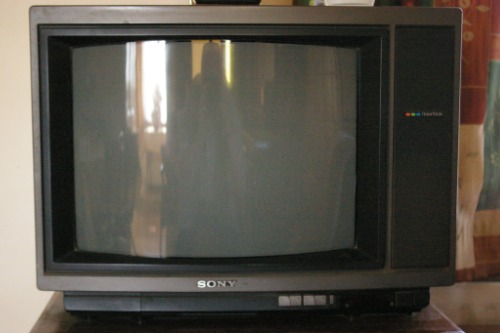
Rear-projection televisions were massive entertainment centerpieces in the 1990s and early 2000s. These TVs offered screens far larger than typical sets of the time. They often dominated living rooms and were used for movie nights and sports viewing. Owning one meant you had the biggest screen on the block.
The luxury association came from the high price and sheer size. These sets could cost thousands of dollars and required substantial space. They were also marketed as premium home theater equipment. Flat-screen TVs eventually replaced them, making those once-impressive units feel outdated.
13. Having a Second Phone Line at Home

For decades in the U.S., a second landline was a quiet but clear marker of wealth. Most households had a single phone connected to the wall, and everyone shared it. If a family had a dedicated line for the parents or a separate line for the kids, it meant they could afford extra monthly charges from the phone company. In the 1980s and 1990s especially, this was a small status symbol in suburban homes.
The reason it signaled luxury was simple: telephone service wasn’t cheap, and each additional line came with installation fees and recurring bills. Businesses and wealthier households were far more likely to justify the cost. It also suggested a busy household where people expected lots of calls. Today it feels quaint, but back then a second line meant convenience and money.
This post Things That Used to Signal “Luxury” in the U.S. was first published on American Charm.

