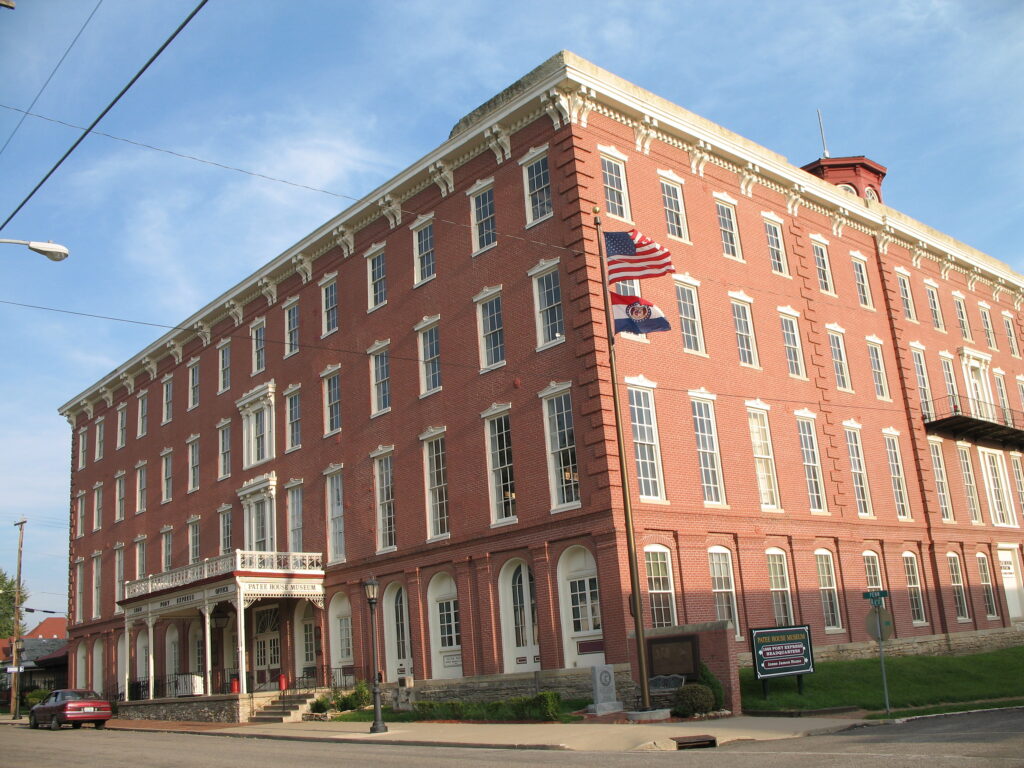
1. Levi Strauss & Co.
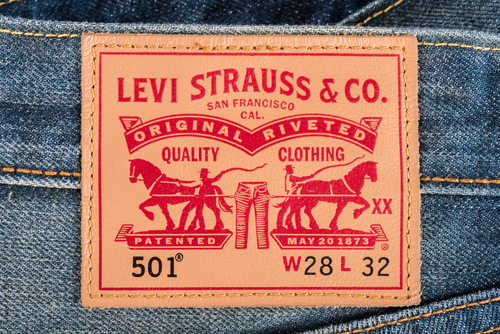
Denim jeans started as workwear, but Levi Strauss & Co. turned them into a global wardrobe staple. Founded in 1853 during the California Gold Rush by Levi Strauss, the company originally supplied durable clothing to miners and laborers. Its breakthrough came when riveted denim pants were patented in 1873 with tailor Jacob Davis. Those reinforced jeans became known as Levi’s 501.
Over time, jeans shifted from work gear to everyday clothing. Hollywood westerns and youth culture in the mid-20th century helped turn Levi’s denim into a symbol of casual style. What began as practical clothing for miners eventually became one of the most common garments in the world. Today, denim is a standard part of wardrobes across generations.
2. Coca-Cola
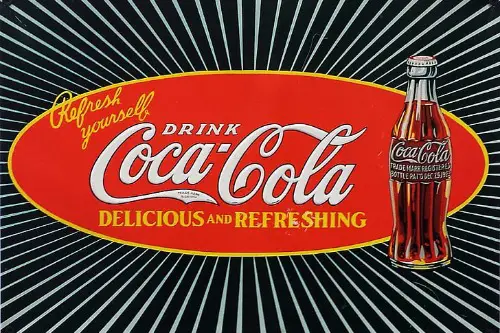
Few brands are as globally recognizable as The Coca-Cola Company. Founded in 1892 in Atlanta, the company helped define the modern soft drink industry and made soda a daily habit for millions of people. Its flagship drink, Coca-Cola, became widely popular in the early 20th century thanks to aggressive national advertising and one of the first truly global distribution systems. By making the same drink available almost everywhere, the company helped standardize what a “refreshment break” looks like.
Beyond the beverage itself, The Coca-Cola Company helped shape marketing culture in ways people still see today. The brand played a major role in popularizing the modern image of Santa Claus through advertising campaigns in the 1930s. Its glass contour bottle, introduced in 1915, became one of the most recognizable pieces of packaging ever designed. Even today, the company’s approach to branding and mass distribution influences how consumer products are marketed worldwide.
3. Apple
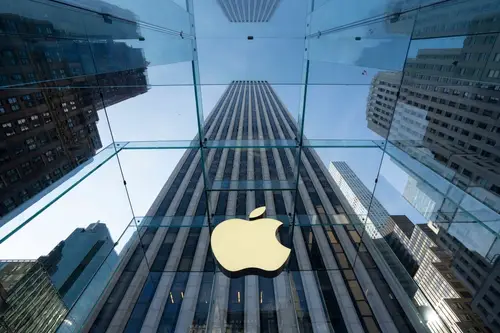
Few companies have reshaped everyday technology as dramatically as Apple Inc.. Founded in 1976 by Steve Jobs and Steve Wozniak, the company helped bring personal computing into ordinary homes with machines like the Apple II. That shift turned computers from specialized tools into everyday devices used for schoolwork, finances, and communication. It also helped kick off the broader personal computer revolution.
The company’s later products pushed everyday tech habits even further. The iPhone, introduced in 2007, merged a phone, music player, camera, and internet browser into one pocket device. That design helped normalize constant internet access and the modern app ecosystem. Today, the influence of Apple Inc. is visible in everything from touchscreen interfaces to the expectation that technology should feel simple and intuitive.
4. McDonald’s

The fast-food routine many people take for granted owes a lot to McDonald’s. Founded in 1940 by Richard McDonald and Maurice McDonald, the company introduced a streamlined kitchen system that focused on speed, consistency, and limited menus. When Ray Kroc joined in the 1950s, he turned the concept into a franchise empire. That model became a blueprint for fast food around the world.
The influence goes beyond burgers and fries. McDonald’s helped normalize drive-thru dining and fast, standardized meals for busy families. Its approach to franchising changed how restaurants expand across regions and countries. Today, countless chains use variations of the operational model it helped popularize.
5. Nike
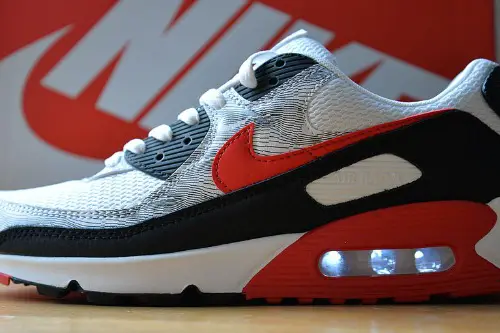
Modern sneaker culture owes a lot to Nike, Inc.. Founded in 1964 as Blue Ribbon Sports by Phil Knight and Bill Bowerman, the company initially distributed imported running shoes before designing its own. Bowerman’s early experiments with shoe soles, famously using a waffle iron, helped improve traction for runners. That spirit of experimentation set the tone for decades of sports innovation.
The brand also helped turn athletic gear into everyday fashion. Partnerships with athletes like Michael Jordan helped launch sneakers such as the Air Jordan line in 1984. Those shoes blurred the line between sports equipment and lifestyle fashion. Today, sneakers are worn just as often for style as they are for sports.
6. Walmart

Retail shopping changed dramatically with the rise of Walmart. Founded in 1962 by Sam Walton in Arkansas, the company built its business around everyday low prices and massive inventory. By focusing on rural and suburban areas first, it expanded rapidly across the United States. That strategy helped reshape how Americans shop for household goods.
The company also influenced logistics and supply chains on a huge scale. Walmart invested heavily in distribution systems and data tracking to keep prices low and shelves stocked. Many of those efficiency strategies later spread throughout the retail industry. Today, its model still shapes how large retailers operate.
7. Google
Finding information used to mean flipping through books or directories, but Google changed that habit almost overnight. Founded in 1998 by Larry Page and Sergey Brin, the company built a search engine that ranked results based on relevance rather than simple keyword matching. That approach made online searching dramatically faster and more useful. Before long, “Google it” became everyday language.
The company’s tools have become deeply embedded in daily routines. Services like Google Maps and Gmail changed how people navigate cities and communicate online. Businesses, students, and travelers rely on these platforms constantly. In many ways, the company quietly redefined how people access and share information.
8. Amazon
Shopping habits shifted dramatically after the arrival of Amazon. Founded in 1994 by Jeff Bezos, the company started as an online bookstore before expanding into nearly every retail category. Its early focus on convenience, massive selection, and customer reviews helped normalize buying products online. Over time, the company turned e-commerce into a routine part of daily life.
The influence extends to delivery expectations as well. Programs like Amazon Prime helped popularize fast, two-day shipping as a standard service. That raised consumer expectations across the entire retail industry. Today, many online stores structure their logistics around the model Amazon helped establish.
9. Johnson & Johnson

Household medicine cabinets often contain products from Johnson & Johnson. Founded in 1886, the company built its reputation around consumer healthcare and hygiene products. One of its most famous inventions is the Band-Aid adhesive bandage, introduced in 1920. The product made it easier for people to treat small cuts and injuries at home.
The company also helped normalize everyday hygiene routines. Products like Johnson’s Baby Powder and various over-the-counter medical supplies became common household staples. These items shaped how families approach minor health care and cleanliness. For generations, the brand has been associated with basic home health essentials.
10. Ford
Modern car ownership owes a lot to Ford Motor Company. Founded in 1903 by Henry Ford, the company revolutionized manufacturing with the moving assembly line in 1913. That system drastically reduced the cost of building cars. As a result, automobiles became affordable for many middle-class families.
The company’s Ford Model T became the symbol of this transformation. Produced from 1908 to 1927, it helped put millions of Americans behind the wheel for the first time. The shift changed commuting, travel, and the design of cities themselves. Suburbs, highways, and road trips all grew alongside mass car ownership.
11. Starbucks
Coffee used to be mostly a simple home or diner drink in the United States, but Starbucks changed that perception. Founded in 1971 in Seattle, the company helped popularize espresso-based drinks in mainstream American culture. By the 1990s, its cafés had spread widely across cities and suburbs. Suddenly, grabbing a latte on the way to work became a daily ritual for many people.
The company also helped define the modern coffeehouse as a social space. Starbucks locations were designed to encourage lingering, studying, and informal meetings. Free Wi-Fi and comfortable seating turned cafés into hybrid workspaces. That “third place” concept influenced countless coffee chains that followed.
12. Procter & Gamble

Many everyday household routines are tied to products from Procter & Gamble. Founded in 1837 in Cincinnati, the company grew into one of the largest consumer goods manufacturers in the world. Its brands include products like Tide detergent and Crest toothpaste. These items helped standardize daily routines like laundry and oral hygiene.
The company also played a major role in shaping modern advertising. Procter & Gamble famously sponsored daytime radio dramas in the early 20th century to promote household products. Those shows became known as “soap operas” because soap companies funded them. It’s a small cultural detail that shows just how deeply consumer brands influenced entertainment and media.
This post American Brands That Quietly Shaped Everyday Life was first published on American Charm.