
1. Separate Digital Cameras

In the early 2000s, digital cameras were a must-have gadget for vacations and family events. People carried compact cameras to capture photos and later uploaded them to a computer. Memory cards, charging cables, and photo management software were all part of the process. These cameras replaced film for many casual photographers.
Smartphone cameras eventually made separate devices less necessary. Modern phones include high-resolution cameras and built-in editing tools. Photos can also be shared instantly through messaging or social media. Because of that convenience, many people stopped buying standalone cameras altogether.
2. Paper Maps and Road Atlases
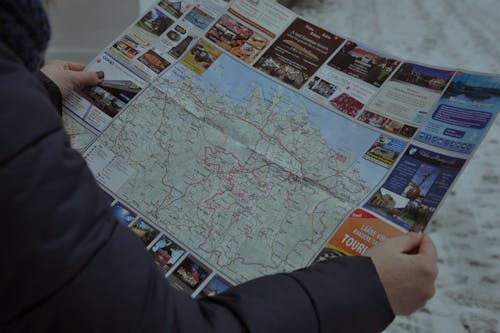
Before GPS became standard, paper maps were essential for anyone planning a road trip. Drivers often kept a folded highway map in the glove compartment or relied on thick road atlases from companies like Rand McNally. Planning a route meant tracing highways with your finger and sometimes writing down turn-by-turn directions. If you got lost, pulling over to study a map under the car’s dome light was a familiar experience.
Now most drivers rely on smartphone navigation apps that provide real-time directions. GPS technology can instantly reroute you around traffic, construction, or accidents. Because digital navigation is so convenient, many people no longer carry physical maps at all. Road atlases still exist, but they’re largely used by enthusiasts or in areas with poor cell service.
3. Phone Books

Phone books were once a yearly fixture on American doorsteps. Massive volumes like the White Pages and Yellow Pages listed local residents and businesses, making them the go-to resource for finding a number. If you needed a plumber, a pizza place, or a dentist, flipping through those pages was the standard method. Entire industries depended on advertising space in the Yellow Pages.
The internet gradually made printed directories obsolete. Online search engines and business listings now provide faster results and include reviews, maps, and hours of operation. As fewer people used printed directories, many communities stopped distributing them altogether. In some places they still exist, but they’re far less common and often opt-in.
4. Encyclopedias
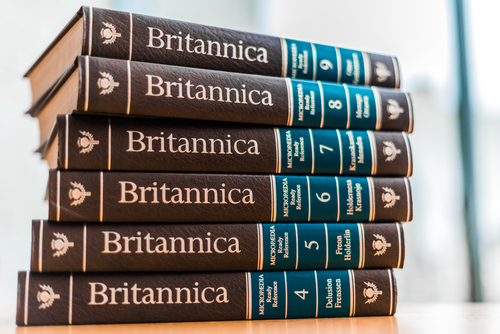
Owning a set of encyclopedias used to be seen as a sign that a family valued education. Multi-volume sets like Encyclopaedia Britannica filled entire shelves and were often sold door-to-door. Students relied on them for school reports, and families consulted them to settle trivia questions. They were expensive, but many parents considered them an investment in their children’s learning.
The rise of the internet dramatically changed how people look up information. Online resources can be updated instantly and searched in seconds. Websites like Wikipedia and digital libraries offer far more accessible information than a static set of books. As a result, printed encyclopedia sales dropped sharply in the early 2000s.
5. Video Rental Stores
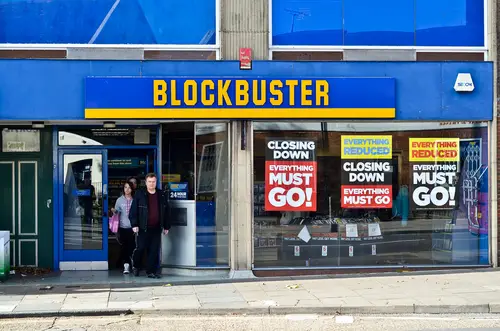
On a Friday night in the 1990s, a trip to the video rental store was practically a weekly ritual. Families wandered aisles of VHS tapes or DVDs deciding what movie to watch for the weekend. Stores like Blockbuster thrived on this model, charging rental fees and late penalties if movies were returned late. It was one of the main ways Americans accessed movies outside of theaters.
Streaming services changed that routine almost overnight. Platforms now allow viewers to watch thousands of films and shows instantly from home. Without the need to physically rent discs, most video rental chains shut down during the 2010s. Today, the idea of driving somewhere just to borrow a movie feels surprisingly outdated.
6. Personal Checkbooks
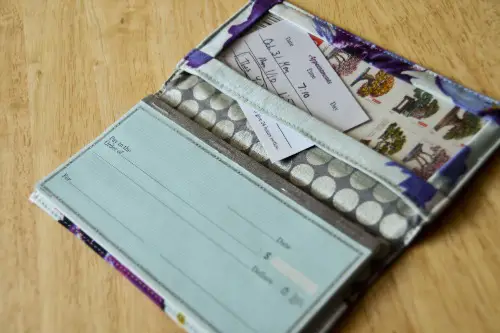
Writing a check used to be a normal way to pay for everyday purchases. People kept checkbooks in their wallets and balanced their bank accounts using handwritten registers. Checks were common for paying bills, rent, or even groceries. Many stores routinely asked for ID before accepting them.
Electronic payment systems have largely replaced this practice. Debit cards, online banking, and mobile payment apps now process transactions instantly. Businesses often prefer digital payments because they clear faster and reduce fraud risks. While checks still exist, they’re mostly reserved for specific situations like rent or official payments.
7. Alarm Clocks
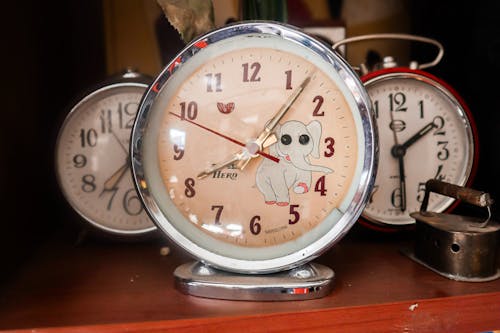
For much of the twentieth century, a bedside alarm clock was a basic household item. Many people relied on the familiar buzzing sound to wake up in time for work or school. Digital alarm clocks became especially common in the 1980s and 1990s, often glowing red on a nightstand. Some models even included radios so users could wake up to music.
Smartphones have largely absorbed this function. Most people now set alarms directly on their phones, which also provide multiple alarms, custom tones, and backup reminders. Because phones are typically kept nearby overnight, there’s little need for a separate device. As a result, dedicated alarm clock sales have declined significantly.
8. Desktop Computers in Every Home
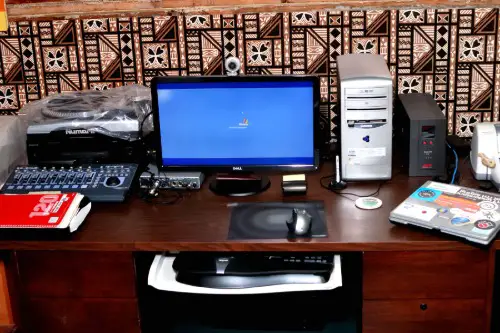
In the 1990s and early 2000s, having a family desktop computer was considered essential. These bulky machines usually sat in a shared space like a home office or living room. Families used them for schoolwork, email, and early internet browsing. Owning one was often seen as necessary to keep up with technology.
Mobile devices have shifted that expectation. Many everyday tasks once done on desktops can now be handled by smartphones or tablets. Laptops also replaced large stationary computers for people who still need full computing power. While desktops still exist, they’re no longer the default household tech centerpiece.
9. Cable TV Subscriptions
Cable television once dominated home entertainment in the United States. By the early 2000s, millions of households paid monthly fees for hundreds of channels. Families scheduled their evenings around TV programming because shows aired at specific times. DVRs later helped people record episodes, but the system still revolved around cable packages.
Streaming services have disrupted that model. Platforms now allow viewers to watch shows on demand without committing to traditional cable contracts. Many households have “cut the cord” in favor of cheaper or more flexible streaming options. Cable still exists, but it’s no longer the automatic default for watching TV.
10. Landline Phones
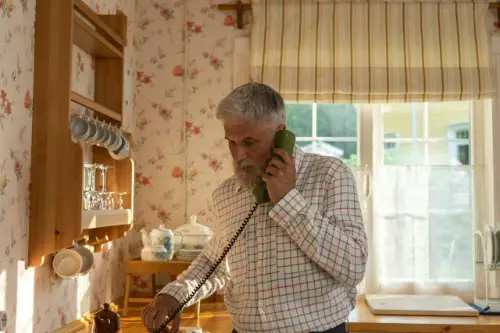
For decades, a landline phone anchored the American household. Families gathered around a single device mounted on the kitchen wall or sitting on a hallway table, and missing a call often meant missing important news. In the 1980s and 1990s, nearly every home had one because it was the primary way people stayed in touch. Long-distance plans, answering machines, and even decorative phone cords were once everyday concerns.
Today, landlines have largely been replaced by mobile phones. The rise of smartphones in the 2000s made it possible to carry a personal phone everywhere, removing the need for a shared household line. Younger Americans in particular often skip landlines entirely when setting up a home. As a result, many phone companies have discontinued traditional service or shifted customers to internet-based alternatives.
11. CD Collections
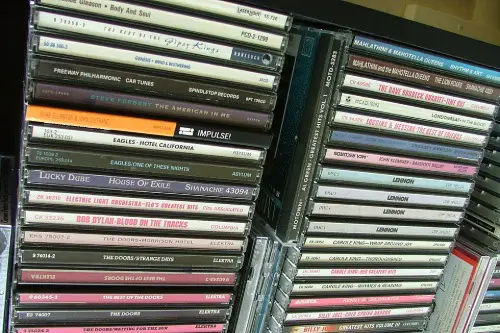
Building a CD collection was once a big part of music culture in the United States. People proudly displayed racks of albums and carried portable CD players in their cars. Buying a new CD from a music store was a common weekend activity. Many listeners associated specific albums with certain periods of their lives.
Digital music and streaming platforms changed how people listen. Services now give users access to millions of songs without needing physical media. Instead of storing discs, people keep playlists on their phones or computers. CDs still exist for collectors and audiophiles, but they’re no longer essential for everyday listening.
This post Things Americans Once Considered Essential That Aren’t Anymore was first published on American Charm.

