
1. Groceries Delivered to Your Door in Hours
For most of the 20th century, grocery shopping meant physically going to a store, pushing a cart, and carrying bags home yourself. Today, millions of Americans can tap a phone screen and have groceries delivered within hours. Services like Instacart, Walmart delivery, and Amazon Fresh have turned what used to be a weekly chore into an on-demand service. For people in the 1950s or even the 1980s, the idea that milk, produce, and frozen food could appear at your doorstep the same day would have sounded like pure luxury.
This shift reflects how logistics technology and gig work have reshaped everyday errands. Warehouses, real-time inventory systems, and GPS routing allow delivery drivers to fulfill orders quickly and efficiently. Earlier generations had mail-order catalogs, but fresh food delivery at scale simply wasn’t feasible. The speed and convenience would likely feel astonishing to anyone who grew up planning meals around a once-a-week shopping trip.
2. A Supercomputer in Your Pocket
Modern smartphones contain computing power that dwarfs what early space missions used. The Apollo 11 guidance computer had about 64 KB of memory, while even budget smartphones today have billions of times more processing capability. On top of that, these devices combine a phone, camera, map, music player, TV, and library in one pocket-sized gadget. For people who remember rotary phones attached to a wall, this level of capability would feel almost unbelievable.
The shock isn’t just the power, but the constant connectivity. A person can video chat across continents, stream movies on the bus, or look up any fact in seconds. Previous generations relied on landlines, printed maps, and physical encyclopedias for the same tasks. The idea that one handheld device could replace so many tools would have seemed wildly futuristic.
3. Streaming Any Movie or Show on Demand

Not long ago, watching something meant being home at the exact time it aired. Television schedules dictated when people could watch their favorite programs, and missing an episode often meant waiting for reruns. Now, streaming services let viewers instantly access thousands of movies and shows whenever they want. The shift from appointment viewing to on-demand entertainment would have stunned families who planned their evenings around TV listings.
The sheer volume of available content is also unprecedented. Instead of a handful of broadcast channels, viewers now choose from massive libraries on multiple platforms. Entire seasons drop at once, making binge-watching possible in ways older viewers never experienced. To someone from the 1970s, having a private, limitless video store inside the TV would feel like science fiction.
4. Smart Homes That Respond to Your Voice
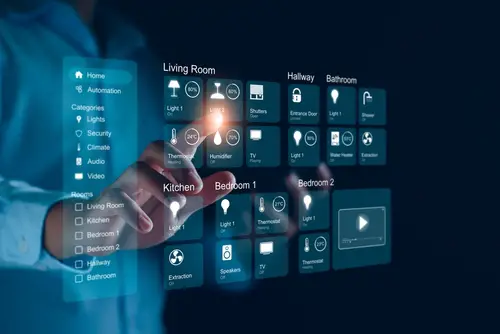
Voice assistants can turn lights on, adjust thermostats, lock doors, and play music with a simple spoken command. Devices connected through smart home systems allow people to control appliances from across the room or across the country. For someone who grew up manually adjusting every switch and dial, the concept of talking to your house would sound bizarre. Yet for many households, this kind of automation is now routine.
The technology relies on internet connectivity, sensors, and cloud computing working together behind the scenes. Thermostats learn habits, doorbells show live video, and lights can be scheduled automatically. Earlier generations did see the first remote controls and automatic timers, but nothing close to this level of integrated control. A home that responds to your voice would have seemed like something from a futuristic cartoon.
5. GPS Navigation That Eliminates Paper Maps
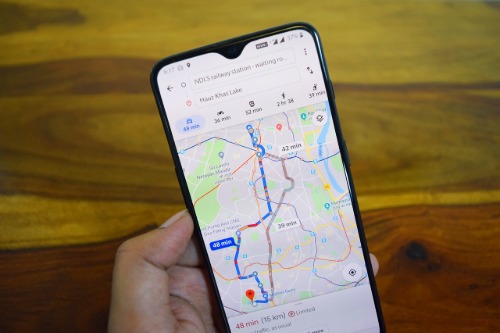
Getting lost used to be a normal part of traveling. Drivers relied on printed maps, road atlases, or written directions, and a wrong turn could mean pulling over to ask someone for help. Today, GPS navigation gives turn-by-turn directions in real time on a phone or car screen. It can even reroute drivers instantly around traffic jams.
The satellite system behind GPS became widely available for civilian use in the 1990s, but its integration into everyday life happened later with smartphones. Modern navigation apps combine satellite positioning with live traffic data from millions of users. This means the device not only knows where you are but can estimate arrival times with surprising accuracy. For someone who once unfolded giant paper maps on a car hood, the difference would be dramatic.
6. Video Calls From Almost Anywhere

For most of history, long-distance communication meant letters that took days or weeks to arrive. Later, landline phones made real-time conversations possible, but seeing the other person remained the stuff of science fiction. Today, video calls are common for work meetings, family chats, and even doctor visits. The ability to instantly see someone thousands of miles away would have amazed earlier generations.
The shift accelerated during the COVID-19 pandemic when remote communication became essential. Platforms made it easy for classrooms, offices, and social gatherings to move online almost overnight. People now routinely join meetings from kitchens, airports, or park benches. The idea that a small camera in a laptop could connect faces across continents would have seemed extraordinary just a few decades ago.
7. Instant Access to Almost All Human Knowledge
There was a time when finding information required a trip to the library. Students flipped through card catalogs, searched shelves for books, and spent hours tracking down sources. Today, a search engine can deliver answers to most everyday questions in seconds. This level of information access would have felt revolutionary to anyone raised before the internet.
The scope of available knowledge is equally surprising. Digital archives include academic papers, historical records, maps, and instructional videos on nearly any skill imaginable. Even complex topics can be explained through tutorials and visual guides online. Earlier generations had encyclopedias at home, but those were static and quickly outdated compared to constantly updated digital information.
8. Cashless Payments With a Tap or Phone
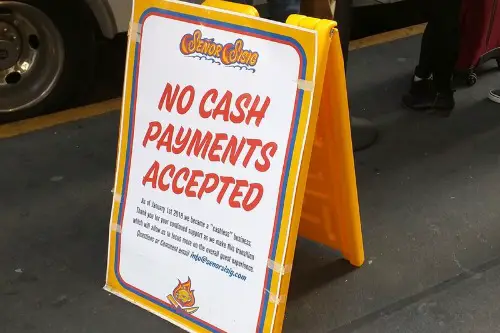
For much of the 20th century, everyday purchases were made with cash or checks. Credit cards became more common in the late 1900s, but transactions still required swiping and signatures. Today, many Americans pay by tapping a card or holding up a phone or smartwatch. The speed and simplicity of contactless payments would have surprised shoppers who once balanced checkbooks by hand.
Behind the scenes, encrypted digital systems process transactions in seconds. Mobile wallets store multiple cards securely and can even replace physical tickets and boarding passes. Some stores now operate entirely without cash registers, relying on automated checkout systems. For someone used to counting bills and coins, paying with a wave of a phone would feel almost magical.
9. Same-Day Online Shopping
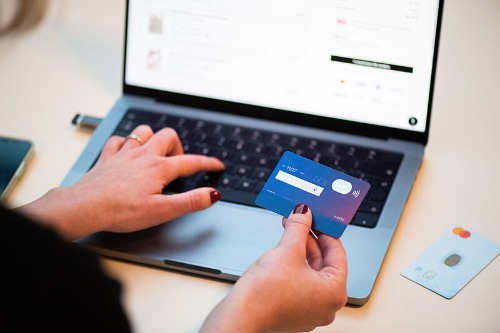
Mail-order shopping has existed for over a century, but it used to take weeks for packages to arrive. Customers browsed thick catalogs, mailed in order forms, and waited patiently for delivery. Today, many online retailers promise same-day or next-day shipping for thousands of items. The speed of modern e-commerce would have been unimaginable when catalog orders traveled by post.
Massive fulfillment centers and advanced logistics networks make this possible. Algorithms predict demand, warehouses use robotics, and shipping routes are optimized down to the minute. Consumers now expect near-instant gratification when buying everyday goods online. Someone who once waited a month for a catalog purchase would likely be astonished by how quickly packages arrive today.
10. Entire Offices That Exist Online
Work used to be tied to a physical place filled with desks, filing cabinets, and paper documents. Many modern jobs now happen almost entirely online, with teams collaborating through digital platforms. Documents live in the cloud, meetings happen over video, and coworkers may never meet in person. Earlier generations would likely find the idea of a fully virtual workplace strange.
The shift became especially visible during the early 2020s when remote work expanded dramatically. High-speed internet, collaboration software, and cloud storage allow people to work from homes, cafés, or even different countries. Companies can operate across time zones without centralized offices. For workers who once relied on typewriters and physical memos, this transformation would feel enormous.
11. Entertainment and Music Available Instantly
Listening to music once meant owning physical records, tapes, or CDs. People built collections slowly, and discovering new artists required radio, stores, or recommendations from friends. Now, streaming platforms give users access to tens of millions of songs instantly. The ability to play almost any track ever recorded within seconds would have stunned earlier listeners.
The change also reshaped how people discover entertainment. Algorithms recommend new artists, curated playlists replace mixtapes, and entire discographies are available at once. Instead of carefully protecting a small music library, listeners now carry massive catalogs in their pockets. For someone who once saved up for a single album, the abundance of music today would feel extraordinary.
This post Modern Convenience Trends That Would Have Shocked Previous Generations was first published on American Charm.

