
1. Staunton, Virginia
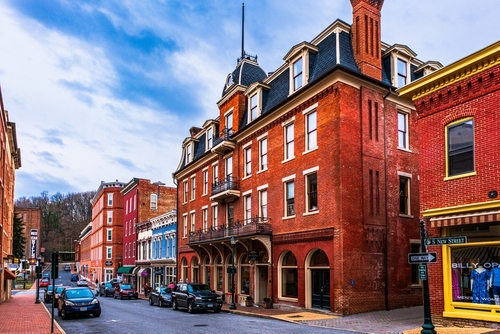
Staunton sits in Virginia’s Shenandoah Valley and has managed to preserve its historic charm without becoming overly polished. Its downtown is filled with well-preserved 19th-century buildings, many of which now hold independent restaurants, bookstores, and galleries. The city is also known as the birthplace of President Woodrow Wilson, and his presidential library remains a major local landmark. Retirees looking for a walkable small city with strong cultural roots often find Staunton appealing.
The arts scene punches well above its weight thanks to the American Shakespeare Center and its replica of Shakespeare’s indoor Blackfriars Playhouse. Performances run year-round, drawing theater lovers from across the region. Outdoor lovers also appreciate easy access to the Blue Ridge Parkway and Shenandoah National Park. The result is a town that feels historic and lively rather than frozen in time.
2. Bisbee, Arizona
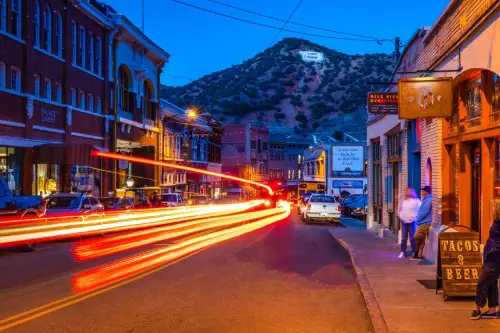
Tucked into the Mule Mountains just a few miles from the Mexican border, Bisbee feels like a town that never rushed to modernize—and that’s exactly the appeal. Once a booming copper-mining hub, it’s now known for its colorful hillside houses, steep staircases, and surprisingly vibrant arts scene. The historic downtown around Brewery Gulch still has century-old brick buildings filled with galleries, cafes, and vintage shops. For retirees who want somewhere creative and a little unconventional, Bisbee offers a refreshing alternative to Arizona’s more polished retirement cities.
Life here moves slowly, but it’s far from dull. Locals gather for community events like the Bisbee 1000 Stair Climb and the town’s quirky festivals that celebrate everything from music to vintage cars. The mild high-desert climate means cooler summers than Phoenix and comfortable winters. It’s the kind of place where neighbors know each other, and newcomers often find it easy to become part of the community.
3. Traverse City, Michigan
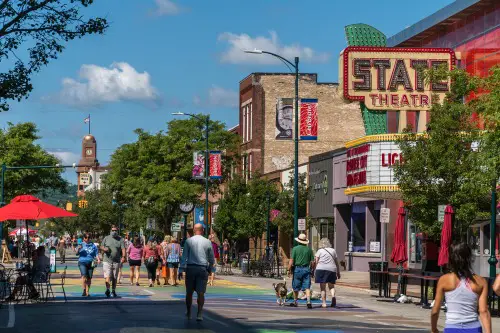
Traverse City sits on the edge of Lake Michigan’s Grand Traverse Bay and still feels more like a working lakeside town than a tourist machine. While summer visitors arrive for beaches and sailing, the city retains a strong local identity built around agriculture and lake life. Cherry orchards blanket the surrounding countryside, which is why the annual National Cherry Festival is such a big deal here. Retirees who want scenic water views without big-city congestion often find Traverse City hits a sweet spot.
What keeps it authentic is the balance between nature and community. Farmers markets, small wineries, and locally owned restaurants dominate the food scene rather than chains. The nearby Sleeping Bear Dunes National Lakeshore offers miles of trails and dramatic sand bluffs overlooking Lake Michigan. Add four distinct seasons and a lively arts scene, and you get a place that feels rooted rather than manufactured.
4. Astoria, Oregon
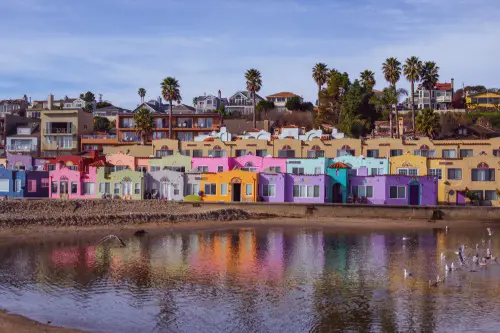
Perched where the Columbia River meets the Pacific Ocean, Astoria is one of the oldest American settlements west of the Rockies. Its steep hillsides, Victorian homes, and working waterfront give the town a lived-in character that’s hard to replicate. The fishing and shipping industries are still active here, so it doesn’t feel like a place built purely for visitors. For retirees who appreciate maritime history and moody coastal scenery, Astoria offers something special.
Downtown’s historic buildings now house bookstores, coffee shops, and small breweries that locals actually frequent. The Astoria Riverwalk stretches along the waterfront and is perfect for slow morning walks or bike rides. Cultural institutions like the Columbia River Maritime Museum help preserve the town’s seafaring heritage. The nearby Oregon Coast provides endless opportunities for day trips, wildlife watching, and exploring rugged beaches.
5. Galena, Illinois
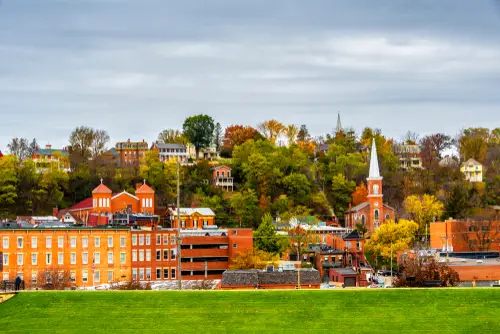
Galena feels like stepping into a preserved slice of 19th-century America. Nearly 85 percent of its buildings sit within a historic district, giving the town a remarkably consistent architectural character. Once a major Mississippi River port during the lead mining boom, it later became the home of Civil War general and president Ulysses S. Grant. Today, retirees are drawn to its scenic hills and carefully preserved downtown.
Main Street stretches for several blocks with brick storefronts housing bakeries, antique shops, and family-run restaurants. Community events like seasonal markets and holiday festivals keep the town lively throughout the year. The surrounding Driftless Area provides rolling hills, wineries, and scenic drives that feel a world away from the Midwest’s flatter landscapes. It’s a place where history is part of everyday life rather than a theme.
6. Beaufort, South Carolina

Beaufort sits along the South Carolina coast and still carries the relaxed rhythm of an old Southern waterfront town. Its downtown historic district features antebellum homes, moss-draped oaks, and quiet streets that seem built for afternoon strolls. The town’s location on Port Royal Island means marsh views and tidal creeks are never far away. For retirees seeking coastal living without the intensity of bigger beach resorts, Beaufort offers a gentler alternative.
The community has a long tradition tied to fishing, shrimping, and military service thanks to nearby Marine Corps installations. Waterfront Park serves as a gathering place where locals watch boats drift along the Beaufort River. Cultural events like the Beaufort International Film Festival add a modern touch without overwhelming the town’s character. It’s coastal life with deep roots and a slower pace.
7. Silver City, New Mexico
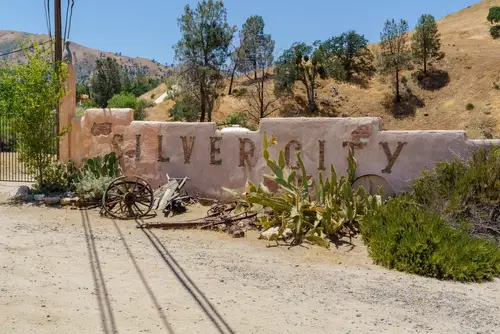
Silver City began as a mining town in the late 1800s, but today it has evolved into an arts-focused community with a distinctly Southwestern personality. Its historic downtown still includes preserved brick buildings from the mining era, many now housing studios, cafes, and galleries. The town sits at about 6,000 feet in elevation, giving it cooler temperatures than much of southern New Mexico. Retirees looking for desert scenery without extreme heat often find Silver City appealing.
The surrounding Gila National Forest offers remarkable outdoor access, including hiking trails and wilderness areas that feel wonderfully remote. The area is also home to the Gila Cliff Dwellings National Monument, where ancient Mogollon structures are built directly into the cliffs. Community events like the Silver City Blues Festival keep the town lively throughout the year. Despite its small size, it maintains a strong sense of local pride and independence.
8. Port Townsend, Washington
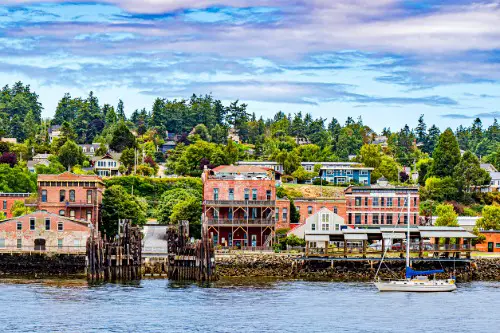
Port Townsend sits on the northeastern tip of Washington’s Olympic Peninsula and looks much like it did during its 19th-century maritime heyday. Dozens of Victorian buildings line the waterfront, giving the downtown a cohesive historic feel. The town once expected to become a major shipping port, and although that boom never fully materialized, the architecture remains as a reminder of those ambitions. Today, retirees are drawn to its artistic spirit and stunning views of Puget Sound.
A strong maritime culture still thrives here, especially during the annual Wooden Boat Festival that draws boatbuilders and enthusiasts from around the world. Small theaters, bookstores, and music venues give the town a vibrant cultural scene. Nearby Fort Worden State Park offers beaches, trails, and historic military structures to explore. Life in Port Townsend blends coastal scenery with a creative community that values preservation.
9. Eureka Springs, Arkansas
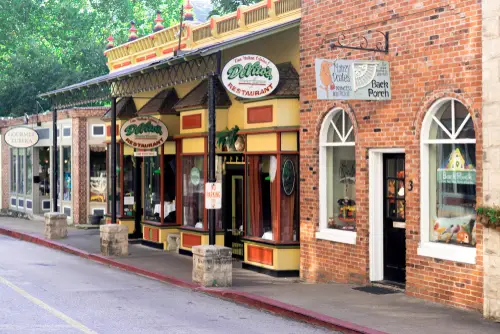
Eureka Springs winds through the Ozark Mountains with steep streets and Victorian buildings that make it feel delightfully unconventional. Founded as a spa town in the late 1800s, it quickly became known for the natural springs believed to have healing properties. Because the town sits on a mountainside, its historic center developed without a traditional grid, creating a maze of stairways and narrow lanes. Retirees who enjoy quirky, character-filled places often feel at home here.
The entire downtown is listed on the National Register of Historic Places, which helps protect its architectural charm. Art galleries, independent shops, and cafes fill restored buildings that date back more than a century. Outdoor recreation is also close at hand with nearby Beaver Lake and miles of Ozark hiking trails. The community embraces its offbeat reputation, making it both welcoming and refreshingly unique.
10. Lanesboro, Minnesota
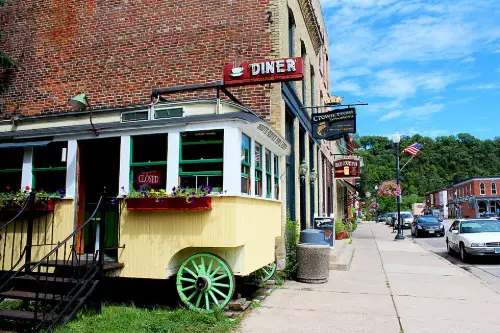
Lanesboro sits in southeastern Minnesota’s bluff country and is often called the “Bed and Breakfast Capital of Minnesota.” The town grew during the railroad era, and many of its 19th-century buildings remain beautifully preserved. Today the Root River runs quietly past downtown, adding to the town’s peaceful setting. Retirees looking for small-town life with natural beauty often discover Lanesboro almost by accident.
The Root River State Trail runs through town and attracts cyclists, walkers, and birdwatchers throughout the warmer months. Lanesboro is also known for its arts scene, especially the Commonweal Theatre Company, which stages professional productions year-round. Local shops and cafes cluster along Parkway Avenue, creating a walkable downtown. Even with visitors passing through, the town retains a genuine community feel.
11. Camden, Maine
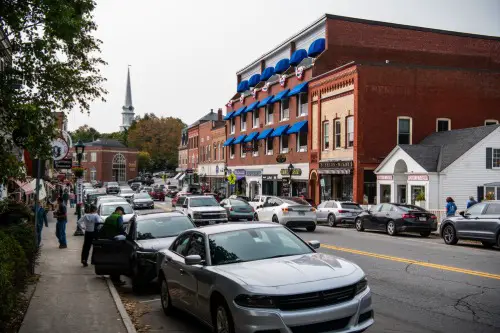
Camden sits along Maine’s mid-coast and combines classic New England harbor scenery with a deeply rooted local culture. Fishing boats and sailboats still share the harbor, giving the waterfront a working character rather than a purely tourist-focused one. The town is framed by Camden Hills, which rise sharply behind the harbor and provide sweeping views of Penobscot Bay. Retirees who want coastal beauty without the bustle of larger seaside towns often find Camden appealing.
Outdoor access is a major part of life here. Camden Hills State Park offers hiking trails that climb to overlooks where the mountains seem to meet the sea. The harbor stays active year-round with sailing, lobstering, and seasonal windjammer cruises. Despite its scenic reputation, the town maintains a strong sense of community through farmers markets, small businesses, and local traditions.
This post Retirement Destinations That Still Feel Authentic was first published on American Charm.

