
1. Akron, Ohio
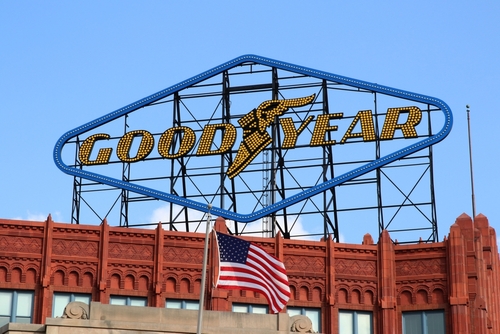
Akron once proudly called itself the “Rubber Capital of the World,” thanks to tire giants like Goodyear, Firestone, and Goodrich. When most of that industry left or shrank in the late 20th century, the city lost not just jobs but a defining identity. Today, Akron promotes its polymer research sector and ties to the University of Akron, but that message hasn’t fully replaced its industrial past. Residents often feel the city is still figuring out whether it’s a legacy manufacturing town or a modern research hub.
Downtown revitalization has brought new restaurants, apartments, and arts spaces, especially around the Akron Civic Theatre and the city’s historic canal corridor. Yet large stretches of the city still show the scars of deindustrialization and population decline. Akron’s population has dropped dramatically since its mid-20th century peak, leaving behind vacant housing and uneven neighborhood recovery. The result is a city trying to tell a forward-looking story while still wrestling with a powerful industrial legacy.
2. Fresno, California
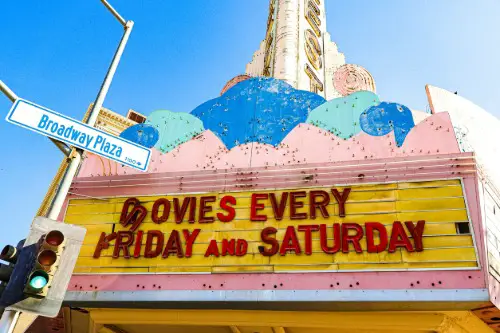
Fresno sits in the heart of California’s agricultural powerhouse, the San Joaquin Valley, and for decades its identity was straightforward: it was a farm economy city. But rapid population growth has pushed Fresno closer to being a major urban center rather than just an agricultural service hub. The city now has a population of more than half a million, yet it still struggles to shed its reputation as merely a “big small town.” That tension between metropolitan ambition and rural roots has created a kind of civic identity tug-of-war.
City leaders have invested heavily in downtown redevelopment and cultural amenities, hoping to position Fresno as a true regional capital. At the same time, agriculture still dominates the surrounding economy and culture, and many residents see that heritage as inseparable from the city’s character. Fresno is also grappling with some of California’s highest poverty rates among large cities, complicating its efforts to rebrand. As a result, it often feels like Fresno is caught between two narratives: rising metropolis and agricultural anchor.
3. Buffalo, New York
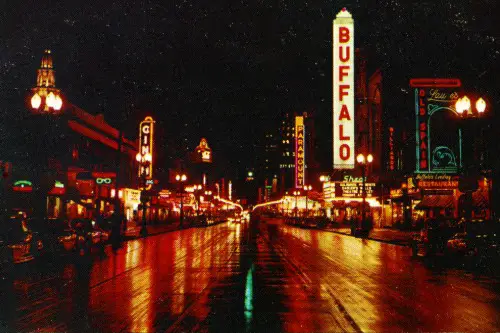
Buffalo was once one of America’s most important industrial cities, thriving as a manufacturing and shipping hub along the Great Lakes and the Erie Canal. When factories closed and population plummeted in the late 20th century, Buffalo became a symbol of Rust Belt decline. Over the past two decades, however, the city has tried to redefine itself with waterfront redevelopment, tourism, and growing medical and research sectors. That revival has been real in places, but it hasn’t erased the city’s complicated relationship with its past.
Neighborhoods like Elmwood Village and Larkin Square have become symbols of Buffalo’s comeback narrative. At the same time, many longtime residents feel the city is still overshadowed by its industrial history and decades of population loss. The question lingering over Buffalo is whether it’s a comeback story or still a city in recovery. That ambiguity has left its civic identity somewhat unsettled.
4. Birmingham, Alabama
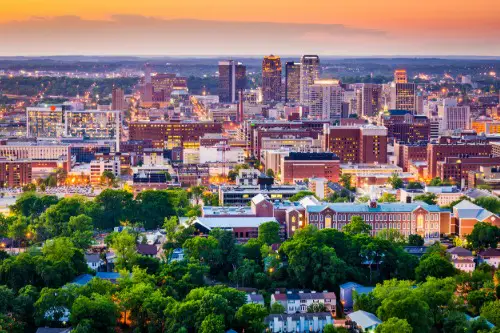
Birmingham was once the industrial powerhouse of the South, earning the nickname “The Pittsburgh of the South” because of its steel industry. When that industry declined in the late 20th century, Birmingham lost a major pillar of its economic identity. In recent decades, the city has pivoted toward healthcare, banking, and higher education. Yet the transition has left some residents unsure how the city should define itself moving forward.
The city also carries an enormous historical legacy tied to the Civil Rights Movement. Landmarks and museums commemorate Birmingham’s role in that struggle, which has become central to its national reputation. But local leaders also want the city to be seen as modern and forward-looking rather than defined only by its past. Balancing historical significance with a new economic identity remains a challenge.
5. Des Moines, Iowa
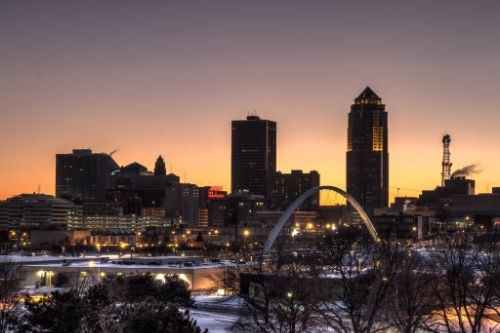
Des Moines has quietly grown into one of the Midwest’s most important insurance and financial services centers. Companies like Principal Financial Group and Nationwide have major operations in the region, bringing steady economic growth. Despite that, Des Moines still struggles with the perception that it’s simply a quiet agricultural state capital. The gap between its economic reality and its public image creates an identity disconnect.
Downtown development has accelerated in recent years with new housing, entertainment districts, and corporate offices. The city is also trying to market itself as a tech-friendly, affordable alternative to larger metropolitan areas. Still, many Americans associate Iowa almost entirely with farming and presidential caucuses. That leaves Des Moines trying to redefine itself as something more dynamic than outsiders expect.
6. Tulsa, Oklahoma
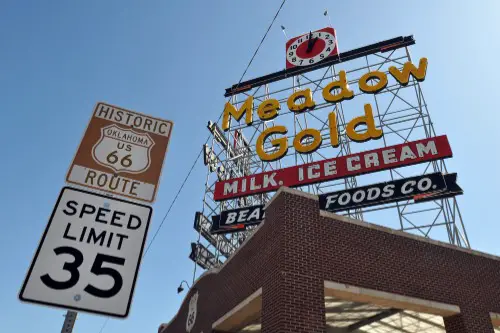
Tulsa built its fortune on oil and was once known as the “Oil Capital of the World.” When the energy industry experienced major downturns in the 1980s, the city was forced to rethink its economic future. Since then, Tulsa has tried to diversify into aerospace, finance, and technology sectors. Yet its identity remains deeply tied to its petroleum past.
In recent years, initiatives like the Tulsa Remote program have tried to attract remote workers and creative professionals. The city has also invested heavily in arts districts, public spaces, and riverfront development. These efforts signal a desire to shift from an oil town to a creative, livable mid-sized city. But the transition is still unfolding, leaving Tulsa in a kind of cultural in-between phase.
7. Richmond, Virginia
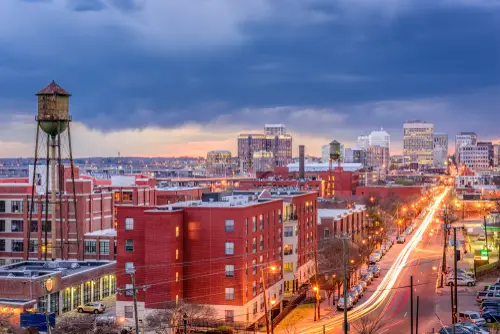
Richmond has a long and complex identity shaped by its history as the capital of the Confederacy. For decades, monuments and historical narratives tied the city closely to that past. In recent years, especially after the removal of Confederate statues along Monument Avenue, Richmond has been actively reconsidering how it presents its history. That shift has sparked broader questions about what defines the city today.
At the same time, Richmond has experienced a surge of growth in arts, food culture, and craft brewing. Neighborhoods like Scott’s Addition have transformed from industrial zones into lively entertainment districts. Younger residents often see Richmond as a creative and progressive Southern city. But reconciling that modern image with its historical legacy remains an ongoing challenge.
8. Grand Rapids, Michigan
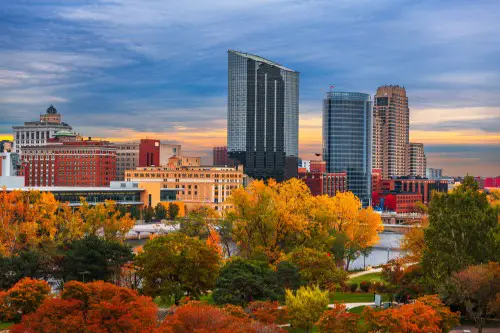
Grand Rapids built its reputation as “Furniture City,” thanks to a booming furniture manufacturing industry in the late 19th and early 20th centuries. While some manufacturing still exists, the city has largely transitioned to healthcare, education, and design industries. That shift has changed how residents think about the city’s economic identity. The old nickname doesn’t quite capture what Grand Rapids has become.
The city has also gained national attention for its craft beer scene and downtown revitalization. ArtPrize, a large international art competition founded in 2009, helped position Grand Rapids as a cultural destination. Even so, many people outside Michigan still picture it primarily as an industrial town. That disconnect between perception and reality leaves the city redefining its brand.
9. Boise, Idaho
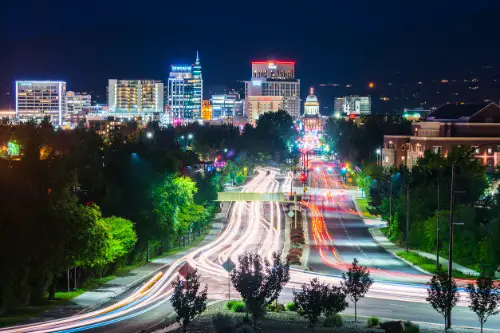
Boise has transformed rapidly over the past two decades, fueled by population growth and an influx of newcomers from larger western cities. What was once a relatively quiet regional capital has become one of the fastest-growing metro areas in the country. That growth has reshaped the local economy and culture in noticeable ways. Longtime residents often feel the city they knew is evolving into something unfamiliar.
The city now promotes itself as an outdoor lifestyle hub with a growing tech sector and vibrant downtown. Companies and remote workers have helped diversify the economy beyond traditional industries like agriculture and food processing. But rising housing costs and rapid development have sparked debates about what Boise should become. The city is still negotiating the balance between its laid-back past and its booming present.
10. Knoxville, Tennessee
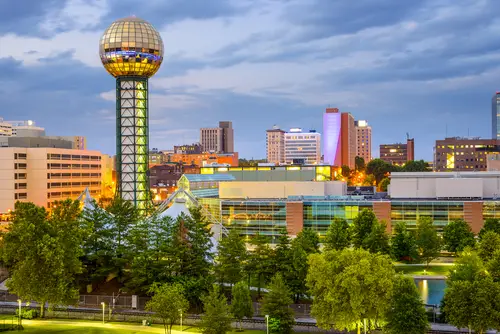
Knoxville sits between two powerful influences: the University of Tennessee and the tourism economy of the nearby Great Smoky Mountains. For decades, the city’s identity has been closely tied to college sports and regional tourism. But in recent years Knoxville has tried to expand beyond those associations. Leaders want it to be seen as a vibrant mid-sized city in its own right.
Downtown Knoxville has seen a wave of redevelopment, with new apartments, restaurants, and cultural venues filling historic buildings. The city has also invested in riverfront improvements and urban greenways. These efforts are reshaping how residents and visitors experience the city. Still, Knoxville often struggles to articulate a distinct identity separate from the university and nearby national park.
11. Albuquerque, New Mexico
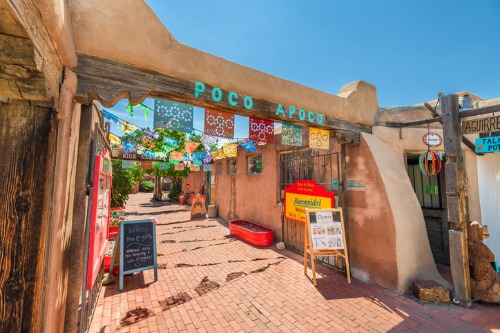
Albuquerque has long been known for its Southwestern culture, desert landscapes, and the annual Albuquerque International Balloon Fiesta. In recent years, however, the city has gained a different kind of fame through the television series Breaking Bad and Better Call Saul. That pop culture association has boosted tourism but also overshadowed other aspects of the city’s identity. Some residents worry the city is becoming defined by fictional crime drama.
At the same time, Albuquerque has tried to position itself as a growing hub for film production and creative industries. Major studios and production facilities have expanded in the area, bringing jobs and investment. The city is also home to major scientific institutions tied to nearby national laboratories. Balancing its cultural heritage, media reputation, and science economy has created a complicated civic identity.
12. Spokane, Washington
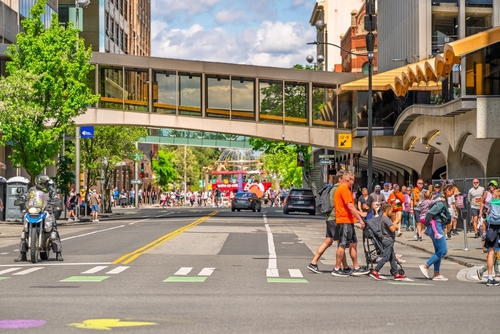
Spokane historically served as a regional hub for mining, railroads, and agriculture across the Inland Northwest. As those industries declined or changed, the city had to rethink its economic role. Healthcare, education, and logistics have since become major employers. Still, Spokane sometimes struggles to define itself beyond being eastern Washington’s biggest city.
The city has invested heavily in downtown revitalization, particularly around Riverfront Park and the Spokane River. Outdoor recreation and proximity to nature have also become key parts of Spokane’s modern image. Yet it remains overshadowed by Seattle’s global reputation on the western side of the state. Spokane continues searching for a distinctive identity that stands on its own.
13. Dayton, Ohio
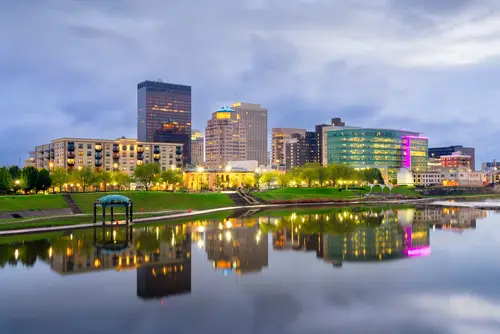
Dayton has one of the most remarkable innovation histories in the United States. It’s the hometown of the Wright brothers and was once a center for invention and manufacturing. Companies like NCR helped make Dayton a hub of industrial research and engineering during the 20th century. When many of those industries declined or relocated, the city lost a major part of its economic identity.
Today, Dayton’s economy is heavily influenced by Wright-Patterson Air Force Base and related aerospace research. The city has leaned into its aviation heritage with museums and technology initiatives. Even so, Dayton still grapples with population decline and the lingering effects of industrial loss. The result is a city proud of its innovation past but still working to define its future.
This post Mid-Sized Cities Experiencing an Identity Crisis was first published on American Charm.

