1. Spokane, Washington
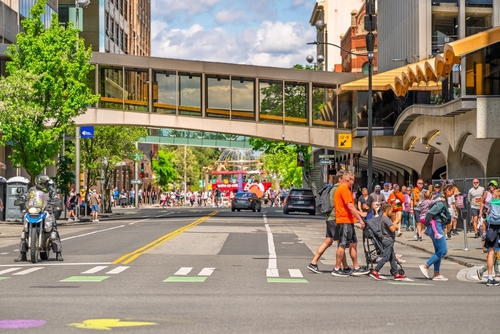
Spokane offers a Pacific Northwest lifestyle at a lower price point than Seattle or Portland. Located in eastern Washington near the Idaho border, it sits along the Spokane River and features a large urban park surrounding its downtown waterfalls. Riverfront Park is a centerpiece of the city, built on the site of the 1974 World’s Fair. It gives the city a scenic and accessible downtown gathering space.
The surrounding region is full of lakes, forests, and ski resorts. That proximity makes weekend adventures easy for residents. Spokane’s housing costs have historically been lower than those on the coast, which has attracted remote workers and retirees alike. Many people say it feels like a practical alternative to the larger Northwest cities.
2. Asheville, North Carolina
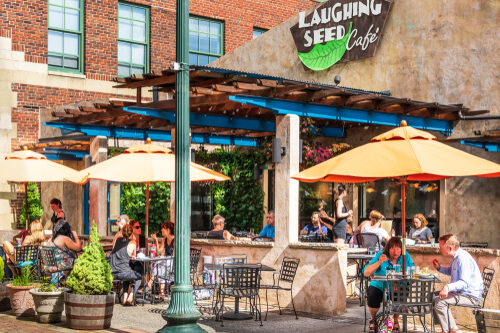
Asheville regularly attracts people who want to swap traffic and crowds for mountain views. Nestled in the Blue Ridge Mountains, it offers a lifestyle that feels creative and outdoorsy without sacrificing culture. The city has a long reputation as an arts hub, with galleries, studios, and live music spread throughout its downtown. It also sits right along the Blue Ridge Parkway, one of the most scenic drives in the United States.
The local food and craft beer scene has become a huge draw for newcomers. Asheville has more breweries per capita than most American cities, earning it the nickname “Beer City USA.” Tourism has fueled a strong hospitality economy, while remote workers appreciate the slower pace. For many people leaving big cities, Asheville offers personality without overwhelming scale.
3. Bend, Oregon
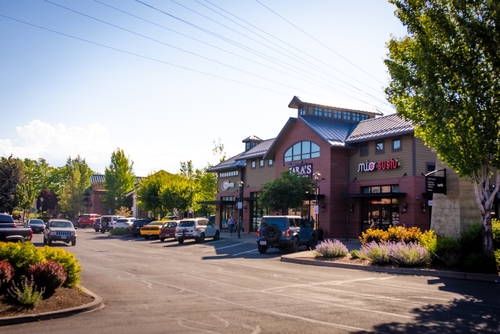
Bend has transformed from a quiet logging town into one of the West’s most sought-after lifestyle cities. People fleeing dense urban areas often arrive looking for year-round outdoor recreation. The city sits along the Deschutes River and near the Cascade Mountains, putting skiing, hiking, and mountain biking within minutes. That easy access to nature is a major reason newcomers stay.
Bend has also become a hub for remote workers and entrepreneurs. While housing prices have risen in recent years, it still feels less crowded and stressful than larger West Coast cities. The downtown area is lively but compact, making it easy to get around. Many former city dwellers say Bend offers the outdoor life they always wanted without completely giving up urban amenities.
4. Chattanooga, Tennessee
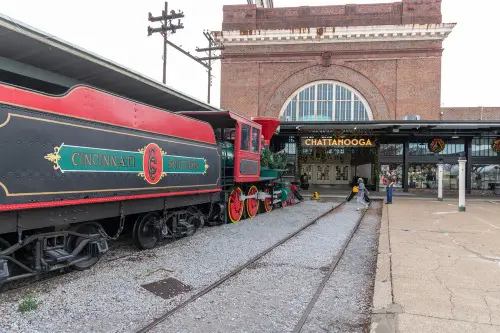
Chattanooga has reinvented itself over the past two decades and is now attracting people leaving larger cities across the South and Midwest. The city invested heavily in its downtown and riverfront, transforming former industrial areas into parks, trails, and public spaces. Outdoor enthusiasts appreciate the nearby Tennessee River Gorge and the climbing routes on Lookout Mountain. It’s a place where you can kayak before work or hike after dinner.
One of Chattanooga’s biggest advantages is its internet infrastructure. The city’s municipal fiber network offers some of the fastest residential internet speeds in the country. That has helped attract startups and remote professionals who need reliable connectivity. Combined with Tennessee’s lack of state income tax, the city has become a practical alternative to pricier urban centers.
5. Greenville, South Carolina
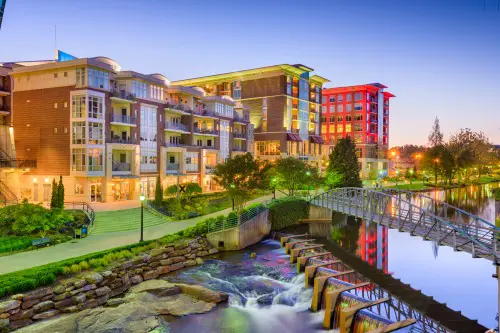
Greenville has quietly turned into one of the South’s fastest-growing small cities. People moving from Atlanta, Charlotte, and other large metros often land here because it offers a polished downtown without overwhelming size. Falls Park on the Reedy, right in the center of downtown, features a waterfall and pedestrian bridge that has become the city’s signature landmark. The walkable Main Street lined with restaurants and shops adds to the appeal.
Manufacturing and advanced industry have helped stabilize Greenville’s economy. Major companies like BMW operate large facilities in the region, bringing jobs and international investment. The city also sits within driving distance of both the Blue Ridge Mountains and the South Carolina coast. For many newcomers, Greenville hits a sweet spot between affordability and quality of life.
6. Flagstaff, Arizona
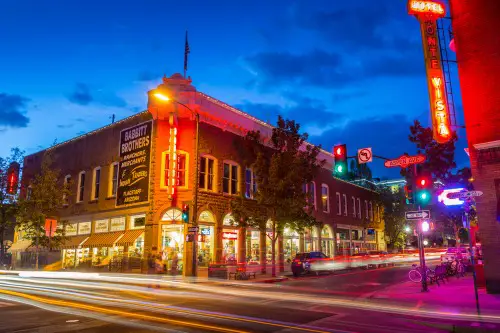
Flagstaff has become a surprising destination for people leaving larger desert cities like Phoenix as well as high-cost West Coast metros. Sitting at about 7,000 feet above sea level, it offers a dramatically cooler climate than much of Arizona. The city is surrounded by ponderosa pine forests and sits near the San Francisco Peaks, giving residents quick access to hiking, skiing, and mountain biking. For people tired of dense urban living, the landscape alone can feel like a reset.
Northern Arizona University adds a steady stream of students, research activity, and cultural events. Flagstaff’s historic downtown is filled with breweries, cafés, and restored buildings from its early railroad days. The city also sits along Route 66 and is about 80 miles from the Grand Canyon, which keeps tourism flowing through the area. Many newcomers appreciate that it feels outdoorsy and lively without being overwhelmingly large.
7. Fayetteville, Arkansas
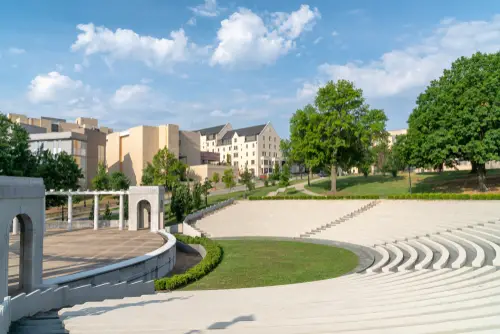
Fayetteville has become one of the most surprising relocation spots in the country. Located in the Ozark Mountains, it offers scenic surroundings and a laid-back college-town atmosphere. The University of Arkansas anchors the city and keeps it culturally active with sports, arts, and research. Dickson Street, near campus, is packed with restaurants, music venues, and local businesses.
The broader Northwest Arkansas region has also seen significant economic growth. Major employers like Walmart, Tyson Foods, and J.B. Hunt Transport Services are headquartered nearby. That corporate presence has brought investment, jobs, and new infrastructure to the area. Many people leaving larger cities are surprised to find how dynamic the region has become.
8. Fort Collins, Colorado
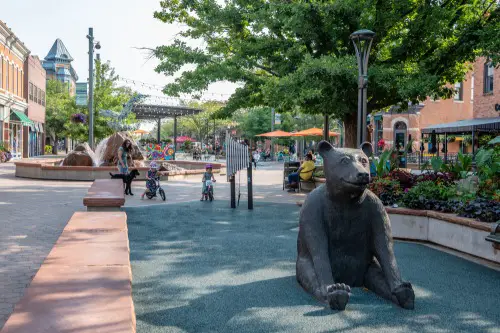
Fort Collins appeals to people who want the Colorado lifestyle without Denver’s growing congestion. Located about an hour north of Denver, the city sits at the foothills of the Rocky Mountains. Residents can easily access hiking trails, reservoirs, and mountain scenery within minutes of downtown. The city also has an extensive bike trail system that makes cycling part of daily life.
Colorado State University plays a central role in Fort Collins’ identity. The campus helps fuel research, education, and a lively cultural scene. The historic Old Town district, with its preserved 19th-century buildings, inspired the design of Disneyland’s Main Street USA. Many former big-city residents say Fort Collins feels energetic but still easy to navigate.
9. Knoxville, Tennessee
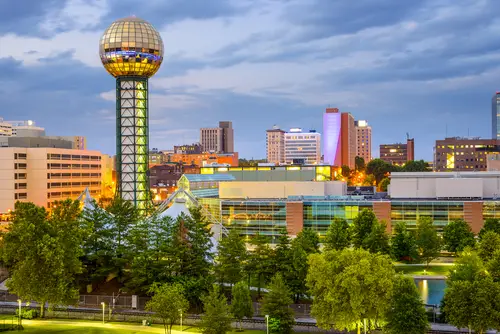
Knoxville has become increasingly attractive to people looking for affordability and outdoor access. The city sits near the entrance to Great Smoky Mountains National Park, the most visited national park in the United States. That proximity means hiking, camping, and scenic drives are part of everyday life for many residents. The Tennessee River running through downtown adds even more recreation opportunities.
The city has also been revitalizing its downtown over the past decade. Market Square has turned into a lively gathering place filled with restaurants, shops, and public events. The University of Tennessee brings sports culture, research activity, and student energy to the area. For people leaving bigger cities, Knoxville offers a surprisingly vibrant atmosphere at a lower cost.
10. Des Moines, Iowa
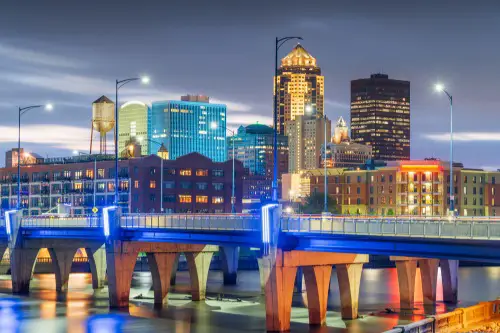
Des Moines often surprises newcomers with how livable and economically stable it is. The city has a strong job market anchored by finance, insurance, and corporate headquarters. Major companies like Principal Financial Group and Nationwide maintain significant operations here, creating a steady employment base. That economic stability makes it appealing for people leaving volatile or expensive big-city job markets.
The downtown area has seen major redevelopment over the past two decades. Neighborhoods like the East Village are packed with restaurants, shops, and restored historic buildings. The city also maintains more than 800 miles of connected recreational trails that run through parks and along rivers. For many former big-city residents, Des Moines offers affordability, short commutes, and a strong sense of community.
11. Missoula, Montana
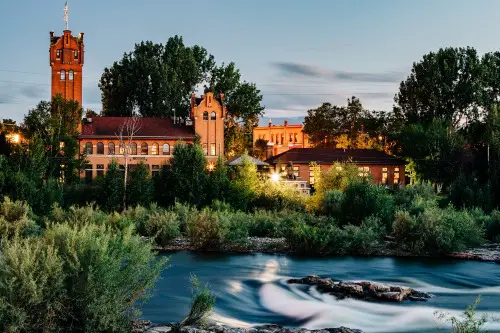
Missoula attracts people who want dramatic scenery and a strong sense of community. Located in western Montana, the city sits at the meeting point of several mountain ranges and along the Clark Fork River. Residents often spend their free time hiking, rafting, or skiing in the surrounding wilderness. It’s the kind of place where outdoor gear is part of everyday fashion.
The University of Montana brings energy to the local economy and cultural life. Missoula also has a thriving independent bookstore scene, local theaters, and frequent festivals. While it’s still relatively small, the city has become popular with remote workers seeking a quieter environment. Many people say Missoula offers a lifestyle that feels both adventurous and relaxed.
12. Duluth, Minnesota
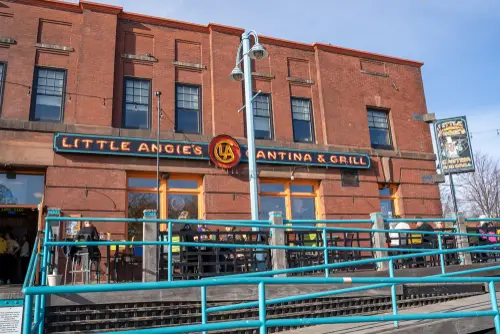
Duluth is increasingly appealing to people who want cooler summers and a strong connection to nature. The city sits on the western tip of Lake Superior, the largest freshwater lake by surface area in the world. Its dramatic shoreline cliffs and lake views make it feel almost coastal. Residents can watch massive freighters pass under the Aerial Lift Bridge as they enter the harbor.
Outdoor recreation is central to life in Duluth. The Superior Hiking Trail begins nearby and stretches for more than 300 miles along the lake’s North Shore. Winter brings opportunities for skiing, snowshoeing, and ice fishing. For some people leaving crowded cities, Duluth offers fresh air, space, and a slower rhythm.
13. Sarasota, Florida
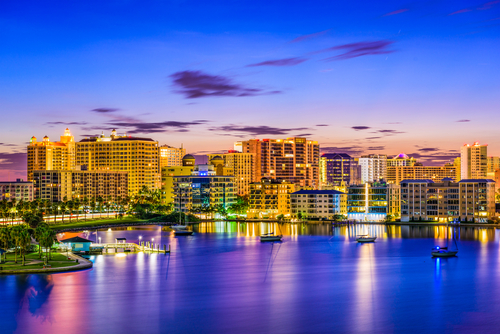
Sarasota attracts people who want sunshine and a coastal lifestyle without the scale of Miami or Tampa. The city sits along Florida’s Gulf Coast and is known for its white-sand beaches, including nearby Siesta Key. Warm weather year-round makes outdoor activities like boating and fishing easy parts of daily life. The waterfront setting plays a big role in why newcomers arrive.
Sarasota also has an unexpectedly strong arts scene. Institutions like The Ringling museum complex celebrate the legacy of circus entrepreneur John Ringling and bring cultural programming to the city. Theater, ballet, and classical music organizations operate year-round. For many transplants, Sarasota blends beach living with cultural depth.
14. Boise, Idaho
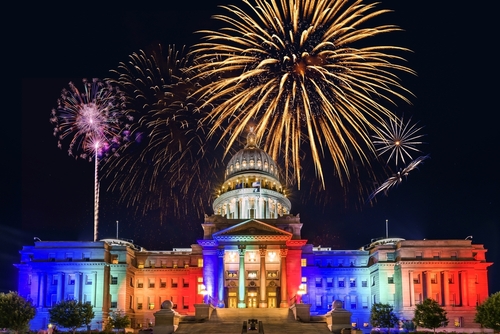
Boise has quietly become one of the most common landing spots for Americans leaving expensive coastal cities. People who once paid sky-high rents in places like San Francisco or Seattle are drawn to Boise’s comparatively affordable housing and easy access to nature. The Boise River Greenbelt runs for more than 25 miles through the city, giving residents a built-in outdoor escape. That balance of small-city convenience and big outdoor lifestyle is a big part of the draw.
The job market has also helped fuel Boise’s growth, particularly in tech and advanced manufacturing. Micron Technology, one of the country’s major semiconductor companies, is headquartered here and continues to expand. Remote workers also find Boise appealing because it offers reliable infrastructure without big-city chaos. Many newcomers say the city feels manageable, friendly, and still full of opportunity.
15. Huntsville, Alabama
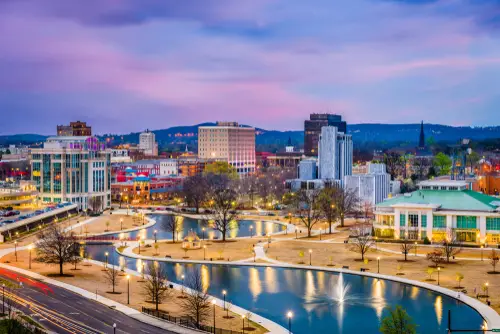
Huntsville has grown into one of the South’s most dynamic small cities. The local economy is heavily tied to aerospace, engineering, and defense. NASA’s Marshall Space Flight Center and the U.S. Army’s Redstone Arsenal both operate here, creating a strong base of technical jobs. That concentration of science and engineering talent has earned Huntsville the nickname “Rocket City.”
The city has also invested in revitalizing its downtown and entertainment districts. New parks, music venues, and restaurants have helped create a more lively atmosphere. Huntsville’s cost of living remains lower than many technology hubs across the country. For people leaving large metros but still wanting career opportunities, it offers an appealing balance.
This post The Places Americans Move to After Giving Up on Big Cities was first published on American Charm.