
1. Dallas, Texas
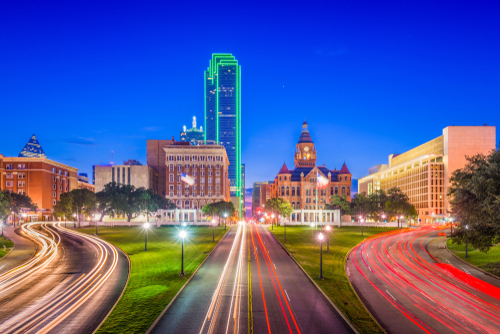
Dallas–Fort Worth remains one of the fastest-growing metro areas in the country. Job growth and corporate relocations have brought thousands of new residents to North Texas. During the pandemic boom, that influx combined with low interest rates to push home prices sharply higher. In many suburbs, values climbed far faster than historical trends.
Builders have since added a significant amount of new housing supply across the metro area. Higher mortgage rates have also slowed buyer activity compared with the peak years. Even so, many listings still reflect the aggressive price gains from the earlier surge. That’s why some analysts view parts of the Dallas housing market as overheated.
2. Boise, Idaho

Boise’s housing market went from relatively affordable to surprisingly expensive in a short period of time. Between 2020 and 2022, prices shot up as remote workers and retirees discovered the city’s lifestyle appeal. Home values increased far faster than local incomes could keep up with. That rapid shift has left affordability stretched for many long-time residents.
Part of the issue is that demand spiked quickly while supply struggled to catch up. Investors and relocating buyers paid premiums, often bidding well above asking price. As migration cooled and mortgage rates rose, sales slowed noticeably. Even so, many listings remain priced close to peak levels from the frenzy.
3. Phoenix, Arizona

Phoenix has long been known for boom-and-bust housing cycles, and the latest run-up looks familiar to longtime observers. Home prices jumped dramatically during the pandemic housing surge, fueled by migration from California and other high-cost states. Investors also poured into the market, purchasing single-family homes to convert into rentals. That wave of activity pushed prices well beyond historical norms relative to local incomes.
More recently, demand has cooled as interest rates climbed and migration slowed. Builders have added significant new supply across the metro area. Despite this, some neighborhoods are still carrying prices that assume the pandemic buying frenzy will return. That’s why many analysts see parts of the Phoenix market as artificially elevated.
4. Tampa, Florida

Tampa became one of the hottest housing markets in the country during the pandemic. Remote workers and retirees flocked to Florida, drawn by warm weather and the absence of a state income tax. Prices rose rapidly, especially in suburban areas and along the Gulf Coast. In many cases, housing costs began to rise much faster than local wages.
Insurance costs and property taxes have since climbed significantly across Florida. Those rising ownership costs are starting to affect affordability and buyer demand. Yet many sellers still price homes based on the intense demand seen in 2021 and early 2022. That gap between current demand and listing expectations makes parts of the Tampa market feel inflated.
5. Nashville, Tennessee
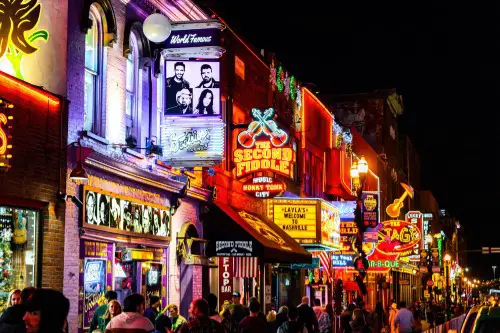
Nashville’s rapid growth has helped drive a major housing boom over the past decade. Population growth, tourism, and a steady flow of corporate relocations have all fueled demand. During the pandemic housing surge, prices climbed even faster as buyers from higher-cost cities entered the market. That pushed home values far above what many local buyers could comfortably afford.
Short-term rental speculation also played a role in the surge. Investors bought properties hoping to capitalize on Nashville’s popularity with tourists and bachelor-party travelers. As regulations tightened and financing costs rose, some of that investor demand cooled. Even so, many homes remain priced as if that speculative demand is still fully active.
6. Salt Lake City, Utah
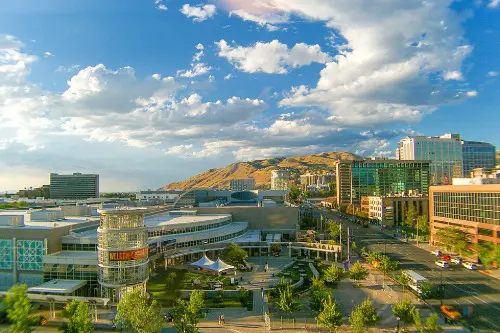
Salt Lake City saw one of the fastest price increases in the country during the pandemic boom. Strong population growth and limited land for new construction helped create intense competition for homes. Prices rose quickly as buyers scrambled to secure properties. In many cases, homes sold within days of hitting the market.
The pace of appreciation, however, significantly outstripped income growth in the region. As mortgage rates climbed, affordability took a noticeable hit. Buyer activity has cooled compared to the peak frenzy. Despite that shift, prices in some neighborhoods still reflect the earlier bidding-war environment.
7. Denver, Colorado
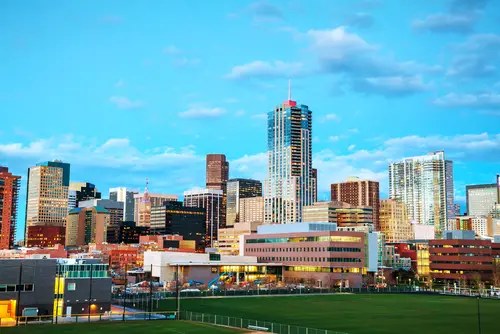
Denver’s housing market has been expensive for years, but the pandemic era pushed it even higher. Migration from other states, combined with a strong job market, helped drive prices up rapidly. Buyers frequently encountered multiple-offer situations and waived contingencies to win deals. That competitive atmosphere lifted prices well above previous cycles.
Recently, higher mortgage rates and rising inventory have begun to ease the pressure. Homes are sitting on the market longer than they did during the peak frenzy. Even so, many sellers remain anchored to the record prices seen a couple of years ago. That lag between market reality and pricing expectations makes parts of Denver feel overvalued.
8. Miami, Florida
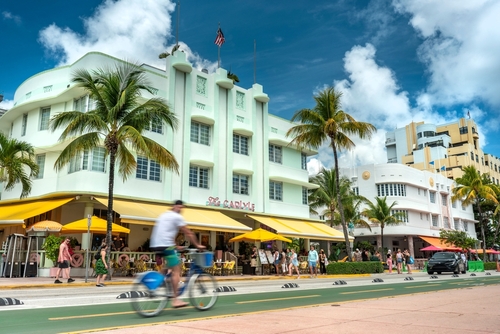
Miami’s housing market surged as wealthy buyers and remote workers moved to South Florida. International demand also returned strongly after pandemic travel restrictions eased. Luxury condos and waterfront homes saw especially sharp price increases. In many areas, bidding wars became common again.
However, the cost of ownership has risen significantly with insurance, taxes, and association fees climbing. Some buyers are starting to hesitate as those expenses add up. At the same time, new condo developments are bringing additional supply to the market. Those factors have led some analysts to question whether certain price levels are sustainable.
9. Las Vegas, Nevada
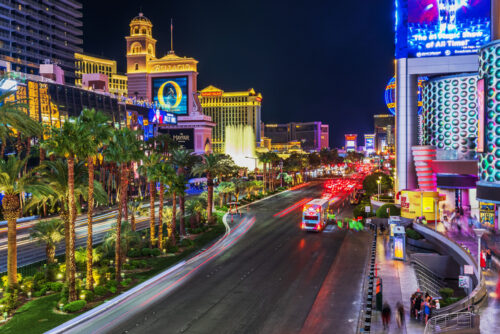
Las Vegas has a long history of housing volatility, and recent trends have raised similar concerns. Prices jumped dramatically during the pandemic as buyers sought cheaper alternatives to California markets. Investors also bought properties aggressively for rental income. That surge created intense competition for homes.
Once interest rates climbed, demand cooled quickly and price growth slowed. Inventory has gradually increased compared to the tight conditions of 2021. Yet some sellers still list homes based on those peak-era comparables. That’s why certain parts of the Las Vegas market feel stretched relative to current demand.
10. Austin, Texas
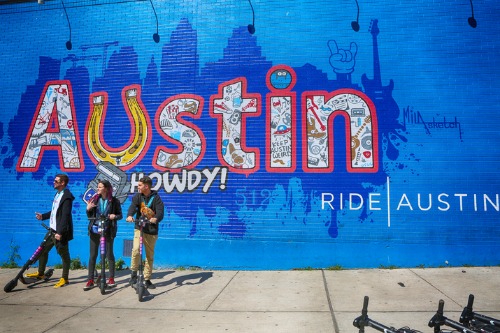
Austin spent several years as the poster child for America’s housing boom, fueled by tech expansion and a flood of newcomers. Home prices surged dramatically between 2019 and 2022, far outpacing local wage growth. Even though the market has cooled somewhat, many listings still reflect peak-pandemic pricing expectations. That disconnect makes certain neighborhoods feel priced for a version of Austin that no longer quite exists.
A major factor was the remote-work migration wave that brought thousands of higher-paid workers from coastal tech hubs. Investors and out-of-state buyers competed fiercely for homes, pushing values far above historical trends. Construction has since ramped up, adding more supply to the market. With inventory climbing and demand normalizing, some of those earlier valuations now look inflated.
11. Raleigh, North Carolina
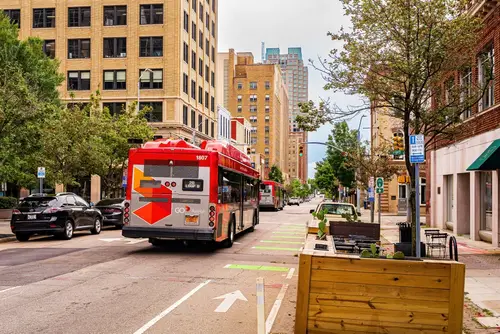
Raleigh has become one of the most attractive destinations in the Southeast thanks to its tech growth and research economy. The metro area’s strong job market and quality of life have drawn steady population growth. During the pandemic housing boom, that demand accelerated dramatically. Prices rose much faster than local income levels.
In recent years, the pace of home sales has cooled as borrowing costs increased. More homes are staying on the market longer than they did during the frenzy. Despite that shift, some listings still reflect the peak conditions of 2021 and early 2022. That pricing gap can make parts of Raleigh’s housing market feel inflated.
12. Charlotte, North Carolina
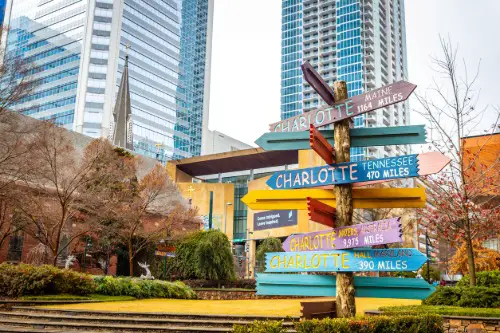
Charlotte experienced a housing surge driven by financial sector growth and population migration. The city has become a major banking hub, attracting both companies and new residents. As demand rose during the pandemic, home prices climbed quickly across the metro area. In some suburbs, values jumped by double-digit percentages year after year.
Recently, however, affordability pressures have started to slow buyer activity. Mortgage rates and higher home prices have pushed monthly payments significantly higher. Inventory has begun to increase compared with the tight conditions of the boom years. Even so, some homes remain priced based on earlier bidding wars.
13. Atlanta, Georgia
Atlanta’s housing market has expanded rapidly as the metro area continues to grow. Strong job creation and relatively affordable housing once made the city a magnet for newcomers. During the pandemic, investors and institutional buyers purchased thousands of single-family homes. That activity helped push prices higher across many neighborhoods.
Investor demand has cooled somewhat as financing costs rose. At the same time, buyers have become more cautious about paying peak prices. Some homes are now sitting longer before selling. Yet many listings still reflect the aggressive pricing set during the investor-driven surge.
14. San Diego, California
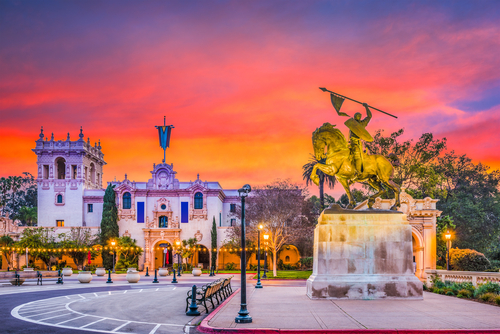
San Diego has always been expensive, but prices rose to new heights during the pandemic housing boom. Limited land for development and strong demand helped drive prices sharply higher. Buyers competed intensely for homes, especially in coastal neighborhoods. That pressure pushed values far beyond already high historical levels.
Today, affordability is stretched even for high-income households in the region. Mortgage rates have made monthly payments significantly more expensive. While demand remains relatively strong, price growth has slowed compared to the earlier surge. Some analysts believe certain segments of the market are still priced above what fundamentals justify.
This post These 14 Housing Markets Feel Artificially Inflated was first published on American Charm.

