1. Nantucket, Massachusetts
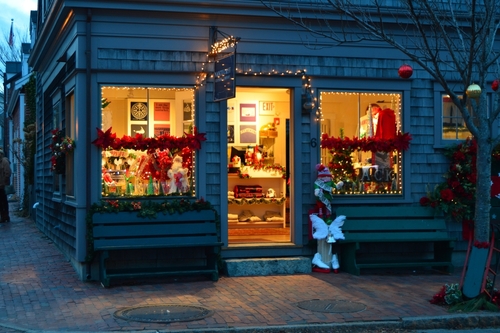
Nantucket was once a quiet island with deep roots in the whaling industry. Its preserved historic architecture and scenic beaches later turned it into a beloved summer retreat. Wealthy vacationers and second-home buyers gradually transformed the island into an elite destination. Today, summer population numbers swell dramatically compared to the year-round community.
Housing prices have climbed so high that many workers cannot live on the island full time. Seasonal tourism also places pressure on infrastructure and ferry systems. Local businesses often rely heavily on summer visitors to survive. Nantucket remains picturesque, but its popularity has made year-round island life increasingly challenging.
2. Aspen, Colorado
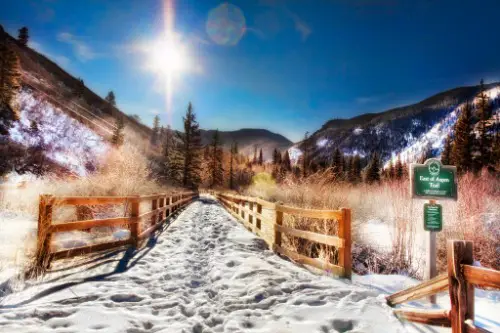
Aspen began as a rough-and-tumble silver mining town in the late 1800s before reinventing itself as a ski destination in the mid-20th century. Its world-class slopes and glamorous reputation soon attracted celebrities, billionaires, and luxury tourism. By the 1970s and 1980s, Aspen had become synonymous with elite winter travel. That fame made it one of the most expensive small towns in the United States.
The popularity created a massive affordability gap between visitors and workers. Many of the people who staff the restaurants, hotels, and ski resorts can’t afford to live anywhere near town. Some commute long distances through mountain passes just to get to work. Aspen’s success turned it into a global playground, but it also made everyday life difficult for locals.
3. Jackson, Wyoming
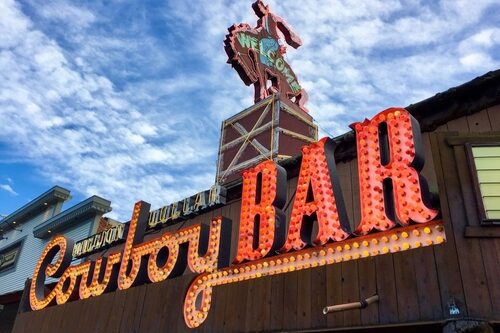
Jackson sits in a spectacular valley near Grand Teton National Park and not far from Yellowstone. Its western charm and access to stunning national parks made it a magnet for outdoor lovers. Over time, wealthy second-home buyers and tourists discovered the same beauty that once drew ranchers and climbers. The town evolved from a rugged gateway community into one of America’s most expensive places to live.
Housing prices skyrocketed as luxury properties and vacation homes flooded the market. Workers in tourism and service industries often struggle to find affordable housing within commuting distance. Traffic during peak summer and ski seasons now clogs roads leading into nearby parks. The scenery is still breathtaking, but the town’s rapid popularity has changed its character dramatically.
4. Bar Harbor, Maine
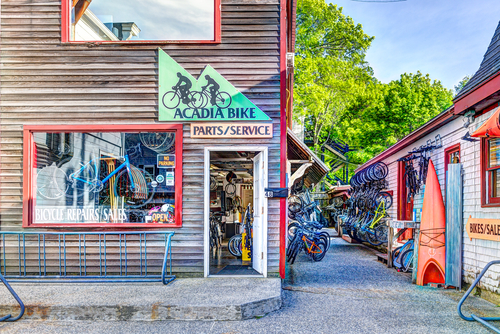
Bar Harbor has long served as the gateway to Acadia National Park on Maine’s rugged coast. Its harbor views, historic inns, and easy park access made it a beloved summer destination for generations. In recent decades, cruise ships and social media travel buzz dramatically increased visitor numbers. On busy days, thousands of passengers can arrive within a few hours.
The sudden influx strains infrastructure in a town of only about 5,000 residents. Streets designed for small coastal traffic often become packed with tour buses and pedestrians. Local housing has also tightened as vacation rentals grew more common. While tourism fuels the economy, many locals worry about preserving Bar Harbor’s small-town feel.
5. Moab, Utah
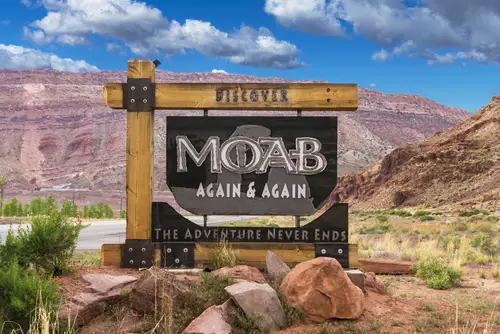
Moab was once a quiet desert town known mainly to climbers, hikers, and off-road enthusiasts. Its proximity to Arches National Park and Canyonlands National Park eventually pushed it into the spotlight. Outdoor recreation boomed in the 2000s as adventure tourism exploded nationwide. Suddenly Moab became a must-visit stop on western road trips.
That surge created heavy seasonal crowding in a town with fewer than 6,000 residents. Trailheads, campsites, and park entrances often fill up quickly during peak months. Short-term rentals also pushed housing prices up for locals. Moab still offers incredible landscapes, but managing the tourism wave has become a constant challenge.
6. Key West, Florida
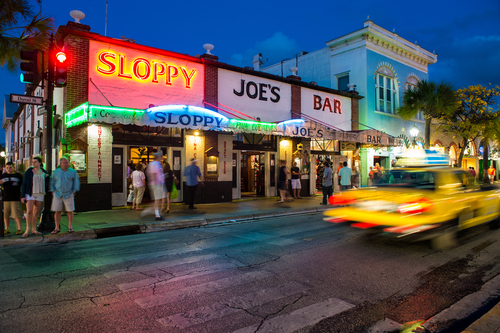
Key West’s colorful history, laid-back vibe, and southernmost location in the continental United States have long made it a travel icon. Writers like Ernest Hemingway helped cement its reputation as an artistic tropical escape. Over time, cruise ships, festivals, and party tourism pushed visitor numbers even higher. The small island town now hosts far more visitors than residents.
Limited land means housing costs have soared dramatically. Many workers commute from other Florida Keys because they cannot afford to live on the island. Cruise ship crowds can also overwhelm the historic downtown area in a single afternoon. Key West remains charming, but its popularity has fundamentally reshaped daily life there.
7. Gatlinburg, Tennessee
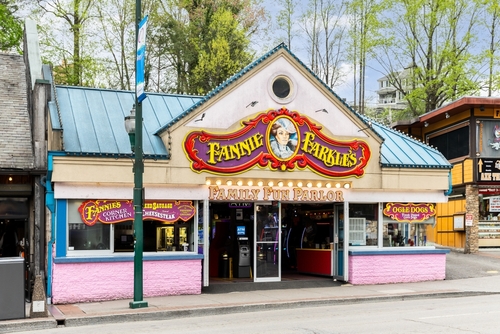
Gatlinburg sits at the doorstep of Great Smoky Mountains National Park, the most visited national park in the United States. Its mountain scenery and family-friendly attractions helped it grow from a small Appalachian community into a major tourist hub. Over time, the main strip filled with theme attractions, dinner theaters, and souvenir shops. Millions of visitors now pass through each year.
That constant tourism has transformed the town’s identity. Traffic congestion along the Parkway is legendary during peak seasons. Local infrastructure struggles to handle the massive crowds drawn by the national park and nearby attractions. What began as a quiet mountain gateway has become one of the busiest vacation towns in the Southeast.
8. Leavenworth, Washington
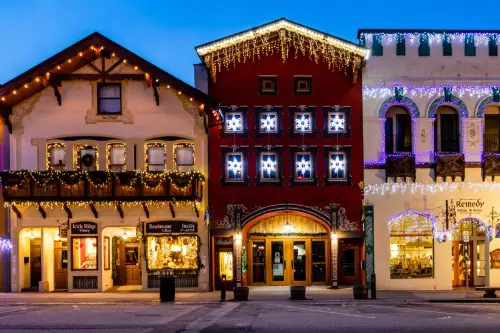
Leavenworth reinvented itself in the 1960s by adopting a Bavarian village theme to attract tourism. The strategy worked beyond expectations as alpine architecture, festivals, and mountain scenery drew visitors year-round. Oktoberfest celebrations and Christmas markets now bring huge crowds. The tiny Cascade Mountain town became a major regional tourist destination.
But the success created growing pains. On busy weekends, the population swells far beyond the town’s roughly 2,000 residents. Parking shortages and traffic congestion are common during major festivals. Housing shortages have also become a concern for local workers. Leavenworth’s charm remains strong, but its popularity often overwhelms its small size.
9. Telluride, Colorado
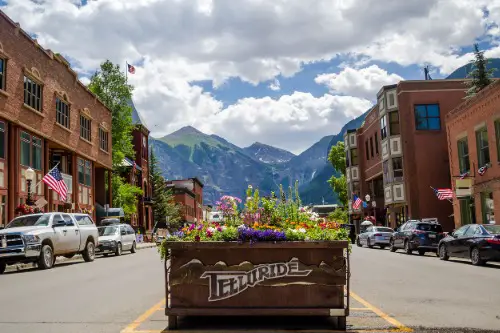
Telluride began as a remote mining town tucked deep within the San Juan Mountains. Its stunning scenery and excellent ski terrain helped it transform into a luxury resort town in the late 20th century. Film, music, and food festivals further boosted its international reputation. Today it attracts visitors year-round despite its remote location.
That popularity drove housing prices to extreme levels. Many workers rely on housing in nearby communities or subsidized programs to remain in the area. Seasonal crowds can also overwhelm the narrow valley town. Telluride remains breathtakingly beautiful, but maintaining a year-round community has become increasingly difficult.
10. Lake Tahoe, California/Nevada
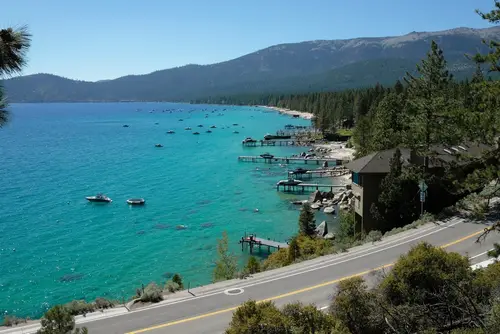
Lake Tahoe’s deep blue water and alpine scenery have drawn travelers for generations. Resorts, casinos, and ski areas helped turn the region into a year-round playground. As outdoor recreation surged in popularity, visitor numbers skyrocketed. The lake now attracts millions of visitors annually.
That surge has put pressure on both housing and the environment. Local workers often struggle with high rents driven by vacation homes and short-term rentals. Traffic congestion around the lake has become a major issue during peak seasons. Environmental groups also worry about protecting the lake’s famously clear water from overuse.
11. Sedona, Arizona
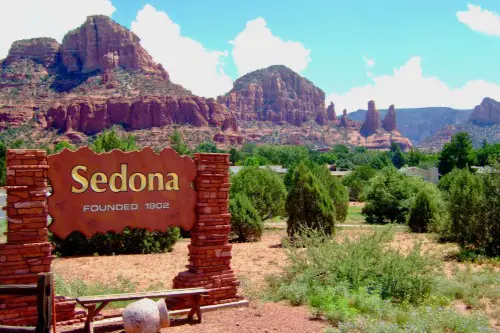
For decades, Sedona was a quiet desert town surrounded by glowing red rock formations and hiking trails that felt almost sacred in their stillness. Word spread quickly in the 1990s and 2000s as travel magazines and social media turned its landscapes into bucket-list content. Tourism exploded, and the town that once hosted artists and spiritual seekers suddenly found itself flooded with tour buses and day-trippers. Today, Sedona’s population is under 10,000, but millions of visitors arrive each year.
That surge has reshaped daily life for residents. Trailhead parking fills before sunrise, and traffic jams now creep along roads that were never designed for heavy tourism. Housing prices have also soared as vacation rentals replaced long-term homes. What was once a tranquil desert escape now struggles to balance preservation with overwhelming demand.
12. Park City, Utah

Park City was another historic mining town that reinvented itself as a ski destination. Its proximity to Salt Lake City and the success of its ski resorts helped it grow rapidly. The Sundance Film Festival brought international attention and celebrity visitors each winter. That combination made Park City one of the most recognizable resort towns in the United States.
Growth has pushed housing costs steadily upward. Many workers commute from surrounding communities because they cannot afford to live in town. Traffic and development pressures have also increased over time. Park City still thrives as a cultural and ski destination, but the boom has reshaped its small-town roots.
13. Carmel-by-the-Sea, California
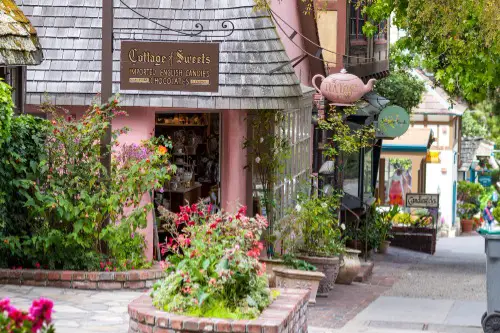
Carmel-by-the-Sea became famous for its storybook cottages, art galleries, and stunning Pacific coastline. The town’s charm has long attracted artists, writers, and Hollywood figures. Over time, its reputation as a romantic getaway drew increasing numbers of visitors. Tourism now plays a central role in the local economy.
The town’s tiny footprint makes accommodating visitors difficult. Parking can be scarce, and day-trip crowds frequently fill the village streets. Housing prices have also climbed dramatically, limiting who can afford to live there. Carmel’s beauty still captivates travelers, but the crowds often test the limits of its small scale.
14. Fredericksburg, Texas
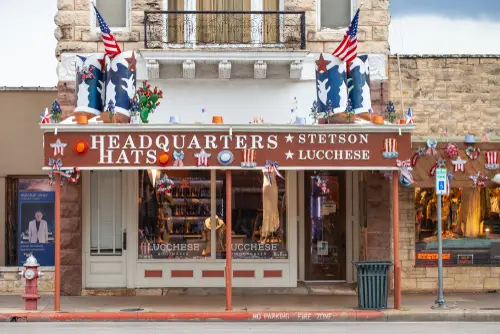
Fredericksburg began as a quiet Texas Hill Country town with deep German heritage. Its wineries, historic charm, and scenic countryside gradually turned it into a major weekend getaway from cities like Austin and San Antonio. The Texas wine industry helped accelerate its popularity in the 2000s. Today the region hosts dozens of wineries and tasting rooms.
The boom brought rapid tourism growth and rising property prices. Short-term rentals have spread throughout residential neighborhoods. Traffic congestion during peak weekends has also increased significantly. Fredericksburg still embraces its heritage, but the tourism wave has changed the pace of life.
15. Stowe, Vermont
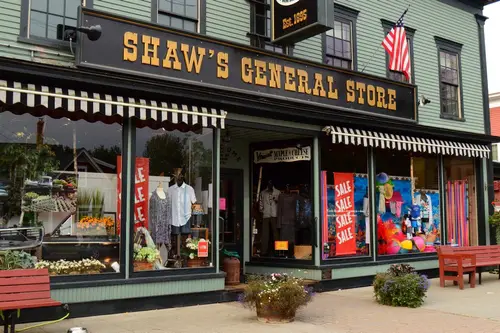
Stowe is often called the ski capital of the East thanks to its famous mountain resort. The town’s picturesque New England setting and fall foliage also draw large crowds every autumn. Over time, Stowe became one of the most sought-after vacation spots in Vermont. Tourism now drives much of the local economy.
But that success has made housing scarce for locals. Short-term rentals and second homes take up a significant share of the housing market. Seasonal traffic can also overwhelm small rural roads. Stowe’s beauty remains undeniable, yet its popularity has made balancing tourism and community increasingly difficult.
This post These 15 Towns Became Too Popular for Their Own Good was first published on American Charm.