
1. Pike Place Market Area, Seattle, Washington
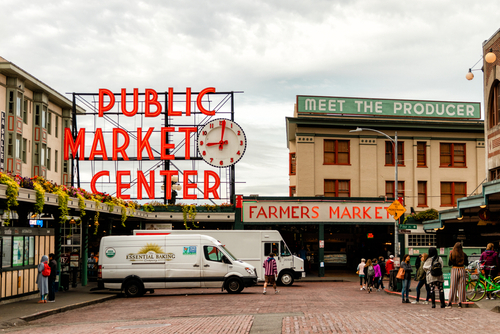
Pike Place Market opened in 1907 as a farmer’s market connecting local producers with Seattle residents. Fishmongers, produce stalls, and small specialty shops created a lively community marketplace. The market survived redevelopment threats in the 1960s after voters approved a historic preservation district. For many locals it remains a beloved symbol of Seattle’s identity.
The surrounding area, however, has become one of the city’s most tourist-heavy zones. Cruise ship visitors and tech-driven population growth have increased pressure on the neighborhood. Souvenir stands and tourist-focused businesses have expanded near the market entrances. While the market itself still hosts local vendors, the broader atmosphere can feel increasingly shaped by tourism.
2. Fisherman’s Wharf, San Francisco, California
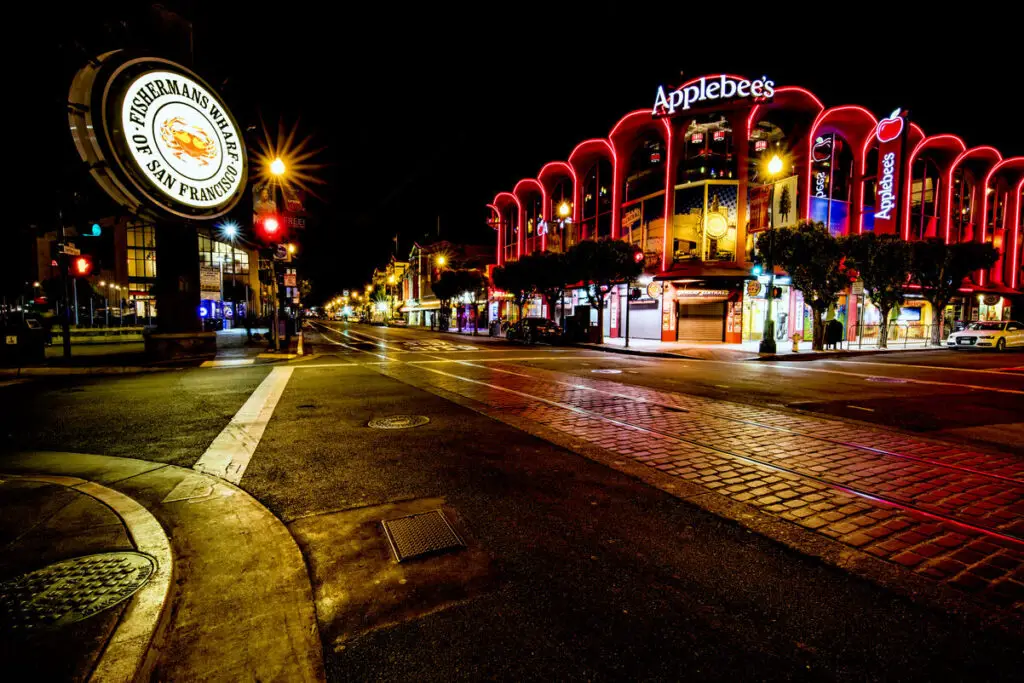
Fisherman’s Wharf began as a working waterfront built around San Francisco’s Italian American fishing community. Throughout the early 20th century, fishing boats unloaded crab and other seafood directly along the piers. Families ran small markets and restaurants tied closely to the city’s maritime traditions. That history is still referenced, but the economy of the area has changed dramatically.
Today the wharf is dominated by souvenir shops, chain restaurants, and large tourist attractions. Working fishing operations remain, but they play a much smaller role in the district’s identity. Locals rarely visit except when guiding out-of-town guests. The shift has led many San Franciscans to feel the waterfront’s original culture has been packaged and simplified for tourism.
3. Waikiki, Honolulu, Hawaii
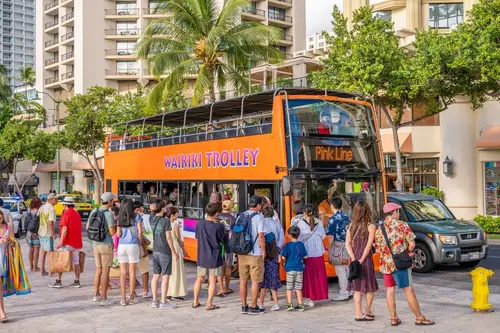
Waikiki was once a wetland area that Hawaiian royalty used as a retreat for surfing, fishing, and relaxation. In the early 20th century it began transforming into a resort destination, especially after large hotels opened along the beachfront. The growth accelerated after World War II as air travel brought millions of visitors to Hawaii each year. Over time, tourism became the dominant force shaping the neighborhood.
Today high-rise resorts, luxury shopping centers, and international chain stores line much of Waikiki’s shoreline. Hawaiian culture is still present, but it is often presented in curated performances or hotel programming rather than daily community life. Many Native Hawaiians and longtime residents say the area feels designed primarily for visitors rather than locals. The result is a place where the original cultural context can feel overshadowed by a global resort economy.
4. Bourbon Street, New Orleans, Louisiana
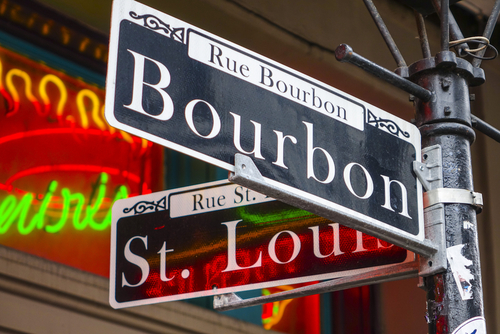
Bourbon Street sits in the heart of the historic French Quarter, one of the oldest neighborhoods in New Orleans. The area once reflected a deep mix of Creole, French, Spanish, and Caribbean influences. Jazz clubs, local bars, and neighborhood restaurants formed the backbone of the street’s cultural life. It was lively, but still connected to the surrounding community.
Over time the street shifted heavily toward nightlife tourism. Many venues now focus on frozen cocktails, neon signs, and party crowds drawn by the city’s reputation for celebration. Local musicians still perform nearby, but the most visible parts of Bourbon Street often cater to quick turnover tourism. Some residents argue the street now represents a simplified version of New Orleans culture rather than the city’s deeper traditions.
5. Venice Beach Boardwalk, Los Angeles, California
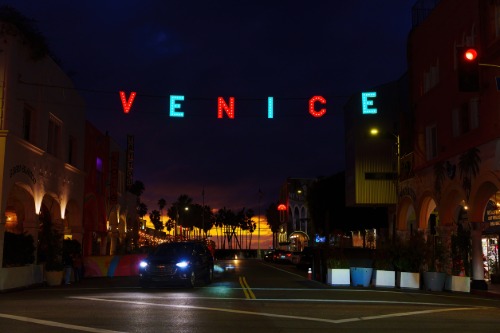
Venice Beach was founded in 1905 as a quirky seaside resort inspired by Venice, Italy. Over the decades it developed a reputation for counterculture creativity, street performers, and local artists selling handmade work along the boardwalk. By the 1960s and 1970s it was known for its bohemian spirit and experimental art scene. The area’s eccentric personality became part of Los Angeles lore.
In recent decades rising rents and commercialization have reshaped parts of the boardwalk. Many vendor stalls now sell mass-produced souvenirs rather than locally made art. Corporate retail and tourism-focused businesses have steadily increased. The result is still colorful, but longtime residents often say the original creative community has been diluted.
6. South Beach, Miami Beach, Florida
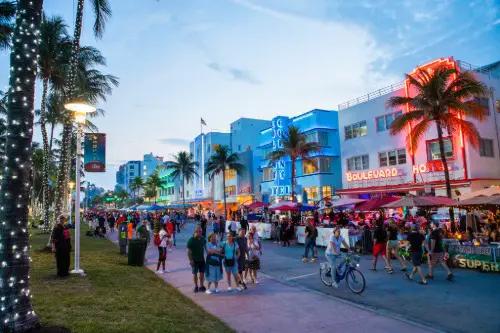
South Beach was once a quiet residential district filled with pastel Art Deco apartment buildings. In the 1980s and early 1990s, artists, LGBTQ communities, and nightlife entrepreneurs helped revive the area during a period of decline. Independent clubs, small restaurants, and creative spaces flourished. The neighborhood developed a reputation for stylish but locally driven culture.
As international tourism and real estate investment surged, the district changed again. Luxury hotels, upscale clubs, and global retail brands moved in along Ocean Drive and Collins Avenue. Property values skyrocketed, pushing many longtime residents and smaller businesses out. While the architecture remains iconic, the atmosphere often feels shaped more by tourism and wealth than by local creative communities.
7. Nashville Broadway District, Tennessee
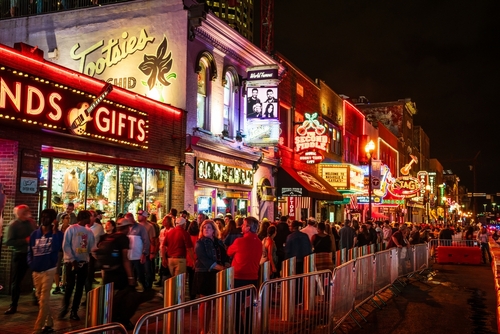
Lower Broadway in Nashville has long been a center of live country music. For decades small honky-tonk bars hosted musicians playing for tips and small crowds. The street felt scrappy, with a close connection to the city’s working musicians. Visitors could wander from bar to bar hearing local performers honing their craft.
Over the past decade the district has exploded as a national party destination. Massive venues owned or branded by celebrity musicians now dominate the street. Multi-story bars cater heavily to bachelorette parties and large tourist crowds. Live music still plays constantly, but critics say the scene feels increasingly commercialized and less rooted in Nashville’s grassroots music culture.
8. Times Square, New York City, New York
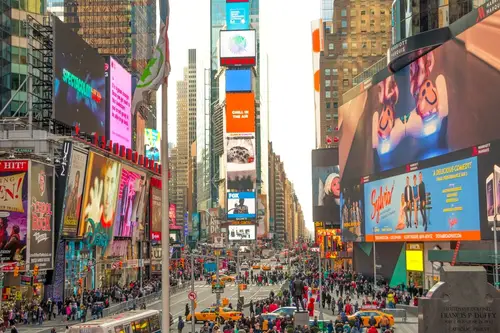
If you talk to longtime New Yorkers about Times Square, many will tell you it used to feel rougher, stranger, and more authentically local. Through the mid-20th century it was packed with independent theaters, grindhouse cinemas, and eccentric street life that reflected the city’s grit. Beginning in the 1990s, a major redevelopment campaign reshaped the area into a global tourist hub. Today the landscape is dominated by chain restaurants, giant digital billboards, and corporate entertainment brands.
The transformation made the district far safer and far busier, but it also pushed out most of the small businesses and quirky venues that once defined it. Local artists and theater workers who once lived or worked nearby were gradually priced out as rents soared. What remains is a polished spectacle that often feels more like a theme park than a neighborhood. Many visitors love it, but locals frequently say it no longer reflects everyday New York culture.
9. Aspen, Colorado
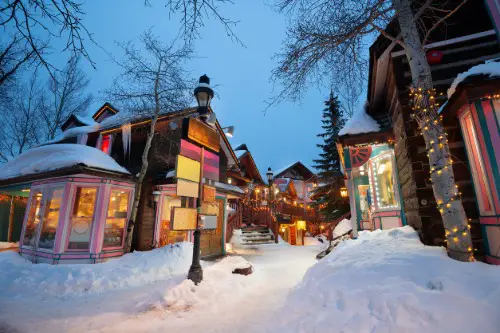
Aspen began as a 19th-century silver mining town before reinventing itself as a ski destination after World War II. In the mid-20th century it attracted artists, intellectuals, and outdoor enthusiasts drawn by its natural beauty. The town developed a distinctive mix of ski culture and creative community life. For a while it balanced tourism with a small-town identity.
Over time Aspen became one of the most expensive resort towns in the United States. Luxury real estate, designer boutiques, and ultra-high-end tourism now dominate the economy. Many workers commute long distances because housing costs are so high. Some longtime observers say the town’s original community culture has been overshadowed by extreme wealth.
10. Key West, Florida
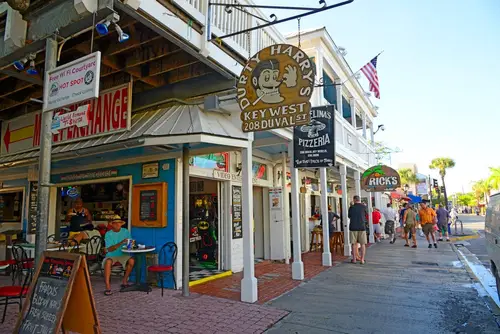
Key West historically had a quirky, laid-back culture shaped by fishing, shipwreck salvage, Cuban immigration, and literary residents. Writers, artists, and free-spirited locals helped cultivate the island’s offbeat reputation through the 20th century. Small bars, seafood shacks, and neighborhood festivals reflected that independent character. The town felt both remote and deeply local.
Tourism has always been part of the economy, but cruise ships and large visitor crowds have expanded dramatically in recent decades. Parts of Duval Street now revolve around souvenir shops, chain bars, and quick-stop tourism experiences. Many residents still protect local traditions, yet the balance between community life and visitor demand can feel strained. The result is a place where the old eccentric spirit competes with a heavily packaged tourist image.
11. Park City, Utah
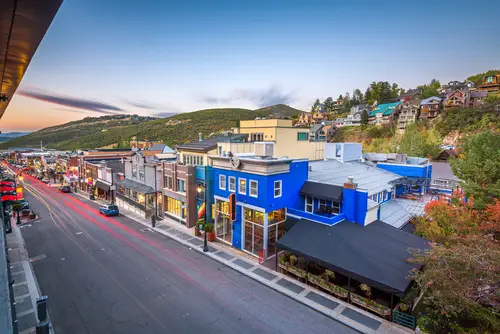
Park City started as a silver mining town in the late 1800s before becoming a ski destination in the mid-20th century. For decades it maintained a small mountain-town feel even as skiing brought seasonal visitors. Independent shops, modest homes, and local bars defined much of the town’s daily life. Events like the Sundance Film Festival later added cultural energy without fully replacing the local identity.
In recent years rapid real estate development and luxury investment have changed the landscape. Wealthy second-home owners and upscale resorts now play a major role in the local economy. Housing costs have climbed sharply, forcing many workers to live outside the city. Locals sometimes say the town increasingly feels like a playground for visitors rather than a year-round community.
This post Where Local Culture Feels Replaced was first published on American Charm.

