1. Sarasota, Florida

Sarasota has long been a magnet for retirees, and its age profile reflects that reputation. The city consistently ranks among the oldest metro areas in the United States, with a large share of residents over 65. Walk along the waterfront or through downtown, and you’ll notice how much daily life is shaped by that demographic reality. Cultural institutions, healthcare services, and condo developments all cater heavily to older residents.
At the same time, Sarasota shows how retirement hubs evolve as people age in place. Hospitals and specialty medical centers have expanded dramatically over the past two decades. Entire neighborhoods are now built around walkability and proximity to healthcare. The result is a coastal city where the aging of America’s retirees is unfolding visibly, year after year.
2. The Villages, Florida

If you want to watch America age in real time, The Villages might be the most vivid example. This sprawling retirement community in central Florida has one of the oldest median ages of any large U.S. community, often hovering around the early 70s. Nearly everyone here moved specifically to retire, which means the entire town evolves as its residents age together. Healthcare centers, golf carts, and recreation clubs aren’t just amenities—they’re the infrastructure of daily life.
What makes The Villages fascinating is how quickly it changes year to year. New retirees arrive constantly, while assisted living centers and medical services expand just as fast to meet growing needs. The community has built entire districts around aging-related services, from orthopedic clinics to memory care facilities. In many ways, it’s like watching a giant demographic time-lapse of the baby boomer generation.
3. Pittsburgh, Pennsylvania

Pittsburgh is often cited by demographers as one of the oldest big cities in America. Decades of population decline after the collapse of the steel industry left behind a community where the median age climbed steadily. Many younger workers moved away in the late 20th century, while older residents stayed put. That imbalance created neighborhoods where aging populations dominate the demographic picture.
You can see it in the city’s housing stock and services. Older homes are increasingly occupied by long-term residents who have lived there for generations. Healthcare systems and senior services play an outsized role in the local economy. Even as tech jobs slowly attract younger workers, Pittsburgh remains a living case study in how cities age after industrial decline.
4. Traverse City, Michigan

Traverse City sits on Lake Michigan and has quietly become one of the Midwest’s retirement magnets. Its scenic setting, wineries, and slower pace of life attract older residents from Chicago, Detroit, and beyond. As a result, the median age in the area has been creeping upward for years. It’s common to meet newcomers who arrived after selling homes in larger metro areas.
The shift has reshaped the local economy. Healthcare providers and specialty clinics have expanded rapidly to serve the growing retiree population. Housing developments increasingly market themselves to downsizing empty nesters. Traverse City still draws tourists in the summer, but year-round it’s also becoming a portrait of aging Midwestern America.
5. Palm Springs, California

Palm Springs has long been synonymous with retirement living in the desert. Its warm winters and relaxed lifestyle have attracted older Americans for decades. Today, the city’s demographic profile reflects that history, with a large share of residents over 60. Entire neighborhoods consist primarily of retirees who relocated from colder states.
The city has adapted in obvious ways. Medical specialists, wellness centers, and retirement-oriented housing developments are common throughout the Coachella Valley. Restaurants and cultural venues often schedule early events that fit retiree lifestyles. Palm Springs shows how a destination city can age alongside the generations who moved there to slow down.
6. Prescott, Arizona

Prescott is one of Arizona’s fastest-growing retirement communities. Located at a higher elevation than Phoenix, it offers cooler temperatures and scenic mountain views. Those qualities have made it extremely attractive to retirees relocating from across the Southwest. Over the past two decades, the area’s median age has steadily increased.
New housing developments frequently target 55-plus buyers. Healthcare infrastructure has expanded to match, with hospitals and specialty practices growing rapidly. Local businesses—from cafes to outdoor clubs—often cater to older residents with flexible schedules. Prescott feels like a town gradually reshaping itself around the rhythms of retirement.
7. Branson, Missouri

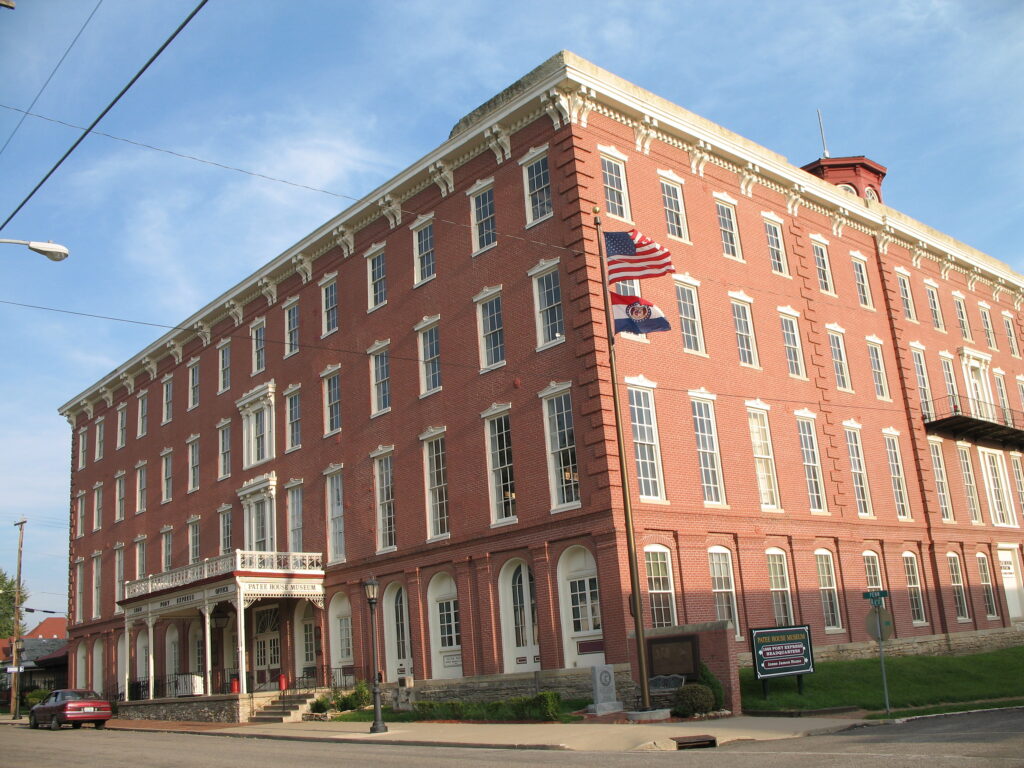
Branson might be known for its theaters and country music shows, but it also draws a large retirement crowd. Many visitors first come as tourists and later decide to relocate permanently. The area’s relatively low cost of living makes it particularly appealing to retirees from across the Midwest. Over time, that migration has pushed the median age upward.
You can see the shift in the local economy. Healthcare services, retirement communities, and assisted living facilities have expanded alongside the entertainment industry. Daytime crowds at shows and restaurants often skew heavily toward seniors. Branson is a good example of how tourism destinations can quietly become retirement hubs.
8. Cape May, New Jersey
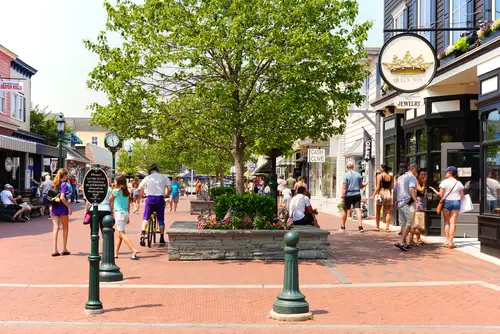
Cape May’s Victorian homes and ocean views make it one of the most picturesque towns on the East Coast. But beyond the summer tourists, it also has a growing year-round population of retirees. Many homeowners who once used their houses seasonally now live there full time. That shift has gradually raised the town’s median age.
Local services reflect the change. Medical practices and senior-oriented community programs have become more prominent. The off-season population is noticeably older than the summer crowds. Cape May illustrates how coastal vacation towns can slowly transform into retirement enclaves.
9. Duluth, Minnesota

Duluth presents a different kind of aging story. Like many Midwestern cities, it has experienced long periods of youth outmigration. Younger residents often leave for larger job markets, while older generations remain. Over time, that dynamic pushes the median age steadily upward.
The city is adapting in practical ways. Healthcare systems and senior housing have become increasingly important parts of the local economy. Neighborhoods once filled with young families now have many longtime residents aging in place. Duluth shows how demographic aging can emerge not from retirement migration, but from the slow departure of younger generations.
10. Naples, Florida

Naples is one of the wealthiest retirement destinations in the United States. Located along Florida’s Gulf Coast, it attracts affluent retirees seeking sunshine and waterfront living. The area consistently ranks among the oldest metro populations in the country. Luxury condos, golf communities, and gated neighborhoods dominate the housing landscape.
The local economy revolves heavily around services that retirees use. Healthcare networks, specialty clinics, and wellness services have grown rapidly. Cultural programming—from symphonies to art events—often caters to an older audience. In Naples, the aging of America’s wealthiest retirees is especially visible.
11. Millinocket, Maine
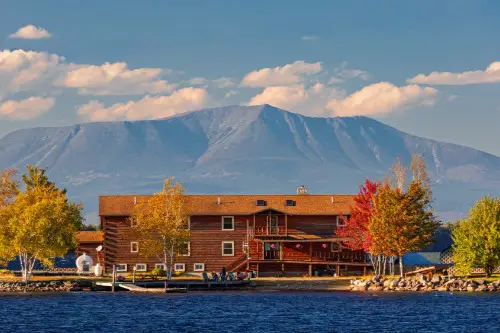
Millinocket tells a very different aging story than Sun Belt retirement towns. Once a thriving mill town, it lost much of its economic base when paper mills closed. Younger residents left in search of jobs, leaving behind an older population. That demographic shift pushed the median age sharply upward.
Today, many longtime residents are aging in place in homes they’ve owned for decades. Local leaders are working to rebuild the economy through tourism and outdoor recreation. Healthcare access and senior services have become increasingly important in the community. Millinocket captures how economic change can leave entire towns growing older together.
This post Where America Is Aging in Real Time was first published on American Charm.