1. Mackinac Island, Michigan
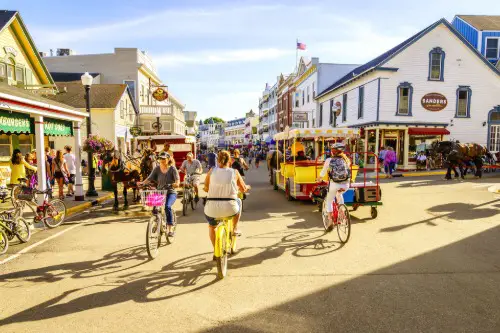
Mackinac Island has only a few hundred year-round residents, and that small population shapes how people see each other. Everyone tends to know who works where, whose family has lived there the longest, and which homes belong to locals versus seasonal workers. When someone new arrives, the community usually notices within days. In a place that small, unfamiliar faces stand out fast.
The island’s economy revolves around tourism, historic preservation, and seasonal businesses. Many families have operated shops, ferry services, or hospitality jobs for generations. Because of that, locals often share deep knowledge about the island’s rhythms, winter life, and off-season challenges. Visitors who treat it like just another vacation destination quickly reveal they aren’t part of the year-round community.
2. South Boston, Massachusetts
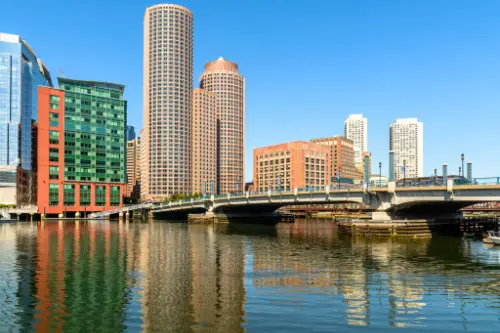
South Boston—known locally as “Southie”—has long had a reputation for tight-knit neighborhood loyalty. Many families have lived there for generations, and people tend to recognize familiar last names and faces quickly. If you’re new, locals often notice right away that you don’t share the same family connections, parish history, or neighborhood roots. That awareness doesn’t always mean hostility, but it can create a clear line between insiders and newcomers.
The neighborhood’s identity grew out of Irish American heritage, local Catholic parishes, and historically working-class traditions. Longtime residents often swap stories about the same schools, bars, and block events that shaped the area for decades. When someone shows up without those shared references, it’s obvious immediately. Even as development and new residents change Southie, the sense of inherited neighborhood identity remains strong.
3. Staten Island, New York
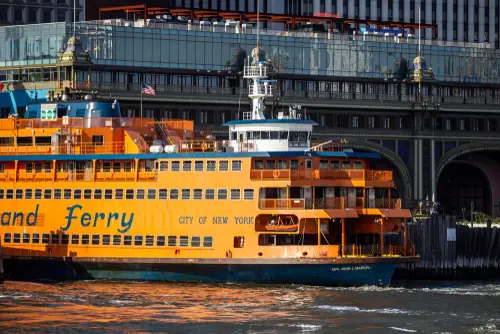
Staten Island has a distinct local identity that sets it apart from the other boroughs of New York City. Residents often pride themselves on tight community networks centered around schools, parishes, and family connections. People frequently ask where you grew up or which high school you attended, because those details instantly signal whether you belong to the island’s social web. If you don’t have an answer that locals recognize, it’s obvious you’re new.
Neighborhoods across the borough—especially places like Tottenville, Great Kills, and New Dorp—have long histories of multigenerational families. Local diners, firehouses, and youth sports leagues become community hubs where everyone knows one another. Conversations often circle back to shared acquaintances or family ties. Without those links, outsiders can feel like they’re stepping into a conversation already decades in progress.
4. New Orleans, Louisiana
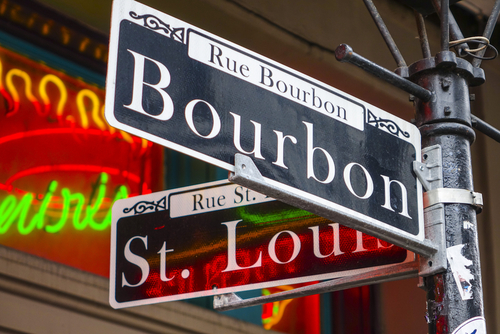
In New Orleans, one of the first questions people often ask is “Where’d you go to school?” That question isn’t about college—it’s about which local high school you attended. The answer instantly places you within the city’s network of parishes, neighborhoods, and family histories. If you didn’t grow up there, locals usually know it immediately.
The city’s identity is deeply tied to Mardi Gras krewes, neighborhood traditions, and family connections going back generations. Many social circles overlap through church communities, festivals, and school alumni groups. Those networks shape everything from social life to business connections. When someone can’t plug into that web, the difference is quickly noticeable.
5. Boise, Idaho
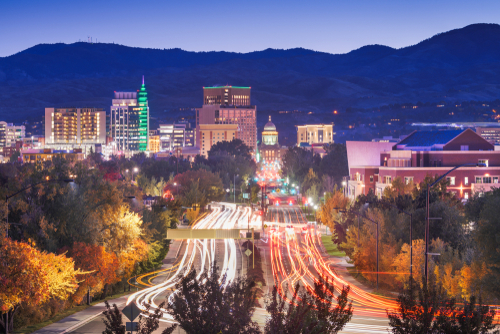
Boise has grown rapidly in recent years, drawing newcomers from across the country. Longtime residents sometimes joke about spotting newcomers the moment they hear someone mention moving from California. Conversations about traffic, housing prices, and growth often revolve around the influx of outsiders. That makes newcomers instantly visible in everyday discussions.
The city used to feel like a small regional hub where many people knew each other through schools, churches, or outdoor communities. Rapid population growth has changed that dynamic, but it hasn’t erased the local identity built around Idaho roots. Longtime residents often bond over shared experiences of the city before the boom. When someone doesn’t share those memories, the contrast stands out.
6. Boston, Massachusetts
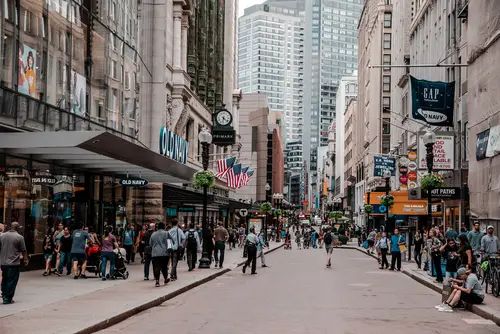
Boston has a famously local culture where people often ask where you’re from within the city itself. Someone saying “Boston” usually gets a follow-up question about the exact neighborhood. That’s because areas like Dorchester, Charlestown, and the North End each have distinct identities and histories. Not knowing the difference signals pretty quickly that you’re not from around there.
The city’s culture is shaped by long-established neighborhoods, universities, and deeply rooted sports fandom. Conversations frequently revolve around local landmarks, transit lines, or Red Sox history that longtime residents grew up with. Even accents and slang can reveal whether someone grew up in the area. If you miss those cues, locals tend to clock it immediately.
7. Aspen, Colorado
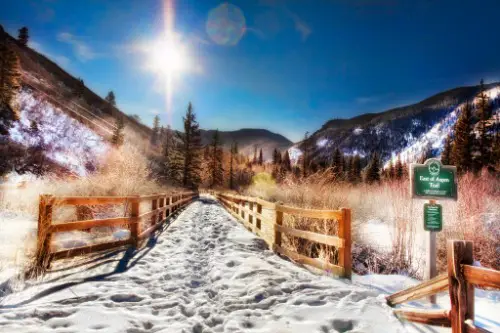
Aspen may be internationally famous, but its year-round community is surprisingly small. Locals often distinguish between full-time residents, seasonal workers, and wealthy part-time homeowners. Because the permanent population is limited, people tend to recognize who belongs to the daily rhythms of the town. A newcomer can feel noticeable almost immediately.
Many residents work in hospitality, outdoor recreation, or local government tied to the ski economy. They share a lifestyle shaped by long winters, seasonal tourism waves, and high living costs. Locals often bond over the realities of staying in a town that many people only visit briefly. When someone treats Aspen like a playground rather than a community, it’s easy to tell.
8. Charleston, South Carolina
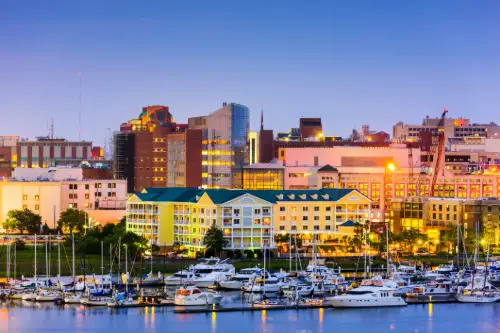
Charleston has a long tradition of families who trace their roots in the city back generations. Locals sometimes refer to people with deep regional ancestry as “Charlestonians,” while newcomers are simply residents. That distinction isn’t always formal, but it reflects how much local identity is tied to family history. When someone lacks those connections, it’s usually apparent right away.
The city’s culture revolves around historic neighborhoods, church communities, and social traditions that date back centuries. Events, preservation groups, and community organizations often include many longtime families. Those networks shape social life in ways outsiders may not immediately understand. Without those shared ties, newcomers can feel like they’re still learning the rules.
9. Bar Harbor, Maine
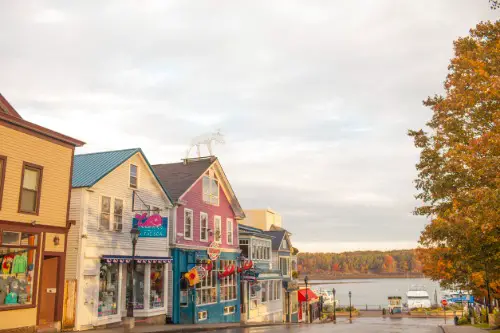
Bar Harbor sits on Mount Desert Island, where the year-round population is relatively small compared with the summer tourist crowds. Locals can easily spot visitors who arrive for Acadia National Park or cruise ship stops. In a town where many residents know each other through work, school, or fishing traditions, unfamiliar faces stand out quickly. The contrast between seasonal tourism and local life makes outsiders obvious.
Many families have lived on Mount Desert Island for generations, often working in fishing, boatbuilding, or tourism-related businesses. Winter life there is quiet and community-focused compared with the busy summer season. Locals often share a sense of pride about surviving the harsh off-season. Someone who only knows the summer version of Bar Harbor clearly hasn’t experienced the full picture.
10. Honolulu, Hawaii
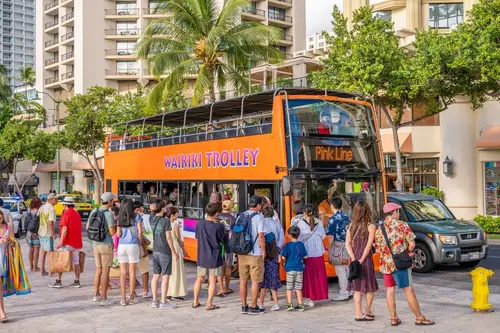
Honolulu has a diverse population, but local identity in Hawaii often revolves around whether someone grew up in the islands. People frequently use the term “local” to describe residents who share cultural connections to Hawaii’s communities and traditions. Someone who recently arrived from the mainland United States is often called a “transplant.” That difference becomes clear in conversation almost immediately.
Local culture blends Native Hawaiian traditions, Asian influences, and generations of island-born residents. Community ties often run through schools, extended families, and neighborhood networks. Longtime residents also share a common experience of island life that newcomers may take time to understand. Without that shared background, it’s easy to feel like you’re still learning how things work.
11. Scranton, Pennsylvania
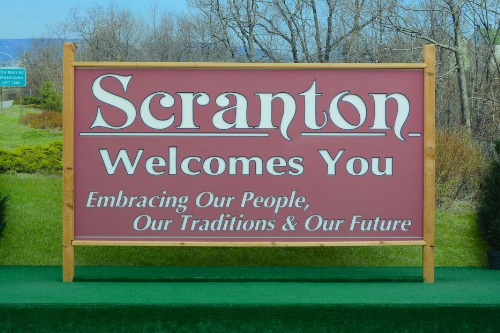
Scranton is known for tight community connections that revolve around family, churches, and neighborhood history. Many residents grew up with parents and grandparents who worked in the region’s coal mining or industrial economy. Because of that shared past, locals often know each other through extended family ties. When someone new arrives without those links, it’s noticeable.
Neighborhood pride remains strong in areas like Green Ridge, West Scranton, and South Side. Local festivals, church events, and high school sports often bring together people who have known each other for decades. Conversations regularly circle back to mutual acquaintances or family names. If those names don’t ring a bell, locals quickly realize you’re not from around there.
12. Juneau, Alaska
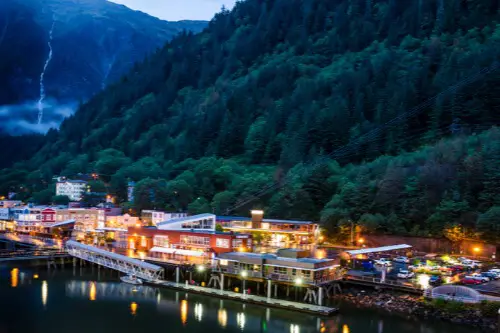
Juneau is Alaska’s capital, but it feels more like a small isolated town than a typical state capital. The city is not connected to the North American road system, so residents either fly or travel by ferry to reach other places. That geographic isolation creates a strong sense of community among year-round residents. New arrivals can feel noticeable very quickly.
Many locals share experiences shaped by long winters, rugged outdoor life, and reliance on local networks. People often recognize one another from schools, government offices, fishing communities, or outdoor activities. Because the population is relatively small, social circles overlap frequently. When someone new appears without those connections, locals tend to spot it right away.
This post Places That Decide You’re an Outsider on Day One was first published on American Charm.