
1. The Villages, Florida
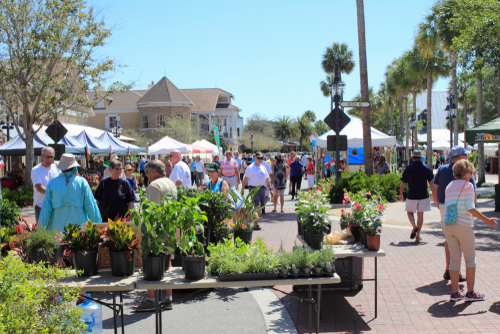
The Villages has become almost shorthand for large-scale retirement living, and for good reason. This master-planned community in Central Florida has grown to well over 70,000 residents, with thousands of homes added over the past decade alone. Entire new districts with golf courses, recreation centers, and town squares have opened in rapid succession. The pace of development can make it feel less like a small town and more like a constantly expanding retirement machine.
Because it is almost entirely age-restricted, the housing stock is heavily concentrated in similar single-family homes and villas. When new phases open, they often release large batches of nearly identical properties at once. That steady pipeline can create intense competition among sellers, especially if demand cools even slightly. For retirees hoping for long-term price stability, the sheer volume of supply is something to watch closely.
2. Sun City, Arizona
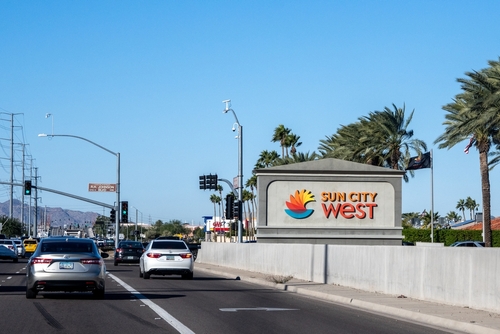
Sun City, developed in the 1960s as one of the first large-scale active adult communities, helped define the modern retirement market. Located northwest of Phoenix, it set the template for age-restricted neighborhoods with golf courses and recreation centers. Over the decades, thousands of homes were built in relatively tight geographic clusters. The result is a community where much of the housing stock was constructed within similar time frames and styles.
That uniformity can make the market feel saturated, particularly as newer 55-plus communities open nearby. When many homeowners decide to sell around the same stage of life, listings can stack up quickly. Buyers may find plenty of options, but sellers can face stiff competition on price and upgrades. It is a classic case of a successful concept that may have been replicated so thoroughly it risks oversupply.
3. Scottsdale, Arizona

Scottsdale has long been a magnet for retirees seeking desert scenery and upscale amenities. Master-planned communities, golf developments, and gated neighborhoods have spread across North Scottsdale in particular. Builders have continued adding condos and single-story homes designed for seasonal or full-time retirees. In certain pockets, it can feel like every available parcel has been turned into retirement-oriented housing.
The high concentration of similar properties means resale inventory can swell during slower periods. Luxury condos and patio homes often compete directly with brand-new builds offering incentives. That dynamic can put pressure on prices, especially in segments aimed squarely at older buyers. While Scottsdale remains desirable, some submarkets show signs of being built out to the edge of demand.
4. Naples, Florida
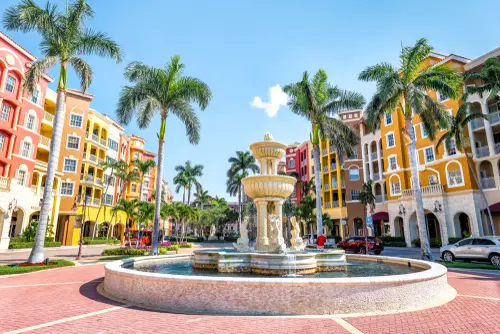
Naples is known for its beaches, golf courses, and affluent retiree base. Over the past two decades, waves of gated communities and condominium towers have reshaped the landscape. Large master-planned developments east of Interstate 75 have added thousands of homes. The skyline and suburban fringe both tell the story of aggressive building.
Because so much of the housing caters to retirees and seasonal residents, inventory can fluctuate sharply. When market conditions shift, condos and golf-course homes may linger longer than expected. New construction continues to compete with resale properties, sometimes offering upgrades or closing cost incentives. That steady pipeline can make even this high-end market feel crowded at times.
5. Myrtle Beach, South Carolina
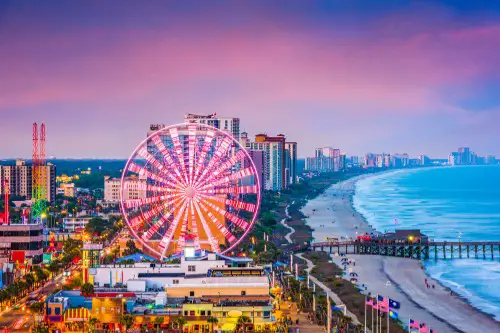
Myrtle Beach has attracted retirees with its mild climate and relatively affordable coastal living. Large planned communities and condo complexes stretch along the Grand Strand. Developers have added age-targeted neighborhoods alongside vacation rentals and second homes. The scale of construction over the years has been substantial for a metro of its size.
That volume can create a sense of oversupply, especially in the condo market. When tourism dips or insurance costs rise, some owners choose to sell at the same time. Buyers then have numerous similar units to compare, which can soften pricing. For retirees banking on appreciation, the abundance of options is a double-edged sword.
6. Hilton Head Island, South Carolina
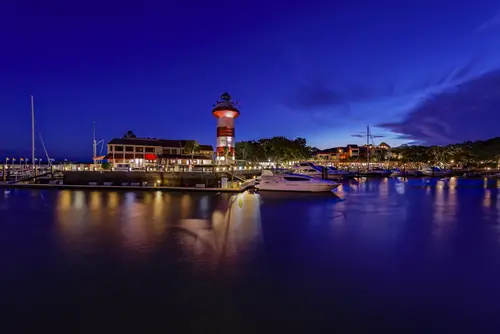
Hilton Head Island blends resort living with retirement appeal. Gated plantation communities and golf developments cover much of the island. Over the years, villas and single-family homes have been added in clusters, many with similar layouts and amenities. The result is a dense concentration of retirement-friendly properties in a limited geographic area.
Because land is finite, redevelopment and infill projects have increased. That means older homes often compete with renovated properties and newer builds. In slower markets, listings can pile up within the same communities. For sellers, standing out in a sea of comparable homes can be challenging.
7. Ocala, Florida
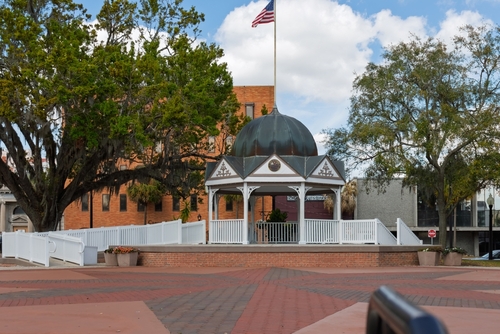
Ocala has emerged as a more affordable alternative to Florida’s coastal retirement hubs. Large 55-plus communities have expanded rapidly in Marion County. Builders have capitalized on available land to create sprawling subdivisions with amenities tailored to retirees. The growth rate in new home construction has been notable.
With so many similar homes coming online, the resale market can feel crowded. Price-sensitive buyers often compare new builds with existing properties down to small differences in finishes. If demand slows, sellers may need to adjust expectations. The rapid pace of development raises questions about how much additional inventory the market can comfortably absorb.
8. Henderson, Nevada

Henderson, just southeast of Las Vegas, has become a retirement favorite for those seeking desert living without Florida humidity. Age-restricted communities like Sun City Anthem have added thousands of homes over the years. New phases and adjacent developments have continued to expand the footprint. The area’s growth has been steady and highly visible.
Because much of the housing is concentrated in large master-planned neighborhoods, listings can cluster together. When homeowners decide to relocate or downsize again, multiple similar homes may hit the market simultaneously. New construction nearby can further increase competition. That layering of supply can give parts of Henderson an overbuilt feel.
9. Sarasota, Florida
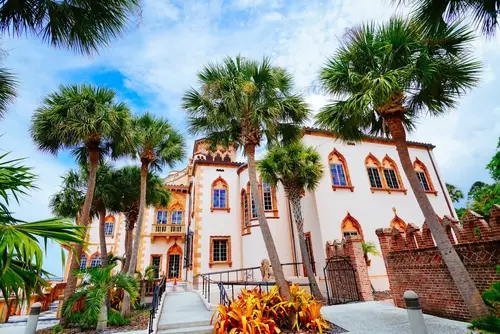
Sarasota combines Gulf Coast beaches with a strong arts scene, making it especially attractive to retirees. Downtown condominium towers have multiplied, while suburban master-planned communities continue to expand eastward. The region has seen significant building activity in both luxury and mid-range segments. Cranes and construction sites have become common sights.
In the condo market particularly, inventory levels can rise quickly. When multiple new buildings complete construction around the same time, buyers gain leverage. Existing owners may have to compete with developer incentives and modern amenities. That steady stream of units can create the impression that supply is racing ahead of demand.
10. Georgetown, Texas

Georgetown, north of Austin, is home to Sun City Texas, one of the largest age-restricted communities in the country. Thousands of homes have been built there since the mid-1990s. The development continues to add new sections, even as earlier phases mature. It has fundamentally reshaped the city’s housing mix.
Because so much of the local market is tied to one massive 55-plus community, inventory trends can be amplified. When resale activity picks up within Sun City Texas, listings can surge. New builds in later phases compete directly with earlier homes. That dynamic can make the retirement segment feel saturated compared to more diversified markets.
11. Punta Gorda, Florida

Punta Gorda has attracted retirees with its waterfront access and slower pace. Large tracts of land in Charlotte County have been developed into deed-restricted communities and golf neighborhoods. Builders have steadily added single-story homes geared toward older buyers. The cumulative effect is a sizable inventory base relative to the population.
Waterfront and golf properties often come to market in waves. If several homeowners choose to sell during the same season, options multiply quickly. Buyers then have leverage to negotiate, particularly if new construction is also available. The steady expansion over time has given parts of the area an overbuilt feel.
12. Bluffton, South Carolina
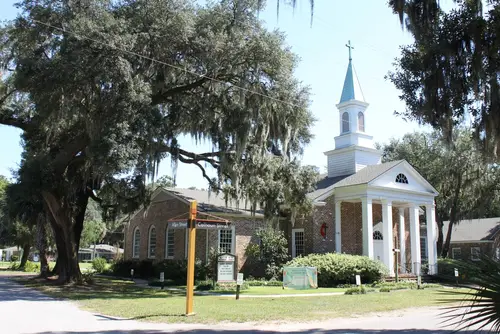
Bluffton, near Hilton Head, has seen rapid growth driven in part by retirement communities like Sun City Hilton Head. Thousands of homes have been constructed in large, amenity-rich neighborhoods. Development has pushed outward along major corridors. The scale of building has transformed what was once a quieter Lowcountry town.
Because many properties target the same demographic, market shifts can have an outsized impact. Listings within large communities often compete against nearly identical floor plans. New construction phases can further swell supply. For retirees considering resale value, the concentration of similar homes is worth noting.
13. Fort Myers, Florida
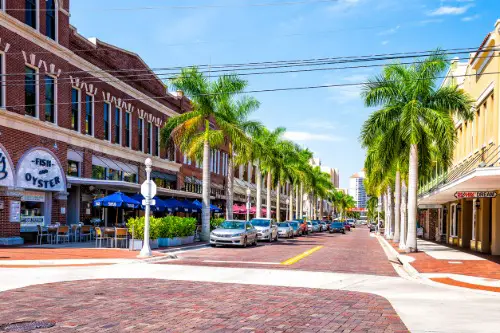
Fort Myers has long been a retirement staple on Florida’s Gulf Coast. Gated communities, golf developments, and condo complexes stretch across Lee County. Over the years, developers have added thousands of units aimed at seasonal and full-time retirees. The physical footprint of retirement housing is extensive.
When market conditions soften, the number of comparable listings can climb quickly. Condo owners in particular may find themselves competing with both resales and newly completed projects. Insurance costs and storm concerns can also prompt clusters of sales. All of that combined can make parts of Fort Myers feel heavily built out relative to demand.
This post 13 Retirement Markets That Feel Overbuilt was first published on American Charm.

