
1. Package Tracking
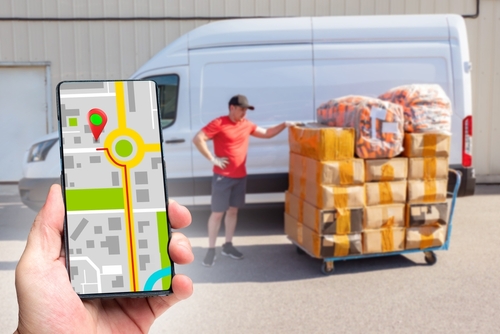
Real-time package tracking lets customers monitor deliveries from warehouse to doorstep. Shipping companies scan items at multiple points along their routes. Text and email notifications provide estimated arrival windows. This transparency reduces uncertainty about when important items will show up.
Small businesses depend on tracking to manage inventory and reassure buyers. Homeowners can plan to be present for high-value deliveries. Missed packages are easier to investigate with documented movement histories. Knowing exactly where a box is at any moment has become a small but powerful everyday reassurance.
2. Drive-Through Services

Drive-through windows are a defining feature of American car culture. Fast-food restaurants, coffee chains, pharmacies, and even banks offer service without customers leaving their vehicles. This model grew alongside suburban expansion and widespread car ownership in the twentieth century. It allows people to combine errands with commuting in a single, efficient trip.
For parents with sleeping toddlers in the back seat, staying in the car can feel like a lifesaver. Shift workers grabbing meals at odd hours benefit from extended drive-through availability. Pharmacies offering prescription pickup this way make it easier for people who are sick or mobility-limited. Over time, the option has reinforced the idea that speed and ease are standard parts of service.
3. Credit and Debit Card Payments
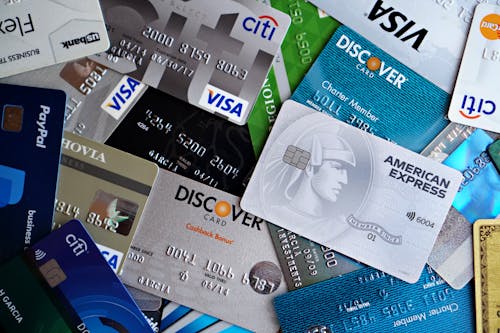
Credit and debit cards are now the default way many Americans pay for everyday purchases. Electronic payment networks process billions of transactions each year across grocery stores, gas stations, and online platforms. Contactless “tap-to-pay” technology has made checkout even faster. Carrying less cash has become common in both urban and suburban areas.
Credit cards also allow consumers to build credit histories that affect their ability to rent apartments or secure loans. Fraud monitoring systems can quickly flag unusual activity, offering a layer of protection. Automatic billing for utilities and subscriptions simplifies monthly budgeting. The ease of swiping or tapping has reshaped how people think about spending and money management.
4. 24-Hour Stores and Services
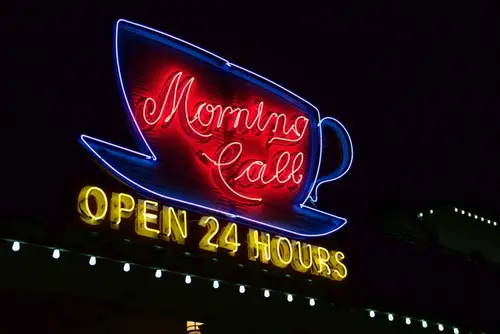
In many American cities and along major highways, certain businesses operate around the clock. Convenience stores, large retailers, and some gyms cater to customers at all hours. This reflects a workforce that includes overnight medical staff, factory employees, and emergency responders. It acknowledges that daily life does not always fit a nine-to-five schedule.
Being able to buy cold medicine at 2 a.m. or groceries after a late shift offers tangible relief. College students and long-haul drivers rely on these options to keep irregular routines running smoothly. Continuous availability also supports travel across multiple time zones within the country. The expectation that something is always open has become part of the national rhythm.
5. Air Conditioning
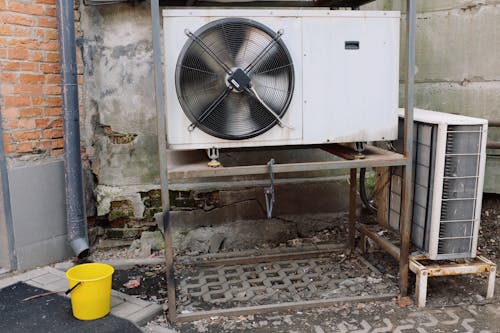
Air conditioning is widespread in American homes, offices, schools, and cars. In hotter regions such as the South and Southwest, central air systems are common in residential construction. This technology made large-scale migration to warm climates more practical during the twentieth century. It also supports productivity in workplaces during extreme heat.
In schools, climate control can improve comfort and concentration during late spring and early fall. In hospitals and data centers, regulated temperatures are essential for safety and equipment function. Summer road trips are far more manageable with cooled car interiors. The steady hum of air conditioning has become an almost invisible backdrop to modern American life.
6. Interstate Highways
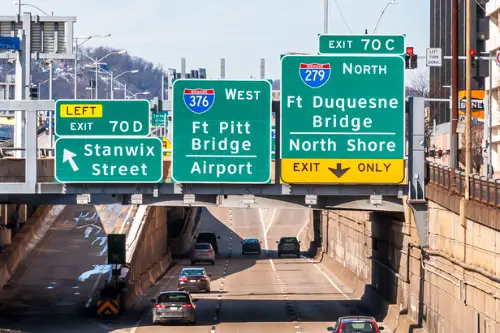
The Interstate Highway System connects major cities and small towns across thousands of miles. Built beginning in the 1950s, it standardized road design and improved long-distance travel. Goods move efficiently by truck between ports, warehouses, and retail stores. Families can drive across several states without leaving controlled-access highways.
This network supports commuting patterns in sprawling metropolitan areas. It also underpins industries like tourism, logistics, and long-haul trucking. Emergency evacuations during hurricanes often rely on these major routes. The ability to drive coast to coast has shaped both economic activity and personal mobility.
7. Streaming Entertainment

Streaming services allow viewers to watch movies and television shows on demand. High-speed internet and smart devices have replaced rigid broadcast schedules for many households. Entire seasons of shows can be released at once, encouraging binge-watching. Music streaming platforms offer millions of songs without physical media.
Families can personalize profiles and recommendations within a single subscription. Viewers in different time zones can watch the same program simultaneously without waiting for local air times. This flexibility has altered how people talk about pop culture and share experiences. Entertainment now fits around daily life instead of the other way around.
8. Automated Teller Machines (ATMs)
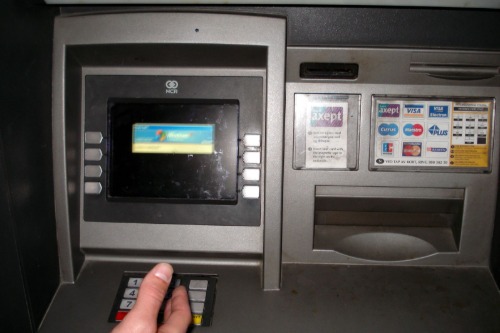
ATMs provide cash access beyond traditional bank branch hours. Located in grocery stores, airports, and gas stations, they extend banking into everyday spaces. Customers can withdraw funds, check balances, and sometimes deposit checks. This reduces the need to plan errands around limited teller availability.
Travelers benefit from being able to access money in unfamiliar cities. Small businesses that operate in cash-heavy sectors rely on nearby machines for customers. The widespread ATM network supports both urban neighborhoods and rural towns. Having immediate access to funds reinforces a sense of financial flexibility.
9. Curbside Pickup
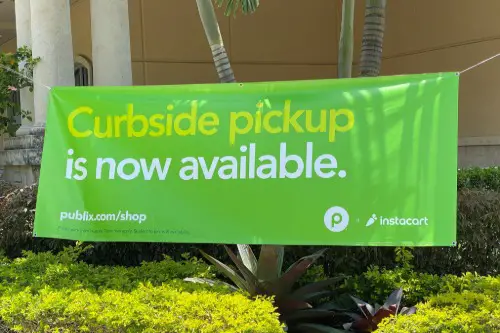
Curbside pickup blends online ordering with local retail. Customers place orders through websites or apps and receive notifications when items are ready. Store employees bring purchases directly to parked cars. This model expanded rapidly during public health restrictions in 2020 and has remained popular.
It saves time for people who want to avoid browsing aisles. Parents juggling multiple children can complete shopping without unloading car seats. Retailers use it to compete with pure e-commerce by offering same-day fulfillment. The practice has redefined what “going to the store” actually means.
10. Home Appliances
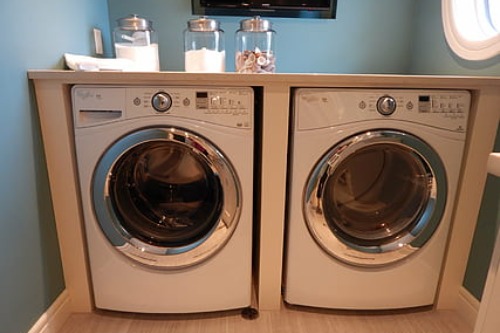
Dishwashers, washing machines, dryers, and microwaves are standard in most American households. These appliances automate tasks that once required hours of manual labor. Laundry that once took an entire day can now be done in multiple loads with minimal supervision. Microwaves make reheating leftovers a matter of minutes.
This time savings allows households to allocate energy to work, school, or leisure. Dual-income families often rely on these machines to manage tight schedules. Energy efficiency standards have improved performance while reducing power consumption. The steady presence of these appliances has quietly reshaped domestic expectations.
11. Online Shopping and Fast Delivery

Online shopping has transformed how Americans buy everything from groceries to gadgets. With widespread broadband access and secure payment systems, people can order products at any hour. Major retailers operate vast fulfillment networks that move items across the country in days, sometimes hours. For many households, that speed has reset expectations about convenience.
The rise of two-day and even same-day delivery means fewer trips to physical stores. It also gives people in rural areas access to the same selection found in big cities. During severe weather or busy workweeks, having essentials arrive at the door can be more than a luxury. It subtly shapes daily routines by making instant access feel normal.
This post Everyday Conveniences That Shape American Life was first published on American Charm.

