
1. Los Angeles
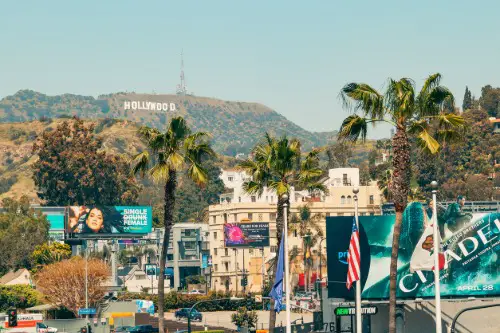
Los Angeles practically invented the convenience-first lifestyle, with its vast freeway system and neighborhoods stitched together by car culture. The postwar boom prioritized single-family homes, drive-thrus, and shopping malls over walkable main streets. As the city expanded outward, public transit systems like the Pacific Electric Railway were dismantled. What replaced them was a landscape where you can get anything at almost any hour, as long as you’re willing to drive.
That convenience comes at a social cost, because daily life often unfolds behind a windshield instead of on a sidewalk. Neighbors may live just feet away but rarely run into each other organically. Even errands are solitary, completed in big-box parking lots rather than corner stores. In a city built for movement, lingering can feel like an afterthought.
2. Houston
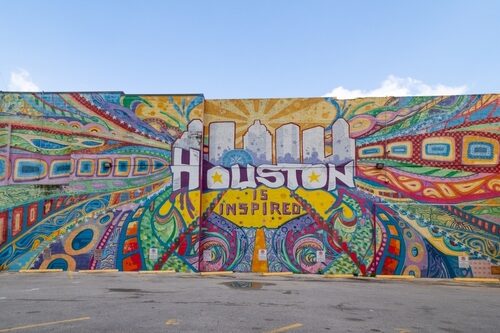
Houston is famous for having no formal zoning code, which has encouraged rapid, car-oriented sprawl. Massive highways like the Katy Freeway slice across the metro area, making long commutes routine. Master-planned suburbs have flourished with gated entries and private amenities. It’s a city designed to make expansion easy and regulation minimal.
The result is convenience on a grand scale, from enormous grocery stores to drive-thru everything. Yet the sheer size of the metro area makes spontaneous connection difficult. Many residents spend hours each day in traffic rather than in shared public spaces. Community life often revolves around private subdivisions instead of common civic hubs.
3. Phoenix
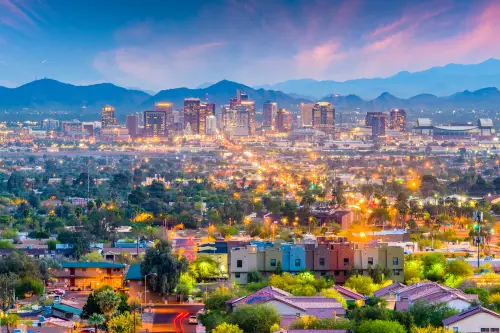
Phoenix grew explosively after World War II, built around air conditioning and the automobile. Its wide arterial roads and cul-de-sacs stretch across the desert in every direction. Sidewalks exist, but summer heat regularly pushes temperatures above 100 degrees for months. Daily life is engineered for efficiency inside climate-controlled bubbles.
Shopping centers with ample parking anchor most neighborhoods. Residents can accomplish nearly any errand without walking more than a few steps from their cars. Public gathering spots exist, but they are often indoors and commercially driven. The environment itself nudges people toward isolation and away from sidewalk culture.
4. Atlanta
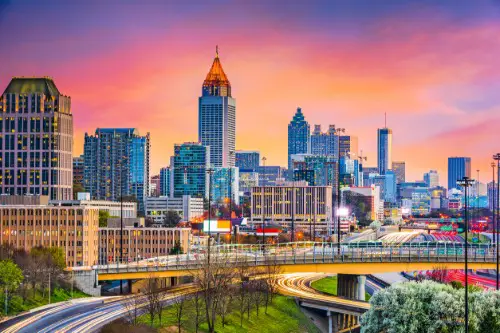
Atlanta’s growth has long been tied to highways like Interstate 285 and Interstate 75. Suburban expansion accelerated in the late 20th century, pulling residents farther from the urban core. While the MARTA rail system serves parts of the city, much of the metro area remains car-dependent. Office parks and shopping complexes dominate major corridors.
Convenience here often means driving from garage to parking deck without much in between. Social life can become scheduled rather than spontaneous because of traffic realities. Large homes and private yards replace front porches and shared stoops. It’s easy to get what you need quickly, but harder to casually bump into your neighbors.
5. Dallas
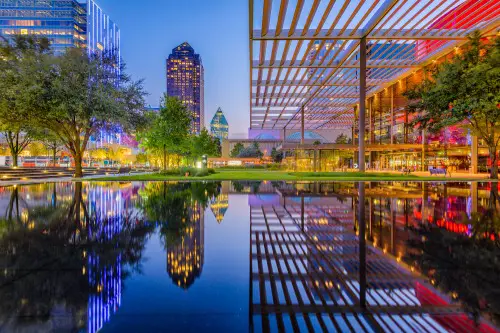
Dallas expanded rapidly during the late 20th century with a strong emphasis on highways and suburban development. Neighborhoods spread outward in master-planned communities connected by toll roads. The Dallas North Tollway and other major routes make commuting by car the default. Retail life centers on malls and big-box stores rather than traditional town squares.
The city offers remarkable consumer convenience, from sprawling supermarkets to 24-hour services. Yet walkable, mixed-use neighborhoods are relatively limited compared to its overall size. Residents often coordinate social gatherings intentionally instead of running into each other by chance. The infrastructure favors speed and access over shared public rhythm.
6. Orlando
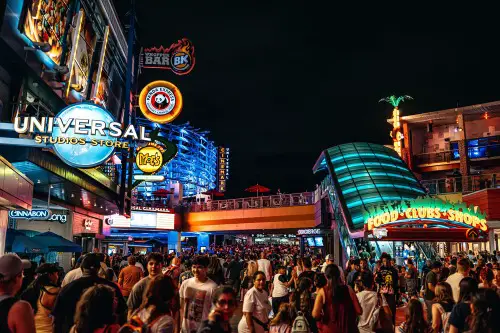
Orlando’s identity is closely tied to tourism and attractions like Walt Disney World, which reshaped the region’s development. Highways and arterial roads were built to move visitors efficiently between theme parks and resorts. Residential growth followed a similar pattern of subdivisions and commercial strips. The city’s layout reflects a hospitality economy built on ease and access.
For locals, that often translates into a car-first daily routine. Many neighborhoods are separated by wide roads and commercial zones. Public life frequently happens in entertainment complexes rather than civic plazas. The emphasis on seamless experiences can leave everyday community ties feeling secondary.
7. Las Vegas
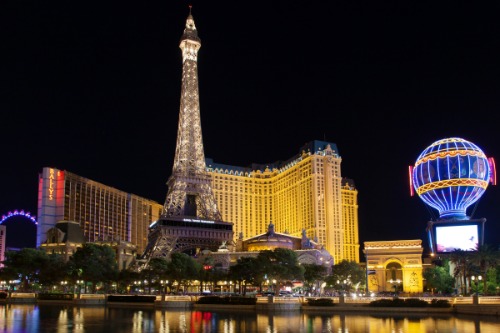
Las Vegas is structured around the Strip, a corridor engineered for spectacle and tourism. Massive resorts offer dining, shopping, and entertainment under one roof. Outside the Strip, suburban neighborhoods stretch across the desert in planned grids. The entire metro area was largely built in the late 20th century with cars in mind.
Residents can find almost any service at any hour, reflecting the city’s 24/7 culture. Yet much of that energy is directed inward, toward casinos and private developments. Sidewalk life outside tourist areas is limited by heat and distance. The design favors self-contained convenience over interconnected neighborhoods.
8. Charlotte
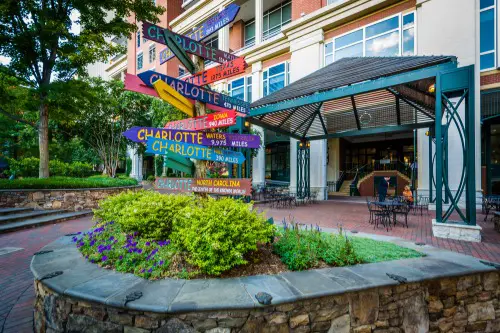
Charlotte transformed rapidly into a major banking hub in the late 20th century. Corporate towers define Uptown, while suburbs extend outward along highways. The city invested in light rail, but much of the metro remains automobile-oriented. Growth often prioritized office parks and residential subdivisions.
The banking economy brought prosperity and polished amenities. However, many communities are separated by busy roads and commercial corridors. Errands are streamlined through large shopping centers with expansive parking lots. The pace of development sometimes outstripped the slower work of cultivating neighborhood cohesion.
9. Miami
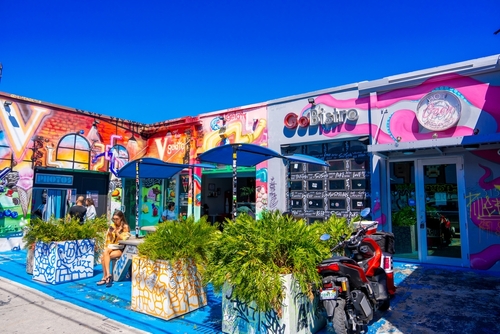
Miami’s skyline has soared with luxury high-rise condos and waterfront developments. Major highways like I-95 funnel commuters through dense traffic daily. While some neighborhoods are walkable, much of the metro area depends heavily on cars. Rapid real estate turnover has reshaped longstanding communities.
Gated towers and private amenities offer residents convenience and security. Yet those same features can limit interaction beyond one’s building. Public gathering spaces compete with exclusive clubs and controlled-access properties. The city’s growth has often prioritized lifestyle efficiency over rooted neighborhood continuity.
10. Denver
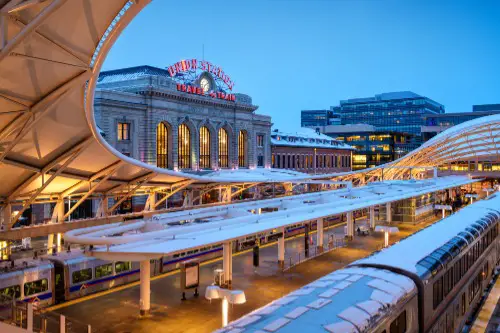
Denver expanded dramatically in the postwar era, with suburbs pushing into the Front Range. Highways like I-25 and I-70 structure daily commuting patterns. While the city has invested in light rail, many residents still rely on cars. Development in surrounding counties emphasized single-family homes and shopping centers.
Outdoor culture fosters community in some pockets, especially near parks and trails. Still, daily errands often require driving across wide commercial corridors. Large grocery stores and chain retailers dominate suburban nodes. Convenience is easy to find, but organic street life varies widely by neighborhood.
11. San Jose
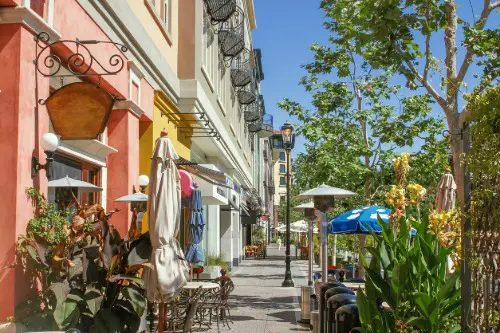
San Jose grew alongside Silicon Valley’s tech boom. Office campuses and corporate headquarters spread across low-rise suburban landscapes. The city’s design reflects mid-20th-century planning ideals centered on cars and single-use zoning. Residential neighborhoods are often separated from commercial and office districts.
Tech prosperity brought abundant services and rapid delivery culture. Yet sprawling layouts can make daily interaction less spontaneous. Many residents commute to dispersed campuses rather than centralized downtown hubs. Efficiency and innovation drive the economy, but not always face-to-face familiarity.
12. Tampa
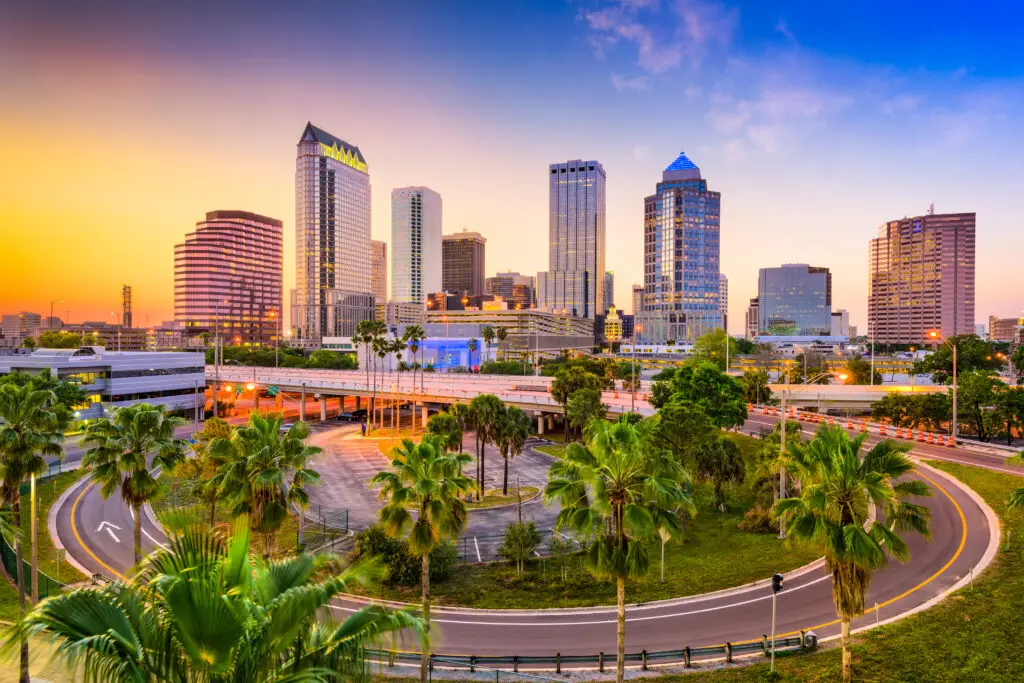
Tampa’s metro area expanded through suburban growth across Hillsborough and Pinellas counties. Bridges and highways connect communities spread around Tampa Bay. While historic neighborhoods exist, much recent development features cul-de-sacs and commercial strips. The car remains central to everyday life.
Retail plazas and chain restaurants anchor many suburban districts. Residents can quickly access beaches, malls, and offices by vehicle. However, public transportation options are limited compared to the region’s size. The structure of the metro often prioritizes access over shared civic gathering spots.
13. Nashville
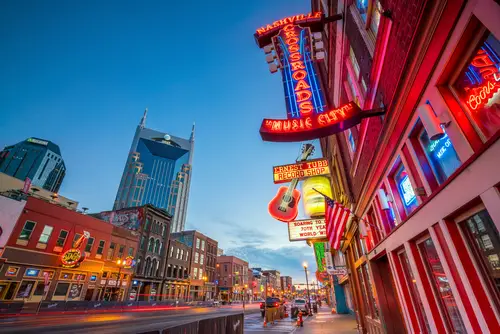
Nashville’s recent population boom brought waves of new housing and infrastructure. Interstates like I-40 and I-65 funnel commuters into and around the city. Rapid development has replaced some older neighborhoods with larger homes and apartment complexes. Growth frequently outpaced transit expansion.
Entertainment districts thrive, especially downtown, but many residents live far from them. Suburban life centers on shopping centers and private developments. While the music scene builds cultural identity, daily routines often rely on driving. Convenience fuels the boom, even as longtime community patterns shift.
14. Columbus
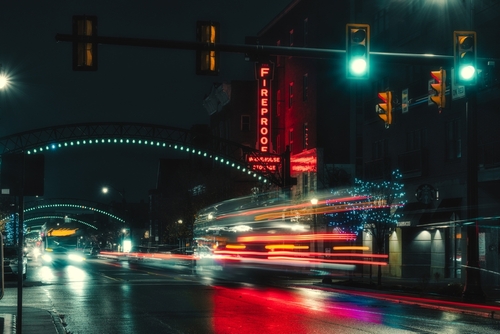
Columbus expanded steadily through annexation, allowing the city to grow geographically without densifying its core. Highways loop and radiate outward, supporting suburban-style development within city limits. Shopping malls and retail corridors became central features of community life in the late 20th century. The metro area’s layout reflects a balance tilted toward mobility and growth.
Many neighborhoods are quiet and residential, with limited mixed-use centers. Residents often drive for groceries, schools, and entertainment. Large parking lots surround most commercial hubs, emphasizing ease of access. The design makes life manageable and efficient, but sometimes less interconnected than older urban models.
This post American Cities Where Convenience Replaced Community was first published on American Charm.

