
1. Truckee, California
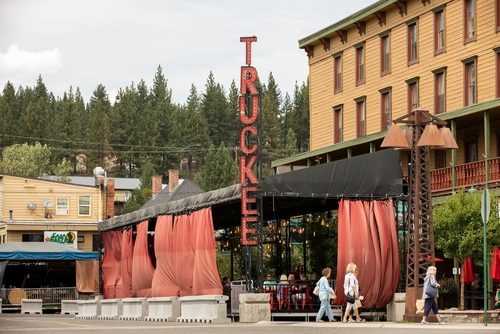
Truckee began as a railroad town and gateway to the Sierra Nevada. It was historically busiest during ski season or summer lake trips. Remote work and Bay Area migration have changed that dynamic. Full-time residency has increased noticeably in recent years.
Its proximity to Lake Tahoe keeps tourism steady across seasons. Winter brings skiers, while summer draws hikers and boaters. Housing prices have surged as demand has intensified. The quiet shoulder seasons that locals once relied on have become far less predictable.
2. Bozeman, Montana
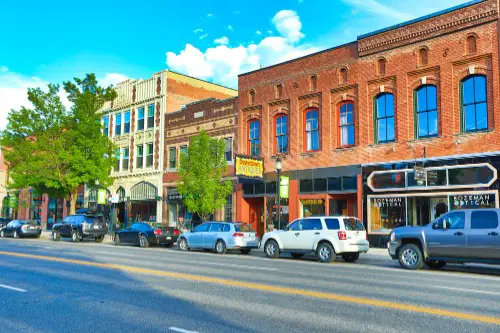
Bozeman was once a classic college-and-cow-town hybrid anchored by Montana State University. For years, it had a modest downtown and a steady but manageable flow of visitors heading toward Yellowstone. Since 2020, population growth and remote work have accelerated dramatically. New residents have arrived seeking mountain views, open space, and a lower-density lifestyle.
Proximity to Yellowstone National Park keeps tourism high, but it’s the year-round recreation that has truly changed Bozeman. Skiers flock to nearby Bridger Bowl in winter, while hikers and anglers fill the trails and rivers in summer. Luxury home construction and tech money have transformed the housing market. What once felt like a hidden Montana gem now buzzes in every season.
3. Franklin, Tennessee
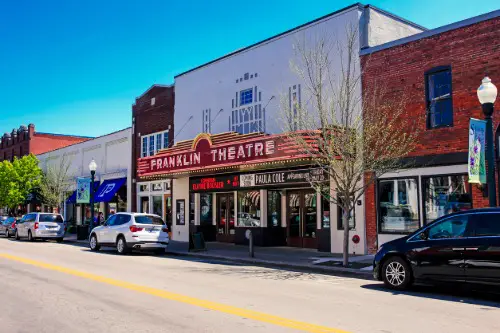
Franklin used to be a quiet Civil War-era town south of Nashville. Its historic Main Street and preserved battlefields drew history buffs but not massive crowds. Over the last two decades, rapid growth in the greater Nashville area has spilled into Franklin. It’s now one of the fastest-growing and most affluent cities in Tennessee.
Families and professionals are drawn by top-rated schools and a picturesque downtown. The town’s music industry connections, tied to nearby Nashville, have also fueled growth. Corporate relocations and new developments have filled once-open land. Today, traffic and packed restaurants are common year-round realities.
4. Coeur d’Alene, Idaho
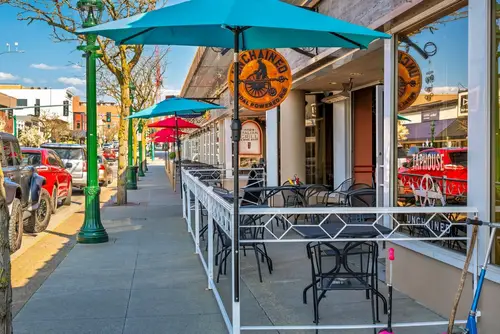
Coeur d’Alene was long considered a serene lakeside retreat in northern Idaho. It attracted summer vacationers but remained relatively quiet in the off-season. In recent years, the city has seen significant in-migration from states like California and Washington. Population growth and housing demand have reshaped the local economy.
The sparkling waters of Lake Coeur d’Alene still anchor the town’s appeal. However, outdoor recreation now spans all seasons, from boating to skiing in nearby mountains. New subdivisions and upscale developments have replaced stretches of forested land. What once felt like a sleepy summer town now hums throughout the year.
5. St. George, Utah
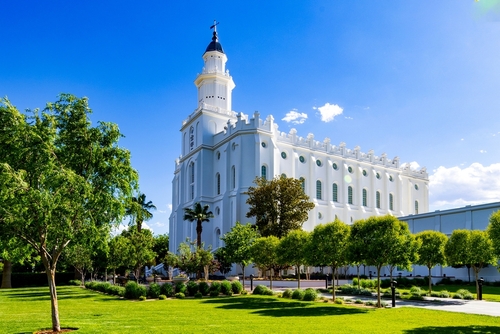
St. George was once a quiet desert community primarily known to retirees and snowbirds. Its red rock scenery drew seasonal visitors, but summers were especially slow due to intense heat. Over the past two decades, it has become one of the fastest-growing metro areas in the country. Retirees, remote workers, and families have all contributed to its boom.
Its proximity to Zion National Park keeps tourism steady nearly all year. Golf courses, hiking trails, and expanding healthcare facilities add to its appeal. New master-planned communities continue to spread across the desert landscape. Even in the off-season, restaurants and shopping centers stay busy.
6. Whitefish, Montana
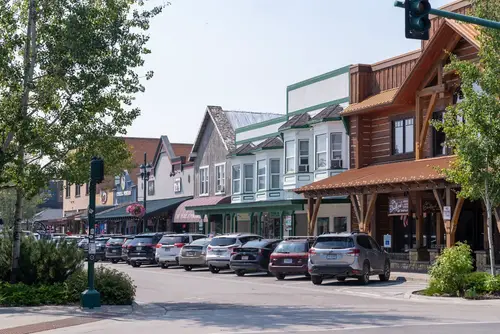
Whitefish used to be a quiet railroad and logging town near Glacier National Park. For years, it saw a surge in visitors only during peak summer months. Today, it’s a four-season destination with consistent crowds. Luxury real estate and high-end tourism have transformed its identity.
Winter sports at Whitefish Mountain Resort draw skiers from across the country. Summer visitors head into nearby Glacier for hiking and sightseeing. Remote work trends have also brought full-time residents who no longer leave after vacation. The result is a town that feels lively, and sometimes crowded, all year long.
7. Asheville, North Carolina
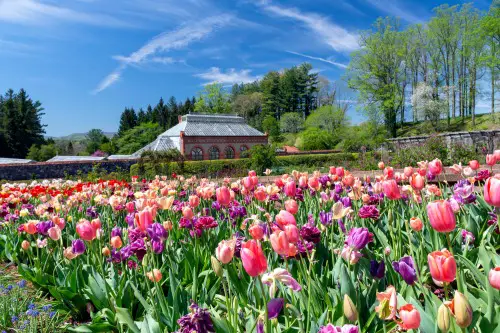
Asheville was once a laid-back mountain town with an artsy streak. It attracted visitors for its Blue Ridge scenery but rarely felt overwhelmed. In the last 20 years, tourism and population growth have surged. It has become one of the Southeast’s most talked-about small cities.
The presence of Biltmore Estate guarantees a steady stream of visitors. A thriving craft beer scene and vibrant arts culture keep the downtown packed. Short-term rentals have expanded significantly, increasing housing pressure. What once felt bohemian and breezy now feels busy nearly every weekend of the year.
8. Leavenworth, Washington
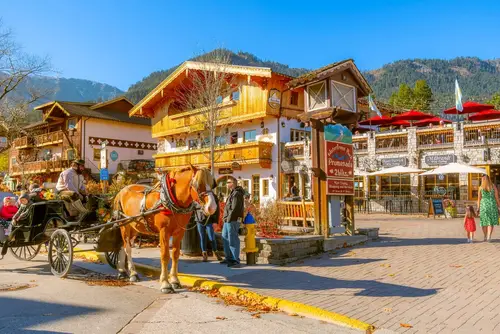
Leavenworth reinvented itself in the 1960s as a Bavarian-style village to boost tourism. For years, it experienced heavy foot traffic mainly during Oktoberfest and the winter holidays. In recent times, social media and regional tourism have made it popular year-round. Visitor numbers have steadily increased beyond traditional peak seasons.
Its alpine aesthetic and proximity to mountain recreation make it an easy getaway from Seattle. Festivals, Christmas lighting events, and outdoor activities fill the calendar. Hotels and vacation rentals are often booked well in advance. Even midweek strolls through town now come with noticeable crowds.
9. Park City, Utah

Park City was originally a silver mining town before becoming a ski hub. For years, its busiest stretch revolved around winter ski season. Hosting the Sundance Film Festival elevated its profile internationally. Today, it attracts residents and tourists in every season.
World-class skiing at Park City Mountain anchors the winter economy. In summer, hiking, mountain biking, and festivals fill the calendar. High-end real estate and second homes have fueled rapid growth. What was once a seasonal boomtown now feels permanently in demand.
10. Naples, Florida
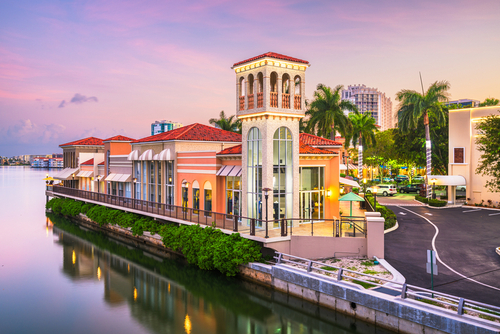
Naples was long defined by seasonal “snowbird” residents escaping northern winters. Summers were quiet, humid, and relatively empty. Over time, more retirees have chosen to live there full-time. Population growth has made the town busy even in traditionally slower months.
Upscale shopping districts and beaches draw visitors beyond peak winter season. Expanding healthcare and luxury developments have supported permanent residency. The city consistently ranks among the fastest-growing areas in Florida. The once-predictable seasonal rhythm has largely disappeared.
11. Bend, Oregon
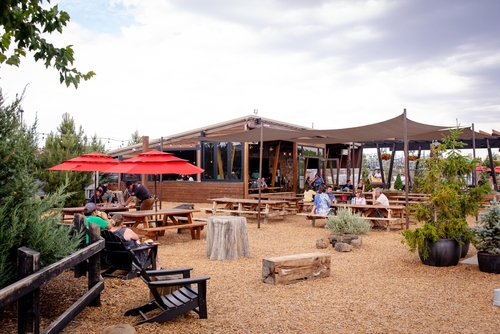
Bend used to feel like a laid-back mill town tucked into central Oregon’s high desert. For decades, it was best known for timber work and as a pit stop on the way to bigger Northwest cities. Now it’s a full-blown lifestyle destination with a population that has more than doubled since 2000. Remote workers, retirees, and outdoor enthusiasts have helped turn it into one of the fastest-growing small cities in the West.
The draw is constant: skiing at Mount Bachelor in winter, floating the Deschutes River in summer, and hiking or mountain biking nearly year-round. A booming craft beer scene has earned it the nickname “Beer City USA” in some circles, with dozens of breweries packed into town. Home prices have surged as demand has outpaced supply, reshaping once-quiet neighborhoods. What used to feel seasonal now feels busy in every month on the calendar.
12. Charleston, South Carolina

Charleston was once considered a charming but relatively low-key Southern city. Its cobblestone streets and historic homes drew steady tourism but manageable crowds. In the past two decades, national media attention and culinary acclaim have driven major growth. Population increases in the metro area have followed.
Its historic district, waterfront views, and acclaimed restaurants keep visitors arriving year-round. Cruise ship stops and destination weddings add to the steady stream. Real estate demand has pushed development into surrounding communities. What once felt like a slower-paced coastal town now rarely experiences a true off-season.
13. Jackson, Wyoming
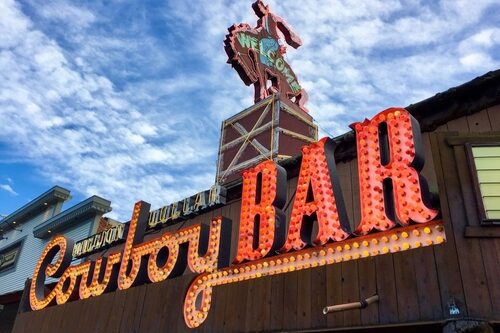
Jackson was once a rugged Western town catering mainly to seasonal tourists. It has always been a gateway to nearby national parks, but shoulder seasons were noticeably quiet. In recent years, an influx of wealth and remote workers has altered that pattern. Luxury real estate growth has been particularly striking.
Its location near Grand Teton National Park ensures constant tourism. Winter skiing and summer wildlife viewing create dual peak seasons that now blend together. High-profile residents and rising property values have reshaped the local economy. Today, the town feels active and expensive throughout the entire year.
This post Once-Quiet Towns That Are Now Packed Year-Round was first published on American Charm.

