
1. Prescott, Arizona

Prescott is frequently pitched as a cooler, more affordable alternative to Phoenix for retirees. While it avoids some desert heat, home prices have climbed as demand from out-of-state buyers has grown. Inventory constraints keep the market competitive. That means retirees may pay more upfront than they anticipated.
Arizona has relatively moderate taxes, but healthcare and everyday expenses can still add up. Water costs and long-term drought concerns also influence utility rates and development fees. In a smaller city, specialized medical care may require travel to larger metros. The overall cost of maintaining a comfortable lifestyle can exceed the “budget Arizona” reputation.
2. Palm Coast, Florida

Palm Coast often shows up on “affordable Florida retirement” lists because there’s no state income tax and home prices used to be a bargain compared to South Florida. But property insurance costs have surged in recent years, especially in coastal and hurricane-prone parts of the state. Retirees who buy expecting modest monthly expenses are often surprised by rising premiums and higher deductibles. Add in property taxes that adjust with home values, and the math starts to shift quickly.
Healthcare access can also be more limited than in larger Florida metros, which means more driving for specialists and hospital care. That can translate into extra transportation costs and time, particularly for retirees managing chronic conditions. Utility bills, especially electricity for air conditioning, run high during long, humid summers. What looks affordable on paper can feel tighter once those recurring costs stack up.
3. Sarasota, Florida
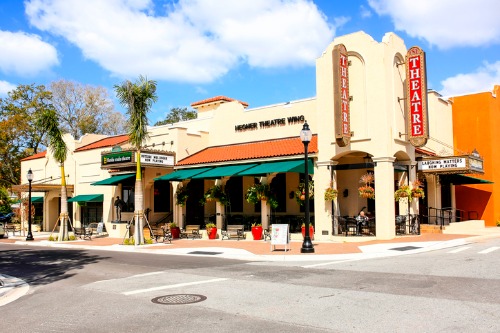
Sarasota is often marketed as a cultural paradise for retirees, with beaches and arts amenities that feel upscale without Miami prices. The catch is that home prices and rents have climbed significantly over the past several years, pushing the area well above the national median. Insurance costs in coastal zones are also among the highest in the state. Even condo owners face steep HOA fees and special assessments.
Dining, entertainment, and everyday services tend to be priced for a more affluent crowd. That means retirees on fixed incomes can feel squeezed faster than expected. Property taxes, while moderate by national standards, still rise with assessed values. The overall lifestyle can be wonderful, but it rarely qualifies as a true budget haven anymore.
4. Asheville, North Carolina

Asheville has long attracted retirees with its mountain scenery and vibrant arts scene. However, housing prices have increased sharply over the past decade, outpacing many parts of the Southeast. Limited housing supply in a desirable mountain setting keeps prices elevated. That can make downsizing surprisingly expensive.
North Carolina taxes certain types of retirement income, which can chip away at fixed budgets. Healthcare costs can also be higher than expected in a smaller metro area with strong demand. Tourist-driven pricing affects restaurants and services throughout much of the year. What feels like a cozy mountain town often comes with big-city price tags.
5. Boise, Idaho

Boise became a relocation hotspot during the pandemic, and housing prices surged accordingly. Although prices have cooled from peak levels, they remain significantly higher than they were just a few years ago. That rapid appreciation has reshaped the affordability equation. Retirees arriving late to the boom often pay much more than earlier movers.
Idaho taxes most retirement income, and Social Security benefits can be taxable depending on income levels. Property taxes are relatively moderate, but higher home values still translate into higher bills. Healthcare access is good for the region but limited compared to major metropolitan areas. The result is a city that feels livable, yet not as inexpensive as older rankings suggest.
6. Austin, Texas

Austin benefits from Texas having no state income tax, which draws many retirees. But property taxes in Texas are among the highest in the country as a percentage of home value. In a city where home prices have climbed dramatically, that can mean sizable annual tax bills. Insurance and utility costs in the hot climate add to the burden.
Austin’s rapid growth has also pushed up prices for healthcare, dining, and services. Even everyday expenses like car insurance and home maintenance trend higher in fast-growing metros. While there are property tax exemptions for seniors, they do not erase the impact of high valuations. The no-income-tax appeal can be offset by these other recurring costs.
7. Denver, Colorado

Denver attracts retirees with its sunshine and access to outdoor recreation. However, housing prices and rents are well above the national average. Colorado has a flat state income tax, and while there are deductions for some retirement income, many retirees still pay state taxes. That can narrow the gap between expectations and reality.
Healthcare in the Denver metro is high quality but often comes at urban pricing levels. Property taxes are relatively low compared to some states, yet rising home values increase total bills. Utility costs can spike in winter due to heating needs. Retirees who expect a bargain Rocky Mountain lifestyle may find it costs more than assumed.
8. Charleston, South Carolina

Charleston frequently appears on best-places-to-retire lists thanks to its charm and coastal setting. But coastal insurance premiums and flood considerations can significantly raise homeownership costs. Home prices in desirable neighborhoods are far from cheap. Even inland suburbs have seen steady appreciation.
South Carolina offers some retirement income exclusions, but not all income is tax-free. Tourism keeps restaurants and entertainment venues busy, which can also keep prices elevated. Property taxes are relatively low, yet rising values can still increase annual bills. The overall cost of living often exceeds the “affordable Southern charm” narrative.
9. Nashville, Tennessee

Nashville is attractive because Tennessee does not tax earned income or Social Security benefits. However, housing costs have surged over the past decade as the city’s popularity has grown. Retirees buying into trendy neighborhoods can face prices well above national averages. That initial purchase price alone can strain a retirement budget.
Sales taxes in Tennessee are among the highest in the country, which affects everyday purchases. Healthcare costs in a growing metro can also be higher than in smaller towns. Property taxes are moderate, but rising assessments can still increase bills. The no-income-tax benefit does not automatically make the city a low-cost retirement choice.
10. Naples, Florida

Naples is often associated with luxury retirement living along the Gulf Coast. While Florida has no state income tax, Naples consistently ranks among the most expensive housing markets in the state. Home prices and condo fees can be steep, especially near the water. Insurance premiums for coastal properties add another layer of expense.
Everyday costs tend to reflect the area’s affluent population. Dining, healthcare services, and home maintenance can all come at premium rates. Even routine expenses like landscaping or repairs often cost more than in less upscale markets. It is beautiful and sunny, but rarely budget-friendly.
11. Bend, Oregon

Bend has become a magnet for outdoor enthusiasts, including retirees seeking an active lifestyle. The influx of newcomers has pushed home prices well above historical norms. Limited housing supply in a scenic location keeps prices elevated. Downsizing here does not necessarily mean spending less.
Oregon does not have a sales tax, but it does have a relatively high state income tax that applies to many forms of retirement income. Healthcare options are solid for a smaller city, yet specialty care may require travel. Utility costs can rise in colder months due to heating needs. The picturesque setting often comes with a higher overall cost of living than advertised.
12. Scottsdale, Arizona

Scottsdale is frequently highlighted for its golf courses and resort-style retirement communities. However, housing prices are among the highest in the Phoenix metro area. HOA fees in planned communities can add hundreds of dollars per month. Those recurring costs can catch retirees off guard.
Arizona taxes most retirement income, and healthcare costs in upscale areas can be elevated. Air conditioning bills during long summers can be substantial. Property values have appreciated, leading to higher property tax bills even if rates are moderate. The lifestyle is polished, but it is rarely inexpensive.
13. Portland, Maine

Portland draws retirees with its coastal charm and walkable downtown. Yet housing prices have risen sharply as demand for New England coastal property has grown. Property taxes in Maine are relatively high compared to national averages. That combination can significantly increase annual housing costs.
Maine taxes many forms of retirement income, though there are some deductions. Heating costs during long winters can be substantial, especially in older homes. Groceries and utilities often cost more in northern states due to transportation and energy needs. The quaint seaside appeal can mask a surprisingly expensive reality.
14. San Diego, California

San Diego is frequently described as a retirement dream thanks to its mild climate. But housing costs are among the highest in the country, whether buying or renting. California also has a progressive state income tax that applies to most retirement income, excluding Social Security. That tax burden can be significant for retirees with pensions or withdrawals from retirement accounts.
Healthcare access is excellent, yet costs tend to align with big-city California pricing. Everyday expenses, from gasoline to dining out, are typically above national averages. Property taxes are limited by Proposition 13, but high purchase prices still mean large overall bills. The weather may be nearly perfect, but the affordability often is not.
This post Where Retirement Isn’t as Affordable as Advertised was first published on American Charm.

