
1. Atlanta, Georgia
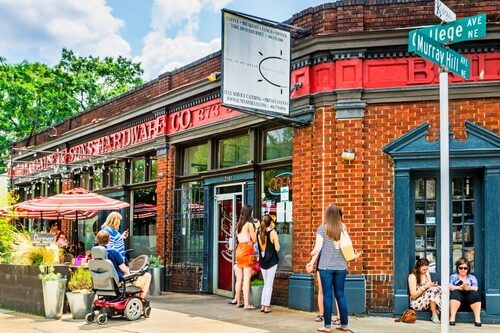
Atlanta’s population grew by about 30,000 people in the last year, pushing the city’s highways and neighborhoods to capacity. Residents feel like traffic is permanent and construction never stops. The cost of housing is rising, and neighborhoods are changing rapidly. Longtime Atlantans joke that it’s hard to recognize the city they grew up in.
Despite the growing pains, Atlanta remains a hub for business, culture, and entertainment. Restaurants, nightlife, and tech opportunities continue to attract newcomers. Schools and infrastructure are working hard to keep up, but the pace is challenging. The city’s growth is a blessing for the economy but sometimes a headache for those who live there.
2. Los Angeles, California
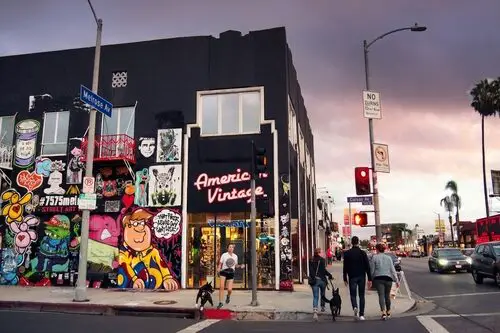
Los Angeles added roughly 50,000 people last year, making freeways even more of a nightmare than usual. Neighborhoods are transforming as new apartment buildings and shopping centers pop up almost overnight. Locals complain that the city’s character sometimes feels lost under constant development. Even favorite local spots are often overcrowded or gone entirely.
Despite that, LA’s booming film, tech, and startup scenes keep people moving in. Restaurants, events, and cultural experiences have expanded along with the population. But the flip side is longer commutes, housing shortages, and a persistent sense that the city is growing faster than anyone can keep up with. For Angelenos, loving this city is easy; keeping up with it is harder.
3. Houston, Texas
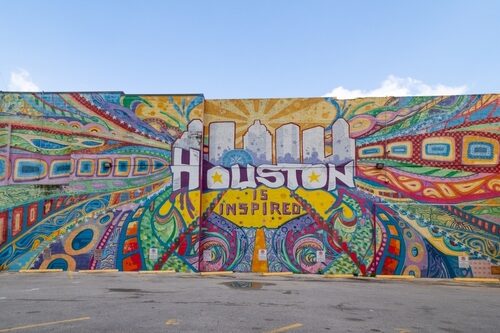
Houston has gained more than 40,000 people in the last year alone, stretching roads, schools, and utilities to their limits. Neighborhoods that were quiet just a few years ago are now filled with new subdivisions, retail developments, and traffic. Residents often joke that it’s impossible to remember which road will actually get you somewhere on time. The city’s rapid growth is exciting economically but stressful socially.
Jobs in energy, healthcare, and tech are still attracting newcomers, keeping the boom going. But rising home prices and congested roads remind longtime residents that growth isn’t always glamorous. Emergency services and schools are constantly trying to catch up with the influx. For many Houstonians, the city’s growth is a blessing and a burden at the same time.
4. Phoenix, Arizona
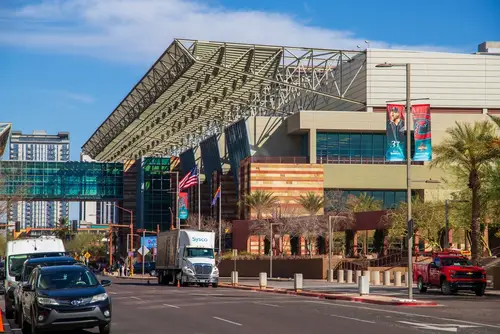
Phoenix added nearly 35,000 residents last year, making it one of the fastest-growing big cities in the country. Desert suburbs are expanding into open land, turning quiet streets into busy thoroughfares. Local services are stretched, and traffic is noticeably worse during rush hour. Even longtime residents are asking if the city can grow without losing its charm.
People keep moving in for the sun, affordability, and booming job market, keeping the city vibrant. New businesses and restaurants are popping up, which is exciting for social life but adds to the congestion. Schools are adding classrooms faster than they can hire teachers. For Phoenicians, the city feels full, but it’s hard to leave because the opportunities are abundant.
5. Dallas, Texas
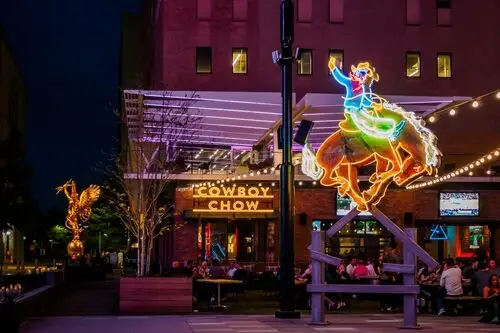
Dallas gained roughly 30,000 people in the past year, with suburban growth spilling into nearby towns. The city’s skyline is dotted with cranes, and traffic jams seem to happen no matter the time of day. Residents talk about how their once-quiet neighborhoods now feel like miniature cities. Shopping centers and new apartments spring up constantly, changing the city’s landscape quickly.
Even with the headaches, Dallas offers jobs in tech, finance, and healthcare that keep newcomers arriving. The cultural scene is vibrant, with new restaurants, museums, and sports arenas fueling excitement. But the rapid growth has also caused debates over zoning, green space, and infrastructure. Locals enjoy the energy but wish it would slow down a bit.
6. Charlotte, North Carolina
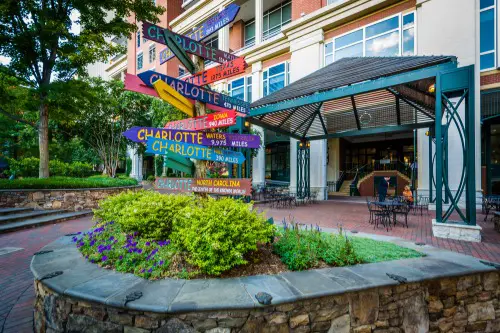
Charlotte has added around 25,000 residents in the last year, becoming a magnet for banking, tech, and healthcare professionals. Neighborhoods once considered quiet now feel lively and sometimes crowded. Morning commutes are longer, and favorite local spots are busier than ever. Residents often joke that the city is “too big to feel small anymore.”
New restaurants, breweries, and cultural events are springing up, bringing energy to the city. Housing demand is rising, and older neighborhoods are rapidly changing. The influx brings economic growth but also strains schools and infrastructure. Many locals love the opportunities but miss the slower pace of the past.
7. New York, New York
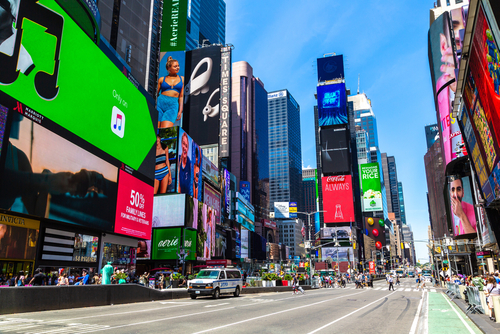
New York continues to grow, adding tens of thousands of residents each year despite already being the largest U.S. city. That means subway cars are packed, sidewalks are crowded, and even parks feel busier than ever. Longtime locals joke that your “quiet neighborhood” only exists before 9 a.m. Traffic, construction, and rising rents are constant reminders that the city never stops expanding.
Even with all that, New York is still full of opportunity, energy, and culture, which is why people keep moving in. But for some, the excitement comes with exhaustion: grocery lines are longer, apartments cost more, and simple errands take twice as long. Residents often feel nostalgic for the New York of ten or twenty years ago. Growth is exciting, but it’s also exhausting on a daily basis.
8. Seattle, Washington
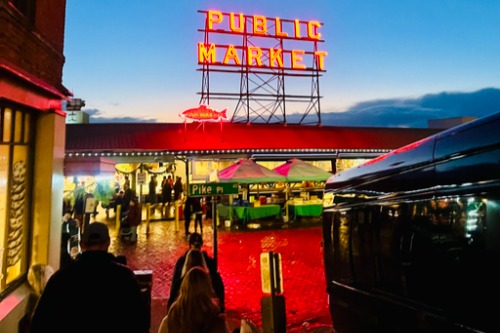
Seattle added around 20,000 residents last year, with tech jobs drawing people from all over the country. Neighborhoods that were calm and leafy are now buzzing with new development. Public transit and roads are increasingly crowded, and housing prices keep climbing. Longtime residents often feel like the city is growing faster than they can adapt.
The city’s culture and job market remain strong attractions. New restaurants, parks, and events pop up frequently, keeping things exciting. But the flip side is congestion, longer wait times, and changing neighborhood character. Residents love Seattle’s vibrancy but sometimes wish it would slow down.
9. Miami, Florida
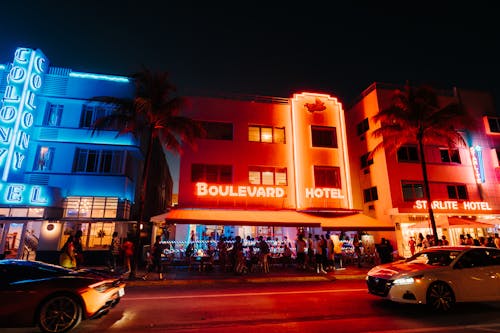
Miami has seen roughly 25,000 new residents in the past year, driven by its tropical climate and business opportunities. Popular neighborhoods are getting crowded, and traffic congestion is at all-time highs. Locals notice long lines at schools, grocery stores, and favorite restaurants. Even weekend outings can feel like navigating a maze of tourists and newcomers.
The city continues to attract wealth, culture, and tourism, keeping it lively and dynamic. Housing costs have risen as demand outpaces supply, and infrastructure struggles to keep up. Neighborhoods are transforming, with high-rises replacing older homes. Residents enjoy the energy but sometimes feel the city is growing faster than comfort allows.
10. Denver, Colorado
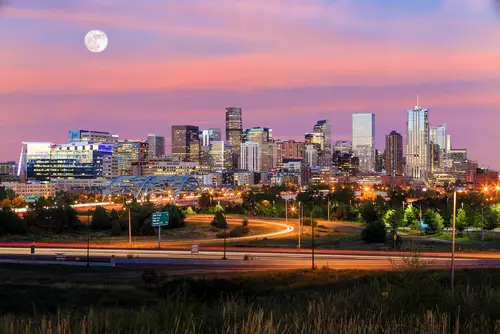
Denver added roughly 22,000 people last year, swelling suburbs and downtown alike. Ski towns and mountain access have fueled the migration, but roads and public transit are increasingly crowded. Longtime Denverites often feel like the city’s growth has changed its pace of life. Favorite parks and trails see more visitors, making them less serene.
The city is booming economically, with tech and energy jobs driving in newcomers. Housing demand is intense, and costs are climbing steadily. Schools are expanding to keep up with children of new families. Denver residents enjoy opportunities but struggle with congestion and changing neighborhoods.
11. Las Vegas, Nevada
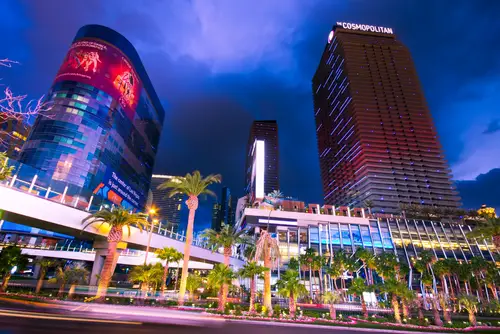
Las Vegas grew by nearly 20,000 people last year, pushing beyond the famous Strip into residential neighborhoods. The city has new housing developments and commercial centers sprouting everywhere. Traffic has increased, and long-term residents notice their quiet streets are less quiet. Growth brings opportunity, but also crowded schools and stretched city services.
The job market in hospitality, entertainment, and tech keeps pulling people in. New amenities and entertainment options keep the city exciting. Yet locals sometimes feel that rapid growth has changed the city they once knew. Residents love the action but admit it’s sometimes overwhelming.
12. Nashville, Tennessee
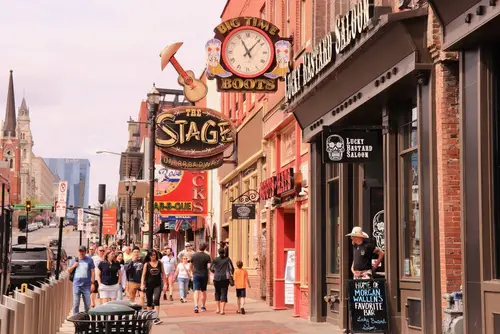
Nashville added roughly 18,000 residents last year, largely driven by music, tech, and healthcare opportunities. Downtown and suburbs alike are bustling with new developments. Traffic congestion has become a daily frustration for longtime residents. Favorite small venues and restaurants sometimes disappear under new construction.
The city’s vibrant cultural scene continues to attract talent and investment. Housing demand and rising costs are the main growing pains. Schools, roads, and public services are struggling to keep up. Residents enjoy the perks but wish for a slower pace.
13. Austin, Texas
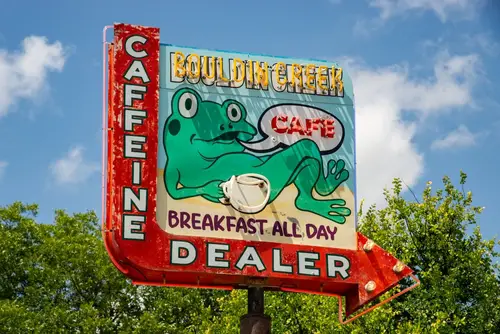
Austin added about 35,000 people in the last year, keeping its reputation as a booming tech hub alive. Suburbs are expanding, traffic is getting worse, and housing is harder to find. Longtime locals joke that every place they loved is suddenly full of new people. The city feels alive but sometimes crowded.
Jobs in tech, music, and startups continue to fuel migration. New restaurants, entertainment, and cultural events pop up constantly. Infrastructure is struggling to keep pace with the population. Residents enjoy opportunities but miss the small-town feel of years past.
14. San Francisco, California
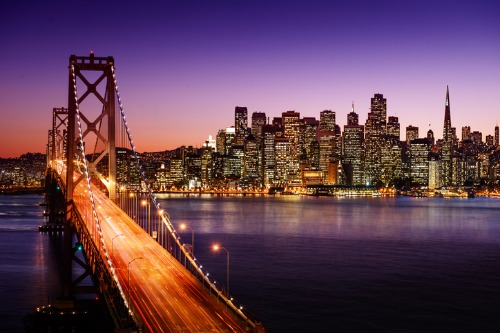
San Francisco has rebounded with around 15,000 new residents, reversing some of the population declines of recent years. Neighborhoods are changing with new tech and biotech employees moving in. Traffic congestion, rising rents, and limited housing remain concerns. Longtime locals feel nostalgic for a quieter city.
The city’s culture, innovation, and views keep people coming. New restaurants, bars, and cultural offerings make life exciting. Schools, roads, and public services face challenges due to growth. Residents love the energy but feel the city is growing faster than they can keep up.
15. Boston, Massachusetts
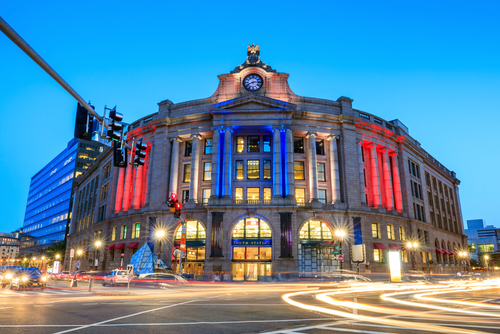
Boston added around 12,000 people last year, driven by education, healthcare, and tech sectors. Historic neighborhoods are filled with new residents, and traffic and housing demand are rising. Longtime Bostonians feel like the city is busier than ever. Even favorite local spots now feel more crowded.
The city’s economy and culture continue to thrive. Universities and hospitals attract students and professionals alike. City services are adapting, but growth is pushing the limits. Residents enjoy Boston’s vibrancy but sometimes feel overwhelmed by the pace of change.
This post These 15 U.S. Cities Are Growing So Fast Even Residents Are Over It was first published on American Charm.

