1. St. Augustine, Florida

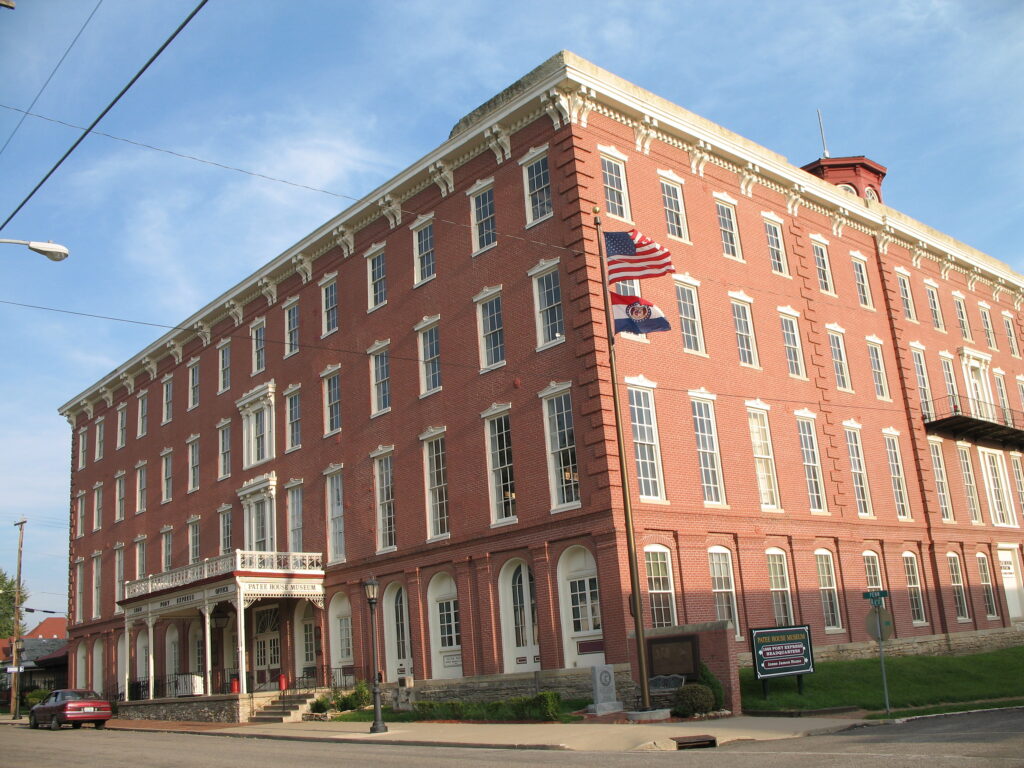
For many remote professionals, St. Augustine looked like a storybook change of pace: Spanish colonial charm, historic streets, and beach vibes. The migration wave has boosted prices and reshaped the local housing market, though, pricing out teachers, first responders, and many locals in the process. Remote workers who arrived seeking quiet convenience now face long drives into town, rising property taxes, and the challenges of living in a place built more for tourists than full‑time residents. Those idyllic strolls past terracotta roofs come with a side of limited services and a higher cost of living than expected.
That real‑world tension between a postcard lifestyle and everyday logistics can lead to second thoughts. Grocery runs, medical appointments, and social life often don’t feel as seamless as they did back in bigger metros. In smaller communities with a sudden influx of remote workers, the social fabric shifts too — and not always in ways newcomers anticipated. Many who moved here chasing charm and calm now feel a bit trapped by the hidden costs of paradise.
2. Atlanta, Georgia
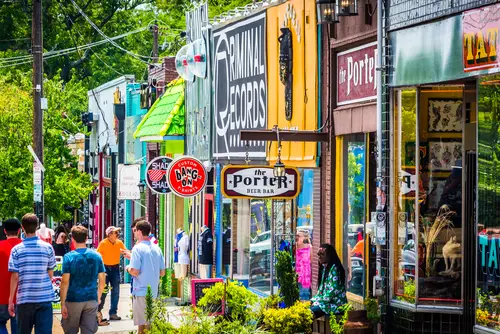
Remote workers once touted Atlanta as a sweet spot — Southern charm, a sprawling job market, and relatively affordable housing compared to coastal cities. But the reality for many has been something less dreamy: legendary traffic that eats up hours of your day and an infrastructure that can’t keep pace with rapid growth, leaving commuters and daily life feeling more exhausting than refreshing. People hoping for a chill, lower‑stress lifestyle quickly find themselves stuck in gridlock or slogging through long drives, especially if they’ve traded in smaller city life for this sprawling metro. After a few months of being “here,” the convenience they imagined doesn’t always match up with the actual day‑to‑day grind.
Remote workers also sometimes underestimate how big and car‑dependent Atlanta truly is until they’re living in it, and that can take a toll on their quality of life. Broader income disparity and certain elevated crime statistics give a mixed picture that isn’t always captured in glossy relocation guides. Some newcomers end up missing the vibe and walkability of smaller towns they left behind, especially when their workdays feel like a repeat of traffic and errands. Many feel stuck between urban potential and suburban frustration pretty quickly.
3. Austin, Texas
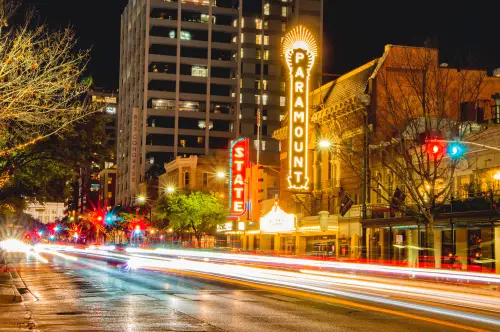
During the pandemic boom, Austin became the poster child for remote work relocation — techies, creatives, and digital professionals flocked here looking for sunshine, growth, and a lower tax burden. But as the population surged, so did housing costs, congestion, and competition for everything from coworking spots to lunch tables. What once felt like a quirky, laid‑back alternative to coastal cities now often feels expensive, crowded, and, ironically, hectic for people chasing work‑life balance. Some tech workers who relocated on remote work alone are now considering moving again because the lifestyle hasn’t matched the promise.
And then there’s the burnout factor: longer hours, rising urban stress, and nesting in a hyper‑competitive job market can blur the line between work and play all too easily. While the city still has strong economic pull, many who moved here for freedom find themselves wrestling with traffic and an overcrowded rental market. The dream of open‑air cafes and flexible schedules can sometimes feel overshadowed by endless Zoom calls and weekend errands. It’s still vibrant, but it’s not always the escape remote workers expected.
4. Boise, Idaho
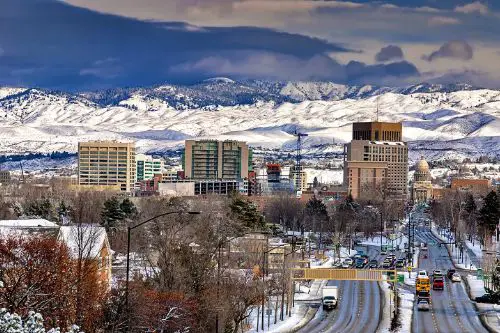
Boise became a magnet for remote workers craving wide-open spaces and an affordable lifestyle, but the sudden influx brought skyrocketing housing prices that outpaced local wages. Traffic and parking, once minor irritations, became major headaches, and the city’s infrastructure struggled to keep up with the boom. Many remote workers found themselves paying far more than they expected for homes that seemed “cheap” just a couple of years earlier. The quiet life they sought now comes with longer commutes and the stress of bidding wars for every property.
Social culture shifts are another source of frustration. Boise’s small-town feel changed almost overnight, with long-time locals feeling crowded out by newcomers, which left some remote workers feeling like outsiders. Amenities that once felt cozy or personal now feel oversaturated or overpriced. The combination of these factors has led some remote professionals to reconsider whether Boise really was the utopia they imagined.
5. Portland, Oregon
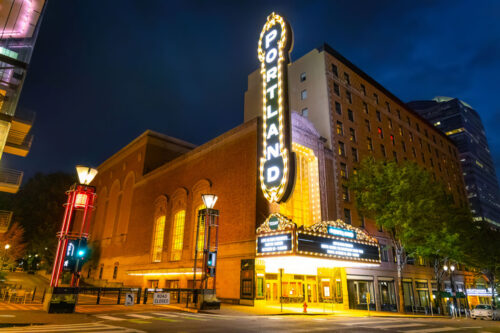
Portland’s progressive vibe and coffee-shop culture drew in remote workers seeking creativity and culture, but escalating rents and a growing homelessness crisis have dulled the city’s shine. Neighborhoods that once felt quirky and welcoming now feel tense or unsafe to some newcomers. Traffic congestion and limited public transit make daily commutes more stressful than anticipated. Many remote workers arrived imagining a “Portland calm” that’s hard to find amid the city’s growing pains.
Even the natural beauty surrounding Portland, once a selling point, can’t offset the social and logistical challenges of living here. Grocery shopping, housing, and entertainment are increasingly expensive. Longtime residents sometimes feel their city is unrecognizable, and remote workers can feel caught in the middle. The lifestyle many dreamed of ends up being more complicated than the Instagram photos suggested.
6. Miami, Florida
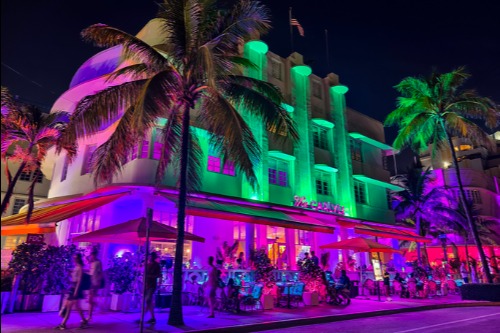
Miami attracted remote workers with its tropical weather, beaches, and vibrant nightlife, but many found the cost of living and risk of hurricanes hard to handle. Rent and property costs surged, making affordability a struggle for those coming from mid-sized cities. Daily life is also complicated by traffic, parking woes, and frequent storms that can disrupt routines. The excitement of city life can quickly turn into logistical headaches and financial strain.
Additionally, the cultural intensity of Miami, once a draw, can feel overwhelming. Remote workers sometimes struggle with long commutes from more affordable neighborhoods to downtown hubs. Even grocery shopping or doctor visits can feel like a chore in heavy traffic. The dream of an easy, sun-soaked lifestyle clashes with the realities of urban challenges and climate concerns.
7. Nashville, Tennessee
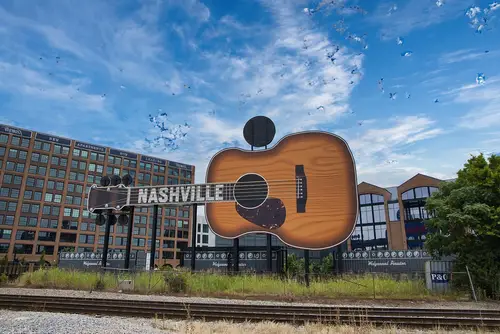
Nashville lured remote workers with its music scene, Southern charm, and growing tech sector. However, the city’s popularity has pushed housing prices up and caused gentrification in formerly affordable neighborhoods. What started as a manageable commute now includes congested highways and longer drives across town. Many find that the culture and nightlife that once drew them here also come with noise, crowds, and higher costs of living.
The music and arts scene remains strong, but everyday life can feel expensive and crowded. Some remote workers miss the balance and calm they had in smaller cities or suburbs. Nashville’s rapid growth has made it harder to feel at home without spending a lot more time or money. For some, the excitement of the city comes with a hefty trade-off in lifestyle quality.
8. Phoenix, Arizona
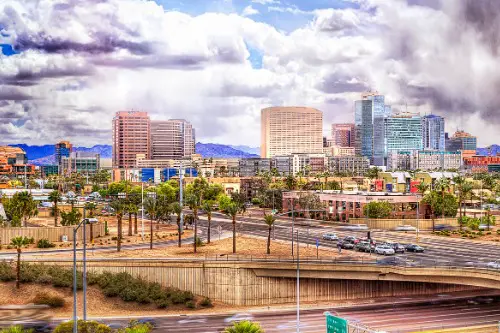
Remote workers flocked to Phoenix for its warm climate and low taxes, but summer heat and water scarcity quickly became glaring drawbacks. Extreme temperatures make outdoor activities challenging for much of the year. Rising housing costs have also made affordability less appealing than initially promised. Many newcomers didn’t anticipate how challenging day-to-day life could be in a desert city.
Infrastructure struggles and long commutes add to the stress of living in Phoenix. While the city offers economic opportunity, it also delivers environmental and lifestyle challenges that are difficult to navigate. Air conditioning costs and urban sprawl make the city less cozy than imagined. Some remote workers find themselves reconsidering whether the warmth is worth the trade-offs.
9. Santa Fe, New Mexico
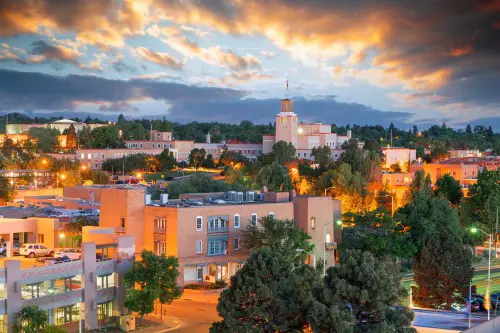
Santa Fe’s artsy vibe and scenic beauty attracted remote professionals seeking inspiration and calm. However, housing shortages and rising living costs quickly became frustrating for newcomers. Many found that access to amenities, medical care, and daily conveniences required more planning than expected. What felt like a peaceful retreat sometimes becomes a logistical headache.
Social and cultural shifts also played a role in disappointment. Longtime locals sometimes viewed new remote workers as outsiders, creating subtle social tension. Grocery shopping, internet connectivity, and transport can be less reliable than anticipated. The romanticized vision of Santa Fe life often clashes with real-life constraints.
10. Burlington, Vermont
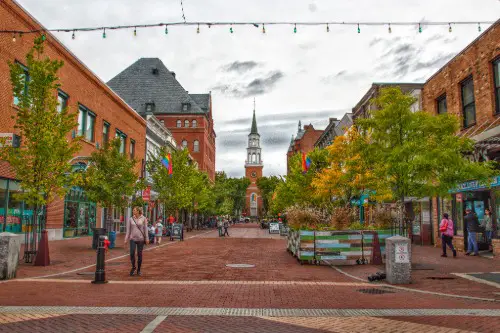
Burlington drew remote workers with lakeside views and a close-knit community vibe. However, winter weather and limited job infrastructure proved challenging for some. Snowstorms can make commuting tricky and isolate residents for days. Rising housing costs, partly due to the influx of remote professionals, have also added financial stress.
The small-town charm that was once appealing sometimes feels limiting. Entertainment, dining, and cultural options are fewer compared to larger cities. The sense of community can also be difficult to penetrate for newcomers. Some remote workers quickly find the quiet life less exciting than they imagined.
11. Asheville, North Carolina
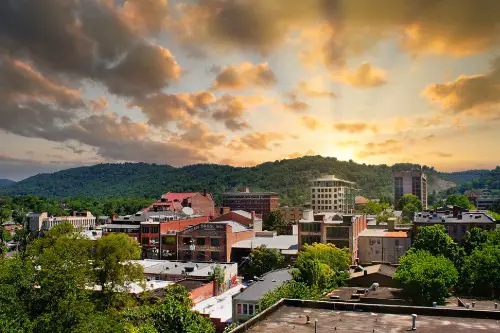
Asheville’s mountains and arts culture attracted creatives and remote workers seeking inspiration. But rapid population growth and tourist influxes led to housing price surges. Traffic, parking, and weekend crowds became daily annoyances rather than occasional perks. Remote workers quickly realized that a picturesque mountain town has hidden challenges.
The city’s vibe is still charming, but affordability and convenience are concerns. Services can feel stretched thin, and the influx of new residents alters community dynamics. Local businesses may also face pressures from new demands. Some remote workers find themselves longing for the balance of smaller, slower-paced towns.
12. Boulder, Colorado
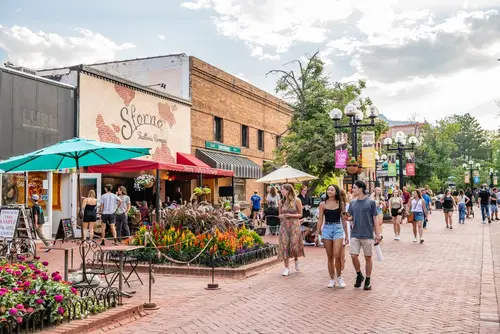
Boulder attracted health-conscious remote workers with outdoor recreation and a progressive culture. Rising housing costs and limited availability made living there expensive. Commuting and parking can be surprisingly frustrating despite the city’s small size. Weather, particularly snowy winters, can also create unexpected challenges.
Even with access to nature and fitness options, daily life can feel restrictive. Grocery stores and amenities may be crowded, and housing demand continues to push prices up. Remote workers who moved for lifestyle often encounter unexpected trade-offs. Boulder’s beauty comes at a steep financial and logistical price.
13. Key West, Florida
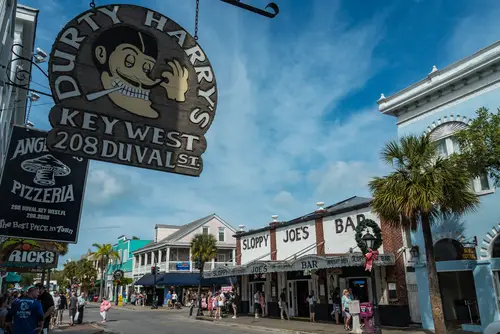
Key West’s tropical paradise image appealed to remote workers looking for adventure and sunshine. However, limited housing, high prices, and susceptibility to storms quickly dampened the allure. The island’s small size creates supply challenges for everything from groceries to healthcare. Remote work here can feel like a trade-off between paradise and practicality.
The social scene and weather are enticing, but logistics are complicated. Every purchase, repair, or trip off-island requires planning and often extra cost. The “remote work paradise” can feel isolating when practical necessities are constrained. Many discover the dream doesn’t align with everyday reality.
14. San Diego, California
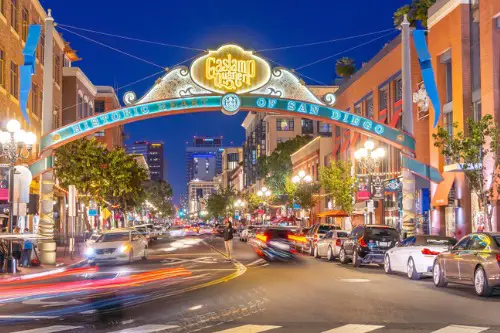
San Diego attracted remote workers with beaches, mild weather, and a strong tech presence. But housing prices skyrocketed, and daily costs like groceries and utilities are higher than anticipated. Traffic congestion, especially during peak hours, can make commuting frustrating. The sun-soaked lifestyle comes with financial and logistical trade-offs.
Even though the city offers a vibrant lifestyle, affordability and convenience are ongoing challenges. Some remote workers feel pressure to work longer hours just to cover living expenses. The beach town dream often clashes with economic realities. Many find themselves longing for a more manageable city or smaller community.
This post 14 Places Remote Workers Flocked To — And Now Regret was first published on American Charm.