
1. Massive Portion Sizes

In America, ordering a standard entrée often means getting a plate that could easily feed two people. Free refills on soda are common, and restaurants frequently serve oversized appetizers and desserts. It’s normal to ask for a to-go box before you’re even halfway through. Big portions are often framed as a good value.
Head to parts of France or Japan, and the contrast is obvious. Meals tend to be more modestly portioned, with an emphasis on pacing and multiple courses rather than sheer volume. You’re less likely to see endless refills or plates spilling over the edges. What feels skimpy at first is actually standard outside the U.S.
2. Tipping Like It’s a Moral Obligation

In the United States, leaving a 15–20% tip at restaurants feels automatic, almost like part of the bill. Servers in many states are legally allowed to be paid a lower tipped minimum wage, with the expectation that tips will make up the difference. If you leave less than 15%, it can feel like you’ve done something wrong. It’s treated less like a bonus and more like a responsibility.
Then you travel to places like Japan or Australia, where tipping is minimal or not expected at all. In Japan, leaving extra money can even cause confusion, because service is built into the culture and the price. In Australia, hospitality workers earn a higher base wage, so tips aren’t necessary for survival. Suddenly, what felt morally mandatory at home turns out to be culturally specific.
3. Driving Almost Everywhere

In much of the United States, daily life is built around the car. Suburbs sprawl, grocery stores are miles apart, and public transit can be limited outside major cities. Teenagers often count down the days until they can get a driver’s license at 16. Having a car is closely tied to independence.
Spend time in cities like Tokyo or Amsterdam, and you realize how different urban design can be. Tokyo’s rail network moves millions of people daily, and Amsterdam is famously bike-friendly. Many residents don’t own cars at all, because they don’t need them. The American assumption that driving is unavoidable suddenly feels less universal.
4. Air Conditioning Everywhere
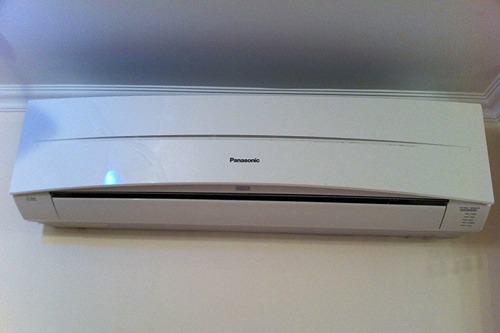
In many parts of America, especially the South and Midwest, strong air conditioning is considered essential. Offices, malls, restaurants, and homes are often kept cool even during extreme summer heat. Walking indoors in July can feel like stepping into a refrigerator. It’s so expected that broken A/C can shut down businesses.
Travel to countries like United Kingdom or Germany, and you might find far less air conditioning in homes and older buildings. Even during heat waves, many places rely on fans or open windows instead. Historically milder summers meant widespread A/C wasn’t installed the way it was in the U.S. What feels like a basic necessity back home turns out to be a luxury elsewhere.
5. Sales Tax Added at the Register

In the United States, the price tag on an item usually doesn’t include sales tax. You only see the final total once you reach the register, because state and local sales taxes vary by location. It’s something most Americans mentally calculate without thinking. You expect the number to jump slightly at checkout.
In countries like Canada or United Kingdom, value-added taxes are typically included in the listed price. The price you see on the shelf is the price you pay. There’s no last-second math or mild sticker shock. That small difference can make American pricing feel oddly incomplete once you notice it.
6. Huge Gaps in Paid Vacation Time

In the U.S., there is no federal law requiring private employers to provide paid vacation days. Many full-time workers receive about 10 days of paid vacation after a year of service, but it’s not guaranteed by national policy. Taking extended time off can feel unusual or even risky in some industries. The culture often rewards constant availability.
Compare that to countries like France or Sweden, where workers are legally entitled to several weeks of paid leave each year. In France, for example, full-time employees are guaranteed at least five weeks of paid vacation under labor law. Long summer holidays and widespread office closures are normal. What feels generous in America can seem minimal abroad.
7. Gaps in Bathroom Stalls

In many American public restrooms, stall doors have noticeable gaps around the edges. You can often see shoes, shadows, or more through the cracks than you’d prefer. It’s so common that most people barely react anymore. Privacy is assumed, even if it’s not airtight.
Visit places like Germany or Japan, and restroom stalls often have floor-to-ceiling doors with minimal gaps. The design emphasizes privacy and full enclosure. You’re less likely to make awkward eye contact through a half-inch opening. Suddenly, those American gaps feel less “normal” and more like a design choice.
8. Ice in Every Drink

In the United States, ordering a soft drink or iced tea usually means getting a cup packed with ice. Even water is frequently served chilled with cubes unless you specify otherwise. Cold beverages are closely associated with refreshment. Asking for “no ice” is common enough to be routine.
In parts of Italy or Germany, drinks may be served cool but with little to no ice. Refrigeration is common, but giant scoops of ice are not. Some people prefer beverages at cellar or room temperature. The American obsession with extra ice can feel excessive once you notice the difference.
9. Smiling at Strangers

In many parts of the U.S., smiling at strangers in passing is considered polite. Small talk with cashiers, baristas, or fellow passengers is common and often encouraged. Friendliness is treated as a social default. Silence can feel awkward.
In countries like Russia or Finland, public interactions can be more reserved. Smiling at strangers without a clear reason may seem unusual rather than welcoming. Politeness is still present, but it’s expressed differently. What feels warm and normal in America can read as overly familiar elsewhere.
10. Big Gaps in Healthcare Costs

In the U.S., healthcare is often tied to employment, and out-of-pocket costs can be significant even with insurance. Deductibles, copays, and complex billing are part of the experience. Medical debt is a documented issue for many households. It’s a system Americans learn to navigate out of necessity.
Contrast that with countries like United Kingdom, where the National Health Service provides publicly funded healthcare, or Canada, which has a publicly funded system administered by provinces. While not every service is free, core medical care is generally covered through taxation. Patients typically don’t receive large bills for standard hospital visits. The American approach feels far less universal once you step outside it.
11. College Sports as a Major Spectacle
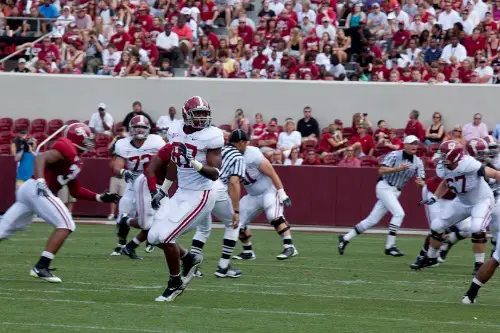
In the United States, college football and basketball games can draw massive crowds and national television audiences. Stadiums at schools like the University of Michigan seat over 100,000 fans. March tournaments and rivalry games become major cultural events. Student-athletes can become household names.
In many other countries, university sports exist but rarely dominate national attention. Professional leagues usually take center stage instead of collegiate teams. You won’t typically see entire cities shutting down for a university matchup. The scale and intensity of American college sports feel uniquely amplified once you leave the country.
This post Things That Feel “Normal” Until You Leave the Country was first published on American Charm.

