
1. Whitefish, Montana
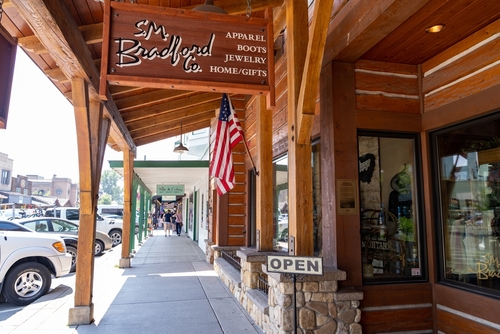
Whitefish feels straight out of a postcard with its funky downtown, artisan shops, and backdrop of Glacier National Park. Locals and visitors bond over coffee at the bakery or trout dinners at welcoming cafes. But the reality is that it’s become a year‑round hotspot for second homes and tourists, pushing housing prices and changing community rhythms. Long‑time residents sometimes joke that the town they grew up in is now a place they can’t afford to live in.
In the winter, the charm of a snow‑globe ski town is irresistible, with lifts at Whitefish Mountain Resort just minutes away. Folks gather at the local pub after long days on the slopes, swapping stories like neighbors always have. Yet beneath that cozy vibe, seasonal crowds strain services and businesses struggle to balance local needs with visitor expectations. It’s the kind of place people fall in love with — and then realize love changes everything.
2. Asheville, North Carolina
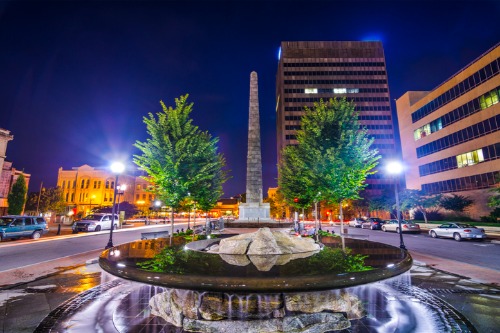
Asheville’s quirky art scene and scenic Blue Ridge Mountains give it a beloved small‑town feel despite being a mid‑sized city. There’s an authenticity to its breweries, craft markets, and live music that keeps folks nostalgic for simpler days. But the cost of living and influx of new residents have created a more competitive housing market than locals expected. Conversations at farmers’ markets increasingly include stories of friends moving farther out because they can’t keep up with rent.
Walk around downtown and you’ll still find that friendly “hey!” from someone who actually knows your name. That warmth coexists with brisk business development and lines out the door at restaurants. Long‑time artists sometimes share that the scene feels less like a community and more like a trend. It’s real charm bumping up against real growth pressures.
3. Hudson, New York
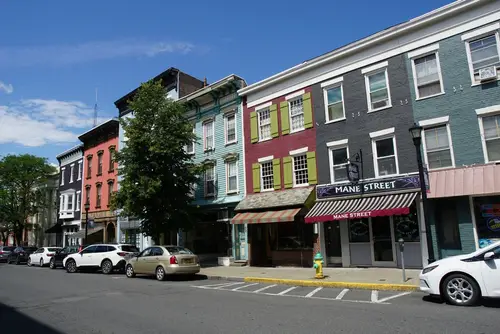
On the banks of the Hudson River, this once quiet industrial town surprised the world with its revival. Antique stores, galleries, and a surprising number of acclaimed restaurants now fill the streets. Neighbors still greet each other at the weekly farmers’ market, and there’s a sense of shared pride in what the town is becoming. But reality bites when traffic snarls on summer weekends and new arrivals drive up prices.
There’s a palpable tension between preserving history and fueling popularity. Locals will happily point you to their favorite family‑run diner or indie bookstore. But they’ll also tell you those spots are harder to find — replaced bit by bit by boutiques and weekend‑only attractions. It’s that sweet charm mixed with tough questions about who the town is serving now.
4. Marfa, Texas
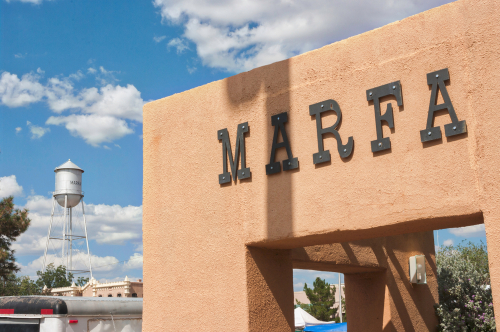
Marfa feels like a mirage in West Texas: minimalist art installations, a tight‑knit community, and endless desert sky. James Turrell’s light installations and Donald Judd’s influence give the place a cultural magnetism few expected. Local residents often share meals or stories at the few downtown cafes, keeping traditions alive. But the influx of artists, influencers, and weekenders has quadrupled housing costs, making it tough for ranch families to stay.
The ghost town‑turned‑creative hub vibe is real, and people travel from around the globe for it. Yet the very fame that brings buzz also brings rentals and seasonal crowds that strain the quiet rhythm. Regulars note that some new businesses cater more to visitors than residents. It’s where artsy allure and real‑world economics collide.
5. Bar Harbor, Maine
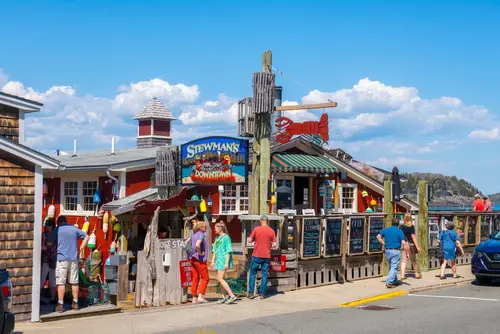
Bar Harbor is everything you imagine for a coastal New England town: lobster rolls on picnic tables, sailboats at dawn, and rocky shoreline walks. Acadia National Park keeps the town lively in all seasons with hikers and campers. But with seasonal tourism come packed streets and long waits, making “quaint” feel like “crowded” in high season. Locals often plan errands early to avoid the summer crush.
Community potlucks and island neighbors are still part of life here, especially in winter when many visitors leave. There’s a comforting rhythm to off‑season life that feels genuine. However, the town’s economy leans heavily on those tourists, meaning many shops and restaurants only open part of the year. Summer’s charm and reality blur fast here.
6. Taos, New Mexico
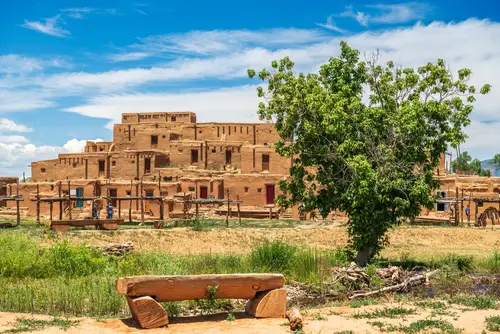
Taos draws people for its stunning desert landscapes, Pueblo culture, and vibrant arts community. Small galleries and adobe homes create a unique, intimate atmosphere. The local Gorge Bridge and surrounding high desert feel timeless. But modern reality shows in housing scarcity and jobs often tied to seasonal tourism, challenging young residents to stay.
Art festivals and community celebrations still anchor social life and connection. Neighbors often greet one another in the plaza, keeping old traditions alive. Yet as new residents arrive drawn by its mystique, property values have risen sharply. That intersection of rich heritage and economic pressure makes Taos a classic case of charm meeting reality.
7. Hood River, Oregon
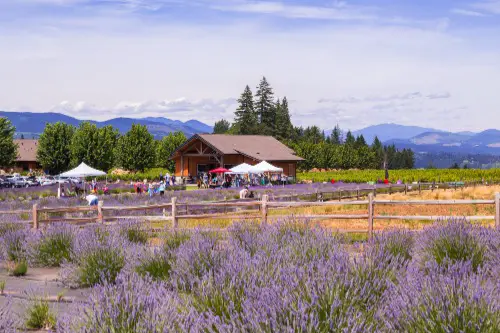
Perched by the Columbia River Gorge, Hood River is windsurfing capital and a haven for outdoor lovers. Small‑town cafes and breweries spill out onto sunny sidewalks in summer. There’s a genuine friendliness where baristas remember your order and hikers swap trail tips. But a booming outdoor tourism industry has ushered in traffic congestion and rising living costs.
Locals still find solace in orchards and farm stands dotting the valley. Community events like the pear festival give the place a real hometown feel. Still, affordable housing is increasingly hard to find for young families and service workers. It’s the charm of mountain‑meets‑river living running head‑on into economic demand.
8. Traverse City, Michigan
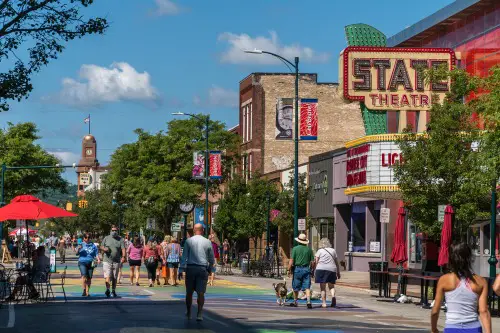
Traverse City feels like the Midwest’s best kept secret with cherry orchards, wine trails, and shoreline sunsets on Grand Traverse Bay. You can walk to a coffee shop, browse a local bookstore, and greet neighbors on Main Street. The reality is that its festivals and scenic beauty draw crowds that swell the town in summer. Parking lots fill, reservations are required months ahead, and downtown feels less local.
Winters quiet down and remind residents of the authentic small‑town rhythm they love. Cross‑country ski trails and cozy diners become gathering places again. But balancing year‑round life with peak season frenzy is a constant community conversation. Charm here dances with commercialization in every season.
9. St. Augustine, Florida
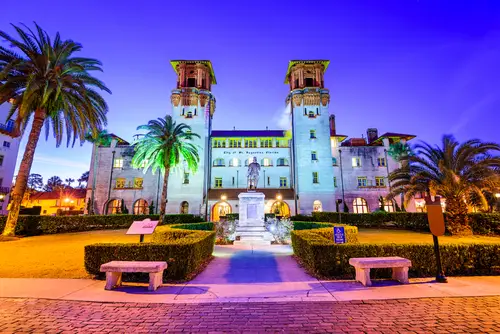
St. Augustine is truly historic — the oldest continuously inhabited European‑founded settlement in the U.S., with Spanish architecture and cobblestone streets. Walking past centuries‑old churches and plazas feels magical. Local storytellers and craftsmen keep traditions alive with demonstrations and tours. Yet massive tourist buses and cruise ship day‑trippers transform parts of downtown into congested thoroughfares.
Shops selling souvenirs are everywhere, and restaurants often cater more to visitors than locals. Residents still find quiet corners — a hidden beach or shaded park — that feel like home. But the constant ebb and flow of tourists makes every charming moment come with a side of lines and crowds. It’s history preserved and inundated all at once.
10. Saugatuck, Michigan
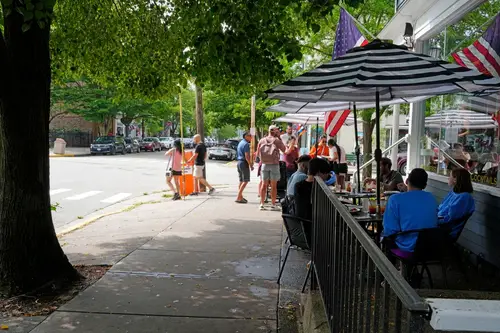
This lakeside town’s art galleries, dune rides, and boutique inns make it a summer favorite on Lake Michigan. The pace is slow, people chat easily on porches, and the water views are unbeatable. Locals take pride in their independent businesses and family traditions. However, that popularity means weekends bring heavy traffic and full parking lots.
During the off‑season, the streets calm and the genuine community returns. Fishermen swap stories at the marina and locals choose favorite quiet spots. But the business cycle swings dramatically with the tourists’ arrival and departure. Saugatuck’s charm and frenetic reality often ride the same wind off the lake.
11. Galena, Illinois
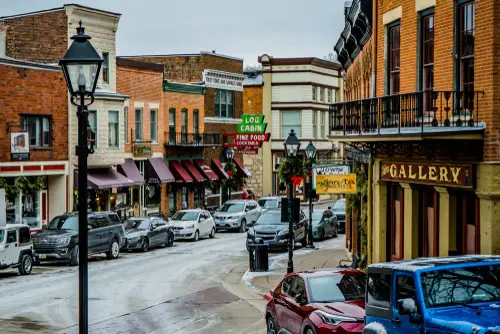
Galena’s historic Main Street feels like stepping into an old photograph: preserved storefronts, brick sidewalks, and horse‑drawn carriage tours. The town celebrates its Civil War history with pride and hosts festivals that bring everyone together. Visitors love it, but the reality is that modern commerce and souvenir culture sometimes overshadow daily life. Some businesses focus almost exclusively on tourism.
Neighbors still wave hello at the local diner, and community events keep close friendships strong. But locals note that peak weekends can bring crowds that rival big cities. The peaceful small‑town charm they cherish gets interrupted by busloads of visitors ducking in and out of shops. Galena is where history lives and tourism thrives — sometimes a little too well.
This post Where Small Town Charm Crashes Into Reality was first published on American Charm.

