1. Asheville, North Carolina
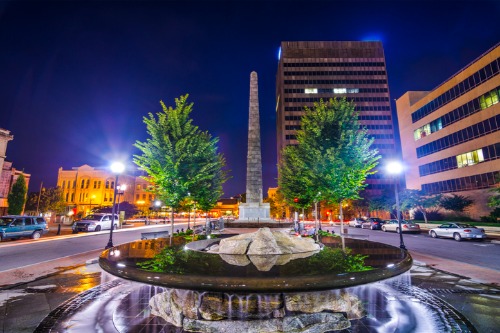
Asheville’s Blue Ridge Mountain setting gives it a postcard-perfect appeal that draws retirees from across the country. The city is known for its vibrant arts scene, historic architecture, and proximity to the Blue Ridge Parkway. Mild four-season weather offers a balance that appeals to those who want seasonal change without harsh extremes. A strong local food culture and walkable downtown add to its charm.
Yet popularity has driven up housing costs significantly over the past decade. Limited housing inventory has made it competitive even for downsizing retirees. The mountainous terrain can also make transportation and accessibility more challenging as residents age. And while the culture is lively, some newcomers find the influx of transplants has strained local infrastructure.
2. Scottsdale, Arizona

Scottsdale has long drawn retirees with its dry desert climate, upscale shopping, and renowned golf courses. The city borders the McDowell Sonoran Preserve, which offers extensive hiking trails and sweeping mountain views. Health care access is strong, with major hospitals and specialty clinics serving a large retiree population. Nearly year-round sunshine is a powerful lure for anyone eager to escape snowy winters.
Still, that sunshine comes with triple-digit summer temperatures that can make outdoor life challenging for months. Water scarcity across the Phoenix metro area is a growing concern as the region expands. Housing prices have risen steadily, pricing out some middle-income retirees. And while the city’s polish appeals to many, others find the seasonal influx of part-time residents makes it harder to build lasting connections.
3. Naples, Florida
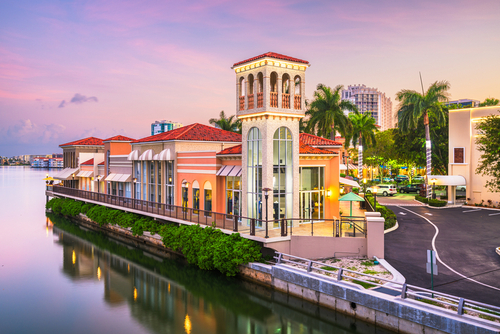
Naples is synonymous with Gulf Coast luxury, offering white-sand beaches and calm, turquoise waters along the Gulf of Mexico. Its historic downtown and upscale shopping districts are impeccably maintained, and golf courses are woven into daily life. The city consistently ranks as one of the wealthiest in Florida, attracting retirees seeking comfort and coastal beauty. Access to high-quality medical facilities in Collier County adds another layer of reassurance.
That prestige, however, comes with a high price tag. Median home values are well above national averages, and property taxes and insurance costs can be steep. Hurricane threats and flooding risks are real concerns for waterfront homeowners. For retirees on fixed incomes, the cost of keeping up with Naples’ lifestyle can become a source of stress.
4. The Villages, Florida
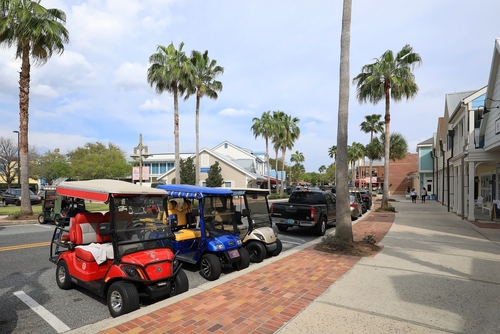
The Villages is often described as one of America’s fastest-growing retirement communities, and once you visit, it’s easy to see why. Golf carts outnumber cars in some neighborhoods, and the town squares host nightly live music that feels like a permanent block party. There are dozens of golf courses, recreation centers, and clubs for nearly every hobby imaginable. For retirees who want instant community and a packed social calendar, it can feel like summer camp for grown-ups.
But that same intensity can wear people down. Home prices have climbed as demand has surged, and homeowners association fees are a constant expense. Florida’s rising property insurance premiums and hurricane risks add financial uncertainty to the mix. Some residents also find that living in such a large, age-restricted bubble can feel socially limiting over time.
5. Sarasota, Florida
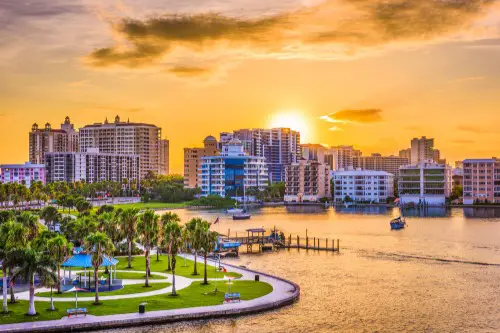
Sarasota blends cultural sophistication with laid-back Gulf Coast living. It’s home to a respected arts community, including theaters, galleries, and the John and Mable Ringling Museum of Art. Siesta Key’s powdery quartz sand beaches are consistently ranked among the nation’s best. The city’s large retiree population means social clubs and volunteer opportunities are plentiful.
On the flip side, Sarasota’s desirability has driven steady increases in housing prices. Insurance costs and hurricane preparedness are constant considerations for homeowners. Seasonal tourism can create traffic congestion and strain local services. For some retirees, the mix of rising costs and weather risks offsets the lifestyle perks.
6. Phoenix, Arizona

Phoenix attracts retirees with its sprawling suburbs, golf communities, and expansive desert views. The metro area offers a broad range of 55-plus communities designed with active adults in mind. Health care options are extensive, including nationally recognized hospitals and specialty centers. Winters are warm and sunny, drawing seasonal residents from colder states.
However, summers are intensely hot, often exceeding 110 degrees. Rapid population growth has led to traffic congestion and concerns about water sustainability. Housing prices have risen sharply in many neighborhoods. The sheer size of the metro area can also make it feel less intimate than smaller retirement towns.
7. Charleston, South Carolina
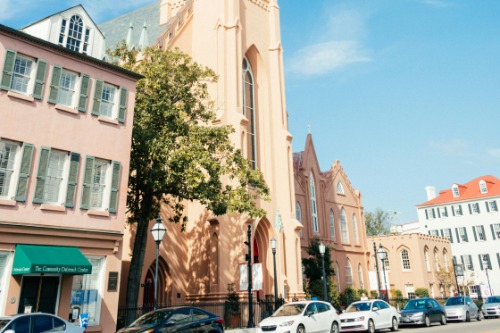
Charleston’s historic charm and coastal scenery make it a magnet for retirees seeking beauty and culture. Cobblestone streets, antebellum architecture, and waterfront views create a strong sense of place. The city’s culinary scene is nationally recognized, and cultural festivals fill the calendar. Mild winters are especially appealing to those leaving colder climates.
Yet Charleston faces increasing flooding issues due to sea-level rise and heavy rains. Real estate prices have surged, particularly in historic and waterfront areas. Tourism, while economically vital, can make daily life feel crowded during peak seasons. For retirees on fixed incomes, these pressures can add up quickly.
8. Austin, Texas

Austin isn’t a traditional retirement hub, but it has become increasingly attractive to older adults. The city offers a lively music scene, abundant parks, and access to high-quality medical care. Texas has no state income tax, which appeals to retirees managing fixed budgets. Many are drawn by the opportunity to live near younger family members who moved there for work.
At the same time, Austin’s explosive growth has pushed housing prices and property taxes higher. Traffic congestion is a common complaint among residents of all ages. Hot summers can limit outdoor activities for months at a time. The city’s fast-paced vibe may also feel overwhelming for those seeking a quieter retirement.
9. Boulder, Colorado

Boulder attracts active retirees who prioritize outdoor recreation and scenic beauty. Nestled against the Flatirons, the city offers easy access to hiking, biking, and open space. A strong emphasis on wellness and community engagement resonates with many older residents. The University of Colorado adds intellectual and cultural opportunities.
But Boulder is one of the most expensive housing markets in Colorado. Limited inventory and high demand keep home prices elevated. Winter snow and icy conditions can pose mobility challenges. The city’s cost of living can strain retirement savings more quickly than anticipated.
10. Hilton Head Island, South Carolina
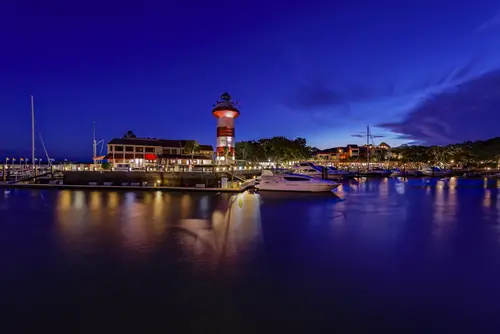
Hilton Head Island is known for its golf courses, bike trails, and serene Atlantic beaches. Gated communities and resort-style amenities create a sense of security and comfort. The slower pace and natural beauty attract retirees seeking tranquility. Access to nearby Savannah and Charleston expands cultural options.
However, living on a barrier island comes with hurricane risks and evacuation concerns. Insurance and maintenance costs can be substantial. Tourism peaks can disrupt the quiet atmosphere many retirees seek. Limited specialized medical facilities on the island may require travel for complex care.
11. Boise, Idaho
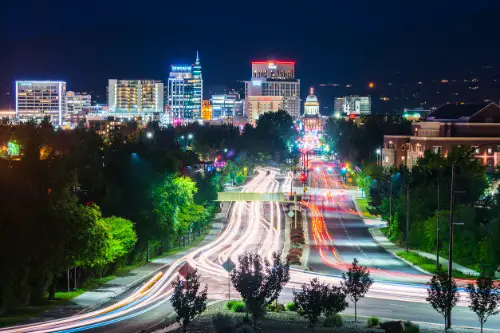
Boise has gained attention for its balance of outdoor access and manageable city size. The Boise River Greenbelt and nearby foothills provide scenic recreation opportunities. Compared to many West Coast cities, Idaho’s tax structure can be appealing. A growing health care sector supports the area’s expanding population.
Yet rapid in-migration has driven up home prices dramatically. Infrastructure has struggled at times to keep pace with growth. Winters bring snow and colder temperatures than Sun Belt alternatives. Some longtime residents and newcomers alike feel the city is changing faster than expected.
12. Palm Springs, California

Palm Springs has been a retirement haven for decades, known for its mid-century architecture and desert glamour. The Coachella Valley’s warm winters draw snowbirds from across the country. Golf courses, spas, and a vibrant arts scene offer plenty of ways to stay active. California’s strong health care systems add peace of mind.
But summer temperatures routinely soar above 100 degrees. Water concerns and drought conditions are ongoing issues in Southern California. Housing costs and overall living expenses are significantly higher than national averages. For retirees on fixed incomes, the desert dream can come with financial strain.
13. Portland, Maine
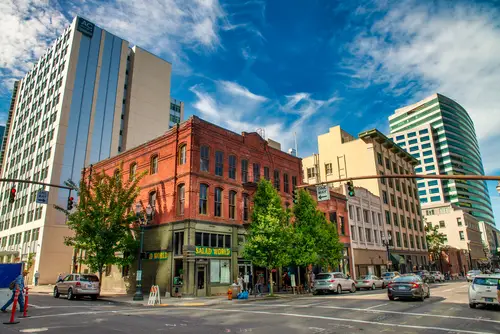
Portland offers coastal charm with a strong sense of community and walkability. Its working waterfront, historic Old Port district, and thriving restaurant scene give it personality. Access to fresh seafood and scenic ocean views is a daily perk. Cooler summers attract retirees who prefer milder weather.
However, winters are long, snowy, and cold. Heating costs and snow removal can be burdensome for older homeowners. Housing prices have risen as remote workers and second-home buyers move in. Limited specialized medical services compared to larger metros can require travel for certain treatments.
14. San Diego, California

San Diego’s near-perfect climate is a major draw for retirees. The city offers miles of coastline, cultural institutions, and diverse neighborhoods. Access to top-tier hospitals and research centers supports aging residents. Outdoor activities are available year-round, from beach walks to hiking.
Yet San Diego consistently ranks among the most expensive housing markets in the country. Property taxes, insurance, and everyday expenses reflect California’s high cost of living. Wildfire risks in certain areas add another layer of concern. For many retirees, the trade-off between lifestyle and affordability requires careful calculation.
This post The Retirement Spots That Attract—and Stress—Older Residents was first published on American Charm.