
1. Harlingen, Texas
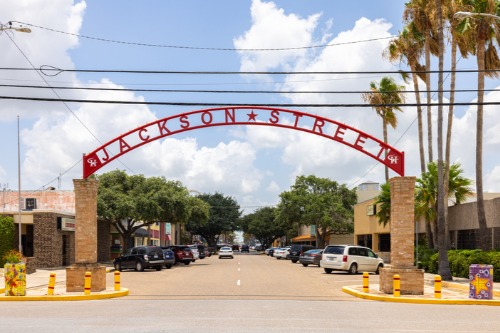
Harlingen sits in the Rio Grande Valley near the Mexico border, and it routinely ranks as one of the least expensive retirement spots in the country thanks to low home prices and no state income tax in Texas. The warm winters are a major draw, especially for Midwestern snowbirds who want to stretch Social Security checks. Health care access is decent for a city its size, with Valley Baptist Medical Center serving the region. On paper, it looks like a sun-soaked bargain.
But the pressures show up quickly for some retirees. Summers are intensely hot and humid, with long stretches of triple-digit temperatures that can limit outdoor activity. The area is also vulnerable to hurricanes and flooding due to its proximity to the Gulf. And while Harlingen itself is quiet, retirees sometimes feel geographically isolated from larger cultural hubs.
2. Pine Bluff, Arkansas
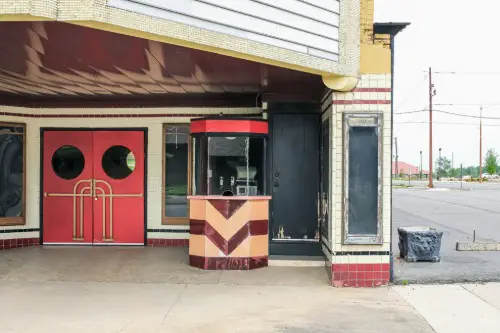
Pine Bluff consistently posts some of the lowest housing costs in the nation, and everyday expenses are manageable on a fixed income. The Arkansas River adds natural beauty, and residents enjoy access to local parks and community events. Groceries and utilities are generally cheaper than in most urban centers, which is appealing for budget-conscious retirees. The town also has small but accessible medical facilities, including CHI St. Vincent Pine Bluff.
Still, retirees often encounter challenges that don’t appear in the numbers. Crime rates are higher than the national average, which can create a sense of unease. Public transportation is limited, making a car almost mandatory for any outing. Cultural and recreational opportunities are sparse compared to bigger cities, which can feel isolating for some.
3. McAllen, Texas
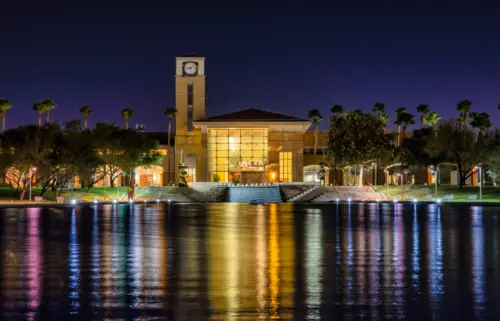
McAllen is another South Texas city that attracts retirees with low housing costs and no state income tax. The city has a growing medical sector, including the acclaimed McAllen Medical Center, which adds a layer of security for older residents. Shopping and dining are affordable, and the city enjoys a warm climate nearly year-round. It’s an appealing option for those looking to stretch retirement income without sacrificing basic comforts.
However, McAllen’s warmth comes with its own set of pressures. Humidity levels can be oppressive in summer, making outdoor activities challenging. The city faces border-related social and political tensions that can affect the local sense of safety. Additionally, population growth has led to traffic congestion, which can be frustrating for newcomers.
4. Brownsville, Texas
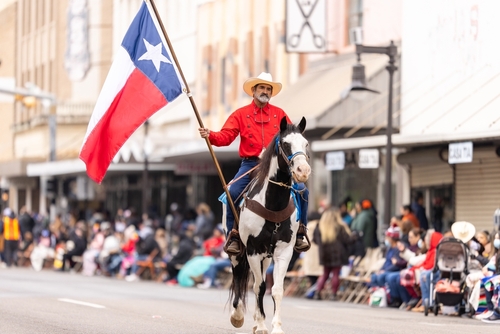
Brownsville offers one of the lowest costs of living in the country, especially when it comes to housing and groceries. The city has a rich cultural heritage and proximity to both the Gulf of Mexico and Mexico, which provides unique culinary and recreational experiences. Retirees enjoy small-town charm while still having access to necessary services. Public parks and birdwatching areas like the Resaca de la Palma State Park add natural beauty.
Yet the city has drawbacks that can catch retirees off guard. Hurricanes and flooding are recurring threats due to its Gulf Coast location. Summers are extremely hot and humid, often reaching uncomfortable levels. Healthcare options are adequate but can be stretched thin compared to larger cities, creating a potential stress point.
5. Kalamazoo, Michigan
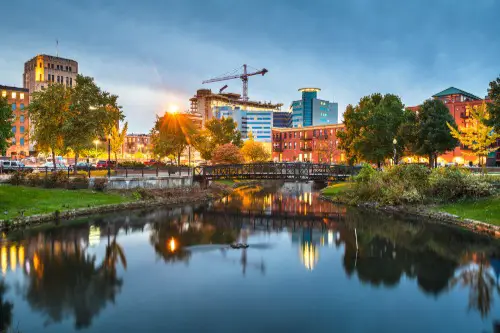
Kalamazoo boasts affordable housing, especially for a Midwestern city with strong cultural institutions. Retirees benefit from low property taxes and a thriving local food scene. Access to health care is solid, anchored by the well-regarded Bronson and Borgess hospitals. The city also hosts numerous small museums, theaters, and outdoor spaces for leisure.
The challenges come in the form of weather and city resources. Winters can be harsh, with heavy snow and icy conditions that complicate mobility. The economy is more modest than larger cities, limiting some recreational and social options. Public transit is limited, making it difficult for those who prefer not to drive.
6. Fort Wayne, Indiana
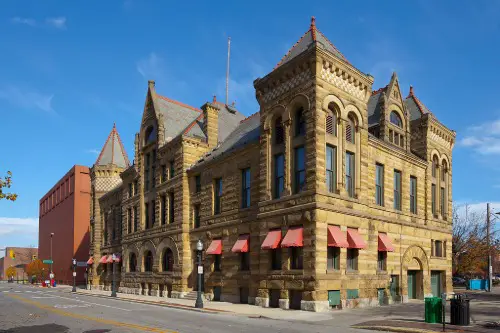
Fort Wayne is attractive for retirees because of low housing costs, affordable property taxes, and general cost of living. The city has a mix of cultural attractions, like the Fort Wayne Museum of Art, and outdoor options including hiking trails and riverside parks. Local medical facilities, such as Parkview Health, are accessible for older adults. Grocery and retail expenses remain manageable, enhancing its appeal.
Despite these benefits, there are pressures to consider. Winters are long and can be severe, affecting outdoor activities and daily mobility. Crime in certain neighborhoods can be a concern, requiring careful residential choices. The city’s cultural scene, while present, is smaller than major metros, which may feel limiting over time.
7. Knoxville, Tennessee
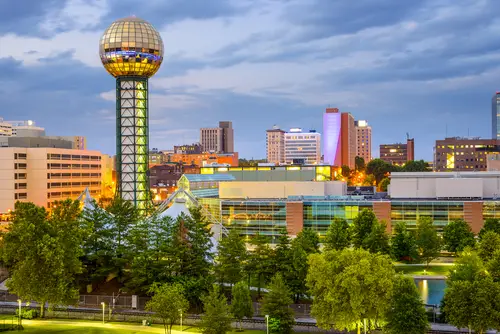
Knoxville offers retirees low living costs and no state income tax, making it easier to stretch retirement funds. The city is surrounded by natural beauty, including the Great Smoky Mountains, perfect for outdoor enthusiasts. Local hospitals like the University of Tennessee Medical Center provide strong healthcare support. Dining, entertainment, and utilities are generally affordable, which contributes to its reputation as a budget-friendly city.
However, Knoxville has its pressures. Summers are hot and humid, sometimes reaching uncomfortable extremes. While cultural offerings exist, they are modest compared to larger urban centers. Traffic congestion can also be an issue, especially during tourist season, affecting daily convenience.
8. Jacksonville, North Carolina
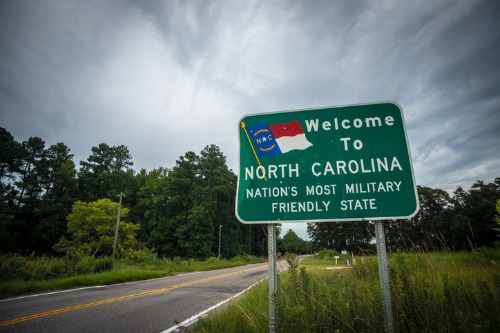
Jacksonville has a low cost of living and affordable housing, attracting retirees on fixed incomes. Proximity to the coast allows access to beaches and recreational activities, which many retirees find appealing. The city’s military presence brings stable economic conditions and some community services. Basic amenities like grocery stores and health facilities are reasonably priced.
The city isn’t without its challenges. Hurricanes and tropical storms pose periodic risks to property and safety. Summers are hot and sticky, making outdoor activities less enjoyable for some. Additionally, while the city has essential services, more specialized healthcare or cultural activities may require a drive to larger cities.
9. Tucson, Arizona
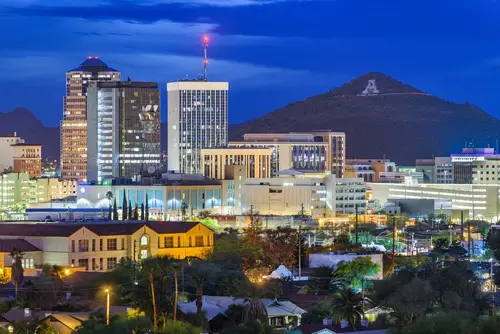
Tucson combines low property taxes and affordable housing with a sunny climate that appeals to retirees escaping winter. The city has a vibrant cultural scene with art galleries, music festivals, and a historic downtown. Hospitals like Banner – University Medical Center Tucson provide strong medical care. Outdoor enthusiasts enjoy hiking in the nearby Catalina Mountains and desert landscapes.
But Tucson isn’t perfect for everyone. Summer temperatures can exceed 100 degrees, creating heat-related challenges. The desert environment also brings limited rainfall and occasional dust storms. Some retirees may find the cost of cooling homes during scorching months adds unexpected pressure to the budget.
10. Green Valley, Arizona
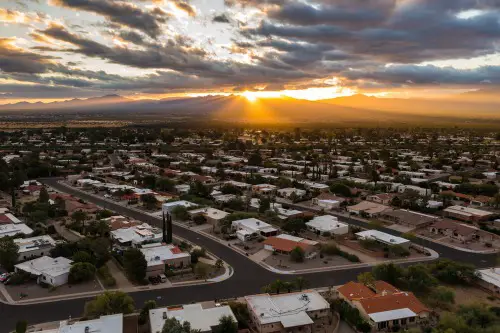
Green Valley is a smaller retirement-focused community just south of Tucson, known for affordable living and abundant senior amenities. Golf courses, walking paths, and social clubs cater to retirees seeking active lifestyles. Property taxes are moderate, and healthcare access is solid with multiple nearby hospitals. The desert scenery is tranquil, offering a slower pace of life.
Still, the pressures are subtle but real. Summer heat is intense, requiring careful attention to hydration and home cooling. Some retirees miss the vibrancy of a larger city since entertainment options are more limited. Additionally, being a predominantly retirement community can feel isolating for those seeking multigenerational interaction.
11. Erie, Pennsylvania
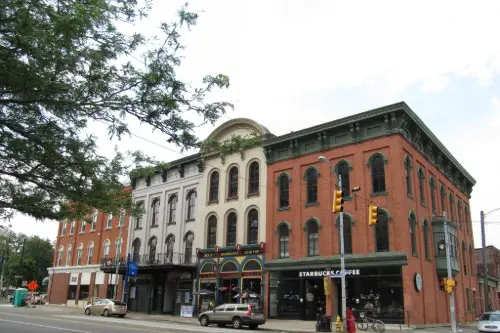
Erie attracts retirees with low housing costs and affordable everyday living. Lake Erie offers scenic views, boating, and fishing opportunities, which add recreational appeal. Medical services are accessible through UPMC Hamot and other local facilities. Property taxes and utilities are generally manageable, making it budget-friendly.
Yet Erie comes with pressures that retirees need to consider. Winters are long, cold, and snowy, often creating mobility and safety challenges. The local economy is modest, which limits some cultural and entertainment options. Some retirees also note that seasonal population shifts can make the community feel less lively in off months.
12. Reading, Pennsylvania
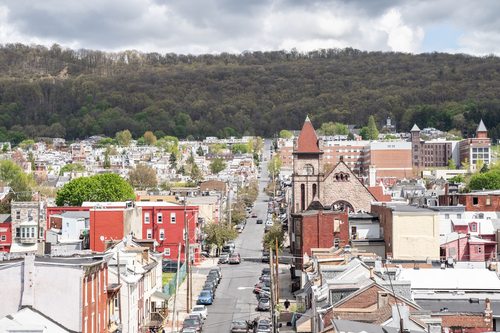
Reading combines very low housing costs with a central location in Pennsylvania, giving retirees access to urban centers like Philadelphia and Allentown. Public services, groceries, and transportation are affordable, making it manageable on fixed incomes. Local hospitals like Reading Hospital provide strong healthcare support. There’s a sense of small-town charm mixed with easy access to larger city amenities.
However, retirees may face pressures in daily life. Crime rates are higher than average in certain neighborhoods, requiring caution in housing choices. Summers can be hot and humid, while winters bring cold and occasional heavy snow. Additionally, the local job market is modest, which can affect part-time work or volunteer opportunities for retirees seeking engagement.
13. Springfield, Missouri
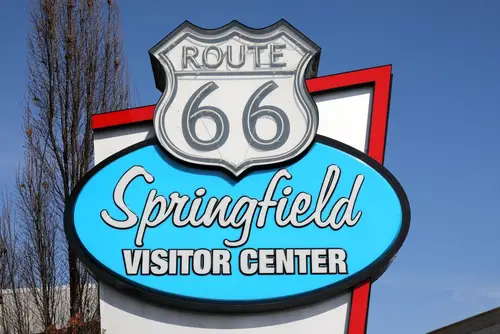
Springfield offers retirees low property taxes, affordable housing, and a generally low cost of living. The city has a mix of cultural attractions, including theaters, museums, and local festivals. Healthcare options are solid, with CoxHealth and Mercy Hospital serving the area. Parks, lakes, and nearby Ozark landscapes provide outdoor recreation opportunities.
Still, retirees face pressures here as well. Summers can be hot and humid, occasionally limiting outdoor enjoyment. Crime varies by neighborhood, requiring careful choice of residence. While Springfield has amenities, it lacks the density and variety of cultural options found in larger metro areas, which may affect social engagement over time.
This post The Unexpected Pressures of Low-Cost Retirement Areas was first published on American Charm.

