1. Minneapolis

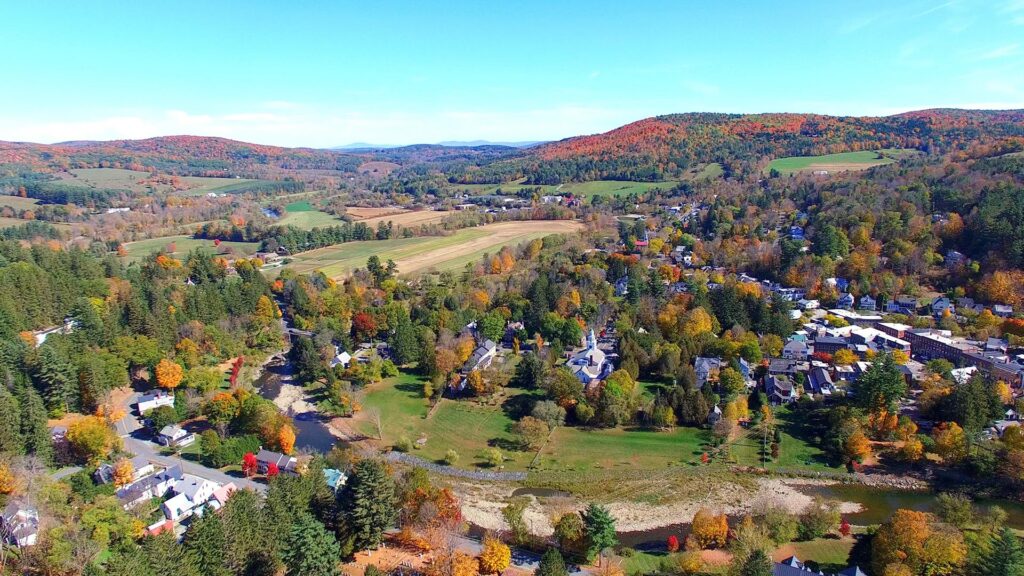
This Upper Midwest hub consistently ranks high for health care quality and park access. It is home to major medical systems and a well-developed network of trails and community centers. But winters are long and bitterly cold, with average January lows well below freezing. Snow and ice can increase the risk of falls for older residents.
Heating costs add up during extended cold snaps, especially in older houses with dated insulation. Seasonal affective disorder and social isolation can intensify when daylight hours shrink. Although the city invests heavily in snow removal, navigating sidewalks and bus stops can still be challenging. Aging comfortably here requires planning for both physical safety and emotional resilience during the dark months.
2. Phoenix
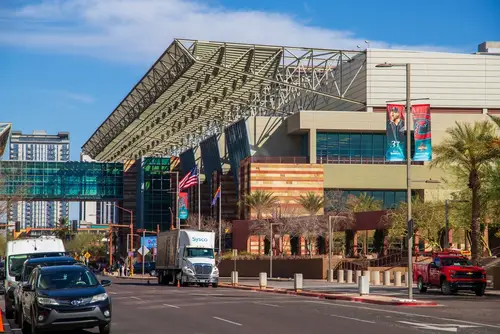
Retirees have long been drawn to the desert climate and sprawling suburbs here. But extreme summer heat, which regularly pushes temperatures above 110 degrees Fahrenheit, can turn everyday errands into health risks. Older adults face higher rates of heat-related illness, especially in neighborhoods with limited tree cover. Air-conditioning becomes less of a luxury and more of a lifeline.
Housing was once considered a bargain, yet prices have climbed sharply over the past decade as population growth surged. That rise has squeezed seniors on fixed incomes, particularly those who hoped to age in place. Public transit options remain limited across much of the metro area, making driving almost mandatory. For many residents, staying comfortable means constantly balancing utility bills, transportation needs, and medical concerns.
3. Miami
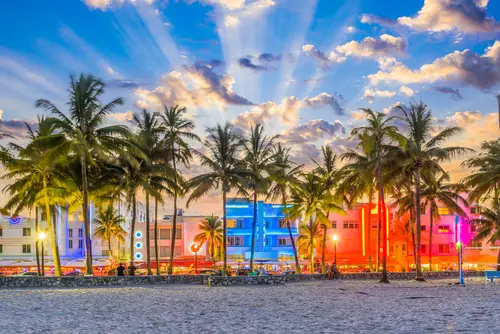
Warm winters and vibrant cultural life make this coastal city appealing to older adults. However, its low elevation and exposure to hurricanes put aging homeowners on the front lines of climate risk. King tides and heavy rains already cause periodic flooding in some neighborhoods. Insurance premiums have risen dramatically as storms intensify and insurers pull back from the market.
Condominium living is common, but recent state safety regulations passed after the 2021 Surfside collapse have led to steep special assessments for repairs. Those costs can run into tens of thousands of dollars per unit. For retirees on fixed incomes, unexpected assessments and insurance hikes can quickly destabilize carefully planned budgets. The trade-off for sunshine is an ongoing negotiation with water, wind, and rising costs.
4. San Francisco

Few places offer the walkability and medical access found in this compact coastal city. World-class hospitals and public transit can make it easier to give up driving. Yet it remains one of the most expensive housing markets in the country. Median home prices and rents routinely outpace national averages by a wide margin.
Even long-time homeowners face high property taxes and maintenance costs on aging buildings. Steep hills and dense streets can pose mobility challenges for those with joint or balance issues. While community resources are strong, competition for subsidized senior housing is intense. Comfort here often depends on substantial savings or family support.
5. Houston
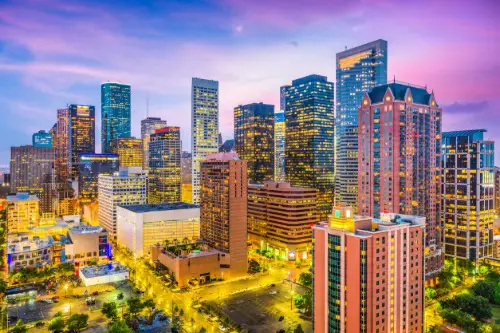
Affordability and a lack of state income tax attract many retirees to this sprawling Texas metropolis. Medical care is anchored by the Texas Medical Center, one of the largest medical complexes in the world. However, the region is highly prone to flooding from heavy rains and tropical storms. Hurricane Harvey in 2017 demonstrated how vulnerable entire neighborhoods can be.
Car dependency is significant, as public transportation coverage is limited compared with older East Coast cities. High summer humidity and heat can strain those with cardiovascular or respiratory conditions. Property insurance costs have risen in flood-prone areas, adding another layer of expense. Residents often find themselves weighing lower taxes against climate and infrastructure realities.
6. Las Vegas
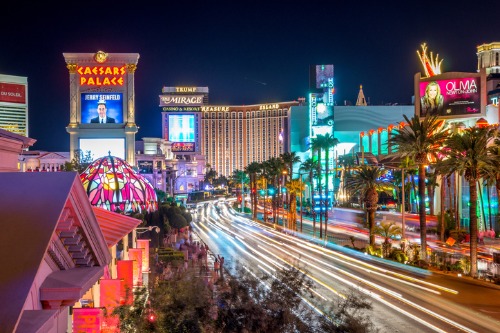
Low taxes and relatively affordable housing have made this desert city a retirement magnet. Nevada has no state income tax, which appeals to people living on fixed incomes. But like Phoenix, Las Vegas faces extreme summer heat that can exceed 110 degrees Fahrenheit. Prolonged drought in the Colorado River Basin also raises concerns about long-term water security.
Master-planned communities offer amenities, yet many are car-dependent and far from major hospitals. Utility bills spike during peak cooling months, creating seasonal financial strain. Rapid population growth has put pressure on health care access and appointment availability. The comfort equation here hinges on managing heat, water, and sprawl.
7. New Orleans
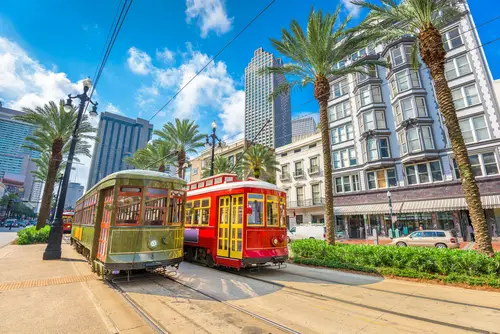
Rich culture, music, and food give this historic city an undeniable pull. For older residents, however, hurricane risk is not theoretical but lived experience. Hurricane Katrina in 2005 exposed how disasters can disproportionately affect seniors. Power outages during storms can be especially dangerous for those relying on medical devices.
Flood insurance through the National Flood Insurance Program is often essential but increasingly costly. High humidity and summer heat add to physical strain. Infrastructure challenges, from drainage to road conditions, complicate mobility. Aging here often means preparing every season for the next major storm.
8. New York City

Few American cities match this one for walkability and access to specialized medical care. Extensive public transit allows many older adults to live without a car. Yet housing costs are among the highest in the nation, particularly in Manhattan and desirable Brooklyn neighborhoods. Even rent-stabilized apartments can come with rising costs over time.
Elevator outages in older buildings and subway stairs can create daily hurdles. Crowded streets and fast-paced living may feel overwhelming for some seniors. While senior centers and services are plentiful, demand is high. Staying comfortable often requires navigating bureaucracy as much as sidewalks.
9. Los Angeles
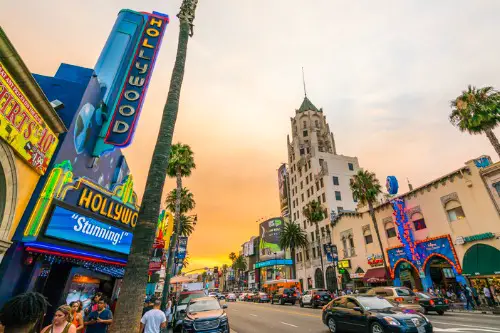
Mild winters and a vast health care network make this Southern California city attractive. Outdoor living is possible year-round in many neighborhoods. But wildfire smoke and extreme heat events have become more frequent across the region. Air quality concerns can be serious for people with respiratory conditions.
Traffic congestion is notorious, and many areas lack robust public transit. Housing costs remain high, whether renting or owning. Earthquake risk also factors into long-term planning and insurance decisions. Comfort here depends on balancing climate perks with environmental and financial pressures.
10. Chicago

This Midwestern metropolis offers renowned hospitals and a dense urban core with public transportation. Cultural institutions and lakefront parks provide opportunities for social engagement. Yet winters can be harsh, with wind chills plunging well below freezing. Ice and snow create fall hazards similar to those in Minneapolis.
Property taxes in Illinois are among the highest in the country, which can strain fixed incomes. Some neighborhoods face safety concerns that influence where seniors feel comfortable walking. Aging buildings may require costly maintenance or upgrades. The city offers resources, but residents must weigh them against climate and cost realities.
11. Charleston
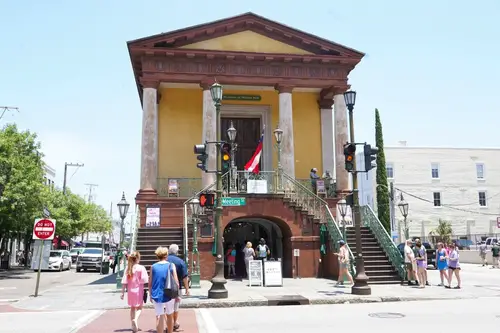
Charming architecture and coastal scenery draw retirees to this historic Southern city. The pace of life can feel slower and more manageable than in larger metros. However, Charleston faces regular tidal flooding and hurricane threats. Sea level rise has increased the frequency of nuisance flooding in low-lying areas.
Historic homes often require ongoing maintenance to meet modern safety standards. Insurance premiums for wind and flood coverage can be substantial. Summer heat and humidity mirror conditions in other Southeastern coastal cities. Aging comfortably here means factoring in both beauty and vulnerability.
12. Seattle

Access to top-tier medical facilities and strong public transit options can support independent living. The city invests in age-friendly initiatives and walkable neighborhoods. But the cost of housing has risen sharply over the past decade. Many seniors find themselves priced out of neighborhoods they have lived in for years.
Long stretches of gray skies and limited winter daylight can affect mood and activity levels. Hilly terrain in some areas presents mobility challenges. Earthquake preparedness is also part of long-term planning in the Pacific Northwest. Comfort here involves navigating both financial and environmental uncertainties.
13. Orlando
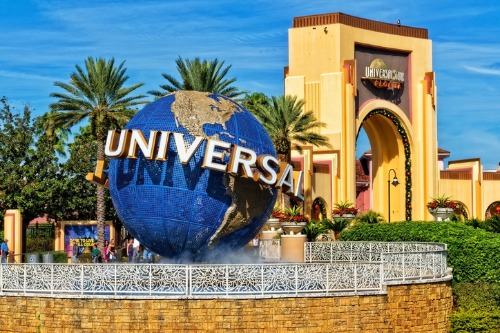
Theme parks and warm weather make this Central Florida city a retirement destination. Florida’s lack of a state income tax is another draw for older adults. Yet the region is highly exposed to hurricanes and tropical storms. Evacuations and prolonged power outages can be especially taxing for seniors.
Rapid population growth has increased traffic and strained infrastructure. Homeowners insurance premiums have risen across Florida in recent years. Summer heat and humidity can limit outdoor activity for parts of the year. For many retirees, comfort here requires constant attention to weather, costs, and contingency plans.
This post Where Aging Comfort Is a Constant Negotiation was first published on American Charm.