
1. Ketchikan, Alaska
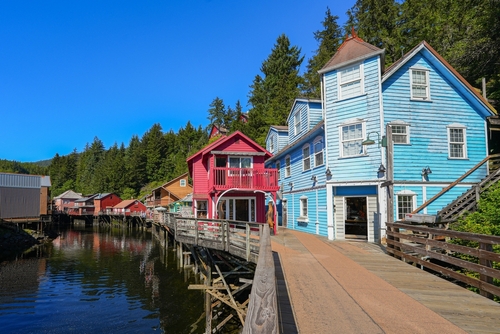
Ketchikan surprises people because the warnings aren’t about crime but isolation. The town is only accessible by boat or plane, with no road connections to the rest of Alaska. Living costs are high due to shipping and weather constraints. Seasonal employment dominates the economy.
People warn you because everyday life requires extra planning. Medical care, groceries, and travel are more complicated than in most U.S. towns. Weather can disrupt transportation for days. The warning reflects how geography alone can shape hardship.
2. Gary, Indiana
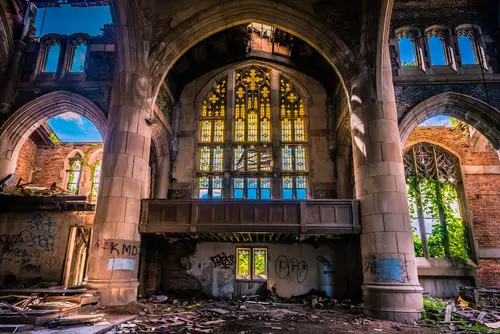
Gary’s reputation comes from its dramatic decline after the collapse of the steel industry. Once a booming company town for U.S. Steel, it lost tens of thousands of jobs over several decades. Population loss followed, leaving behind empty buildings and reduced tax revenue. Visitors often notice how much of the city feels frozen in a different era.
The warnings usually center on neglect rather than danger alone. Fewer resources mean slower responses to infrastructure problems and public safety needs. Some neighborhoods are working toward redevelopment, but progress is uneven and highly localized. The cautionary tale is about how dependent the city was on a single industry.
3. East St. Louis, Illinois
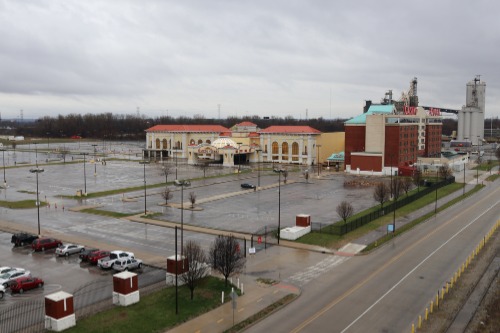
East St. Louis has long been cited as a city people should avoid, largely due to its high crime rates in the late 20th century. Deindustrialization hit hard as factories closed and jobs disappeared across the region. The tax base collapsed, leaving schools and public services severely underfunded. Its struggles became a national symbol of urban decline.
What warnings often leave out is the structural context. Racial segregation, disinvestment, and highway construction isolated the city from regional growth. While crime rates have fallen from their peak, the effects of decades of neglect remain visible. The warning is really about how abandonment reshapes a city over generations.
4. Camden, New Jersey
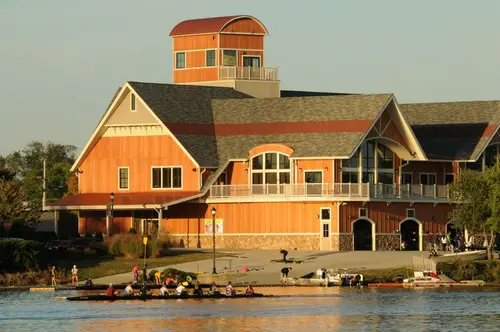
Camden earned its reputation during years when violent crime rates were among the highest in the country. Manufacturing losses and suburban flight hollowed out the city through the second half of the 20th century. Poverty rates climbed as employment opportunities vanished. For many outsiders, Camden became shorthand for urban failure.
The reality is more complex but still challenging. A complete overhaul of the police department in 2013 helped reduce crime significantly. Despite that progress, deep poverty and limited housing options persist. People warned you because recovery doesn’t happen evenly or quickly.
5. Youngstown, Ohio
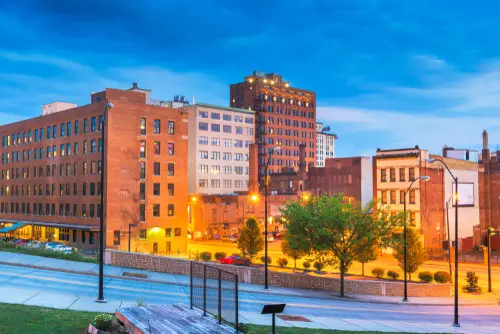
Youngstown was once a thriving steel town until the industry collapsed almost overnight in the 1970s. “Black Monday” in 1977 marked the closure of a major mill and the start of mass job losses. Thousands left the city, shrinking neighborhoods and local revenue. The psychological impact of that loss still defines the city’s identity.
Warnings about Youngstown often focus on decay rather than danger. Empty lots and abandoned structures are reminders of sudden economic collapse. While community efforts aim to reinvent the city, progress has been slow. The warning reflects how deeply tied the town was to one economic engine.
6. Detroit, Michigan
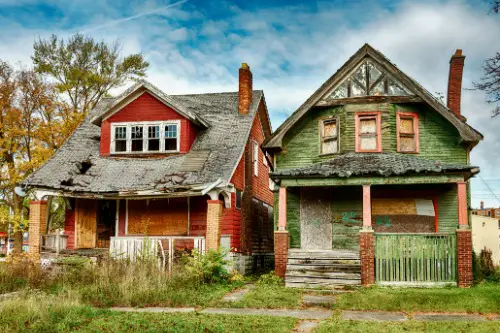
Detroit’s name alone has long triggered cautionary tales. The city’s decline followed decades of auto industry contraction, population loss, and segregation. At its peak in the 1950s, Detroit had nearly 1.9 million residents, compared to under 700,000 today. Entire neighborhoods were left without basic services.
The warnings weren’t entirely wrong, but they froze Detroit in time. While downtown and Midtown have seen redevelopment, many areas still struggle. Uneven investment creates stark contrasts block by block. The real warning is about scale, because fixing a city this large takes generations.
7. Pine Ridge, South Dakota
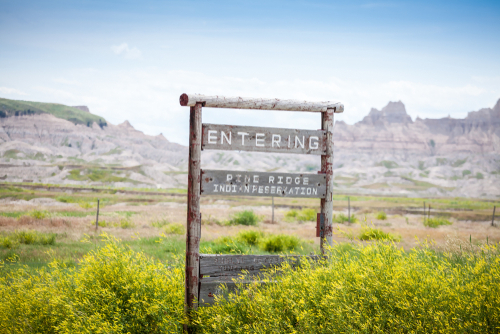
People warned you about Pine Ridge because of extreme poverty levels on the reservation. Unemployment rates have historically been very high, and access to healthcare is limited. Housing shortages and infrastructure issues are persistent problems. Life expectancy on the reservation has been notably lower than national averages.
These warnings often miss the cause behind the conditions. Pine Ridge reflects the long-term consequences of federal policies toward Native American tribes. Limited economic opportunity is tied to land restrictions and chronic underfunding. The warning is really about systemic neglect rather than the place itself.
8. Cairo, Illinois
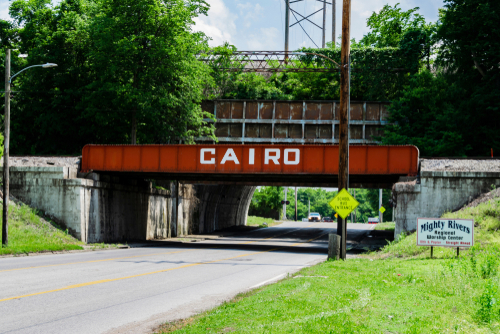
Cairo sits at the confluence of the Mississippi and Ohio Rivers, but its location hasn’t saved it from decline. Once a bustling river town, it lost jobs as shipping routes and industries changed. Racial conflict and white flight accelerated population loss in the late 20th century. Today, only a fraction of its former residents remain.
Visitors are often warned about how empty the town feels. Closed schools, shuttered businesses, and abandoned homes dominate the landscape. Flood risks add another layer of challenge for residents. The warning is about isolation, both economic and geographic.
9. Centralia, Pennsylvania
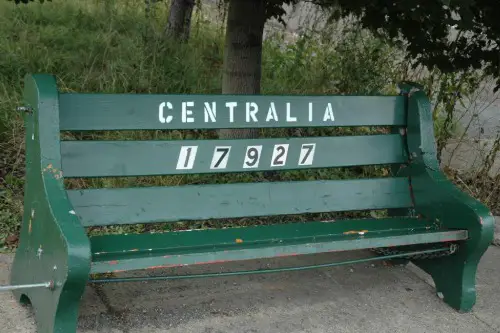
Centralia is famous for the underground coal mine fire that has burned since 1962. The fire released toxic gases and caused ground instability beneath the town. Over time, most residents were relocated through a federal buyout program. The ZIP code was even discontinued.
Warnings about Centralia are literal and practical. Sinkholes and smoke vents remain visible throughout the area. Only a handful of residents still live there legally. The town serves as a reminder of how environmental disasters can permanently erase communities.
10. Stockton, California
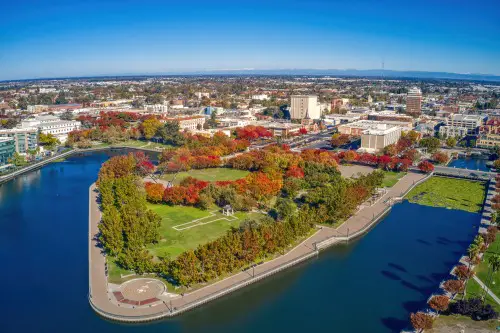
Stockton’s warning signs became widely known during the Great Recession. The city was hit hard by the housing crash and filed for bankruptcy in 2012. Foreclosures devastated entire neighborhoods. Crime rates climbed as economic stress mounted.
While Stockton has since exited bankruptcy, challenges remain. Poverty and homelessness continue to strain city resources. Some revitalization has occurred downtown, but many areas lag behind. The warning reflects how vulnerable fast-growing cities can be to economic shocks.
11. McDowell County, West Virginia
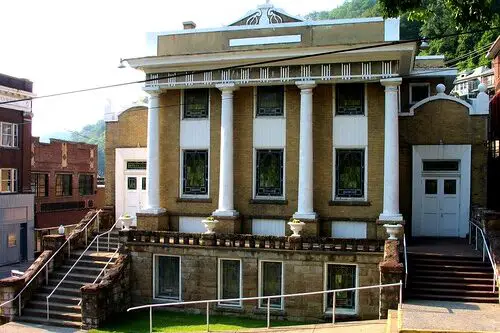
McDowell County is often mentioned as a place people should avoid due to its severe economic decline. Coal mining once sustained the region, but mechanization and mine closures wiped out jobs. The population fell by more than half over several decades. Schools and hospitals closed as residents left.
Warnings about the area focus on limited opportunity. Infrastructure is aging, and access to healthcare is difficult. Drug addiction, particularly opioids, has hit the county hard. The warning is about what happens when an entire economy disappears.
12. Jackson, Mississippi

Jackson has faced repeated warnings tied to infrastructure failures. Aging water systems have caused boil-water notices and system collapses, most notably in recent years. Chronic underfunding and population loss weakened the city’s ability to maintain services. Residents often go without reliable access to clean water.
The issues are rooted in governance and resources. Jackson has a shrinking tax base but growing infrastructure needs. Political tension between city and state leadership complicates solutions. The warning highlights how essential systems can quietly fail until they suddenly don’t work at all.
13. South Bend, Indiana
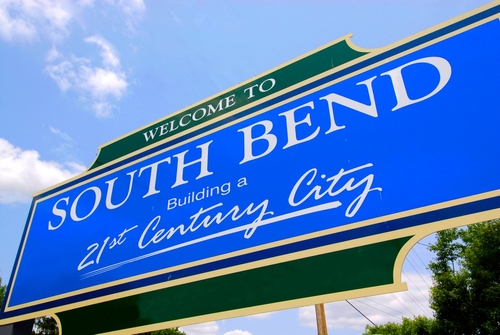
South Bend’s decline followed the closure of Studebaker’s auto plants in the 1960s. Thousands of manufacturing jobs vanished, and the city struggled to replace them. Population loss and urban decay followed over the next several decades. Its reputation suffered as unemployment rose.
While the city has made strides in redevelopment, warnings persist. Economic opportunity remains uneven across neighborhoods. Some areas have benefited from investment, while others have not. The warning is about how long industrial collapse echoes through a city.
14. Flint, Michigan
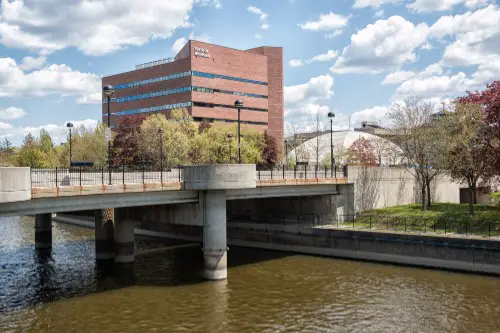
People warned you about Flint because of the water crisis, and that warning wasn’t exaggerated. In 2014, the city’s water source switch exposed residents to lead due to inadequate treatment and aging pipes. The damage wasn’t just physical but deeply institutional, eroding trust in local and state government. Even years later, infrastructure repairs and health monitoring are still part of daily life there.
What often gets overlooked is how that crisis compounded long-standing economic struggles. Flint lost much of its manufacturing base as General Motors downsized, shrinking jobs and population. Neighborhoods reflect that loss with vacant homes and strained public services. The warning was really about how hard it is to recover once systems fail all at once.
This post 14 Towns Everyone Warned You About—and You Ignored was first published on American Charm.

