1. Sarasota, Florida
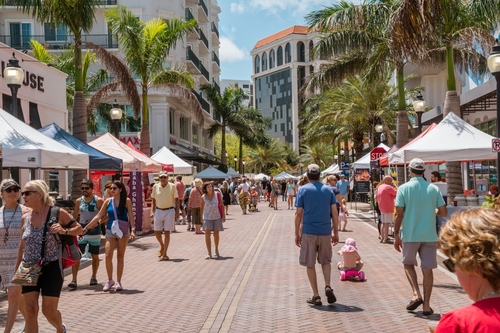
Sarasota has long been a magnet for retirees, drawn by its sunny beaches and vibrant arts scene. But the city’s rising cost of living is starting to pinch wallets that once felt comfortable. Housing prices have climbed steadily, and property taxes are catching up with the demand for coastal real estate. Many retirees are realizing their fixed incomes don’t stretch as far as they hoped.
Traffic congestion is another frustration. What used to be a peaceful, easy-going town now has daily bottlenecks on the main arteries. Healthcare access, while generally good, is uneven outside of central Sarasota, making appointments inconvenient for those who don’t drive long distances. For some retirees, these growing pains are nudging them toward quieter, less expensive corners of the country.
2. Scottsdale, Arizona

Scottsdale’s golf courses and desert scenery made it a dream retirement destination. But the scorching summers are increasingly difficult for older adults with heat sensitivity. High temperatures often exceed 110°F, and the cost of air conditioning adds a new monthly burden. Water shortages and drought concerns add another layer of stress for residents dependent on city resources.
The city has also become more commercialized, with luxury shopping and resort developments pushing up everyday costs. Traffic has worsened around the popular neighborhoods, turning errands into small adventures. Healthcare facilities are strong but can be overwhelmed during seasonal population spikes. Some retirees are trading Scottsdale’s glitz for calmer, cooler towns where their dollars go further.
3. Asheville, North Carolina

Asheville’s scenic mountains and artsy culture have been a big draw for retirees seeking a slower pace. But the town’s popularity has driven up real estate prices sharply over the past decade. Historic homes and mountain-view condos are often out of reach for retirees on a fixed budget. Even routine maintenance costs for older properties can strain finances.
The influx of new residents has also transformed the small-town feel into something more bustling. Traffic on the main scenic routes is now heavier, and parking near downtown attractions is a hassle. Healthcare is available but spread out, which means longer drives for appointments. Retirees seeking peace and quiet are beginning to consider neighboring towns as alternatives.
4. Portland, Oregon
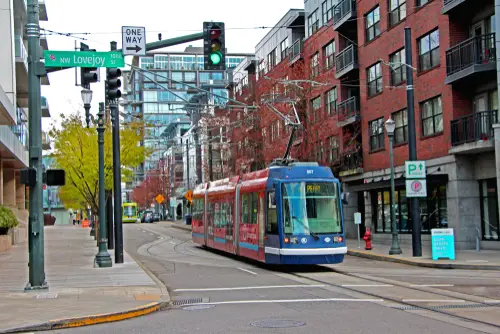
Portland’s cultural scene and progressive vibe once drew retirees looking for something beyond sunny retirement communities. Lately, the city’s rising cost of living and housing crunch have made it challenging for seniors to maintain the lifestyle they imagined. Urban renewal has pushed prices up in formerly affordable neighborhoods. Renters and homeowners alike are feeling the squeeze on fixed incomes.
The city’s weather can also be a factor. Frequent rainy days can exacerbate feelings of isolation or seasonal depression, which retirees may be more susceptible to. Traffic congestion and limited parking make even short trips stressful. Some retirees are leaving Portland for sunnier, less congested cities that still offer cultural amenities without the high cost.
5. Austin, Texas

Austin has been synonymous with live music, vibrant food culture, and a thriving social scene that appeals to older adults. But the city has grown so rapidly that traffic and housing affordability have become major concerns. Once quiet neighborhoods now experience noise and congestion from new development projects. Property taxes have also risen alongside booming home prices, straining fixed retirement incomes.
Healthcare and senior services, while available, can be stretched thin due to the influx of younger populations. The city’s heat is also a challenge, with summer highs frequently hitting triple digits. Many retirees are finding that their ideal “laid-back Austin lifestyle” has become too crowded and expensive. Moving to smaller Texas towns offers similar cultural perks without the downsides of rapid growth.
6. Santa Fe, New Mexico
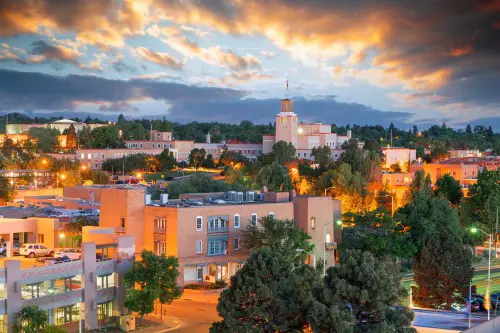
Santa Fe has long attracted retirees with its arts scene, adobe architecture, and mild climate. Yet, high housing costs and limited inventory have created challenges for those living on pensions or savings. Luxury condos and tourist-driven property developments dominate the market, pushing local residents out. Daily expenses, from groceries to utilities, are higher than in many other New Mexico towns.
Healthcare access outside the main city center is limited, forcing some retirees to travel for specialized care. Winters, while not extreme, bring icy roads that can complicate mobility. The city’s popularity as a vacation destination also makes it feel crowded during peak seasons. Many retirees are now exploring quieter New Mexico towns where affordability and tranquility are easier to find.
7. Naples, Florida
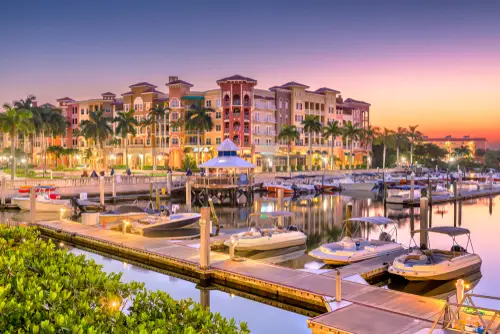
Naples is famous for golf courses, beaches, and luxury living that appeals to retirees seeking comfort and style. However, the city’s exclusivity comes with a hefty price tag that has climbed steadily in recent years. Monthly maintenance fees for condos and upscale communities are significant, even for modest units. Fixed-income retirees often find themselves financially stretched despite careful planning.
Seasonal population surges make everyday errands feel busier than expected. Roads are crowded in winter months when snowbirds flock south, and parking at local amenities is limited. Healthcare options are excellent but concentrated, requiring travel for routine or specialist care. Some retirees are relocating to smaller Gulf Coast towns that offer similar scenery at a fraction of the cost.
8. Boulder, Colorado
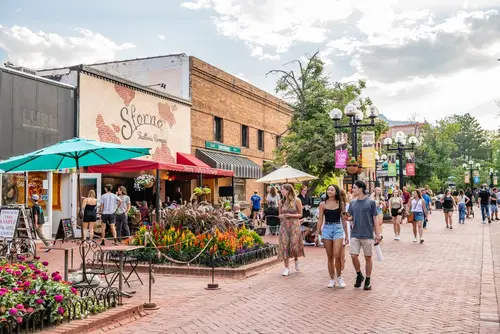
Boulder’s outdoor lifestyle, craft breweries, and cultural amenities have long attracted retirees seeking an active, healthy community. But the cost of living, especially housing, is among the highest in the country. Even modest homes are well beyond the reach of many retirees on fixed incomes. Property taxes and utilities add to the financial strain.
The city’s popularity means roads and trails are crowded, and parking is often a challenge in the busiest areas. Winters bring snow and icy conditions, which can limit mobility for older adults. Healthcare is strong but increasingly busy, meaning longer waits for appointments. Retirees are seeking smaller Colorado towns with similar outdoor amenities but more affordable living.
9. Fort Lauderdale, Florida
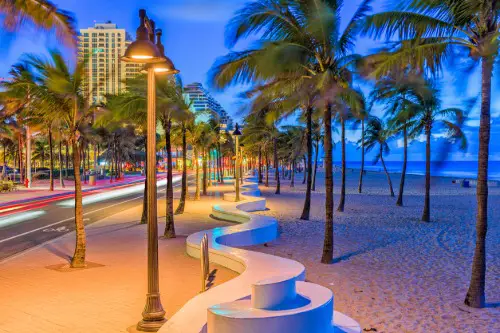
Fort Lauderdale has long marketed itself as a retiree paradise with boating, beaches, and warm weather. Yet, rising crime rates in some neighborhoods have caused concern for older residents. Real estate costs are high, and flood insurance adds another layer of expense in a coastal city. The hustle and bustle of tourism-heavy areas also disrupts what was once a more relaxed lifestyle.
Healthcare services are plentiful but can feel impersonal due to the city’s rapid growth. Traffic congestion is a daily headache, even outside peak tourist season. Hurricanes and severe weather risk also weigh on retirees considering long-term residence. Many are trading Fort Lauderdale for quieter, inland Florida towns with lower costs and fewer natural hazards.
10. Bend, Oregon
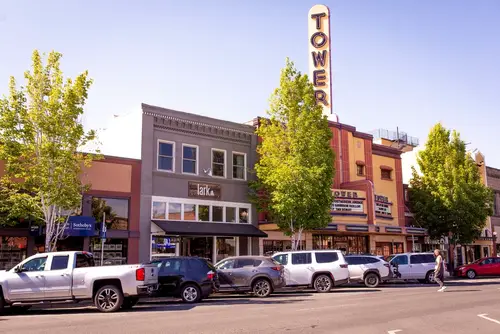
Bend’s outdoor recreation opportunities, craft breweries, and small-town charm made it a hot spot for retirees seeking adventure. But the town’s popularity has caused housing prices to skyrocket, making it difficult for retirees to afford long-term residence. Rentals are limited, and purchase costs often exceed budgets. Utilities, groceries, and local services have also increased with demand.
The influx of younger residents has changed the pace of life, with traffic and noise levels rising. Healthcare facilities are good but limited, requiring some travel for specialized treatments. Winters are cold and snowy, which can challenge older adults who prefer milder climates. Retirees are increasingly eyeing less crowded Oregon towns with similar natural beauty but lower costs.
11. Charleston, South Carolina

Charleston’s historic charm, cobblestone streets, and southern hospitality have drawn retirees for decades. Rising housing costs and gentrification, however, are making it harder to afford long-term residence in the historic districts. Property taxes are rising along with tourism-driven prices. Everyday expenses like groceries, dining, and entertainment are higher than surrounding areas.
Traffic congestion and limited parking complicate daily life in the historic downtown areas. Hurricanes and flooding risks add another layer of stress for retirees living near the coast. Healthcare is available but can be concentrated in certain parts of the city. Many retirees are moving to nearby towns that retain charm and culture without the financial pressures of Charleston proper.
12. Palm Springs, California

Palm Springs was designed with retirees in mind, offering sunshine, golf, and midcentury charm. Over time, housing prices have risen well beyond what many retirees anticipated. HOA fees in age-targeted communities continue to climb alongside insurance and utility costs. What once felt affordable now requires constant financial adjustment.
Extreme heat is another growing concern. Summers routinely bring temperatures above 115°F, keeping residents indoors for months at a time. The cost of cooling homes has become a year-round budget issue rather than a seasonal one. Some retirees are leaving in search of places where outdoor living doesn’t disappear half the year.
13. The Villages, Florida

The Villages is often marketed as the ultimate retirement playground, complete with clubs, golf carts, and nonstop activities. But its rapid expansion has changed the feel of the community. New construction has increased traffic, noise, and crowding in areas once known for calm routines. Some retirees feel the social pressure to participate has become overwhelming rather than enjoyable.
Living costs have also crept upward. Amenity fees, service charges, and home prices are higher than many expected when they first moved in. Healthcare access can require long drives due to the community’s sprawling layout. A growing number of residents are quietly downsizing to simpler, less structured retirement towns.
14. San Diego, California

San Diego’s mild weather and coastal lifestyle have long appealed to retirees looking to avoid extreme temperatures. Unfortunately, housing costs are among the highest in the country. Even modest condos come with steep price tags and rising property taxes. Fixed incomes often struggle to keep pace with the city’s cost structure.
Traffic congestion and population density add to daily stress. Errands that once felt easy now require planning around peak hours. While healthcare options are excellent, they are often crowded and expensive. Many retirees are moving inland or out of state to regain financial breathing room.
15. Hilton Head Island, South Carolina
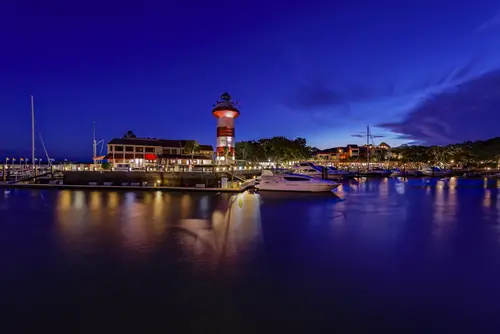
Hilton Head Island built its reputation on golf, beaches, and a polished retiree lifestyle. Over time, that polish has come with higher costs across the board. Property values, insurance, and HOA fees continue to rise in this tightly managed community. Retirees who bought years ago now face expenses they didn’t anticipate.
Tourism also affects daily life. Seasonal crowds increase traffic and strain local services. Hurricane threats and evacuation planning add stress for older residents. Some retirees are choosing mainland towns that offer similar scenery without the island premiums.
16. Sedona, Arizona

Sedona’s red rock scenery and spiritual appeal attract retirees seeking beauty and tranquility. However, limited housing inventory has pushed prices sharply upward. Short-term rentals have reduced long-term housing options, driving costs even higher. Retirees on fixed incomes often find themselves priced out faster than expected.
Healthcare access is another concern. Specialized medical care often requires travel to larger Arizona cities. Tourist traffic can make even short trips frustrating during peak seasons. Many retirees eventually look for quieter desert towns with better infrastructure and lower costs.
17. Naples Park, Florida
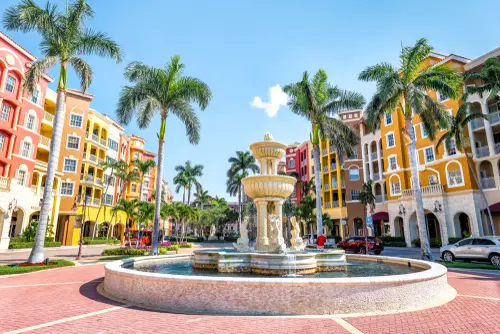
Naples Park offers a slightly more modest alternative to central Naples, which once appealed to budget-conscious retirees. Recently, investor interest has driven home prices far higher. Insurance costs, particularly flood and wind coverage, add ongoing financial pressure. What was once a compromise neighborhood no longer feels like a bargain.
The area also faces increasing congestion. Narrow streets and limited parking frustrate daily routines. Storm risks remain a constant concern during hurricane season. Retirees are increasingly relocating inland where costs and weather risks feel more manageable.
18. Lake Havasu City, Arizona
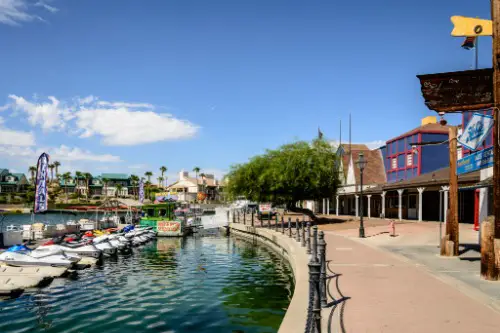
Lake Havasu City attracted retirees with its warm climate and relaxed waterfront lifestyle. Over time, extreme heat has become harder to manage, especially for aging residents. Summer temperatures often confine people indoors for extended periods. Cooling costs now consume a significant portion of monthly budgets.
Healthcare options are limited locally. Many retirees must travel long distances for specialized care. Tourism-driven events increase noise and congestion during peak seasons. Some retirees are choosing cooler, better-connected communities as they age.
19. Prescott, Arizona
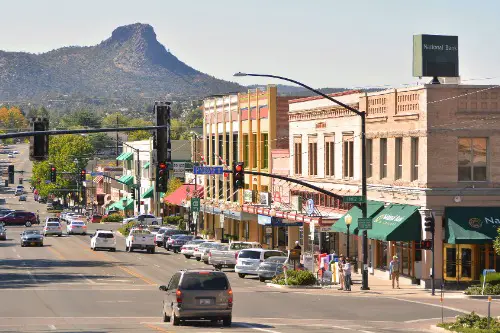
Prescott offers a cooler alternative to much of Arizona, along with historic charm and mountain views. Its popularity has driven housing prices steadily upward. Inventory remains tight, pushing retirees into bidding wars they hadn’t planned for. Property taxes and maintenance costs add to the strain.
The town’s infrastructure hasn’t fully kept pace with growth. Traffic congestion has increased, especially during festivals and tourist seasons. Healthcare services are improving but still limited for advanced needs. Retirees are beginning to explore less crowded mountain towns nearby.
20. Key West, Florida

Key West promises a laid-back island lifestyle that appeals to adventurous retirees. However, the cost of living is exceptionally high. Housing prices, insurance, and everyday necessities far exceed mainland Florida averages. Fixed-income retirees often find the financial pressure unsustainable.
Tourism dominates the local economy. Crowds, noise, and traffic are constant, even outside peak seasons. Hurricane risks and evacuation logistics are serious considerations for older residents. Many retirees eventually leave for quieter coastal towns with lower exposure and costs.
21. Flagstaff, Arizona
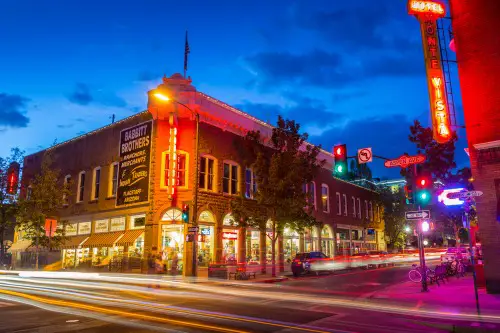
Flagstaff attracts retirees looking for cooler weather and mountain scenery. Unfortunately, housing prices have risen sharply due to limited supply and student demand. Rental options are scarce, and homeownership requires significant financial flexibility. Retirees often feel squeezed between rising costs and limited alternatives.
Winters can also be challenging. Heavy snowfall and icy roads affect mobility and access to services. Healthcare facilities are solid but can be stretched thin. Some retirees are opting for lower-elevation towns that balance climate, affordability, and access more effectively.
This post Why Retirees Are Quietly Leaving These Places Built for Them was first published on American Charm.