1. Bar Harbor, Maine
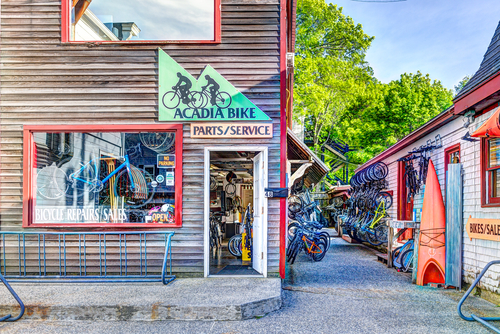
Bar Harbor looks welcoming, but fitting in socially can be a long game. Many families here trace their roots back generations to fishing, boatbuilding, or early Acadia tourism. Because so many people arrive seasonally for work, locals tend to wait and see who’s actually staying. Being labeled “from away” can stick for years.
That distance shows up quietly rather than coldly. Conversations are polite, but friendships can stall at the acquaintance level. Longtime residents often stick with people they grew up with or are related to. Even committed year-round residents sometimes say full acceptance never quite arrives.
2. Nantucket, Massachusetts
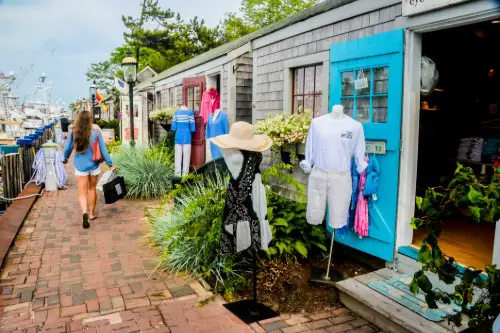
Nantucket’s small size and isolation create a strong insider culture. Families known locally as “Nantucketers” often have deep roots that predate modern tourism. Who stays through harsh winters matters more than who shows up in summer. Social history here is long and well remembered.
Newcomers often describe the town as courteous but emotionally distant. You can live here for years and still be seen as temporary. Many social circles revolve around family ties or schools attended decades ago. Breaking in usually requires marriage, multi-generation presence, or both.
3. Aspen, Colorado
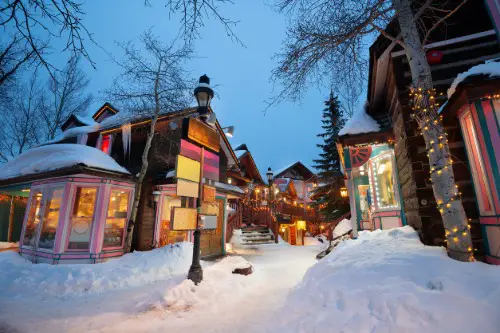
Aspen attracts people from all over the world, but that doesn’t mean it’s easy to belong. Longtime locals often distinguish between “real” residents and wealthy transplants. The town’s transformation from mining hub to luxury destination left social scars. Those who were here before the boom tend to guard their identity closely.
You might make friends quickly, but trust is another story. People often wait to see if you’ll survive multiple winters and economic swings. Local credibility is tied to longevity and shared hardship. Without that, connections can stay transactional.
4. Jackson, Wyoming
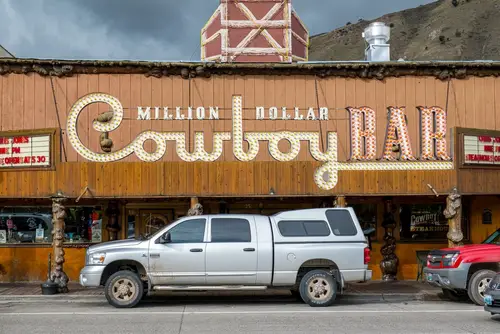
Jackson has a strong frontier mentality that shapes its social life. Many families have ranching or land ties that go back generations. The rapid influx of wealthy newcomers has made locals wary. There’s a quiet divide between long-term residents and recent arrivals.
Social interactions can feel friendly but filtered. People may keep conversations focused on work or outdoor activities. Deeper friendships often develop slowly, if at all. Staying long-term earns respect, but it doesn’t guarantee inclusion.
5. Martha’s Vineyard, Massachusetts
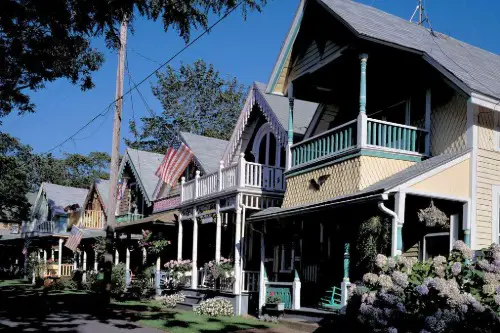
Martha’s Vineyard has a layered social structure built over centuries. Longtime island families often have deep fishing, farming, or maritime roots. Seasonal residents come in waves, reinforcing insider skepticism. Who your parents are still matters here.
Newcomers often sense an invisible boundary. You’re welcome to participate, but rarely invited into core social circles. Many friendships stay situational rather than personal. Acceptance often depends on years of consistency and community involvement.
6. Hanover, New Hampshire
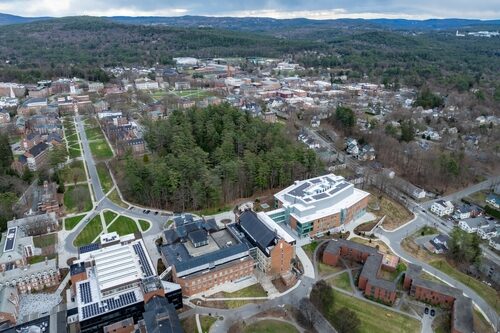
Hanover’s identity is closely tied to Dartmouth College. Town and gown dynamics shape social life in subtle ways. Faculty families often cycle in and out, reinforcing social caution. Longtime non-academic residents notice who’s passing through.
Newcomers may find it hard to move beyond professional relationships. Social groups tend to form around long-standing families or academic cohorts. If you’re not tied to Dartmouth long-term, connections can feel temporary. Even staying years doesn’t always change that.
7. Carmel-by-the-Sea, California
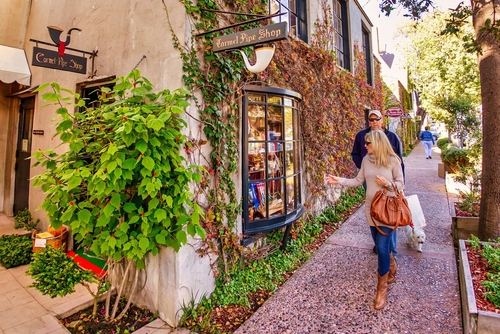
Carmel’s artistic reputation masks a tightly knit social core. Many residents have lived here for decades and value tradition. The town’s strict zoning and preservation rules reflect that mindset. Newcomers are often viewed as disruptors until proven otherwise.
Socially, things move slowly and cautiously. You may be greeted warmly but kept at arm’s length. Community leadership roles often stay within familiar circles. Trust is built over time, not enthusiasm.
8. Taos, New Mexico
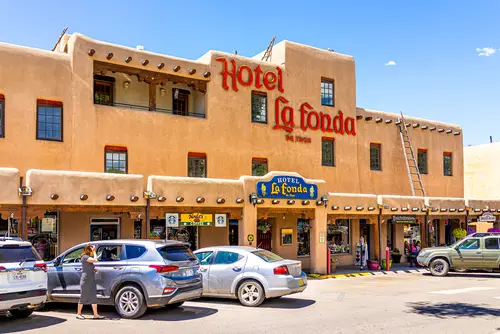
Taos has a deeply rooted cultural and artistic identity. Indigenous, Hispanic, and Anglo histories intertwine in complex ways. Longtime residents often trace family ties back generations. That history creates strong boundaries around belonging.
Newcomers often feel the weight of that past. Even well-meaning arrivals can be seen as outsiders reshaping the town. Social acceptance depends on cultural respect and patience. It’s possible to belong, but rarely quickly.
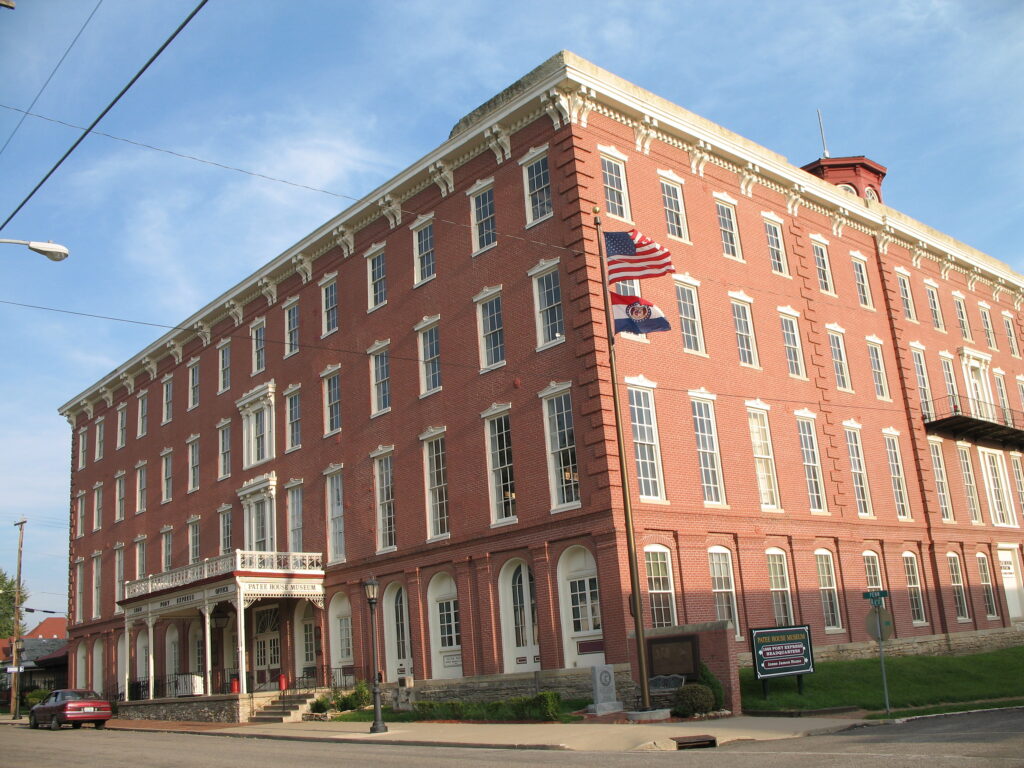
9. Galena, Illinois
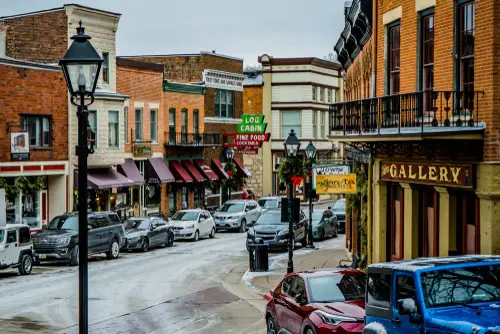
Galena’s small size amplifies its social memory. Many families have known each other for decades. Tourism drives the economy, but locals separate visitors from residents clearly. Newcomers often fall somewhere in between.
People are friendly, but relationships take time. Invitations may stay limited to public events. Deep trust often comes through shared community work. Without that, you can remain on the periphery.
10. Ligonier, Pennsylvania
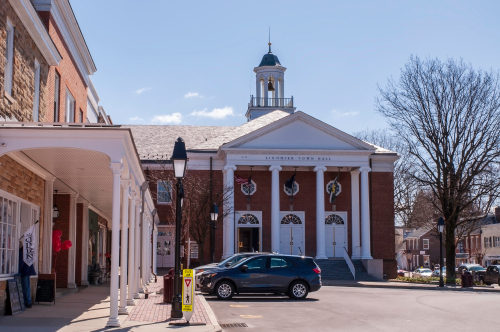
Ligonier has a strong sense of small-town continuity. Families often span multiple generations in the same neighborhoods. Local traditions and institutions remain largely unchanged. That stability can feel unyielding to newcomers.
Social circles are polite but slow to open. Longtime friendships dominate gatherings and events. New residents may feel watched rather than welcomed at first. Acceptance grows, but patience is required.
11. Stillwater, Minnesota
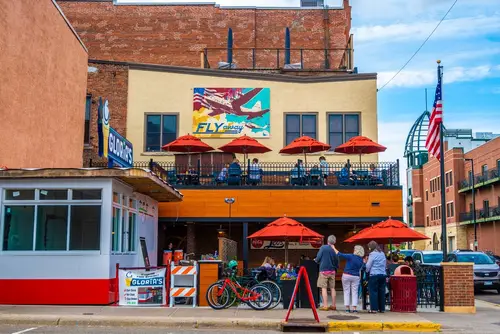
Stillwater’s historic charm comes with social longevity. Many residents grew up together or are related by marriage. The town’s identity is closely guarded. Outsiders are noticed quickly.
Newcomers often describe a friendly but closed atmosphere. You’re greeted warmly, but inclusion takes effort. Social groups often revolve around schools and churches. Without those ties, fitting in can take years.
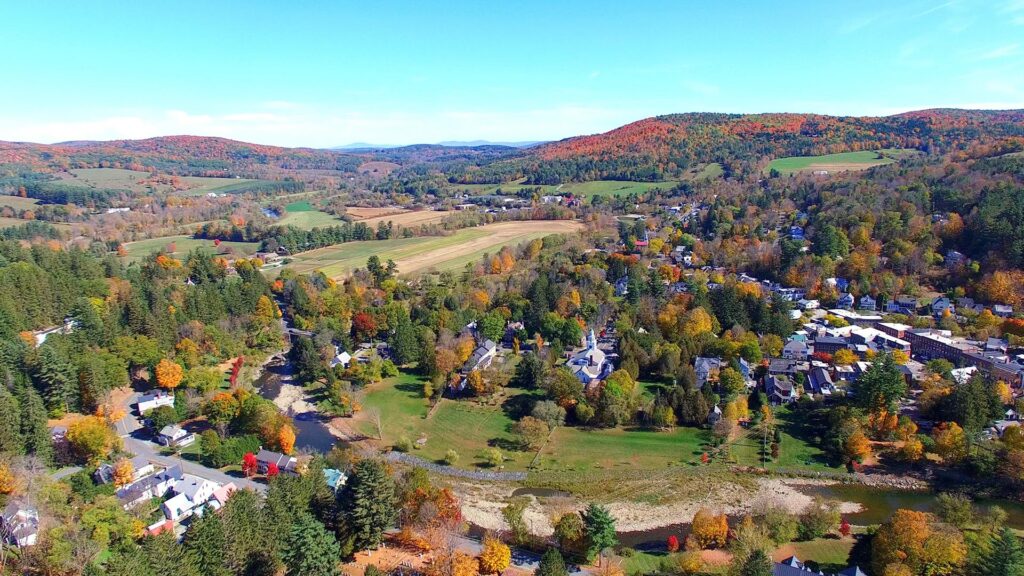
12. Stowe, Vermont
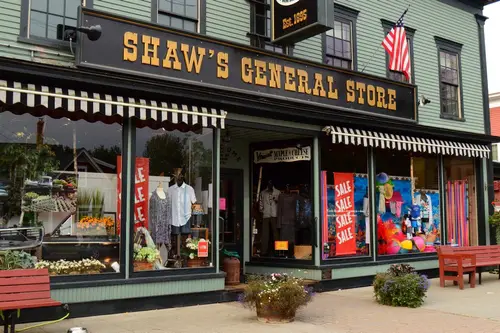
Stowe blends tourism with long-standing rural culture. Many families have farmed or worked the land for generations. The influx of skiers and second-home owners created social caution. Locals often wait to see who stays.
That wariness shapes everyday interactions. Friendliness doesn’t always lead to closeness. Community trust builds through time and reliability. Short stays rarely lead to deep connections.
13. Sewanee, Tennessee
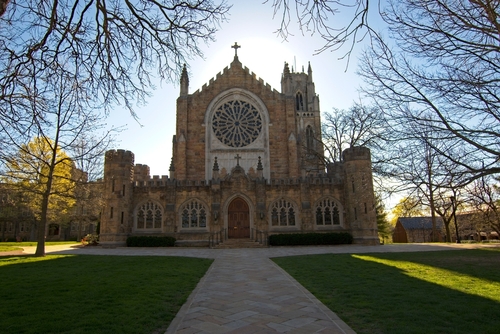
Sewanee revolves around the University of the South. Academic traditions shape both social life and expectations. Many residents are tied to the institution for decades. Outsiders without university ties stand out.
Newcomers may find social circles tightly organized. Events often center on long-standing academic or religious groups. Breaking in requires consistency and visibility. Even then, acceptance can be partial.
14. Whitefish, Montana

Whitefish’s growth has tested its social fabric. Longtime residents remember when the town was much smaller. Rapid development brought cultural and economic tension. Locals often protect their sense of place.
New arrivals can feel welcomed but not embraced. Trust grows through shared work and winters endured. Social status often comes from longevity, not wealth. Time matters more than enthusiasm.
15. Mackinac Island, Michigan
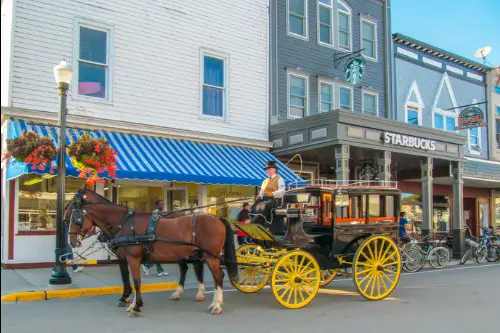
Mackinac Island’s isolation shapes its social life. Many families have lived and worked there for generations. Seasonal tourism dominates, reinforcing insider distinctions. Who stays year-round matters deeply.
Newcomers often feel perpetually temporary. Social circles tend to stay small and familiar. Trust is built through repeated seasons and reliability. Even then, full acceptance isn’t guaranteed.
This post 15 American Towns Where Fitting In Takes Years—If It Happens at All was first published on American Charm.