1. Napa Valley, California
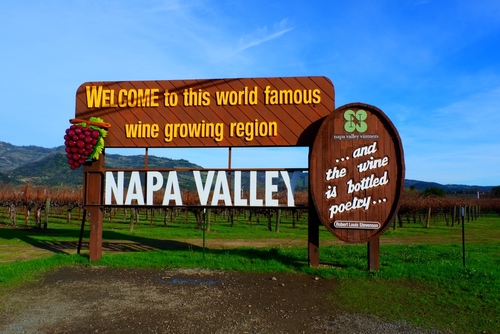
Napa Valley is sold as a serene wine-country dream, complete with rolling vineyards and slow afternoons. What’s less advertised is that housing costs are extremely high relative to local wages. Many service workers commute long distances because living nearby is unaffordable. Seasonal tourism also means that the town can feel overcrowded for much of the year.
There are also environmental realities that make full-time life complicated. Wildfire risk has increased in recent years, bringing evacuations and smoke. Insurance costs can be high or hard to secure in certain areas. It’s beautiful, but beauty alone doesn’t make everyday life easy.
2. Hollywood, California

Hollywood still gets framed as the place where dreams magically come true, thanks to a century of movies about making it big. The reality is that much of the film and TV work has decentralized, and many industry jobs are freelance and unstable. Rents are high even by Los Angeles standards, and everyday life often involves traffic, noise, and crowded streets. For a lot of people who arrive starry-eyed, the gap between the fantasy and the day-to-day grind is jarring.
Living there also means dealing with issues that don’t show up in red-carpet montages. Homelessness is highly visible, and city services are stretched thin in certain neighborhoods. Parking, public transit reliability, and basic errands can become daily stressors. Plenty of people still try Hollywood, but many don’t stay long once the romance wears off.
3. Las Vegas Strip Area, Nevada
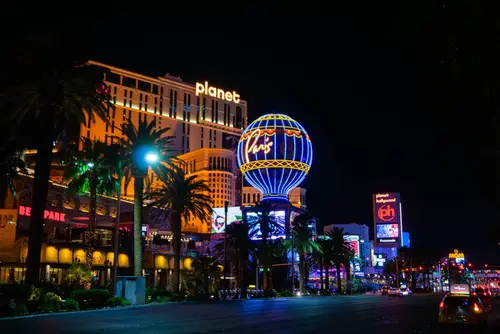
Las Vegas is endlessly romanticized as a neon playground where anything can happen. Visiting is fun, but living near the Strip means extreme heat that regularly tops 110 degrees in summer. The local economy is heavily dependent on tourism, which can make employment feel precarious during downturns. Add in concerns about long-term water supply in the desert, and the shine dulls quickly.
Day-to-day life is also less glamorous than the postcards suggest. Many neighborhoods near tourist zones deal with congestion, noise, and constant construction. Schools and healthcare access can vary widely depending on where you land. For most people, Vegas works better as a weekend escape than a permanent address.
4. Jackson Hole, Wyoming
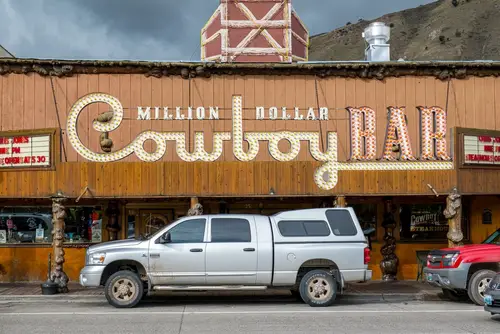
Jackson Hole is often portrayed as a rustic paradise where the Tetons are your backyard. The problem is that demand from wealthy second-home owners has pushed housing costs far beyond what most local workers can afford. Even middle-class professionals struggle to find long-term rentals. Many employees commute from other towns, sometimes over mountain passes.
Winters are long and harsh, which appeals to some but wears on others. Job options outside tourism, hospitality, and a few specialized fields are limited. Groceries, childcare, and services can cost more due to remoteness. The scenery is stunning, but the lifestyle is tough to sustain.
5. Key West, Florida
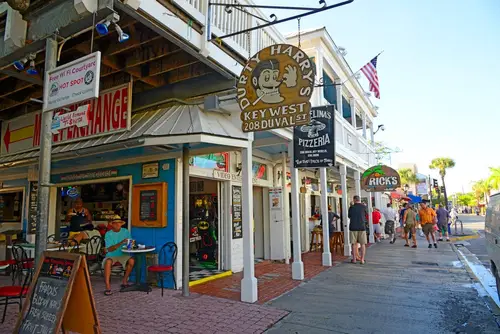
Key West gets romanticized as a carefree island escape with pastel houses and ocean breezes. Living there means dealing with frequent hurricanes and tropical storms. Homeowners face rising insurance costs and strict building codes. The island’s isolation also makes everyday goods more expensive.
The job market is heavily tourism-focused, which can be unstable. Space is limited, so housing is both scarce and pricey. Healthcare options are more limited than on the mainland. For many people, the charm fades when reality sets in.
6. Aspen, Colorado
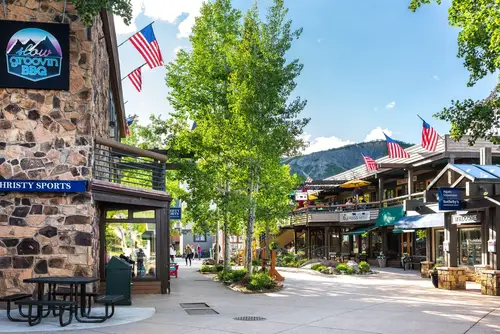
Aspen has a reputation as a chic mountain town where nature and luxury coexist. What people don’t always realize is how extreme the housing shortage is for regular workers. Many people employed in Aspen live far away and commute daily. Even rentals, when available, can cost far more than salaries support.
The cost of living extends beyond housing. Food, childcare, and services are all priced for a wealthy clientele. Winters are long, and the town can feel very small once the novelty wears off. It’s idyllic to visit, but hard to call home.
7. Palm Springs, California
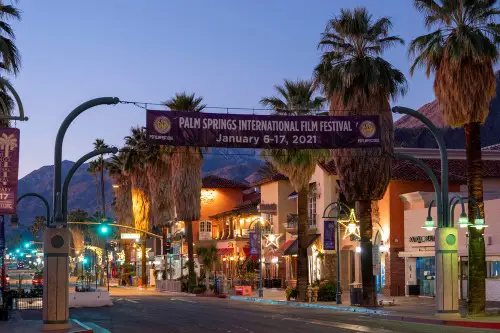
Palm Springs is marketed as a sunny oasis with mid-century flair and poolside living. Summers are brutally hot, often exceeding 110 degrees for days at a time. Outdoor life largely shuts down for months each year. Air conditioning becomes a non-negotiable expense.
The population also fluctuates seasonally, which can make the town feel empty at times. Many homes are second residences rather than full-time communities. Employment options outside hospitality and healthcare are limited. For a lot of people, it works better as a winter retreat than a year-round home.
8. French Quarter, New Orleans, Louisiana
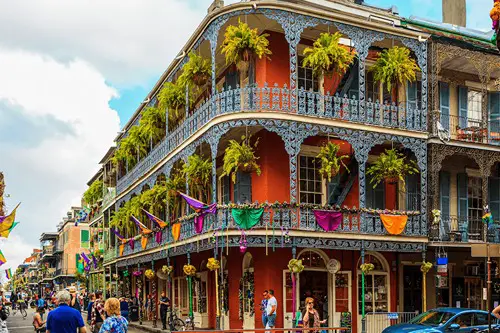
The French Quarter is one of the most romanticized neighborhoods in the country. Living there means constant noise from tourists, bars, and street activity. Flooding and infrastructure issues are an ongoing concern in the city. Insurance costs can be high due to hurricane risk.
Daily life can feel like living inside a festival that never ends. Basic errands are harder when streets are crowded and parking is scarce. Many longtime residents choose quieter neighborhoods instead. The magic is real, but so are the trade-offs.
9. Sedona, Arizona
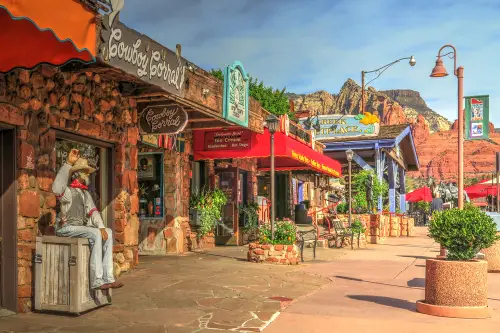
Sedona is often portrayed as a spiritual haven surrounded by red rocks. Tourism is the backbone of the local economy, which brings traffic and crowds to a small town. Housing costs have risen sharply as more people buy vacation homes. Water scarcity is an ongoing concern in the region.
Job opportunities outside tourism, retail, and wellness are limited. Services like specialized healthcare often require travel to larger cities. The town can feel overwhelmed during peak seasons. It’s peaceful to visit, but complicated to settle into.
10. The Hamptons, New York
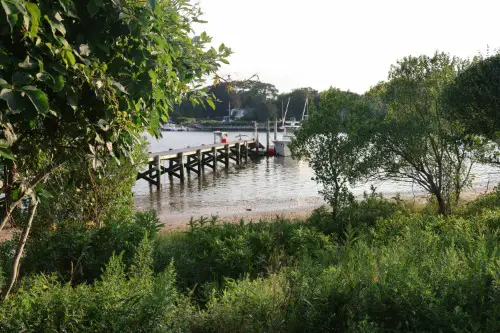
The Hamptons are romanticized as the ultimate coastal escape for summer living. Year-round residents deal with an economy that revolves around a short tourist season. Housing prices are extremely high, even for modest homes. Many properties sit empty for much of the year.
In the off-season, life can feel isolated and quiet. Jobs outside hospitality and real estate are limited. Everyday amenities can be spread out and inconvenient. For most people, it’s a vacation fantasy rather than a practical place to live.
11. Times Square, New York City

Times Square is often imagined as the thrilling heart of New York City. Living there means constant crowds, bright lights, and noise at all hours. Apartments are rare and expensive for what you get. Privacy is hard to come by in such a heavily trafficked area.
Even simple tasks like grocery shopping can be inconvenient. Many longtime New Yorkers actively avoid the area altogether. It’s designed for visitors, not residents. The excitement quickly turns into exhaustion for those who try to live there.
12. Savannah Historic District, Georgia
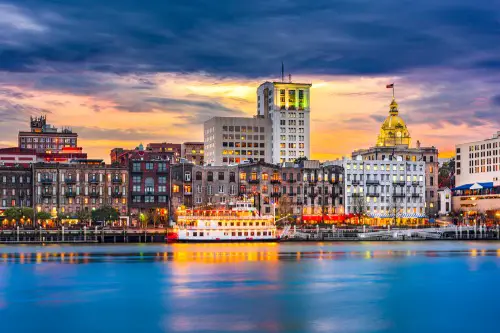
Savannah’s historic district is romanticized for its charm and Southern atmosphere. Flooding is a growing concern due to low elevation and heavy rains. Tourism brings crowds that can overwhelm local infrastructure. Housing prices have risen as short-term rentals increase.
Living there often means sharing your neighborhood with constant foot traffic. Parking and basic services can be challenging. Job options outside tourism and healthcare are limited. The beauty is undeniable, but it comes with complications.
13. Taos, New Mexico
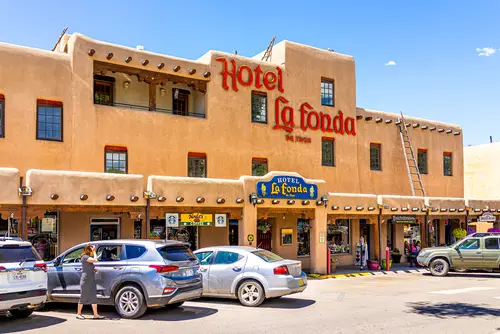
Taos is often painted as an artsy, soulful desert town. The reality is that it’s relatively remote, with limited job opportunities. Healthcare and specialized services often require long drives. Internet and infrastructure can be inconsistent in some areas.
Winters are colder than many expect, and the cost of heating can be high. Housing availability is limited, especially for rentals. The community is small, which isn’t for everyone. It’s inspiring, but not easy.
14. Marfa, Texas
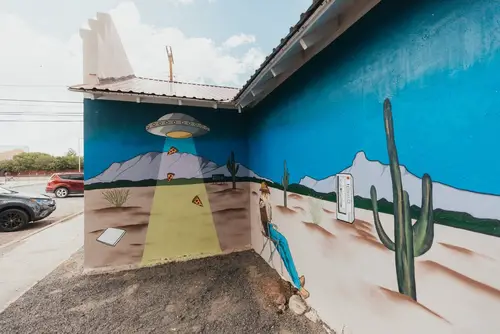
Marfa has been romanticized as a minimalist art mecca in the desert. Its remoteness is part of the appeal, but also a major challenge. There are very limited employment options and services. Groceries, healthcare, and flights require long drives.
Housing is scarce and surprisingly expensive given the size of the town. The social scene is small, which can feel isolating. Infrastructure is basic compared to larger cities. Many people love visiting, but few stay permanently.
15. Gatlinburg, Tennessee
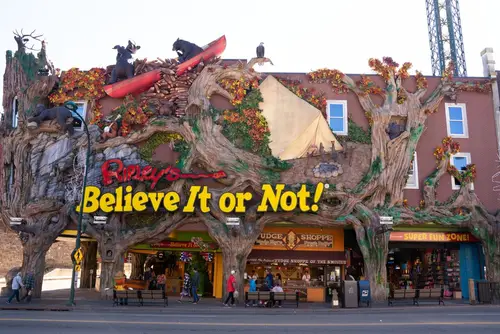
Gatlinburg is often seen as a cozy gateway to the Smoky Mountains. The town is heavily dependent on tourism, which creates seasonal swings in employment. Traffic congestion can be intense despite the town’s small size. Wildfire risk has become a serious concern in recent years.
Local services are stretched during peak tourist seasons. Housing options for full-time residents are limited. Many jobs are low-wage and service-oriented. It’s charming for a trip, but challenging for long-term stability.
16. Deadwood, South Dakota
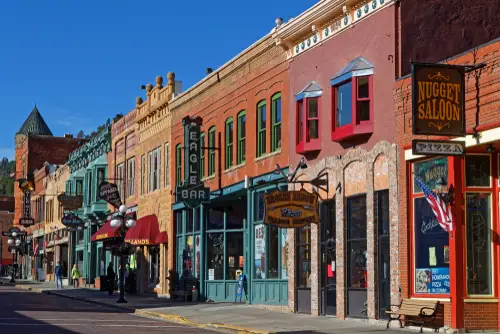
Deadwood is romanticized for its Old West history and frontier spirit. In reality, it’s a small town with limited job opportunities outside tourism and gaming. Winters are long, cold, and isolating for many people. Housing options are limited and can be outdated.
The population is small, which affects access to healthcare and amenities. Entertainment and dining choices are few once you’ve been there a while. Economic growth is slow and narrowly focused. It’s rich in history, but hard to build a modern life there.
This post America Keeps Romanticizing These Places—But Nobody Wants to Live There was first published on American Charm.