
1. San Francisco Bay Area

The Bay Area was built around high-paying office jobs clustered in a small number of cities. Hybrid work disrupted that setup while housing prices and daily costs stayed stubbornly high. Many workers now commute long distances only part of the week, which turns flexibility into logistical whiplash. When layoffs hit tech, the stress of that imbalance became even more visible.
Downtown San Francisco and San Jose depend heavily on weekday office traffic. Fewer commuters mean struggling transit systems and shuttered small businesses. Workers feel the ripple effects through reduced services and higher prices. It’s one of the clearest examples of how modern work changes can destabilize a local economy fast.
2. New York City

New York’s work culture has always revolved around being physically present. Hybrid schedules broke that expectation without lowering rents, childcare costs, or transit fares. Many workers still pay a premium to live near Manhattan while going in fewer days. The result is a feeling of paying full price for partial access.
Return-to-office mandates are especially strong in finance, law, and media. Packed trains and long commutes returned quickly, often without added flexibility. Service workers are also affected by inconsistent office traffic. The city shows how half-remote work can strain both workers and infrastructure.
3. Los Angeles

Los Angeles already struggled with long commutes before remote work arrived. Working from home briefly eased traffic and improved daily life for many employees. Hybrid mandates brought congestion back, but concentrated into fewer, more painful commute days. That has made work feel more exhausting than before.
The city’s sprawl means flexibility isn’t evenly distributed. White-collar workers gain some control over their schedules, while others don’t. Service workers still face long drives tied to office demand. Los Angeles highlights how geography can magnify work-life stress.
4. Austin
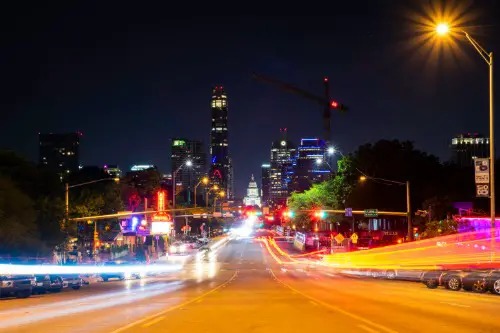
Austin grew rapidly by marketing itself as a flexible, tech-friendly city. Remote work helped fuel that growth, driving housing prices up quickly. When companies started calling workers back to offices, the city’s affordability advantage weakened. Many newcomers now face higher costs without the flexibility they expected.
Traffic congestion has increased as hybrid schedules overlap. Infrastructure has struggled to keep up with population growth. Workers feel squeezed between long commutes and rising rents. Austin shows how fast growth tied to new work trends can backfire.
5. Seattle

Seattle’s economy is deeply tied to large tech employers. Hybrid work shifted how and when people move around the city. Workers living far from downtown now commute fewer days, but those days are longer and more stressful. Housing costs remain high regardless of office attendance.
Downtown Seattle has seen reduced foot traffic. That hurts small businesses and transit funding. Workers notice fewer amenities and services near offices. The city reflects how tech-driven work changes affect entire urban ecosystems.
6. Washington, D.C.

Washington, D.C. relies heavily on government and contractor office work. Telework expanded rapidly, then partially rolled back. Many federal workers now face inconsistent policies across agencies. That uncertainty adds stress to daily planning.
The city’s downtown economy depends on steady office presence. Reduced commuter traffic has hurt restaurants and transit revenue. Workers feel pressure to return even when productivity isn’t affected. D.C. shows how policy-driven work shifts can feel chaotic on the ground.
7. Chicago

Chicago has long balanced affordability with big-city job access. Hybrid work disrupted that balance by weakening downtown’s draw. Workers living in outer neighborhoods or suburbs commute less often but with fewer transit options. The savings don’t always offset the inconvenience.
Downtown businesses depend on consistent weekday crowds. Irregular office attendance has led to closures and reduced services. Workers notice quieter streets and fewer lunch options. Chicago illustrates how mid-sized metros can feel the strain without the cushion of tech salaries.
8. Denver
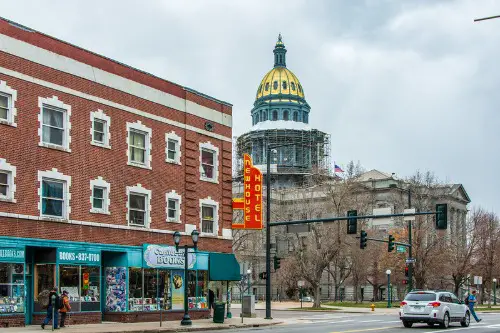
Denver attracted remote workers with outdoor access and a growing job market. Housing costs rose quickly as demand surged. When companies began pulling workers back into offices, flexibility narrowed. Many workers now feel locked into expensive housing with longer commutes.
Traffic congestion has increased noticeably. Public transit struggles to meet changing commute patterns. Workers feel the city getting harder to navigate. Denver shows how lifestyle cities can overheat under new work dynamics.
9. Miami
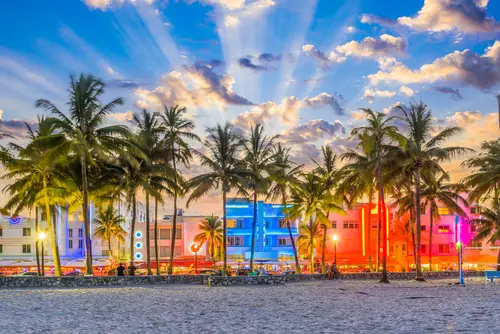
Miami saw an influx of remote workers during the pandemic. That drove up rents and home prices rapidly. As remote work stabilized, wages didn’t always keep pace with costs. Workers now face affordability challenges without guaranteed flexibility.
Office demand has returned unevenly across industries. Traffic congestion has worsened as more people commute again. Service workers feel squeezed by higher living costs. Miami demonstrates how sudden popularity tied to remote work can strain a city fast.
10. Boston
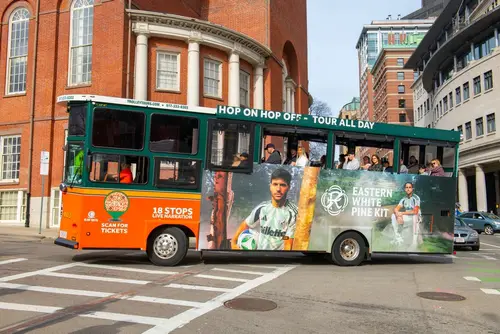
Boston’s economy depends on education, healthcare, and knowledge work. Hybrid schedules changed how people move through the city. Workers still pay high rents to live near job centers they visit less often. That mismatch makes work feel less efficient.
Transit systems rely on predictable commuter patterns. Reduced ridership has led to service cuts and delays. Workers feel those disruptions acutely on in-office days. Boston shows how older infrastructure struggles with new work rhythms.
11. Atlanta

Atlanta’s sprawl makes commuting a major part of work life. Remote work briefly reduced traffic congestion. Hybrid schedules brought it back in bursts rather than evenly. That unpredictability increases stress for workers.
Public transit serves a limited portion of the metro area. Many workers rely on cars regardless of schedule. Rising housing costs compound the pressure. Atlanta highlights how car-dependent cities feel work changes differently.
12. Phoenix

Phoenix grew rapidly as remote work expanded. Housing prices climbed as new residents arrived. When offices reopened, long commutes returned across a sprawling metro area. Flexibility shrank while costs stayed high.
Extreme heat adds another layer of stress to commuting. Infrastructure expansion has struggled to keep up. Workers feel the city becoming harder to manage daily. Phoenix shows how growth tied to new work trends can expose weaknesses.
13. Dallas

Dallas benefits from a business-friendly environment and corporate relocations. Hybrid work altered commuting patterns across a large metro area. Workers often drive long distances on limited schedules. That concentrates traffic and fatigue.
Housing remains more affordable than coastal cities, but costs are rising. Transit options are limited for many workers. Flexibility feels constrained by geography. Dallas reflects how work-life stress can grow even in lower-cost regions.
14. Nashville
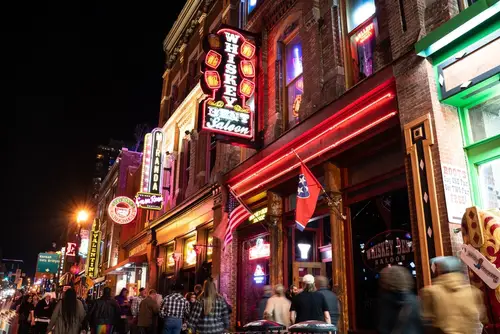
Nashville attracted remote workers with culture and relative affordability. Rapid growth pushed housing prices up quickly. As offices reopened, many workers faced longer commutes than expected. The city’s infrastructure struggled to adapt.
Traffic congestion has worsened significantly. Service workers face higher living costs tied to white-collar migration. Workers feel the strain across income levels. Nashville shows how work-life disruption can ripple through an entire local economy.
This post The New American Work Life Is Breaking These Places First was first published on American Charm.

