
1. Omak, Washington
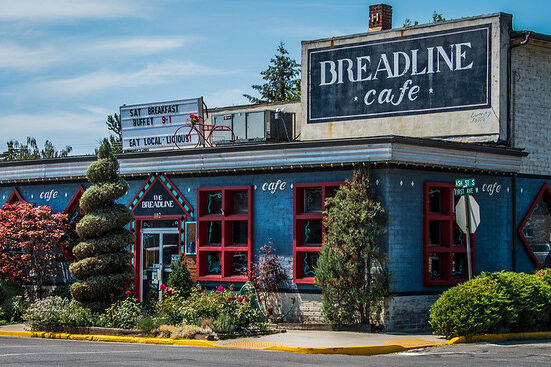
Omak is home to the Omak Stampede and its most infamous event, the Suicide Race. Riders on horseback charge down a steep, rocky hill into a river before racing back up the other side. The race has been held annually since 1936 and is widely considered dangerous. Outsiders often find it hard to watch without wincing.
Locals defend the event as a test of horsemanship and toughness rooted in regional ranching culture. Supporters see tradition, while critics see unnecessary risk. The crowd’s cheers can clash with a visitor’s anxiety. That tension is exactly why this tradition makes outsiders uncomfortable.
2. Punxsutawney, Pennsylvania
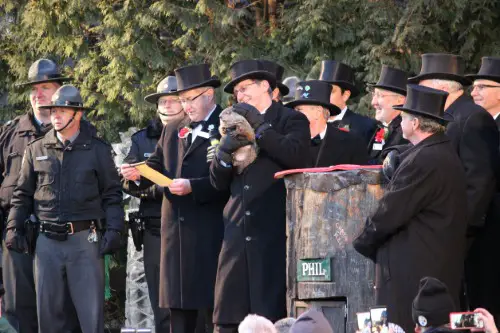
Every February, this small town hands the fate of winter to a groundhog named Punxsutawney Phil. Locals gather before dawn at Gobbler’s Knob while members of the Inner Circle, dressed in tuxedos and top hats, conduct the ritual. To outsiders, the seriousness with which everyone treats a rodent’s weather prediction can feel unsettling. The town earns its spot because Groundhog Day has been a defining tradition there since the late 1800s.
The ceremony includes scripted jokes, mock translations of “Groundhogese,” and total commitment from the crowd. Thousands of visitors watch locals cheer no matter what Phil predicts. The discomfort comes from realizing this isn’t tongue-in-cheek for the people who live there. In Punxsutawney, belief is part of the performance.
3. Key West, Florida
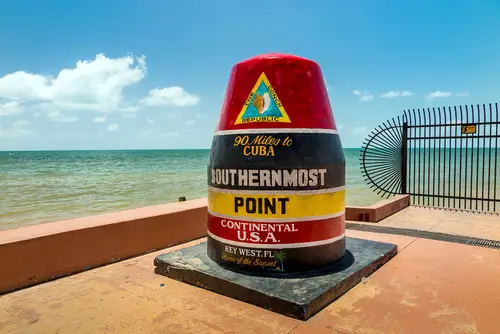
Key West hosts Fantasy Fest, a multi-day celebration known for body paint, elaborate costumes, and adult-themed parades. The event openly embraces nudity and sexual expression in public spaces. Visitors expecting a typical beach festival can be caught off guard. The town makes the list because this openness is central to its identity.
Locals treat Fantasy Fest as a creative outlet and major economic driver. Residents and repeat visitors participate enthusiastically rather than cautiously. Outsiders may feel awkward simply walking down the street during the festivities. In Key West, discomfort is brushed off as a personal problem.
4. Centralia, Pennsylvania
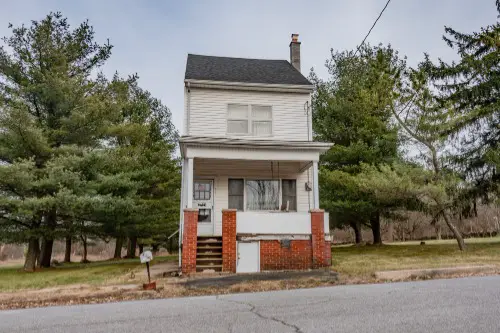
Centralia is nearly abandoned, but it still has residents and a tradition of staying put despite an underground coal fire burning since 1962. The fire has caused sinkholes, toxic gases, and the demolition of most homes. Outsiders find it unsettling that anyone would remain. The town belongs here because persistence itself has become the tradition.
Those who stayed see themselves as guardians of their home rather than victims of circumstance. Visitors often describe the place as eerie and post-apocalyptic. The idea of normal life continuing above a burning mine feels wrong to many. For locals, leaving would feel worse.
5. Whittier, Alaska
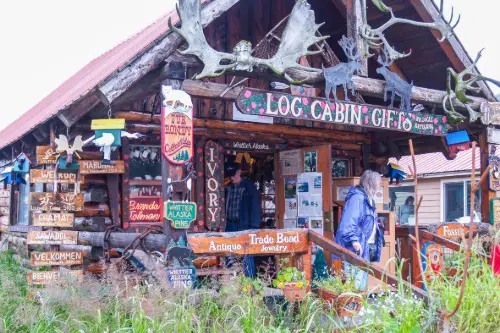
Nearly the entire population of Whittier lives in one building, the Begich Towers. The structure houses apartments, a school, a grocery store, and even a post office. Outsiders are often unnerved by how little residents need to go outside. The town is included because this arrangement is intentional and long-standing.
Harsh weather and isolation made the all-in-one building practical. Residents see it as convenient and community-focused. Visitors may feel claustrophobic just imagining it. In Whittier, togetherness outweighs privacy concerns.
6. New Orleans, Louisiana

Second lines are neighborhood parades tied to jazz funerals and social aid clubs. They involve dancing, live music, and celebratory crowds following a brass band. Outsiders can feel confused or uncomfortable celebrating death so openly. The tradition earns its place because it flips common expectations of mourning.
Locals see second lines as honoring life and community rather than focusing on loss. Participation from strangers is welcomed, not discouraged. Visitors unsure how to behave may feel out of step. In New Orleans, joy and grief coexist loudly.
7. Lily Dale, New York
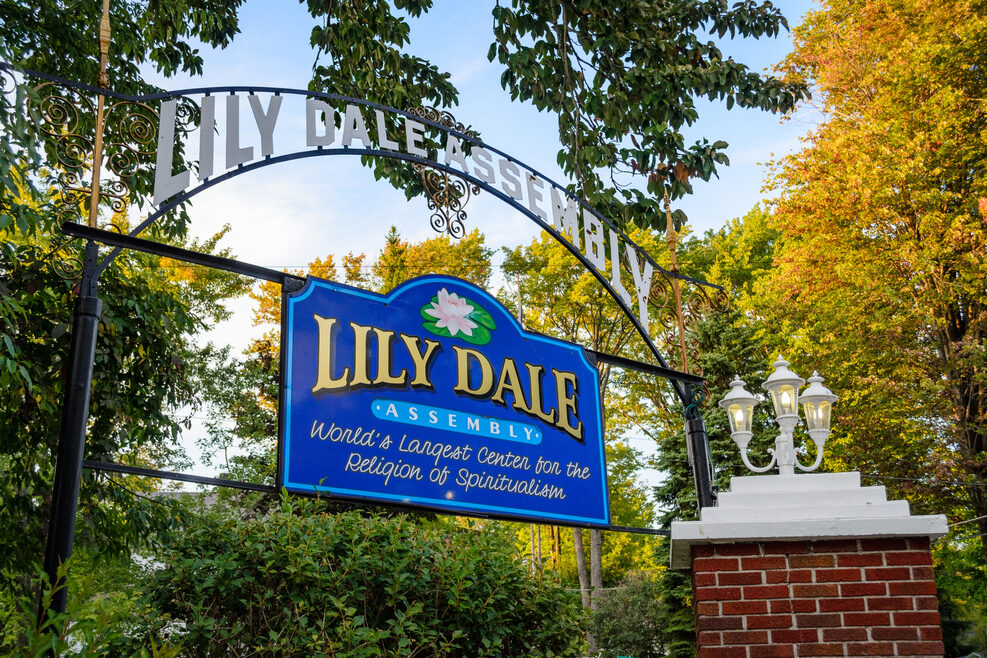
Lily Dale is a small community dedicated to Spiritualism, where residents believe they can communicate with the dead. Mediumship demonstrations and séances are regular events. Outsiders may feel skeptical or uneasy about how normalized this is. The town makes the list because these beliefs shape daily life.
Residents treat psychic readings as routine, not entertainment. Visitors are often surprised by how casually spirits are discussed. The discomfort often comes from questioning whether belief is shared or expected. In Lily Dale, doubt is the odd one out.
8. Slab City, California
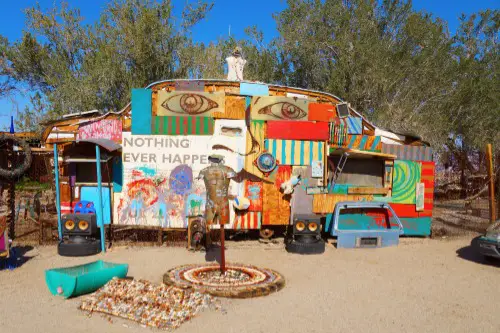
Slab City sits on an abandoned military base and has no official utilities or local government. Residents live off-grid in makeshift homes and trailers. Outsiders are often unsettled by the lack of rules or infrastructure. The town is included because this lawless freedom is intentional.
Locals prize autonomy and reject conventional systems. Visitors may struggle with the visible poverty and self-policing culture. There’s no clear line between art, survival, and protest. For many outsiders, that ambiguity is uncomfortable.
9. Hell, Michigan
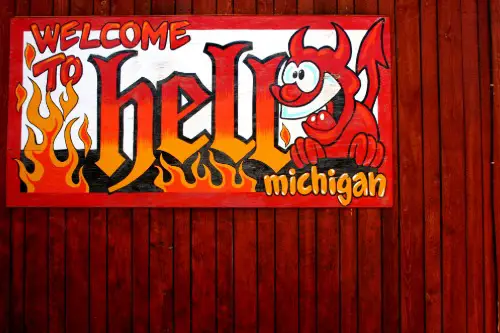
Hell leans heavily into its name, offering themed souvenirs and tongue-in-cheek experiences. The town embraces jokes about damnation, fire, and eternal suffering. Outsiders can find the enthusiasm for hellish branding strange. It earns its spot because residents fully commit to the theme.
Locals use humor as a way to attract tourists and create identity. Visitors may not know whether to laugh or feel awkward. The jokes never fully break character. In Hell, irony is permanent.
10. Roswell, New Mexico
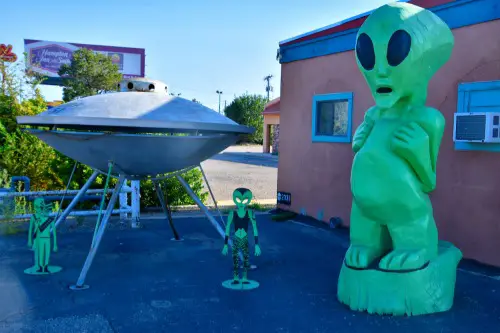
Roswell’s identity revolves around a 1947 incident many believe involved extraterrestrial life. Alien imagery is everywhere, from streetlights to festivals. Outsiders often feel overwhelmed by how deeply the belief is embedded. The town is included because the mythology shapes civic pride.
Residents embrace the mystery regardless of personal belief. Museums, events, and businesses all reinforce the narrative. Visitors expecting skepticism may be surprised by the sincerity. In Roswell, questioning ruins the fun.
11. Stull, Kansas
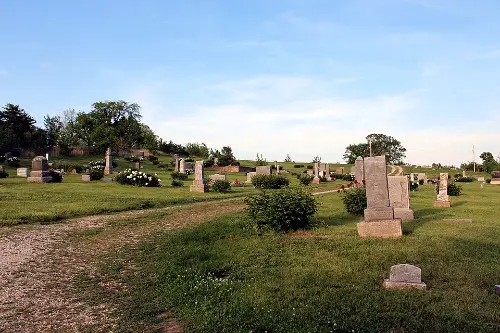
Stull is known for its cemetery, rumored to be one of the “gates to hell.” The legends involve eerie sightings and supernatural claims. Outsiders often feel uneasy visiting even during the day. The town makes the list because the folklore persists despite official denials.
Locals live alongside the rumors without much comment. Visitors bring fear and fascination that residents no longer feel. The disconnect can be unsettling. In Stull, myth outweighs reality for outsiders.
12. Leavenworth, Washington
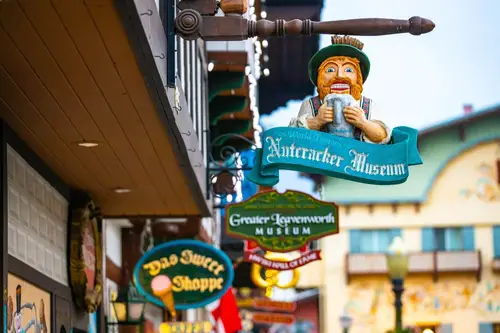
Leavenworth reinvented itself as a Bavarian-style village in the 1960s. Buildings follow strict alpine design rules, and festivals celebrate German traditions. Outsiders may feel like they stepped into a themed attraction rather than a real town. It’s included because the transformation was deliberate and total.
Residents maintain the aesthetic year-round, not just for tourists. The commitment can feel excessive to first-time visitors. There’s little visual escape from the theme. In Leavenworth, immersion is mandatory.
13. Salem, Massachusetts
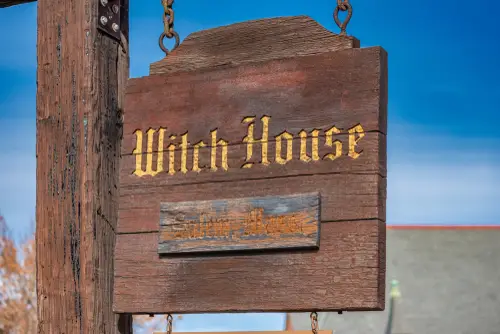
Salem fully embraces its association with the 1692 witch trials. The town hosts witch-themed shops, tours, and festivals year-round. Outsiders sometimes feel uneasy seeing tragedy turned into tourism. The town earns its place because it actively leans into this dark history.
Locals view it as education, remembrance, and economic survival. Visitors may struggle with the blend of fun and historical trauma. The line between honoring and commercializing the past can feel thin. In Salem, discomfort is part of the experience.
This post 13 American Towns With Traditions That Make Outsiders Uncomfortable was first published on American Charm.

