
1. Green Bank, West Virginia
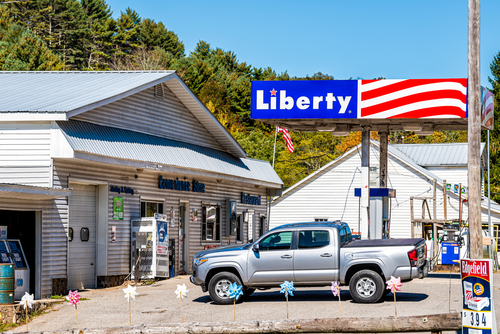
Green Bank exists inside the National Radio Quiet Zone, which was created to protect sensitive radio astronomy research. Cell towers, Wi-Fi routers, and many wireless devices are restricted or outright banned. This isn’t a town stuck in the past by accident, it’s one frozen intentionally for scientific reasons. The Green Bank Telescope depends on this quiet to function properly.
Daily life here requires real adjustments. Residents rely on landlines, wired internet, and in-person communication. Some people move to Green Bank specifically to escape modern wireless technology. Modernization isn’t resisted out of fear, but out of necessity.
2. Mackinac Island, Michigan
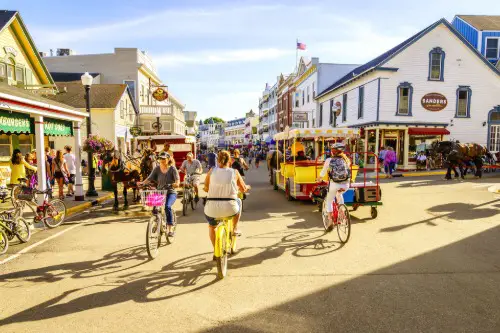
Mackinac Island famously banned automobiles in 1898, and the rule still stands today. Transportation happens by bicycle, horse-drawn carriage, or on foot. The town believes cars would disrupt both safety and historic character. This isn’t symbolic resistance, it’s enforced by local ordinance.
That choice has shaped the entire rhythm of life on the island. Deliveries move slower and logistics are more complicated. The island leans into this limitation as part of its identity. Modern convenience was deliberately sacrificed to preserve a specific way of living.
3. Taos Pueblo, New Mexico
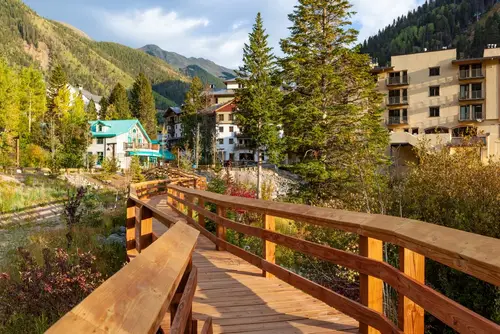
Taos Pueblo has been continuously inhabited for over 1,000 years, and that history drives its resistance to modernization. Within the old village, electricity and running water are still largely absent. Tribal leaders have chosen to preserve traditional construction and living practices. The refusal is cultural, not economic.
Modern utilities are available outside the historic core. Residents make a conscious decision about how closely they follow ancestral norms. Preservation here is about continuity, not tourism alone. Modernization is carefully filtered rather than embraced wholesale.
4. Intercourse, Pennsylvania
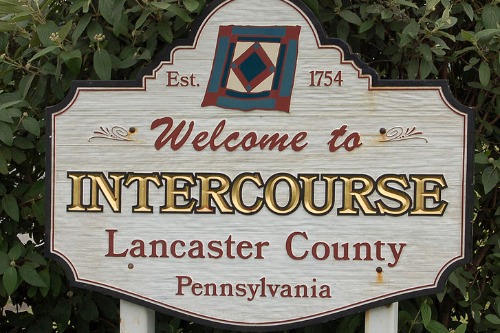
Intercourse sits in the heart of Amish country, where modernization is governed by religious Ordnung rules. Many residents reject cars, public power lines, and modern machinery. The town itself reflects those choices through slower infrastructure development. This isn’t accidental stagnation, it’s spiritual discipline.
Technology is evaluated based on how it affects community cohesion. Some modern tools are allowed, others are not, depending on the church district. Outsiders often mistake this for simplicity or poverty. In reality, it’s a structured and intentional resistance to change.
5. Slab City, California
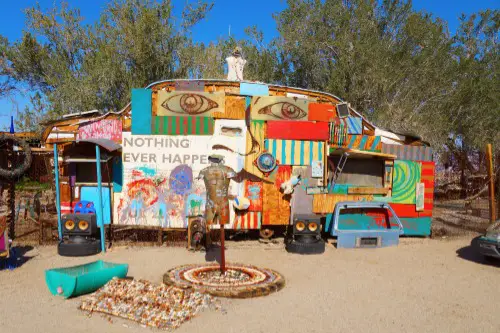
Slab City is an off-grid settlement built on an abandoned military base in the desert. There is no municipal water, electricity, sewage system, or law enforcement presence. Many residents live there specifically to avoid modern systems. Refusing modernization is the entire point.
Life here requires self-reliance and improvisation. Solar panels and DIY solutions replace traditional infrastructure. Attempts to formalize or regulate the area are often met with pushback. Slab City remains deliberately unfinished.
6. Bisbee, Arizona
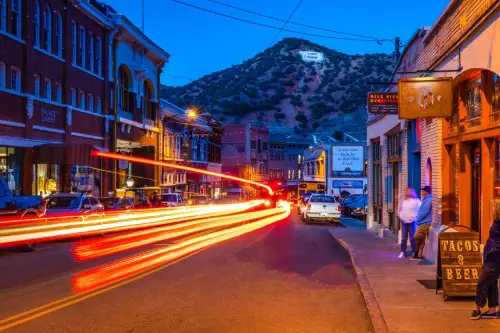
Bisbee enforces strict historic preservation rules that limit new construction and large-scale development. Chain stores and modern architectural styles are heavily discouraged. The town wants to maintain its mining-era appearance and small-town feel. Modernization is filtered through preservation boards and zoning laws.
This has real economic consequences. Some businesses avoid the town due to restrictions. Locals see this as a worthwhile tradeoff. The town would rather stay visually authentic than commercially optimized.
7. Jerome, Arizona
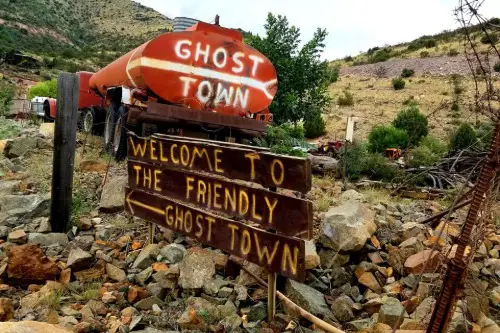
Jerome transformed from a mining town into an arts-focused historic community. Modern development is tightly controlled to protect its hillside structures and historic layout. Infrastructure upgrades often face scrutiny or delays. The town prioritizes character over convenience.
Living in Jerome means accepting limited space and aging systems. Narrow roads and old buildings define daily life. Locals see modernization as a threat to what makes the town special. Progress is allowed only when it blends in.
8. Tangier Island, Virginia
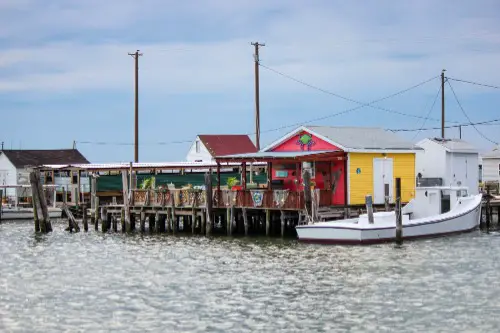
Tangier Island has long resisted large-scale modernization despite its vulnerability to sea level rise. Proposals for bridges, mass tourism, and major infrastructure changes have often been rejected. Residents want to preserve their isolated culture and dialect. Modernization is seen as a risk to identity.
Fishing still anchors the local economy. Life moves at a slower pace because of the island’s isolation. While erosion threatens the town’s future, residents remain cautious about change. Preservation often outweighs practicality.
9. Monowi, Nebraska
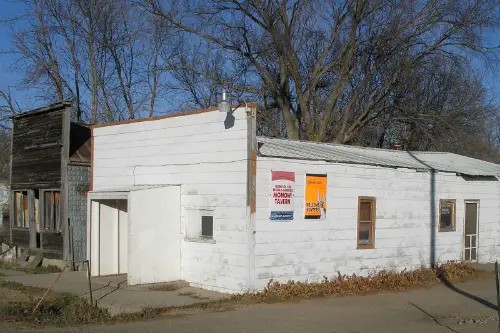
Monowi officially has a population of one, and that reality shapes its resistance to modernization. There is no incentive to build new infrastructure for a single resident. The town remains incorporated mostly for tradition and identity. Modern upgrades simply don’t make sense here.
Elsie Eiler, the town’s sole resident, maintains its bar and library herself. She even issues her own liquor license and pays taxes to herself. Monowi persists as it is because someone wants it to. Modernization isn’t refused, it’s irrelevant.
10. Bodie, California
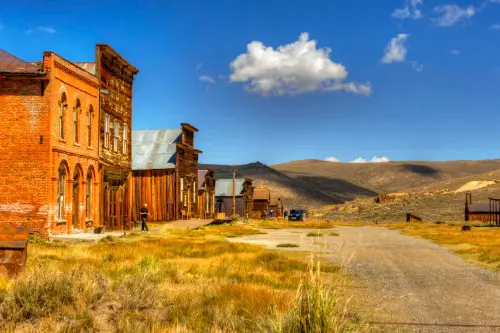
Bodie is preserved as a state historic park in a condition known as “arrested decay.” Modern utilities and renovations are intentionally avoided. Buildings are stabilized but not restored to modern standards. The town is meant to look frozen in time.
Electricity, plumbing, and paved roads were never added. Visitors see Bodie as it was left, not as it could be updated. Preservation rules prevent modernization entirely. The refusal is written into state policy.
11. St. Augustine, Florida
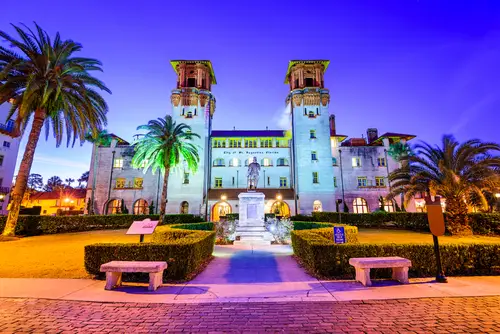
St. Augustine’s historic district enforces strict rules on building materials, signage, and construction methods. Modern designs are often rejected outright. The city wants its colonial-era appearance to dominate the landscape. Progress is tightly regulated.
These rules can slow development and frustrate property owners. However, they also protect the city’s historic identity. Modernization happens quietly or not at all. The past is given priority over efficiency.
12. Marfa, Texas
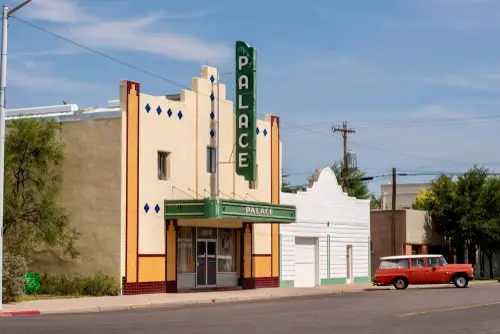
Marfa limits large-scale commercial development through zoning and community pressure. Big-box stores and sprawling subdivisions face resistance. The town values its minimalist aesthetic and artistic reputation. Modern growth is treated with skepticism.
Residents worry that unchecked development would erase Marfa’s character. Infrastructure improvements happen slowly and selectively. The town prefers small, intentional changes. Modernization is allowed only when it fits the vision.
13. San Juan Bautista, California
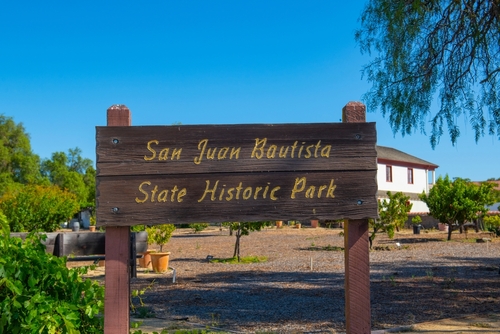
San Juan Bautista places heavy emphasis on preserving its mission-era layout and agricultural surroundings. Urban expansion and modern commercial development are tightly controlled. The town resists becoming a suburban extension of nearby cities. Its rural character is actively defended.
Modern amenities exist, but growth is carefully limited. Residents value open land and historical continuity. Planning decisions often favor restraint over expansion. Progress is measured, not accelerated.
This post The Unsettling Reasons Some Towns Refuse to Modernize was first published on American Charm.

