
1. Retail and Big-Box Stores

When factories closed, retail expanded fast, especially with the rise of big-box chains and suburban shopping centers. These stores absorbed large numbers of workers who already had experience with schedules, supervision, and repetitive tasks. The jobs were plentiful and spread across the country, including in towns that had lost manufacturing plants. It belongs here because retail became one of the most common fallback employers after industrial decline.
The instability shows up in wages and hours rather than job availability. Retail pay has historically lagged behind unionized factory wages, often with weaker benefits. Scheduling is frequently part-time or variable, even for long-term employees. That uncertainty makes it hard for workers to feel economically secure.
2. Food Service and Hospitality

Restaurants, hotels, and fast-food chains grew steadily as manufacturing employment shrank. These jobs required little formal retraining and were widely available across regions. Food service expanded especially quickly because it scales with population growth and consumer spending. It’s included because it absorbed millions of workers who might once have expected factory careers.
Income in hospitality is unpredictable by design. Tips fluctuate, shifts change week to week, and hours drop quickly during downturns. Benefits coverage is limited, especially in small or franchise operations. Even when jobs are easy to find, stability is not.
3. Warehousing and Logistics
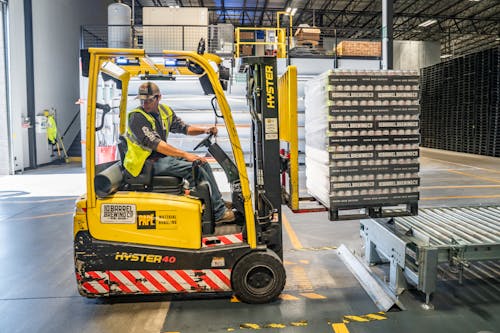
As production moved overseas, distribution became a domestic growth industry. Warehouses and fulfillment centers multiplied near highways, ports, and metro areas. The work often feels factory-like, with physical labor and productivity quotas. It’s included because logistics structurally replaced many manufacturing functions.
The problem is that these jobs are rarely as secure as old factory positions. Most are non-union, with intense performance monitoring and high turnover. Wages are moderate but haven’t consistently kept pace with inflation. Automation also looms as a long-term threat.
4. Healthcare Support Roles

Healthcare expanded as the population aged and medical services became more complex. Jobs like nursing assistants, home health aides, and medical technicians grew nationwide. These roles offered steady demand and clearer career paths than many service jobs. They’re included because healthcare became a major employment engine after manufacturing declined.
Despite demand, many support roles pay modest wages for emotionally and physically demanding work. Staffing shortages can lead to burnout and forced overtime. Training requirements can be costly without guaranteeing higher pay. That mismatch contributes to lingering insecurity.
5. Construction and Specialty Trades

Construction picked up displaced workers, especially during housing booms and infrastructure expansions. Skills like electrical work, plumbing, and carpentry offered tangible outputs similar to factory labor. These jobs paid better than many service roles and often didn’t require college degrees. They’re included because construction became a cyclical substitute for industrial work.
The instability comes from the boom-and-bust nature of building. Work slows sharply during recessions or high interest rate periods. Injuries and long-term physical strain are common. Employment depends heavily on regional economic conditions.
6. Call Centers and Customer Support

As companies centralized services, call centers spread across the U.S., particularly in lower-cost regions. These jobs valued reliability, shift work, and basic technical skills. For many former factory towns, call centers became major employers. They’re included because they replaced production with service-based labor.
The work is tightly scripted and closely monitored. Pay is modest, and burnout rates are high due to emotional stress. Outsourcing and automation constantly threaten job security. That fragility makes the sector feel temporary.
7. Temporary and Staffing Agency Work
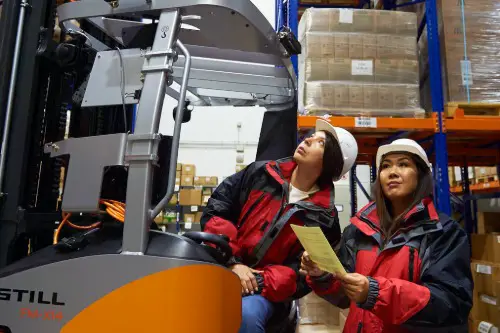
Temp agencies expanded dramatically as companies sought labor flexibility. Former factory workers often cycled through short-term industrial, clerical, or warehouse assignments. This system allowed employers to avoid long-term commitments. It’s included because temp work quietly replaced many permanent factory jobs.
For workers, temporary status means constant uncertainty. Benefits are limited or nonexistent, and hours can disappear without warning. Advancement is rare, even with years of experience. Stability was traded for flexibility, mostly benefiting employers.
8. Gig Economy and Independent Contracting

App-based work like ride-hailing, delivery, and task services grew rapidly in the 2010s. These platforms absorbed workers needing immediate income without long hiring processes. They appealed especially to people displaced later in life. They’re included because gig work filled gaps left by traditional employment.
Earnings depend on demand, algorithms, and personal availability. Workers shoulder costs like fuel, insurance, and maintenance. There are no guarantees of minimum hours or income. The freedom often masks deep financial volatility.
9. Higher Education and Campus Support Jobs

Colleges and universities expanded administrative, maintenance, and service staff as enrollment grew. These roles provided stable schedules and institutional benefits. In some regions, campuses replaced factories as anchor employers. They’re included because education institutions became economic stabilizers in former industrial areas.
However, many of these jobs are lower-paid than they appear. Budget pressures lead to hiring freezes and outsourcing. Adjunct and contract roles have increased relative to permanent positions. Stability varies widely by institution.
10. Government and Public Sector Work

Local, state, and federal government absorbed workers into roles like transportation, utilities, and public services. These jobs often provided pensions and health benefits reminiscent of factory-era employment. They became especially important in regions with limited private-sector growth. They’re included because public employment partially offset private industrial losses.
The challenge is that these jobs are politically and budget dependent. Hiring can stall for years during fiscal stress. Wage growth is often slow compared to private-sector booms. That makes long-term prospects uncertain.
11. Professional Services and Credentialed Work

As manufacturing declined, the economy shifted toward office-based professional roles. Jobs in IT, finance, engineering, and management expanded significantly. These positions replaced factories in terms of income and prestige for some workers. They’re included because they represent where economic power ultimately moved.
The issue is access rather than demand. Most of these jobs require degrees or credentials many displaced workers didn’t have. Student debt became the new barrier to stability. For those shut out, the growth feels irrelevant rather than reassuring.
This post What Replaced Factory Jobs in America—and Why It Still Doesn’t Feel Stable was first published on American Charm.

