1. Vinalhaven, Maine
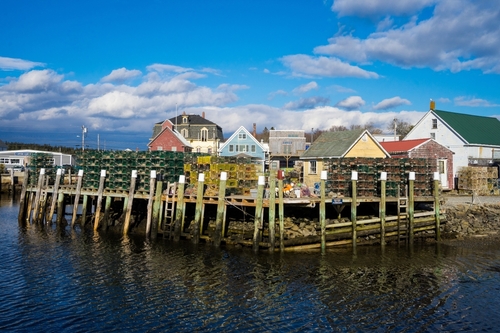
Vinalhaven resisted large-scale tourism development despite its coastal appeal. Locals pushed back against resorts and cruise infrastructure. The economy remained centered on fishing and small-scale industry. Change came slowly, if at all.
The island preserved its working-class character. But younger residents often leave due to limited opportunities. Stability protected culture but restricted growth. Vinalhaven chose continuity over expansion.
2. Pullman, Illinois
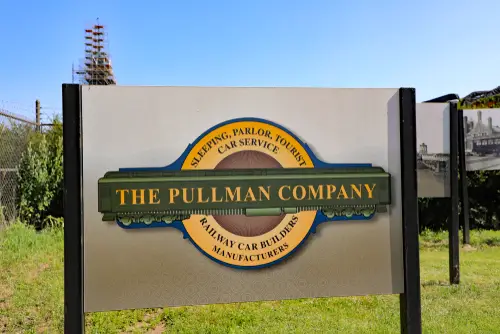
Pullman began as a planned company town in the 1880s, built to house railroad car workers. When urban renewal threatened demolition in the mid-20th century, residents resisted redevelopment plans. They chose preservation over modernization, even as surrounding neighborhoods changed rapidly. That decision kept the town’s historic architecture intact.
The refusal to reinvent Pullman economically slowed growth for decades. But it also laid the groundwork for its designation as a National Monument in 2015. Pullman became valuable not for what it could become, but for what it already was. Its story shows how resistance can eventually turn into recognition.
3. Sedona, Arizona
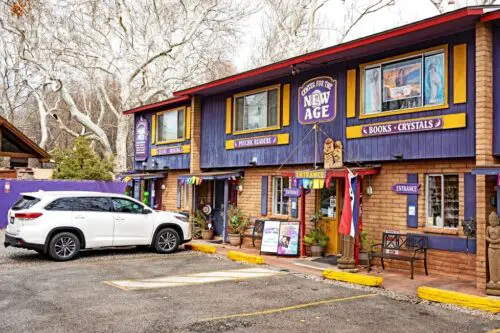
Sedona made a deliberate choice to protect its red rock landscape over unchecked growth. Strict zoning laws limit building heights, colors, and visual impact on the surrounding terrain. Developers were often told no, even when money was on the table. The town chose consistency over expansion.
As tourism exploded, Sedona stayed visually restrained while demand skyrocketed. The result is a town that feels timeless but struggles with traffic and housing shortages. Refusing to change preserved its beauty but created new pressures. Sedona proves that conservation always comes with trade-offs.
4. Aspen, Colorado
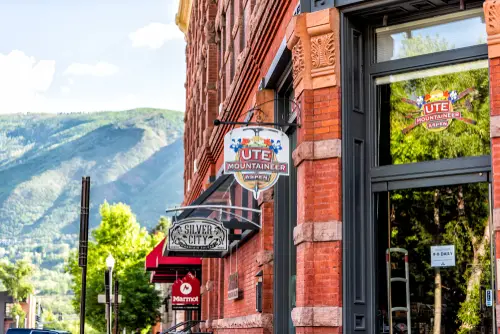
Aspen resisted becoming a generic ski town dominated by chains and big-box stores. Local ordinances and community pushback favored independent businesses and strict zoning rules. That resistance kept downtown compact, historic, and recognizable. The town protected its image fiercely.
However, the cost of preservation was economic accessibility. Housing prices soared, pushing many workers to live far outside town. Aspen stayed charming, but less livable for many. Holding onto identity came at the price of inclusivity.
5. Branson, Missouri
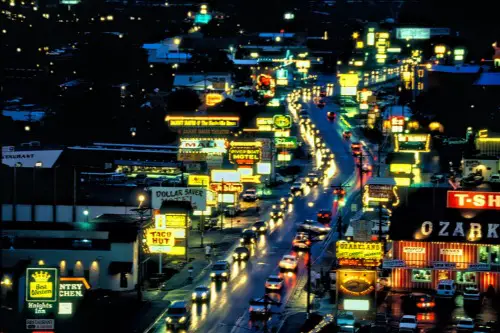
Branson leaned hard into family-friendly entertainment when other tourist towns chased younger, trend-driven crowds. Instead of rebranding, it doubled down on country music shows, comedy theaters, and wholesome attractions. That refusal to pivot made it unfashionable to some. But it also built a loyal visitor base.
While trends shifted nationally, Branson stayed steady. The town didn’t become cooler, but it remained profitable. Its resistance insulated it from rapid boom-and-bust tourism cycles. Branson shows how consistency can outperform reinvention.
6. Mackinac Island, Michigan
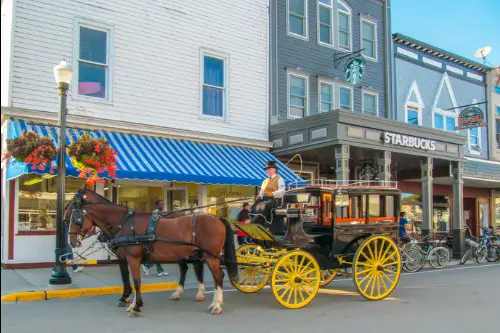
Mackinac Island famously banned cars in 1898 and never reconsidered. Horses, bicycles, and walking remained the only ways to get around. While the rest of the country embraced automobiles, Mackinac refused. The decision slowed modernization but preserved tranquility.
Today, that refusal is the island’s defining feature. Tourism thrives on the novelty and calm created by the ban. Life there is slower, more expensive, and logistically harder. But the town’s commitment to its choice shaped a unique identity.
7. Marfa, Texas
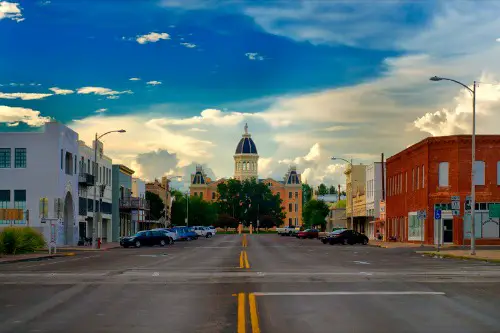
Marfa resisted becoming a traditional tourist town despite growing attention from artists and travelers. Local leaders avoided large-scale commercial development and chain businesses. The town stayed small, sparse, and intentionally understated. Change happened slowly and selectively.
That resistance helped Marfa maintain its minimalist, art-driven culture. It also limited housing and economic opportunities for locals. Marfa became famous precisely because it didn’t chase fame. Its stillness turned into its brand.
8. Carmel-by-the-Sea, California
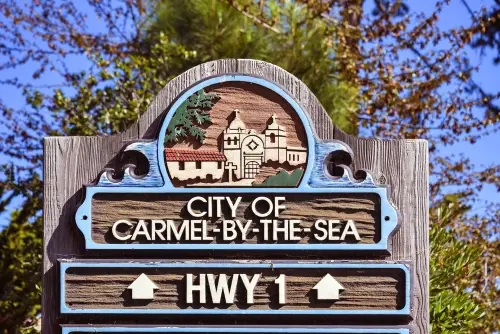
Carmel-by-the-Sea refused streetlights, sidewalks in some areas, and visible house numbers. Zoning laws prioritized storybook architecture over efficiency. The town resisted modern urban planning norms for decades. Convenience took a back seat to aesthetics.
The result is a town that feels frozen in time. Tourism flourished, but daily life became more complicated for residents. Emergency services and navigation are famously tricky. Carmel shows how charm often requires inconvenience.
9. Amish Country, Pennsylvania
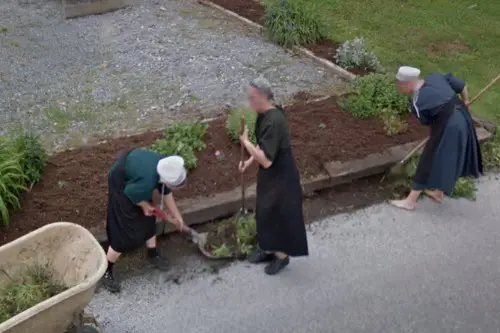
Amish communities resisted modern technology by choice, not accident. Electricity, cars, and internet access were largely rejected. This refusal wasn’t about nostalgia, but religious conviction. Change was seen as a threat to community values.
The towns remain economically stable through farming and tourism. Visitors are drawn precisely because life looks different there. Resistance preserved culture, but required constant negotiation with the modern world. It’s one of the clearest examples of intentional non-change.
10. Taos Pueblo, New Mexico
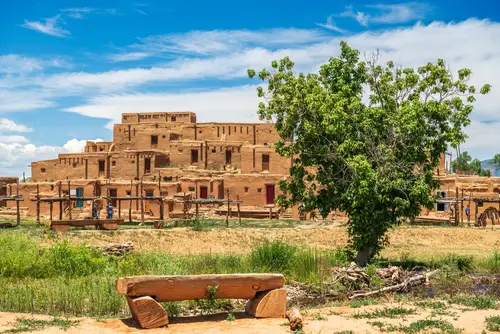
Taos Pueblo has been continuously inhabited for over 1,000 years and resists modern alteration. Buildings are maintained using traditional materials and techniques. Electricity and plumbing are limited or carefully managed. The community prioritizes cultural continuity over convenience.
This refusal preserved a living Indigenous settlement rather than turning it into a museum. It also makes daily life more demanding for residents. Taos Pueblo survives by holding firm to tradition. Its endurance is rooted in restraint.
11. Centralia, Pennsylvania
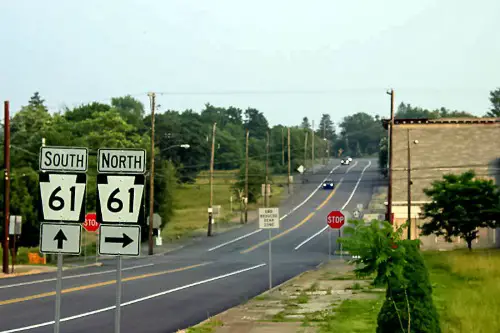
Centralia is the town that refused to leave even after an underground coal mine fire ignited beneath it in 1962. When state and federal officials offered buyouts and relocation, a small number of residents stayed behind. Roads cracked, smoke seeped from the ground, and population plummeted from over 1,000 to fewer than 10. Staying wasn’t practical, but for those residents, it felt morally necessary.
Today, Centralia is nearly erased from maps, with most buildings demolished and its ZIP code retired. What remains is a haunting landscape and a powerful story about attachment to place. The town didn’t survive in any traditional sense. But its refusal to change turned it into a lasting symbol of defiance and loss.
12. Eureka Springs, Arkansas
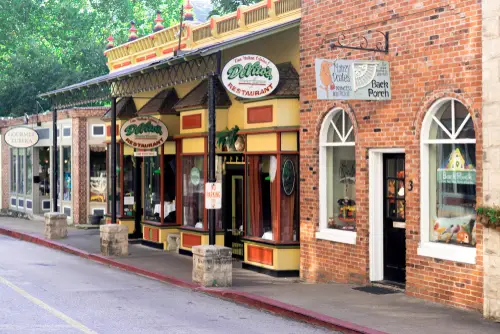
Eureka Springs resisted flattening and rebuilding after its Victorian-era boom faded. The town kept its winding streets and historic buildings intact. Rather than modernizing, it leaned into its eccentric layout. That choice limited accessibility but preserved character.
Tourism eventually followed the charm. The refusal to straighten streets or replace architecture became an asset. Eureka Springs stayed weird, and that worked. Preservation became its competitive advantage.
13. New Glarus, Wisconsin
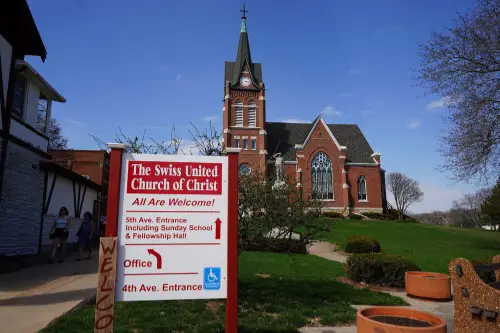
New Glarus refused to dilute its Swiss heritage as the town grew. Architecture, festivals, and even local businesses stayed culturally specific. Chain stores were limited in favor of themed local commerce. The town leaned fully into identity.
This resistance created a strong tourism economy centered on authenticity. Critics call it performative, but residents see it as continuity. New Glarus stayed small by design. Its refusal to blend in made it stand out.
This post What Happens When a Town Refuses to Change—For Better or Worse was first published on American Charm.