
1. Greenville, South Carolina
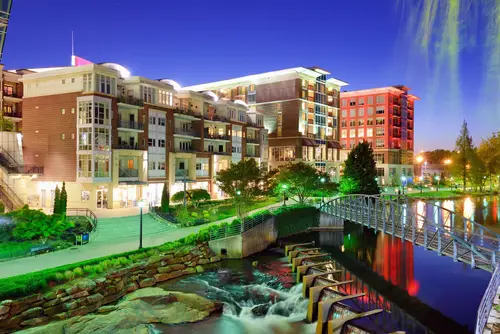
Greenville’s Main Street makeover turned a wide, car-dominated road into a pedestrian-friendly corridor. Narrowed lanes, shaded sidewalks, and plenty of outdoor dining created a downtown that feels intimate and lively. Falls Park on the Reedy added a scenic natural anchor right in the center of town. The Liberty Bridge became an iconic feature that boosted tourism and local pride.
Greenville also invested in mixed-use developments to bring more residents into the city center. The rise of apartments, boutique hotels, and public art installations helped build steady foot traffic. A growing food and craft beverage scene made downtown a hotspot for younger professionals. The city’s emphasis on livability turned it into one of the Southeast’s strongest comeback stories.
2. Chattanooga, Tennessee
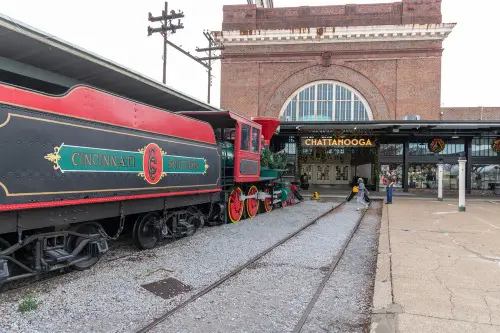
Chattanooga rebuilt its downtown by transforming a once-blighted riverfront into a lively public hub. The Tennessee Aquarium became a catalytic anchor, drawing visitors and new investment to the area. The city’s extensive Riverwalk and outdoor recreation options helped attract younger residents who value nature and accessibility. Tech initiatives, including citywide fiber internet, further boosted its youth appeal with strong remote-work infrastructure.
Chattanooga also revitalized former industrial spaces into mixed-use districts like the Southside. Breweries, local restaurants, and creative spaces filled formerly empty warehouses. The city prioritized walkability, making downtown easier to navigate without a car. This combination of culture, convenience, and outdoor lifestyle helped redefine the city for the next generation.
3. Oklahoma City, Oklahoma
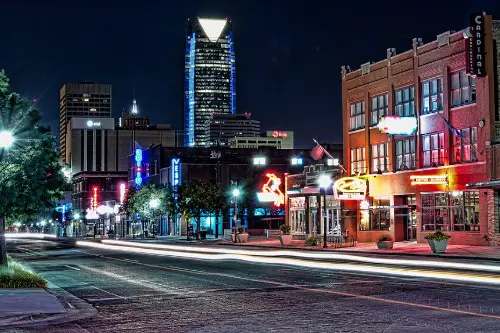
Oklahoma City’s MAPS program funneled long-term public investment into revitalizing the urban core. These projects brought new parks, a modern streetcar system, and improved public spaces. The Bricktown district was transformed from abandoned warehouses into an entertainment zone with restaurants, venues, and a canal. Young residents were drawn by the blend of affordability and upgraded infrastructure.
The city later doubled down with MAPS 3 and MAPS 4, expanding pedestrian trails and building Scissortail Park. This flagship green space added concerts, sports courts, and lakes to downtown’s amenities. More apartments and co-working spaces followed, filling in gaps in the urban fabric. Together, these efforts repositioned OKC as a vibrant, youth-friendly city.
4. Detroit, Michigan
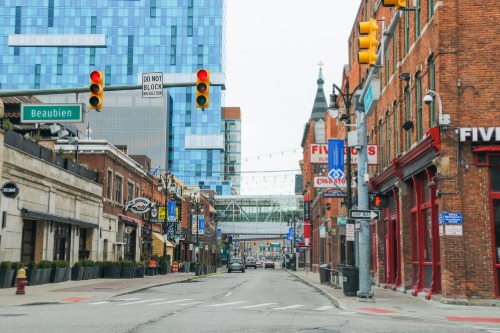
Detroit invested heavily in its downtown after decades of population loss and vacant buildings. Major companies moved offices into the city center, restoring historic towers and filling them with workers. Public-space upgrades like Campus Martius Park helped shift perceptions by creating a welcoming, active plaza. Younger residents were drawn to the affordability and creative-driven renaissance taking shape.
The QLine streetcar and improved bike lanes made the core more accessible. Renovated lofts and mixed-use developments attracted new residents seeking walkable neighborhoods. Restaurants, coffee shops, and art spaces popped up around formerly empty blocks. Detroit’s downtown revival became a symbol of its broader comeback.
5. Denver, Colorado
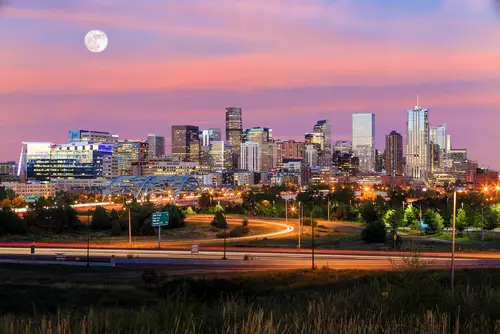
Denver revitalized its downtown with transit-oriented development around Union Station. The historic terminal was transformed into a multimodal hub surrounded by restaurants, boutiques, and housing. This sparked rapid growth in the LoDo and RiNo districts, which became popular with younger crowds. The city’s approach blended infrastructure with cultural energy.
Denver also expanded bike lanes and pedestrian options to make the core more accessible. New parks and public spaces helped balance the dense, urban feel. Co-working hubs and tech offices moved in, strengthening the city’s draw for young professionals. The combination of transit, lifestyle, and job opportunities made downtown Denver thrive.
6. Pittsburgh, Pennsylvania
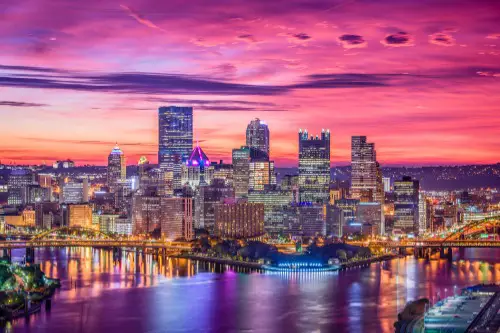
Pittsburgh reimagined its downtown as part of its shift from a steel-era economy to technology and medicine. Investments went into redeveloping the riverfronts, adding trails and greenways where factories once stood. Cultural landmarks and theaters were preserved and modernized to keep the arts strong. Younger populations took notice as the city became cleaner, greener, and more future-focused.
Tech companies and universities expanded their presence in and around downtown. This helped create an innovation ecosystem that fueled job growth. Apartments and mixed-use projects replaced parking lots, adding life after work hours. Pittsburgh’s transformation balanced affordability with a modernized urban core.
7. Sacramento, California
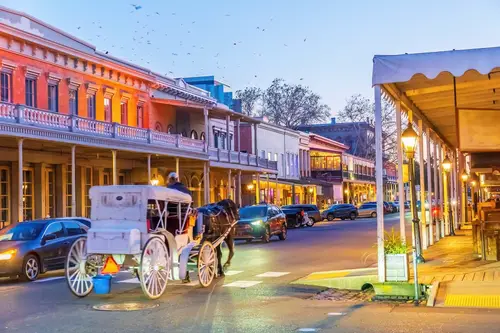
Sacramento’s downtown revival accelerated with the opening of the Golden 1 Center. The arena spurred new restaurants, bars, and retail around the Downtown Commons area. Streetscapes were upgraded to support pedestrian traffic and outdoor activity. This made the city center more appealing to younger residents seeking entertainment and nightlife.
Housing development also increased, giving people new options to live near where they work and socialize. Renovated historic buildings brought character and charm back into the district. Bike lanes and transit improvements made the area more accessible. Altogether, downtown Sacramento became more vibrant and youth-friendly.
8. Columbus, Ohio
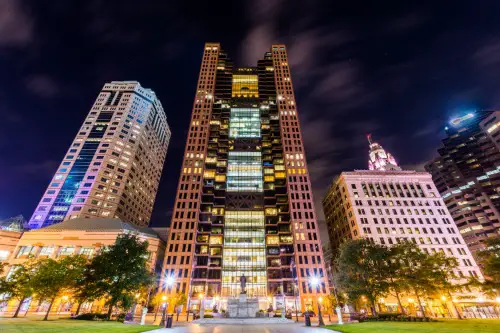
Columbus reinvested in its downtown through projects like the Scioto Mile. The riverfront was redesigned with parks, fountains, and outdoor event areas. This created a natural gathering place for residents, especially younger populations. The improvements helped knit together nearby neighborhoods and encouraged more walking and biking.
Mixed-use developments added housing and retail to previously quiet blocks. The city focused on attracting startups and creative industries to the urban core. Breweries, galleries, and music venues followed, giving downtown more personality. Columbus’s steady growth reflected the success of its long-term planning.
9. Indianapolis, Indiana
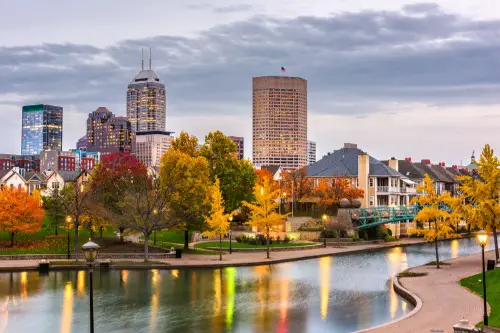
Indianapolis revitalized its downtown with the Cultural Trail, a protected biking and walking route connecting key districts. This investment linked neighborhoods, museums, and entertainment areas with a safe, attractive pathway. Younger residents embraced the accessibility and outdoor lifestyle it encouraged. The trail sparked new businesses and public art installations along its route.
Housing grew rapidly as new lofts and apartments were built near the core. Sports venues and convention spaces continued to anchor the economic activity downtown. Restaurants and nightlife expanded, adding depth to the city’s cultural mix. Indianapolis successfully blended mobility upgrades with community-focused development.
10. Austin, Texas
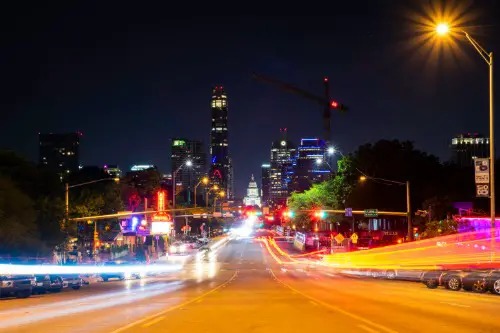
Austin transformed its downtown with a surge of high-rise residential buildings and mixed-use towers. These developments brought thousands of new residents into the city center. The area became more walkable as streetscapes improved and new parks emerged. Young professionals were drawn by Austin’s tech growth and creative energy.
The city also revitalized the waterfront along Lady Bird Lake. Trails and green spaces encouraged outdoor activities that appeal to younger demographics. Music venues, food trucks, and indie shops helped maintain Austin’s quirky character amid rapid growth. Downtown became a place to live, work, and play all in one.
11. Cleveland, Ohio
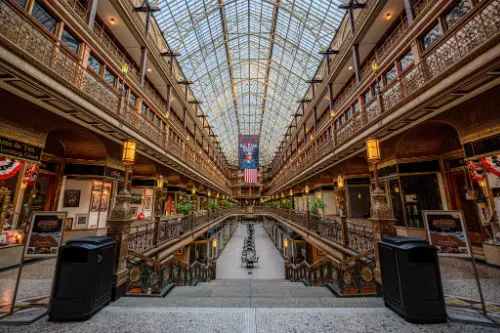
Cleveland invested heavily in its downtown and lakefront through public-private partnerships. Public Square underwent a major redesign that made it more pedestrian-friendly and event-ready. The Flats East Bank redevelopment created a lively waterfront district with housing and entertainment. Younger residents appreciated the renewed focus on walkability and lifestyle amenities.
Health and tech employers in the region helped stabilize the downtown job market. Renovated historic buildings added unique housing options. The city also expanded bike lanes and transit access to connect neighborhoods. These efforts collectively reshaped downtown Cleveland into a more vibrant destination.
12. Tampa, Florida
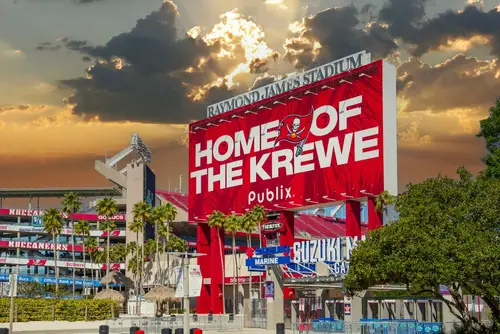
Tampa’s downtown resurgence centered around the Water Street redevelopment. This project created a walkable district with parks, hotels, and residential towers. The city prioritized green building standards and public spaces to appeal to younger workers. Proximity to both nightlife and waterfront recreation increased the area’s desirability.
The Tampa Riverwalk extended access along the Hillsborough River. Breweries, museums, and restaurants began clustering along its path. The city also encouraged tech and healthcare companies to expand downtown. These combined upgrades helped make Tampa competitive among youth-friendly urban centers.
13. San Diego, California

San Diego transformed its downtown through redevelopment of the Gaslamp Quarter and surrounding areas. Historic buildings were restored and filled with restaurants, clubs, and boutiques. Petco Park became a major catalyst for new housing and entertainment nearby. Younger residents were drawn to the blend of history and modern nightlife.
The waterfront was also upgraded with parks, promenades, and public art. These investments created an attractive, walkable environment near the bay. Tech firms and co-working spaces moved into renovated office buildings. Downtown San Diego became a dynamic center for both work and leisure.
14. Kansas City, Missouri
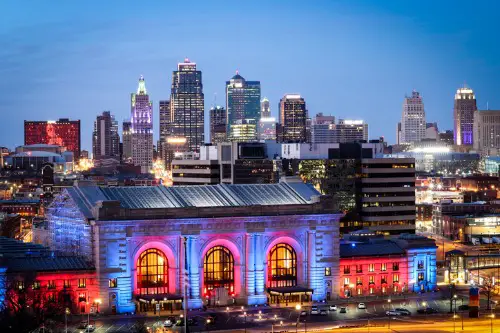
Kansas City revitalized its downtown through the Power & Light District. This entertainment zone helped reintroduce nightlife and cultural events to the urban core. The Sprint Center (now T-Mobile Center) further boosted foot traffic and large-scale activity. Young people were drawn to the renewed sense of energy and social connection.
Streetcar service reconnected key districts and made car-free movement easier. New residential towers followed, giving more people a reason to live downtown. Public art, breweries, and creative spaces filled in formerly empty blocks. Kansas City’s redevelopment created a youthful, lively atmosphere in the heart of the city.
This post 14 Cities That Rebuilt Their Downtowns to Attract the Youth was first published on American Charm.

