
1. Life Was Simpler

Many people romanticize the past as a simpler time, free from the complexities of modern life. But “simpler” often meant fewer protections, less medical care, and harsher living conditions. For example, disease and infant mortality were far more common, and access to healthcare was limited. Life could be brutally hard for most people, despite the nostalgia we sometimes feel for it.
On top of that, technology, while basic, didn’t make life “easier” in the ways we think. Household chores were grueling, and child labor was widespread. People worked longer hours, often with dangerous machinery and no worker protections. The idea of leisurely simplicity mostly applied to a very small fraction of society.
2. Everyone Had a Stable Job
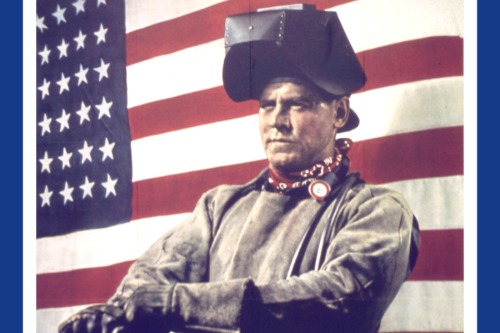
It’s easy to imagine the past as a time when everyone had steady employment, but that’s far from true. Many jobs were seasonal, temporary, or incredibly physically demanding. Unemployment and underemployment were common, and there were no safety nets like unemployment benefits or workers’ compensation. Job security for most people was a luxury, not the norm.
Even those with steady employment faced grueling hours. Factory jobs, farm work, and domestic labor often required 12–16 hour days, six days a week. Workplace accidents were routine, with little recourse. The “good old job security” often existed only in hindsight, not reality.
3. Schools Were Better
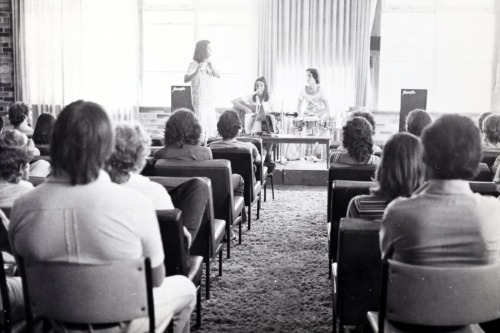
Nostalgia often paints schools as more disciplined and effective, but the reality was harsher. Many children had limited access to quality education, especially in rural areas and for marginalized groups. Segregation and underfunded schools meant that learning opportunities were unequal. Literacy and graduation rates were much lower than we might assume.
Teaching methods were strict, sometimes abusive, and the focus was more on rote memorization than critical thinking. Child labor laws were lax, so many children left school early to work. For girls and children of color, educational access was especially limited. The “better schools” image often ignores who was actually included.
4. Families Were Stronger

There’s a myth that family life was more cohesive in the past. But many families struggled to survive day-to-day, often with multiple generations crowded into tiny homes. Divorce was stigmatized, but hardship, abuse, and neglect were common. Economic pressures frequently pulled family members apart rather than keeping them close.
Women and children often carried immense burdens, from domestic labor to contributing to the household income. Fathers, if present, were not necessarily nurturing, and community support systems were weak. Romanticizing the “tight-knit family” overlooks these difficulties. For many, the idea of family stability was more hope than reality.
5. Crime Was Rare

People often think crime was much lower in the past, but that’s misleading. Many crimes went unreported, and law enforcement was inconsistent and biased. Violence, particularly in urban areas or frontier towns, could be rampant. Prohibition-era crime in the 1920s is a prime example of how lawlessness sometimes thrived.
In addition, marginalized communities faced both higher crime rates and harsher policing. Lynching, racial violence, and mob justice were disturbingly common. So while “polite society” may have seemed orderly, reality was often dangerous. Nostalgia tends to erase these hidden threats.
6. Everyone Agreed on Morals
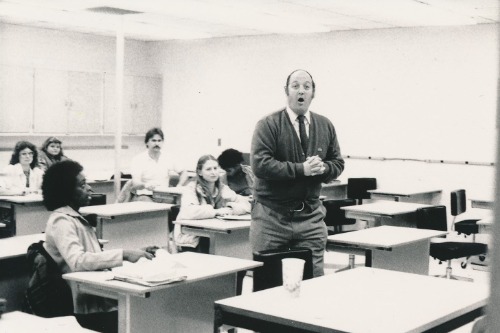
The “good old days” are often imagined as morally clear and unified, but society was full of deep divisions. Racial segregation, gender inequality, and discrimination were widely accepted. Laws and social norms favored white, male, wealthy citizens while oppressing others. Moral clarity for one group often meant oppression for another.
Even within communities, values were contested, and social reform movements were hotly debated. Abolitionists, suffragists, labor activists, and other reformers constantly fought against entrenched norms. The “shared moral code” is more myth than reality.
7. Health Was Better

There’s a nostalgic idea that people were healthier because life was “natural” or slower-paced. In truth, life expectancy was much shorter due to infectious diseases, poor sanitation, and lack of modern medicine. Epidemics like the 1918 flu pandemic devastated communities. Chronic conditions were also poorly understood and rarely treated.
Nutrition was often inadequate, especially for the poor, and child mortality was high. Many people worked in hazardous environments without protective gear. Access to clean water, vaccines, and antibiotics was limited. So while some individuals may have thrived, population-wide health was often precarious.
8. Politics Was Less Divisive
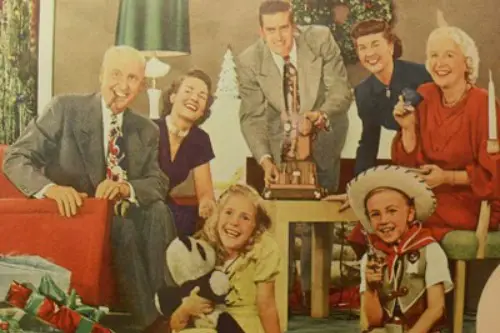
We sometimes imagine politics as calmer or more civilized in the past. Yet political battles were often vicious, with corruption, intimidation, and violence. Factionalism, bribery, and voter suppression were widespread. Elections could be chaotic and dangerous rather than orderly debates among neighbors.
Many groups were completely excluded from political participation. Women, people of color, and immigrants were systematically denied voting rights. So while the past might feel “simpler,” it was rarely fair or inclusive. Nostalgia tends to erase these conflicts.
9. Women Had More Respect
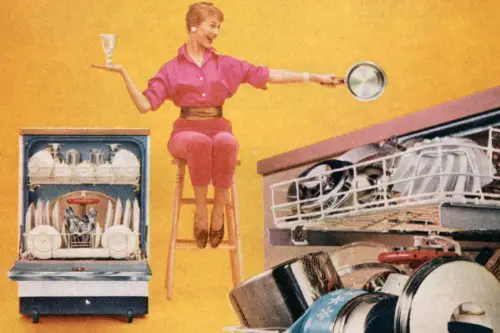
Some believe women were universally respected in the past, but social norms were heavily patriarchal. Women often had little legal independence, could not vote, and were expected to remain in the home. Careers, higher education, and public leadership were largely off-limits. The idealized image of the dutiful homemaker ignores the limitations imposed on half the population.
Domestic abuse and social control were pervasive, and there were few resources for women in crisis. Married women often lost property rights, and single women faced harsh stigma. Respect was conditional and unequal, not universal. Nostalgia rarely captures the systemic oppression women faced.
10. Communities Were Close-Knit

Many imagine everyone in towns and neighborhoods looked out for each other. While some communities were supportive, isolation and exclusion were common. Immigrant groups, African Americans, Native Americans, and other minorities often faced hostility. Social cohesion often depended on who was included, leaving many people marginalized.
Economic hardship could also strain relationships. Neighbors might compete rather than cooperate, and social mobility pressures could create tension. So the idea of universal neighborly bonds is more wishful thinking than reality. Communities could be tight-knit—but only selectively.
11. People Had Plenty of Free Time

We tend to think people of the past had more leisure, but long work hours were standard. Farmers, factory workers, and domestic laborers had little time off. Sundays might have been the only rest day, and even then, chores filled most of it. “Free time” was scarce for most families.
Children had responsibilities from a young age, and entertainment options were limited or expensive. Without labor protections, vacations were rare. Many people were constantly occupied with survival rather than enjoyment. Nostalgia often glosses over how exhausting everyday life could be.
12. Technology Was Less Stressful

It’s easy to think that life without screens and modern devices was less stressful. But manual labor, lack of transportation, and slow communication created constant pressure. People had to fetch water, chop wood, and travel long distances for basic needs. Stress was built into the fabric of daily survival.
Additionally, people were always at the mercy of weather, disease, and other uncontrollable factors. While we may complain about modern technology, it often reduces physical strain and increases access to information. The “less stressful” past was often more physically and socially taxing than we remember.
13. Kids Were More Well-Behaved
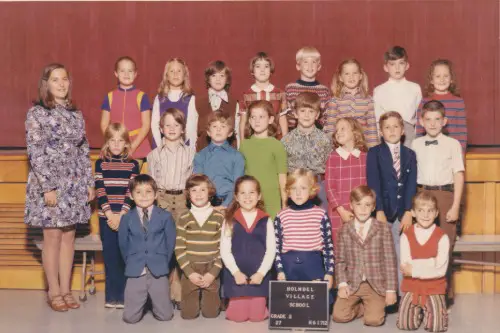
People often claim children used to be more disciplined and respectful, but that perception ignores how strict and sometimes abusive discipline really was. Corporal punishment at home and in schools was widely accepted, often instilling fear rather than respect. Children were expected to be silent, obedient, and unseen, regardless of their emotional needs. What adults called “good behavior” often came from intimidation, not moral understanding.
In many homes, affection and open communication were rare, and disobedience could lead to humiliation or physical punishment. Emotional development wasn’t a priority, and children who struggled were labeled as “bad” rather than helped. The idea of “well-behaved kids” hides a culture that valued control over compassion. Modern parenting, though imperfect, allows for empathy and individuality that were once discouraged.
14. People Were More Polite
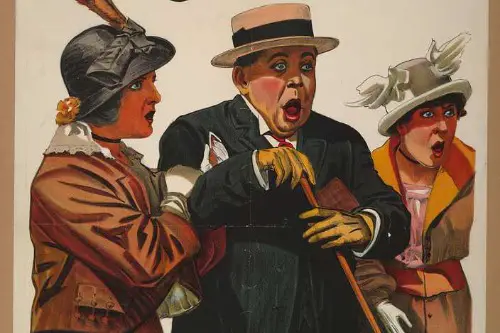
There’s a notion that manners and civility reigned supreme in the past, but politeness often depended on who you were. Social etiquette was rigid and class-based, designed to maintain hierarchy and control. The wealthy and powerful dictated the rules, while others were expected to know their place. What appeared as courtesy was often a mask for inequality and exclusion.
Moreover, “good manners” didn’t extend equally to everyone. Women, minorities, and immigrants were routinely subjected to insults, slurs, and condescension that were considered normal. The illusion of a polite society was maintained by silencing those who couldn’t afford to speak out. True respect was selective, not universal.
15. Food Was Fresher and Healthier

Nostalgia paints old-fashioned diets as wholesome and pure, but food safety and nutrition were often poor. Without modern refrigeration, pasteurization, or regulation, spoilage and contamination were common. People regularly suffered from foodborne illnesses that are rare today. The wealthy could afford better meals, but most people’s diets were monotonous and lacking in vitamins.
Even fresh produce was seasonal and limited, with few preservation options. Meat was often salted or smoked to prevent decay, but that also meant high sodium intake. Malnutrition was common among working-class families, especially children. The idea of universally “better food” overlooks how hard survival-based eating really was.
16. Everyone Was Happier

The “good old days” are remembered as joyful and carefree, but happiness was not as widespread as people imagine. Economic hardship, social isolation, and rigid expectations created heavy emotional strain. Mental illness wasn’t understood, and there was immense stigma against those who struggled. Many people endured depression, grief, and anxiety in silence.
Social roles left little room for self-expression or personal fulfillment. Women trapped in domestic roles and men pressured to be stoic faced deep dissatisfaction. Communities often discouraged open discussion of emotional pain, calling it weakness. The smiles in old photos hide a world where people had few outlets for unhappiness.
17. The Air and Water Were Cleaner
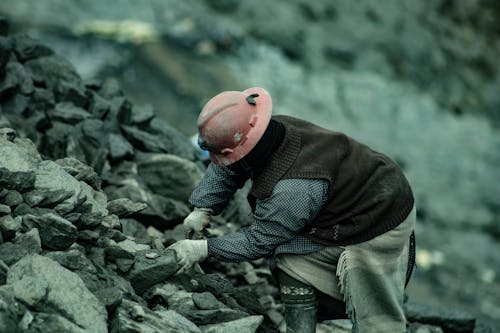
It’s easy to think life before industry was cleaner and more natural, but pollution has long been a problem. Early factories and coal-burning homes filled cities with thick soot, while rivers became dumping grounds for waste. Air quality in many urban areas was far worse than it is today. Even rural communities suffered from contaminated wells and poor sanitation.
Environmental protections simply didn’t exist. People accepted smog, foul odors, and toxic runoff as the price of progress. Diseases like cholera and typhoid thrived due to polluted water. The romantic image of crisp, clean air and pristine streams rarely matched reality.
18. People Were Tougher and More Resilient
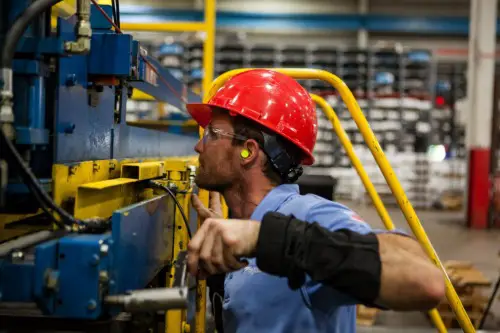
Many claim that people in the past were tougher, but much of that “toughness” came from necessity, not choice. Life demanded endurance because there was no safety net for illness, injury, or poverty. People who couldn’t keep up were often left behind or shamed for their struggles. Suffering was normalized as part of daily life.
Modern conveniences don’t make people weaker—they allow them to live with dignity and health. Today’s compassion and mental health awareness represent progress, not fragility. The glorification of hardship ignores how deeply it scarred earlier generations. Strength born from survival shouldn’t be mistaken for a better way of life.
19. Entertainment Was More Wholesome
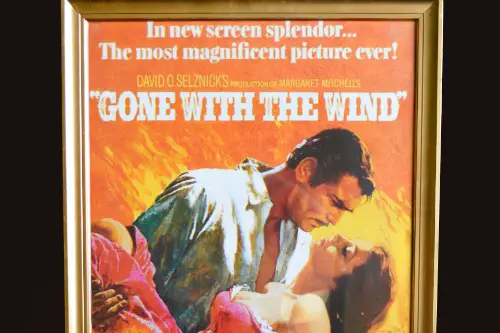
People often imagine old-fashioned entertainment as innocent and family-friendly, but that’s not entirely true. Vaudeville, pulp novels, and early films were full of scandal, stereotypes, and violence. Sensationalism sold then just as it does now. The idea that culture was purer in the past overlooks its moral complexity.
Censorship and social pressure did restrict certain topics, but hypocrisy was rampant. Tabloids, gossip columns, and exploitative performances thrived behind the façade of decency. Many forms of entertainment reinforced racism, sexism, and classism. The “wholesome” past was often just as provocative—only more hypocritical about it.
This post 19 Myths About the “Good Old Days” That Weren’t Good at All was first published on American Charm.

