
1. Seneca Lake, New York
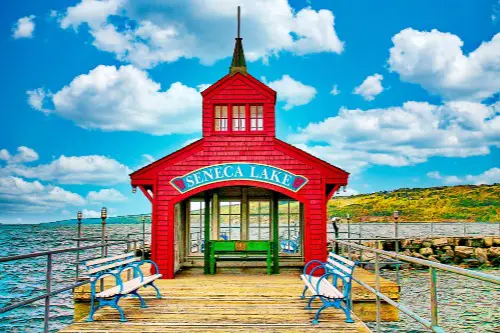
Seneca Lake is part of the Finger Lakes region, known for calm waters and scenic vineyards along its shores. At first glance, it’s inviting and relaxing, a quintessential upstate New York escape. Yet it has a history of shipwrecks, drownings, and industrial pollution. Toxic runoff and old accidents remind visitors that the lake is not as harmless as it seems.
Local lore tells of ghostly sightings and unexplained lights on the water. Early Native American and settler conflicts add to its hidden past. Even today, sudden storms and treacherous currents can catch visitors off guard. Seneca Lake’s peaceful exterior masks both environmental and historical shadows beneath.
2. Crater Lake, Oregon
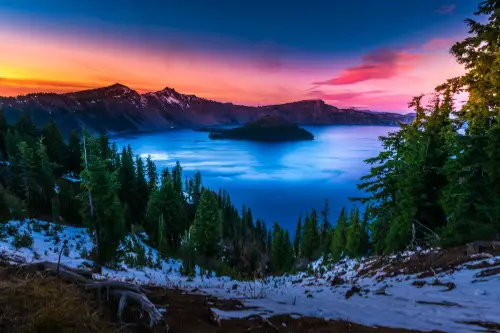
Crater Lake is famous for its strikingly clear, deep blue waters that fill a volcanic caldera. The lake appears calm and perfect, almost like a giant natural mirror reflecting the sky. However, it formed after the violent eruption and collapse of Mount Mazama around 7,700 years ago, leaving behind a geological scar. The sheer cliffs surrounding the lake give it an isolated, almost forbidding atmosphere, hinting at its violent creation.
Despite its serene surface, Crater Lake has a history of treacherous snowstorms and deadly conditions for early explorers. Native American legends speak of spirits inhabiting the lake, warning against disrespecting the sacred waters. The lake’s depth also hides unexplored areas where dramatic volcanic formations remain untouched. This mix of natural splendor and dangerous history gives Crater Lake an eerie undercurrent.
3. Lake Pontchartrain, Louisiana
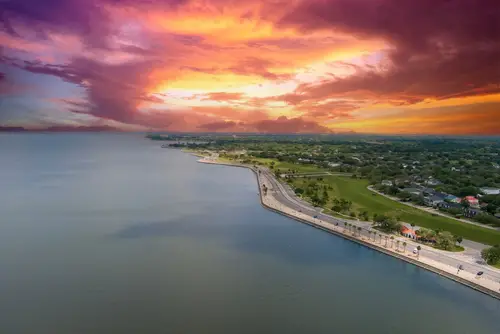
Lake Pontchartrain seems like a peaceful body of water, stretching wide near New Orleans with gentle waves lapping at its shores. It’s a favorite for fishing and scenic drives along its famous causeway. Yet, it has seen decades of flooding, hurricanes, and tragic drownings, most notably during Hurricane Katrina in 2005. The lake has claimed countless lives and disrupted communities, leaving a shadow over its otherwise calm waters.
The lake is also infamous for mysterious drownings and strange occurrences reported by locals. Boaters sometimes speak of sudden fog banks or unexplainable currents, adding a chilling layer to its reputation. Historically, the lake has been tied to pirate legends and smuggling routes along the Gulf Coast. Beneath the surface, its quiet demeanor masks both natural danger and human tragedy.
4. Mono Lake, California
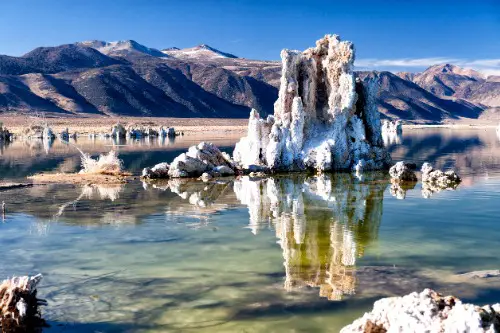
Mono Lake looks otherworldly with its tufa towers rising from the water like spires from a fairy tale. It’s incredibly still, often reflecting dramatic desert skies in a perfectly calm mirror. However, it’s one of North America’s oldest lakes and has been witness to thousands of years of extreme drought and human conflict over water rights. The lake’s high salinity and unusual ecosystem hide a delicate balance that has occasionally turned deadly for wildlife.
Miners and settlers historically drained the lake, causing environmental havoc and tension with local communities. The eerie, bleached tufa formations almost resemble gravestones, adding a ghostly air. Birds and brine shrimp dominate the lake, but their abundance masks how fragile the ecosystem really is. Mono Lake may look tranquil, but its story is one of survival and human interference.
5. Lake Okeechobee, Florida
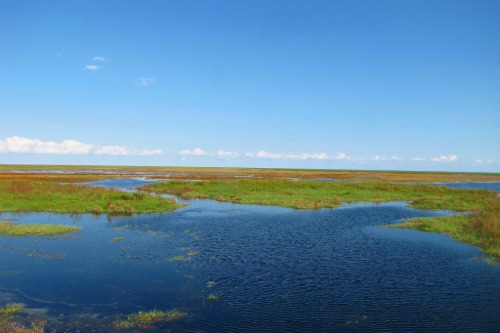
Lake Okeechobee appears calm in aerial photographs, a vast expanse of water bordered by green marshes. It’s central to Florida’s ecology and is home to wildlife and fishing communities. Beneath its surface, though, are tragic histories of hurricanes, floods, and environmental mismanagement. The 1928 Okeechobee hurricane killed thousands when levees failed, leaving a haunting memory for the region.
Swampy areas around the lake were once sites of violent conflicts between settlers and the Seminole tribe. The lake has also been linked to mysterious disappearances, sometimes credited to its vastness and treacherous waters. Early drainage projects disrupted ecosystems and led to further loss of life. The combination of natural danger and human tragedy gives Lake Okeechobee a surprisingly dark side.
6. Devil’s Lake, Wisconsin
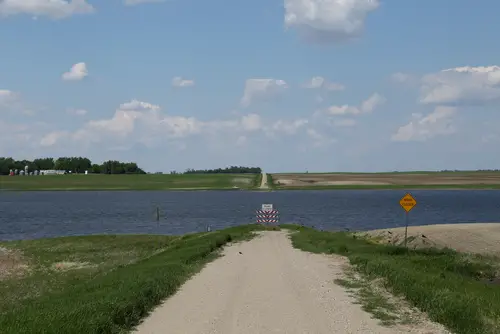
At first glance, Devil’s Lake is picturesque, with crystal-clear waters framed by high quartzite bluffs. Hikers and swimmers flock to it in summer, enchanted by its scenic beauty. But the area has a darker Native American history, tied to battles and spiritual ceremonies, some of which are said to have ended violently. The name itself hints at the lake’s unnerving reputation, though its origins are often misinterpreted.
Local legends speak of spirits haunting the lake, particularly near the bluffs and in caves. Settlers reported strange echoes and unexplainable disappearances over the years. The combination of natural hazards and the supernatural aura makes Devil’s Lake feel deceptively serene. It’s the kind of place where the scenery lulls you, but the past whispers just beneath the surface.
7. Lake Superior, Michigan/Minnesota/Wisconsin
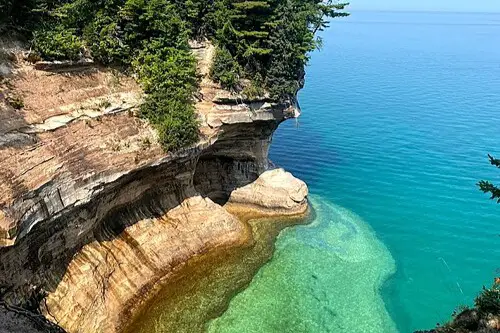
Lake Superior is the largest of the Great Lakes, stretching vast and blue under calm skies. From the shoreline, it can seem peaceful, almost infinite. But its sheer size and storm-prone nature have earned it the nickname “Graveyard of the Great Lakes,” with thousands of shipwrecks hidden beneath its waves. Winter storms and sudden gales make even small sections dangerous for the unprepared.
Legends of ghost ships and mysterious disappearances persist among local sailors. Its depths hide not only wrecked vessels but entire communities affected by maritime disasters. The cold, dark waters create a foreboding atmosphere that contrasts sharply with its outward beauty. Lake Superior’s calm face hides centuries of nautical peril and eerie mysteries.
8. Lake Lanier, Georgia
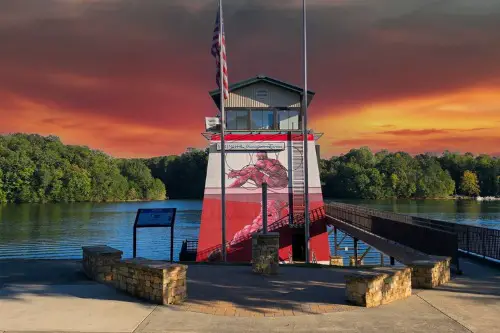
Lake Lanier was created in the 1950s, a serene man-made lake near Atlanta now popular for boating and fishing. Its placid surface and recreational vibe make it look inviting and safe. However, the lake has a notorious history of drowning accidents, with some claiming the lake has claimed hundreds of lives. Locals often talk about submerged structures from flooded towns beneath its waters.
Beyond accidental deaths, legends of ghostly apparitions in boats and near the shore persist. The creation of the lake displaced entire communities, leaving buildings and homes underwater. Divers report eerie sights of rooftops and roads just beneath the surface. What appears calm and recreational on the surface hides tragedy and haunting memories below.
9. Lake Tahoe, California/Nevada
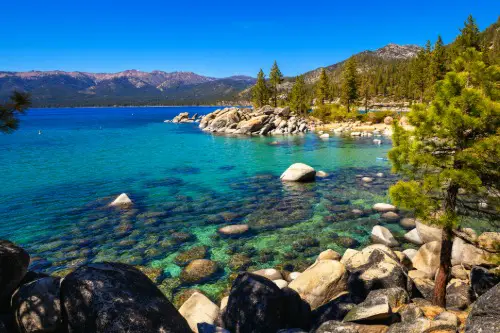
Lake Tahoe is crystal-clear, surrounded by snow-capped mountains, and a vacation paradise. Its tranquility draws thousands of tourists each year, promising relaxation and picturesque views. But the lake’s deep waters have hidden drownings, avalanches, and stories of lost skiers and boaters. Its sheer depth and cold temperatures make survival difficult for those who fall in.
Historically, the area around Tahoe saw violent conflicts between settlers and the Washoe tribe. Legends of lost gold shipments and ghostly sightings in the surrounding wilderness add a mysterious layer. Even the lake itself can become unpredictable during storms, turning serene waters into a dangerous expanse. Tahoe’s beauty, paired with historical and natural hazards, gives it an unexpectedly eerie edge.
10. Lake Winnipesaukee, New Hampshire
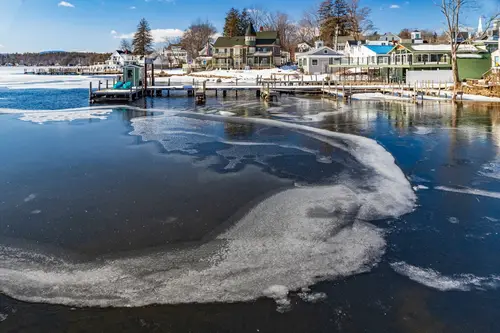
Lake Winnipesaukee is the largest lake in New Hampshire, calm and dotted with charming towns and islands. It looks like a postcard-perfect New England getaway. Beneath that, though, are stories of drownings, boating accidents, and historic disputes over land and water use. The lake’s name itself translates roughly to “beautiful water in a high place,” which belies some of its hidden dangers.
The lake has seen centuries of settlement, and with it, human conflict and tragedy. Some locals claim that mysterious lights and sounds appear on the lake at night. Shipwrecks and submerged structures from long-ago settlements still rest below its placid waters. Its charm is undeniable, but history and folklore hint at a darker side lurking beneath the surface.
11. Lake Texoma, Texas/Oklahoma
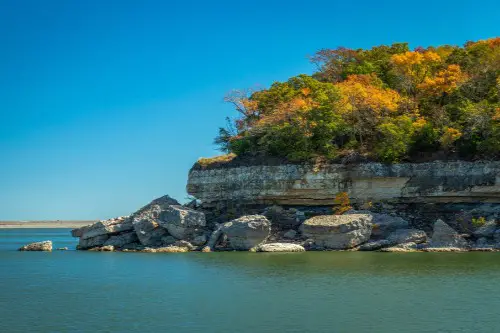
Lake Texoma is a sprawling reservoir along the Texas-Oklahoma border, surrounded by parks and marinas. On a calm day, it looks like the perfect weekend getaway spot. However, it sits atop the Red River, historically prone to flooding and violent storms. The lake itself has claimed lives and remains a site of caution for boaters and swimmers.
Additionally, the area has Native American history intertwined with the lake’s creation and expansion. Submerged land and old settlements occasionally reappear when water levels drop, giving it an eerie, post-apocalyptic feel. Legends of water spirits and mysterious occurrences add to its lore. Lake Texoma’s combination of natural beauty and underlying danger makes it deceptively tranquil.
12. Lake Champlain, Vermont/New York
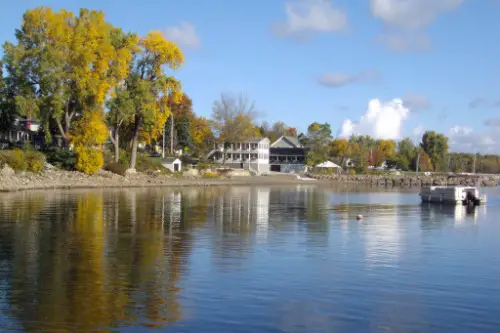
Lake Champlain stretches along the border of Vermont and New York, a stunning waterway framed by mountains and forests. On a calm day, the lake looks serene, almost inviting, with its gentle ripples and small islands. But beneath the surface lies a history of fierce Revolutionary War battles, where both British and American forces clashed repeatedly. Sunken ships and hidden fortifications still rest in its depths, reminders of a violent past beneath the quiet waters.
Legends of a lake monster, affectionately called “Champ,” have persisted for centuries, adding a mysterious vibe to the lake. Locals claim sightings of a serpent-like creature, giving the lake an otherworldly reputation. In addition to its folklore, shipwreck divers have uncovered artifacts from centuries-old conflicts. The combination of natural beauty and historical unrest makes Lake Champlain both enchanting and unsettling.
13. Flathead Lake, Montana
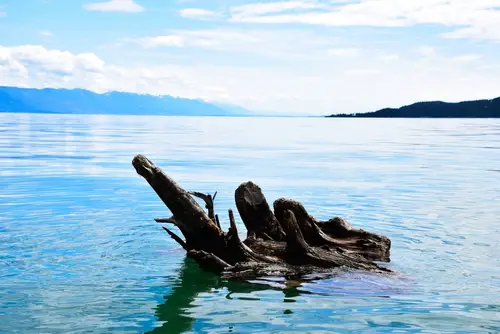
Flathead Lake is one of the largest freshwater lakes in the western U.S., admired for its clear waters and mountain views. On bright days, it feels like a peaceful retreat, perfect for fishing and boating. Yet, local legends tell of a massive serpent-like creature that has been reported for over a century. These stories, combined with unexplained accidents, give the lake a reputation that contrasts sharply with its calm surface.
Native traditions regard the water as spiritually powerful, warning of hidden dangers. Over time, strange drownings and sudden weather shifts have added to its unsettling character. Some visitors have even claimed to see large shadows moving beneath the waves. Flathead’s outward serenity masks an eerie history tied to folklore and mystery.
14. Lake Mead, Nevada/Arizona
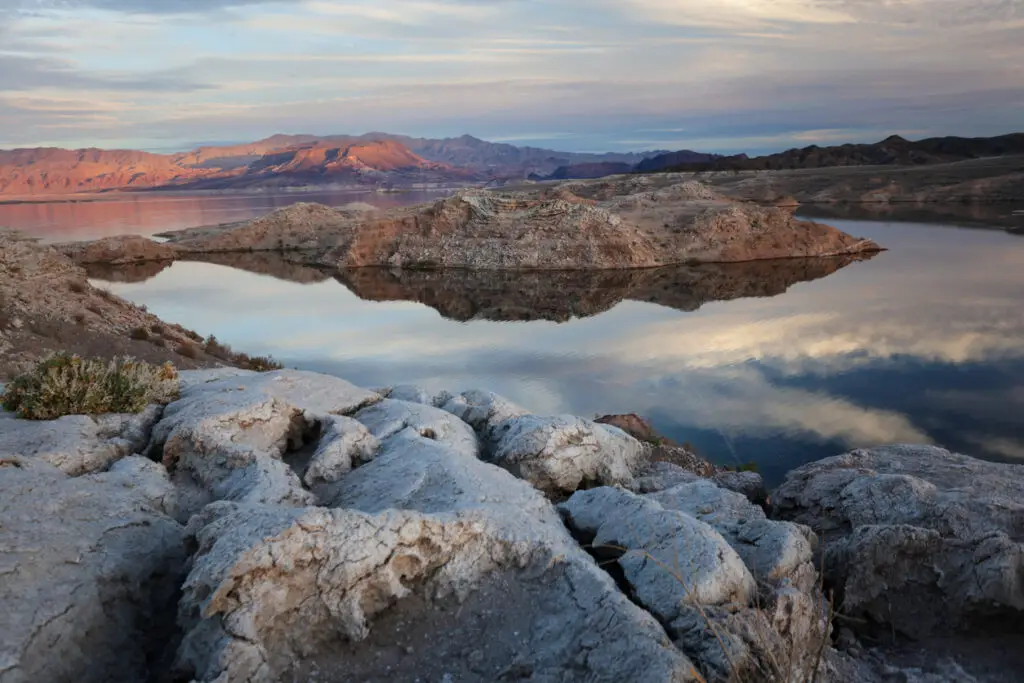
Lake Mead appears tranquil, a wide blue reservoir tucked into desert canyons. Visitors often see it as a recreational haven for boating, swimming, and fishing. But as water levels drop, grim reminders of the past emerge—sunken boats, ghost towns, and even human remains. Its artificial beauty hides decades of tragedy and secrecy connected to its history.
Built by the Hoover Dam, the lake submerged entire communities and sacred lands. Stories circulate of divers encountering eerie sights beneath its murky depths. Some claim the lake is cursed, pointing to frequent drownings and accidents. What looks like a desert oasis is actually a watery graveyard of hidden histories.
15. Lake George, New York

Lake George is known as the “Queen of American Lakes,” offering postcard views of calm waters and forested mountains. To visitors, it’s an idyllic summer escape for swimming and sailing. However, its past includes brutal clashes during the French and Indian War, with countless lives lost along its shores. Shipwrecks from that time still rest beneath the surface, preserved in chilling detail.
Divers often report eerie encounters with these submerged vessels, some eerily intact. Local legends also whisper of ghostly soldiers appearing along the lake at night. Its beauty and resort-town charm often overshadow its violent past. Yet Lake George carries the scars of battle, hidden beneath its tranquil waves.
16. Lake Michigan, Illinois/Indiana/Wisconsin/Michigan
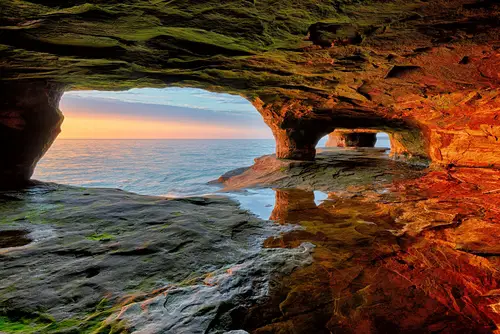
Lake Michigan looks endless and serene, its horizon blending seamlessly with the sky. Families flock to its beaches, charmed by its gentle waves and soft sands. But its waters have long been treacherous, swallowing ships during fierce storms and burying entire vessels beneath shifting sands. The lake has earned a reputation for sudden changes that have claimed countless lives.
Legends of ghost ships drifting silently across the lake add to its eerie atmosphere. Chicago’s shoreline in particular has seen mysterious drownings and accidents that feed into local lore. Divers have uncovered remarkably preserved wrecks that feel like underwater tombs. Lake Michigan may appear calm, but its hidden history is filled with haunting reminders of past tragedies.
17. Lake Washington, Washington
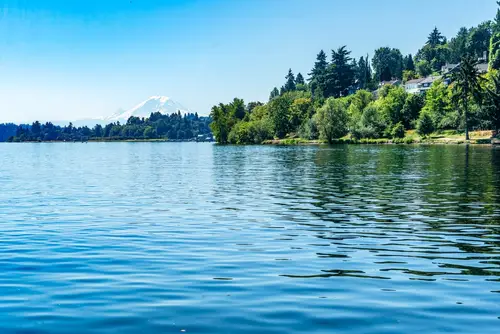
Lake Washington seems serene, stretching quietly alongside Seattle’s bustling skyline. Its placid surface gives the impression of calm and stability in a modern urban setting. Yet, the lake holds a dark reputation as the site of numerous plane crashes and drownings over the decades. Even today, remnants of wreckage lie hidden in its depths.
Locals tell stories of eerie lights beneath the water and strange currents that appear without warning. Urban legends suggest the lake is cursed, pointing to its history of sudden tragedies. Divers exploring the depths often describe an unsettling silence and shadowy remains of lost crafts. Lake Washington’s peaceful exterior masks a chilling record of accidents and mysteries.
18. Lake Huron, Michigan/Ontario
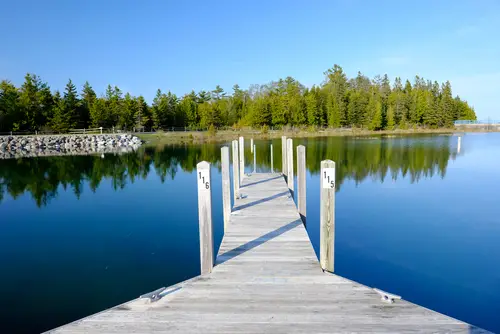
Lake Huron stretches vast and blue, appearing calm and endless to the casual observer. It’s a favorite for boating and fishing, with gentle waves rolling to quiet shorelines. Yet, it hides some of the most dangerous waters of the Great Lakes, with thousands of shipwrecks recorded. Sudden storms have repeatedly turned its glassy surface into a deadly trap.
Sailors still speak of ghostly vessels appearing in the fog, vanishing as quickly as they come. Entire crews were lost to the lake, their stories preserved in maritime legend. Some divers exploring wrecks claim to feel watched or hear unexplained sounds in the depths. Lake Huron’s gentle façade belies centuries of maritime peril and haunting lore.
19. Lake Erie, Ohio/Pennsylvania/New York/Michigan
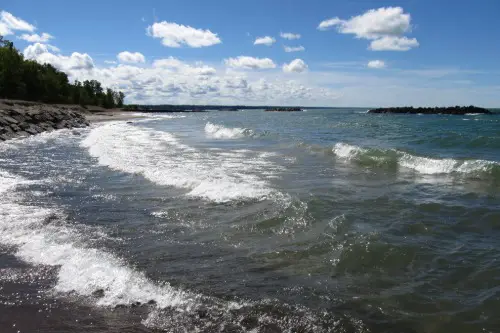
Lake Erie is often seen as friendly and approachable, with warm shallows and popular beaches. Tourists flock to its shores for summer recreation, believing it to be the most welcoming of the Great Lakes. But its shallow depth makes it deceptively dangerous, fueling violent storms that have sunk hundreds of ships. Known as the “Lake That Never Gives Up Its Dead,” it has a chilling reputation.
Ghost ship stories abound, with sailors swearing they’ve seen spectral vessels drifting across the mist. Fishermen also tell of strange whirlpools and unexplainable lights over the water. Beneath the waves, wrecks rest like time capsules of disaster. Erie’s inviting charm conceals a history of deadly tempests and unsettling mysteries.
20. Lake Peigneur, Louisiana
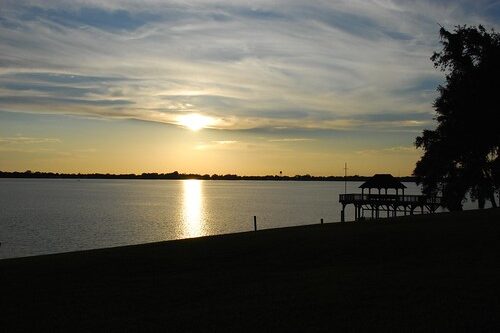
Lake Peigneur looks small and unassuming, bordered by tranquil Louisiana landscapes. For decades, it was simply a quiet fishing spot with a peaceful reputation. But in 1980, a drilling accident caused the entire lake to drain into a salt mine, creating a massive whirlpool that swallowed barges, trees, and even part of an island. The lake reversed flow, pulling in water from a canal in an eerie, apocalyptic scene.
Though the disaster miraculously caused no deaths, it left a lasting scar on the community. Today, the lake has refilled, appearing calm once more, but locals remember the day it vanished. Fishermen still describe odd currents and unsettling changes in water levels. Lake Peigneur’s surface serenity hides one of the strangest industrial accidents in American history.
This post 20 American Lakes That Look Peaceful but Have Eerie Hidden Histories was first published on American Charm.

