1. Cheering for Strangers

At sports events, parades, or even casual competitions, Americans often cheer loudly for people they don’t know. Outsiders may think the enthusiasm is sarcastic or staged. But rooting for strangers is a real expression of communal spirit and positivity. Americans genuinely enjoy celebrating effort and achievement, even from people outside their social circles.
This is especially common in youth sports, local marathons, and public events. Cheering can range from polite claps to boisterous chants. It reflects a culture that rewards encouragement and participation over strict competition. Understanding this makes American public gatherings feel welcoming rather than absurd.
2. Ice in Every Drink
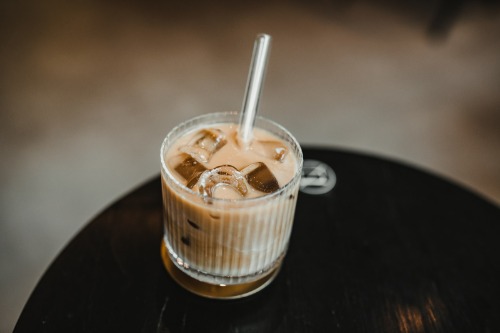
Americans love their drinks cold—really cold. It’s common to get a glass of water or soda filled with ice at every restaurant, café, or fast-food joint. Visitors often find it excessive, thinking it’s a humorous exaggeration. But in the U.S., this is completely normal and considered polite service.
The culture of ice stems from a preference for chilled beverages and a long-standing association with hospitality. Even in winter, ice remains a standard part of drink service. Some travelers comment that it dilutes the drink, but locals consider it refreshing. Asking for “no ice” is fine, but it’s definitely the exception rather than the rule.
3. Personal Space and Small Talk
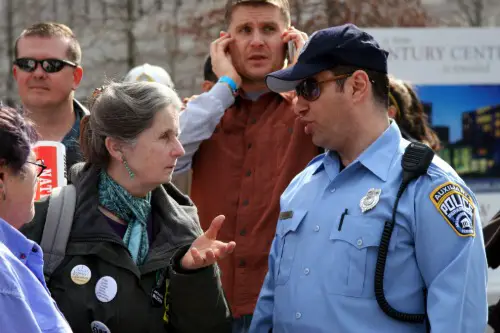
Americans can seem unusually friendly at first, making small talk with strangers in lines or elevators. For outsiders, this can feel like a scripted joke or over-the-top politeness. But it’s genuine: small talk is a cultural lubricant here, easing social interactions. People often discuss the weather, sports, or local events as a way to connect.
Personal space is also highly valued; the typical comfortable distance between strangers is about an arm’s length. Invading this space is considered impolite, even if done unintentionally. Smiling and saying “hi” is standard, not sarcastic. Understanding these unspoken boundaries helps visitors avoid awkward encounters.
4. Aggressive Advertising

Drive down any American street, and you’ll see signs, banners, and billboards competing for attention everywhere. Outsiders sometimes laugh at the intensity, thinking it’s a quirky exaggeration. But this is a serious reflection of American consumer culture. Businesses believe that constant advertising builds recognition and drives sales.
The U.S. market is highly competitive, so brands use bold visuals, slogans, and promotions to stand out. Even small towns have billboards promoting local businesses. While it may seem over-the-top, Americans generally accept it as normal. Understanding this helps explain why marketing in the U.S. feels louder than elsewhere.
5. Hugging as a Greeting

For many Americans, hugs are a casual, everyday greeting for friends, family, or even coworkers. Visitors from cultures where physical contact is more reserved might mistake this for an over-dramatic joke. In reality, it’s a genuine way to express warmth or friendship. Some people will even hug strangers in certain social settings without a second thought.
Hugging norms vary regionally, with the South generally being more physically affectionate than the North. Women are often hugged more frequently than men, though men will sometimes hug close friends. Handshakes are still common, but hugs are often preferred among friends. Recognizing this custom prevents misreading Americans’ friendliness as sarcasm.
6. Excessive Enthusiasm in Customer Service

Walk into any U.S. store, and the staff will likely greet you with a cheerful “Hi! How are you today?” Outsiders often assume it’s insincere or comedic exaggeration. But it’s actually a professional norm and reflects the cultural value placed on friendliness. Smiling, making eye contact, and offering assistance are considered polite and expected.
This is especially noticeable in chain stores, hotels, and fast-food restaurants. Employees are trained to create a positive experience, which might feel theatrical to foreigners. Americans equate friendliness with professionalism, not just personal character. Understanding this makes interactions feel less staged and more culturally authentic.
7. Portion Sizes That Are Gigantic

American restaurants are notorious for their large servings, from burgers to pasta to drinks. Outsiders often think it’s a joke or a cartoonish exaggeration. But portion sizes in the U.S. are genuinely larger than in most countries. Restaurants often assume bigger portions equate to better value.
This trend stems from both cultural expectations and historical patterns of abundance. Sharing plates is less common than simply ordering a large individual portion. Fast-food culture reinforced the idea that “supersizing” is normal. Recognizing this prevents constant surprise or unintentional waste when dining out.
8. Overuse of “Have a Nice Day”
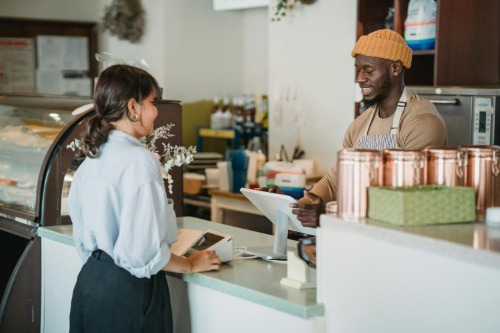
It’s common for cashiers, servers, and even bank tellers to say “Have a nice day!” at the end of every interaction. Outsiders may think Americans are sarcastic or joking, especially if the phrase is repeated mechanically. But it’s actually a cultural norm—a polite way to end a brief social exchange. Americans use it even with strangers they’ll never see again.
This phrase reflects the culture’s emphasis on politeness and positivity. Saying it doesn’t necessarily indicate deep personal interest; it’s more about social etiquette. Some people even follow up with a smile or wave. Understanding this keeps travelers from reading too much into simple phrases.
9. Celebration of Random Holidays

From National Donut Day to Talk Like a Pirate Day, Americans love celebrating quirky holidays. Visitors may think these are ironic jokes or absurd customs. But many of these “minor holidays” are taken seriously in communities, schools, and workplaces. They offer fun, social bonding, and marketing opportunities.
Businesses often tie promotions or events to these unusual dates. People might dress up, hold contests, or host themed parties. While it can seem over-the-top, the celebration is genuine and lighthearted. Recognizing these holidays adds context to American culture’s playful side.
10. Lawn Care Obsession
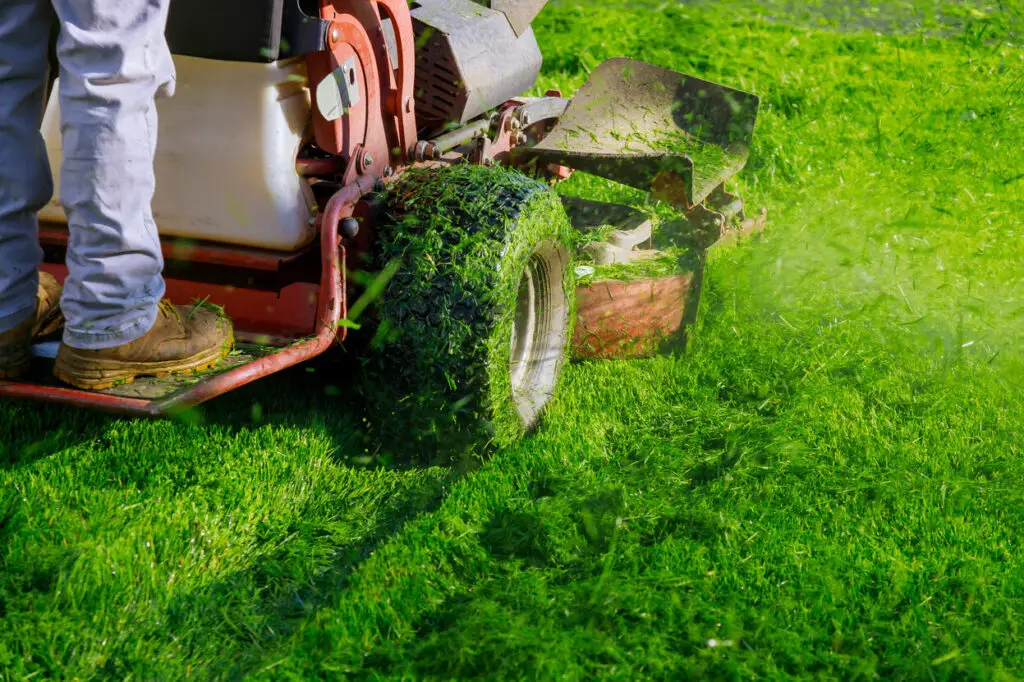
The American front yard is often treated like a miniature pride-and-joy showcase. Outsiders might laugh at neighbors spending hours mowing, fertilizing, and decorating lawns. But meticulous lawn care is a real cultural value tied to pride, community standards, and even property value. A well-kept lawn signals responsibility and respect for neighbors.
Seasonal changes also drive decorations, from flowers in spring to lights in winter. Some neighborhoods even have informal “best yard” competitions. Lawn care can be a social activity, with neighbors chatting while working outside. Recognizing this habit prevents underestimating its importance in local culture.
11. Early Openings and Late-Night Eateries
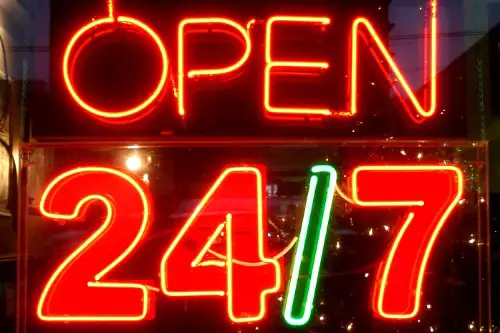
Many American cities have restaurants, coffee shops, and diners operating almost around the clock. Outsiders might laugh at the idea of breakfast at 5 a.m. or milkshakes at midnight. But Americans value convenience and accessibility in food culture. Being able to eat whenever you want is a serious expectation, not a joke.
This custom is rooted in a culture that prizes work flexibility, travel, and late-night social life. 24-hour diners and fast-food chains cater to shift workers and night owls alike. Even small towns often have at least one late-night option. Knowing this helps visitors plan meals without being caught off guard.
12. Tipping Everywhere
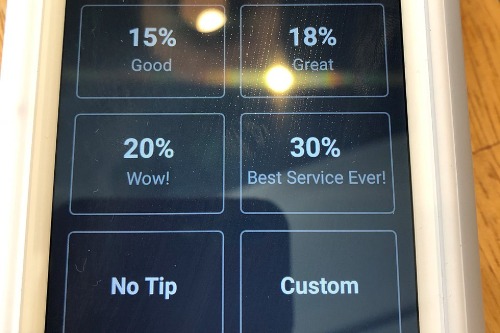
In the U.S., tipping is practically a cultural requirement, not just a polite gesture. Waitstaff, baristas, hairdressers, and even food delivery drivers rely on tips for the majority of their income. Outsiders often mistake the expectation for jokes, thinking that rounding up a bill is optional. But failing to tip appropriately can be seen as rude or ignorant.
The standard tip for restaurant service is usually around 15–20%, and higher for exceptional service. Even taxi drivers and hotel staff expect some form of tip. Many Americans are genuinely surprised when foreigners seem confused or hesitant about tipping. Understanding this custom prevents uncomfortable situations and ensures locals feel appreciated for their work.
13. Wearing Pajamas in Public

To many visitors, seeing people in pajamas at coffee shops or grocery stores looks like a social experiment or inside joke. But in the U.S., casual comfort has become a legitimate fashion statement. The rise of “athleisure” and remote work blurred the lines between sleepwear and daywear. Americans value convenience and personal freedom enough to turn what looks like laziness into a style choice.
This trend reflects a culture that prizes authenticity over formality. People wearing pajamas outside aren’t mocking etiquette—they’re redefining it. College students, parents on errands, and even influencers embrace the look as “real-life cozy.” Once you realize it’s intentional, not ironic, it makes perfect cultural sense.
14. Clapping When the Plane Lands
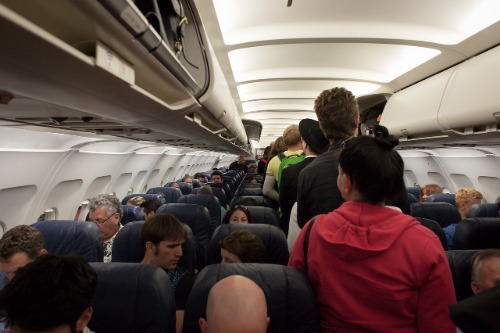
To outsiders, applauding after a smooth landing can seem like a comedic exaggeration or tourist behavior. Yet in the U.S., it occasionally happens—especially on smaller flights or when turbulence made passengers uneasy. The applause is a genuine sign of relief and appreciation, not a sarcastic stunt. It’s an unspoken “thank you” to the pilots and crew for getting everyone home safely.
This custom echoes America’s culture of open gratitude and emotional expression. Instead of quietly disembarking, some travelers channel joy through applause or cheers. It’s spontaneous, communal, and oddly heartwarming. For foreigners, it might seem quirky—but for Americans, it’s a simple act of shared celebration.
15. Overdecorating for Holidays

To a newcomer, American holiday decorations can feel like satire. Front yards bursting with inflatable pumpkins, glowing snowmen, or synchronized light shows look like a movie scene gone too far. But this isn’t parody—it’s heartfelt enthusiasm. Americans often treat decorating as both a creative outlet and a neighborhood bonding ritual.
Halloween, Christmas, and even the Fourth of July can turn entire streets into themed displays. Families pass decorations down through generations, and some neighborhoods even compete for “best house” titles. The brighter and bolder, the better. What looks like comic excess is, in truth, a joyful cultural art form.
16. Drive-Thru Everything
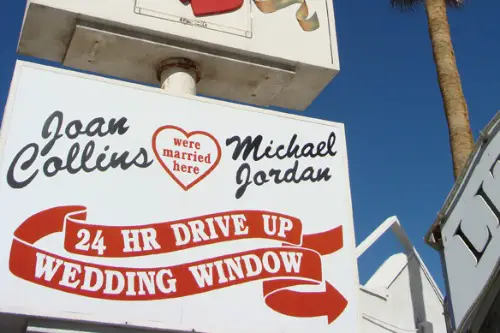
To visitors, the sheer number of American drive-thrus might seem like a running gag. From coffee to pharmacies to even wedding chapels, it can feel like a parody of convenience culture. But these services are entirely real and widely used. Americans genuinely love minimizing hassle, especially in car-centric cities.
The drive-thru reflects practicality and speed over ceremony. People value the ability to multitask or stay comfortable while running errands. This system developed alongside suburban sprawl and long commutes, not as a joke. Once you understand its logic, the ubiquity of drive-thrus starts to make sense.
17. Standing Ovations for Almost Everything
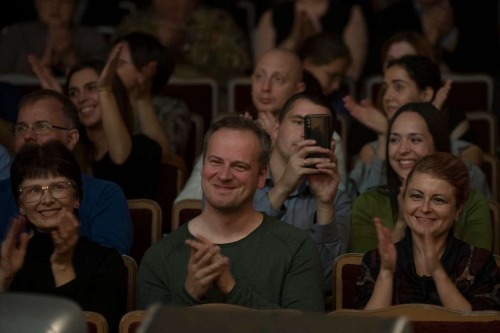
Foreign visitors sometimes assume American audiences are being sarcastic when they give standing ovations so freely. But in the U.S., it’s a sincere way to show enthusiasm and gratitude, not an ironic overreaction. Americans believe excellence deserves celebration, whether it’s a Broadway show or a high school recital. It’s less about judgment and more about shared encouragement.
This reflects a national tendency toward positivity and affirmation. Even modest performances might earn cheers because effort is valued as much as perfection. The act of standing creates a collective emotional moment, turning audiences into participants. What might seem exaggerated elsewhere feels perfectly natural here.
18. Talking to Pets Like People

Visitors often chuckle when Americans hold full conversations with their dogs or cats, complete with baby talk or serious tone. It can sound like a parody of affection—but it’s completely genuine. Many Americans see pets as family members and treat them accordingly. They’re addressed, celebrated, and even consulted as if they fully understand.
Pet culture in the U.S. emphasizes emotional connection and empathy. Talking to animals isn’t seen as silly—it’s a way of expressing love and companionship. Entire industries cater to this mindset, from dog birthday cakes to pet strollers. Once you realize it’s heartfelt, not humorous, it becomes endearing rather than absurd.
19. Over-Apologizing for Small Things
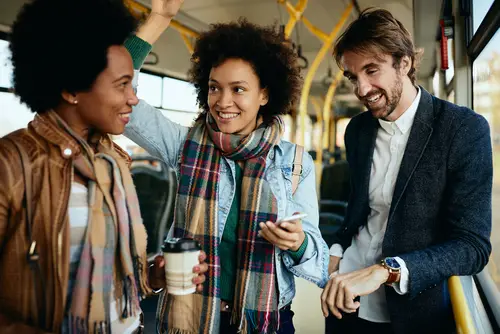
To outsiders, Americans’ habit of saying “sorry” for minor inconveniences can sound insincere or comedic. People apologize for bumping into someone, reaching across a counter, or even being handed the wrong receipt. But these apologies aren’t jokes—they’re part of the culture’s emphasis on politeness and emotional awareness. Saying “sorry” often replaces confrontation with calm.
This small act smooths over daily interactions and keeps social friction low. It’s less about guilt and more about empathy in motion. Americans use “sorry” as a social lubricant rather than a literal admission of fault. Once you grasp that, the constant apologizing feels considerate, not comical.
This post 19 Local Customs That Outsiders Mistake for Jokes—But Aren’t was first published on American Charm.